Policymakers often face trade-offs that require balancing competing priorities and determining the right level of intervention. The economic valuation of health effects provides essential input for policy evaluation and implementation supporting balanced policy decisions. This chapter presents an overview of the recommended values for ten health effects across 28 surveyed countries in the SWACHE project.
Economic Valuation of Chemicals‑Related Health Effects
A Practical Guide to Quantifying Morbidity Effects in Environmental Cost-Benefit Analysis

Abstract
This section presents an overview of the average willingness‑to‑pay (WTP) and value of a statistical case (VSC) estimates across countries for the ten health effects. These values are expressed in 2023 USD Purchasing Power Parity (PPP). Values from the working papers have been converted to 2023 USD Purchasing Power Parity (PPP). For clarity, 2023 USD PPP is simply written as USD throughout the rest of this report.
The results from the first two rounds of the surveys indicate that individuals are willing to pay a significant amount to reduce their risks of developing various negative health effects linked to chemicals. Figure 2.1 provides a snapshot of the valuations of skin sensitisation, hypertension, infertility, underactive thyroid, adult asthma risk, childhood asthma risk, miscarriage, chronic kidney disease, non-fatal cancer and very low birth weight, measured as the average VSC for each endpoint across the surveyed countries. The average VSC ranges from USD 5 000 for skin sensitisation (defined as a case involving a two-week severe flare-up visible on the face) to USD 1 273 000 for very low birth weight. The second highest value is observed for chronic kidney disease with an average VSC of USD 927 000, followed by non-fatal cancer at USD 883 000.
The health effects also include the severity of asthma, the avoidance of IQ losses in children and the avoidance of skin sensitisation among individuals already diagnosed with the condition. In the asthma severity survey, respondents were asked how much they would be willing to pay to reduce asthma severity by one level (e.g. from severe to moderate-plus). In the skin sensitisation survey, individuals already sensitised were asked about their WTP to avoid a flare-up. In the IQ loss survey, respondents were asked about their WTP to avoid the certain loss of one IQ point for their own hypothetical children. For these effects, WTP values are therefore recommended for policy analysis, noting that these values relate to the change in the health effect and to the time period presented to respondents, as opposed to the VSC which is not indexed to a time horizon, as specified in Box 1.1 of Chapter 1.
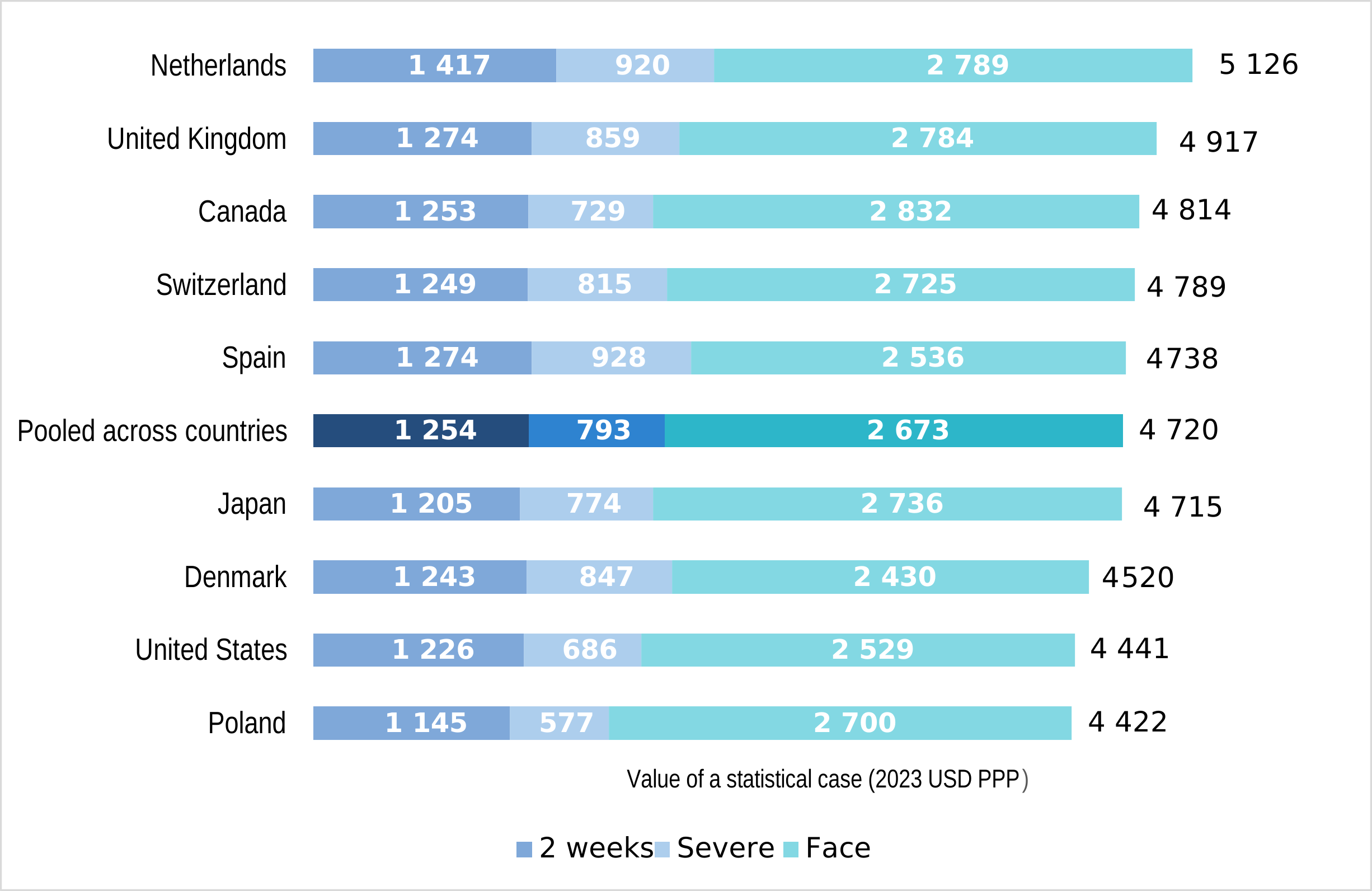
The mean WTP for reducing asthma severity equals USD 629 per year for adults and USD 1 134 per year for children over a period of ten years. To avoid the loss of one IQ point in children, respondents are willing to pay USD 667 per year on average over a period of 5 years. Finally, a scenario involving a two-week severe flare-up visible on the face results in an estimated value per averted case of USD 106 per year over a period of 5 years for individuals already skin-sensitised to chemicals.
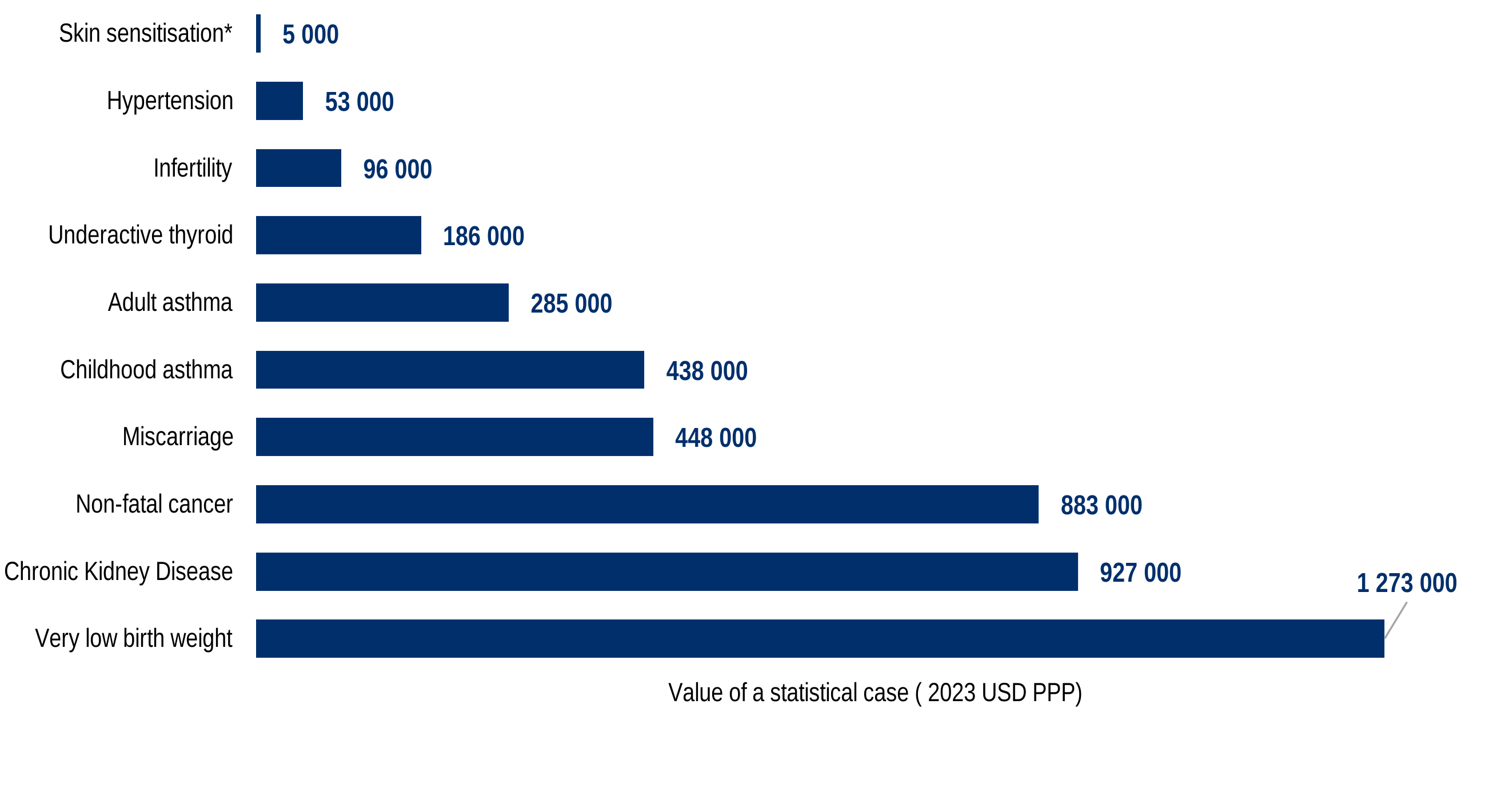
Note: * the value of a statistical case for skin sensitisation refers to a hypothetical skin sensitisation case that involves a two-week severe flare-up visible on the face and is derived from a sample of respondents without prior skin sensitisation to chemicals.
In Figure 2.1, three endpoints relate to reproductive health and show contrasting results. The mean VSC for infertility is the third lowest among the ten health effects, whereas the mean VSC for very low birth weight is the highest. The mean VSC for miscarriage lies between these two values. In viewing these results, it is important to keep the study design and context in mind for each health effect. For example, infertility, as defined in this project, refers to a condition that is not necessarily permanent but for which the risk can be reduced, while miscarriage refers to the occurrence of a specific event. In contrast, very low birth weight is described to respondents as a condition with consequences that extend over the infant’s entire lifetime. A description of each of the ten health endpoints, as presented to respondents, is provided below, and a comparative analysis of the VSC rankings is further discussed in Section 4.2 of Chapter 4. Detailed descriptions of each health effect and its empirical estimation are available in the respective underlying OECD Environment Working Papers.
This section presents the values recommended for policy analysis for the surveyed countries for the ten health effects. These values are expressed in 2023 USD PPP. Results with confidence intervals as well as results in local currencies are presented in Annex A. Confidence intervals are provided for information purposes, but the central values presented below are the recommended values for policy analysis. This section also provides a brief description of the ten health effects, along with the valuation scenario used in each survey including the baseline risk, the risk reduction and time horizon considered for each condition, which were specifically tailored to each health effect to reflect epidemiological data. The next chapter offers further details on the drivers of preferences in the valuation of non‑fatal health effects among individuals and across countries.
Hypertension, also known as high blood pressure, is a common medical condition that affects roughly 30% of the adult population worldwide (WHO, 2025[11]). Although it often presents without warning signs or symptoms, it can lead to severe health issues such as cardiovascular disease, kidney disease1, vascular dementia, etc. In the ten countries surveyed, ischaemic heart disease, for which hypertension is one of the most common risk factors, is the leading cause of burden of disease, as measured by Disability-Adjusted Life Years (DALYs), a metric that combines years of life lost due to premature death and years lived with disability (WHO, 2025[12]).
Previous valuation work does not provide internationally comparable WTP to avoid hypertension. The Surveys on Willingness-to-pay to Avoid negative Chemicals-related Health Effects (SWACHE) hypertension survey fills this gap. The valuation scenario divided respondents, representative of the general population in each surveyed country, into two age groups (18-45 and over 45) according to their baseline risk of hypertension (30% and 55%, respectively), as informed by corresponding epidemiological data. They were then asked how much they would be willing to pay to reduce their risk of high blood pressure, with each respondent presented with one of two possible risk reductions over the next ten years: 10 percentage points or 20 percentage points. Respondents’ WTP was directly assessed using a double-bounded dichotomous choice (DBDC) format.
The hypertension survey was implemented in Austria, Belgium, Canada, Finland, Greece, Japan, Portugal, Slovenia, the United Kingdom and the United States. The mean VSC of hypertension varies from USD 29 000 in Japan to USD 85 000 in Greece, as illustrated in Figure 2.2. The mean VSC across the surveyed countries equals USD 53 000. A detailed description of this survey and its results is available in (Hunt et al., 2026[6]).

Note: values have been converted to 2023 USD PPP. Results in local currencies can be found in Annex A.
Source: (Hunt et al., 2026[6])
In the medical literature, infertility is the inability of a couple to get pregnant after trying for one year or more. Infertility is associated with exposure to chemicals and, in some cases, can be treated medically. One in six adults worldwide experiences infertility in their lifetime (WHO, 2023[13]). Infertility can have profound psychological, social and financial impacts on individuals and couples. Fertility rates have been declining globally since the 1950s, which has led to concern among many individuals in OECD Member countries. While this decline is primarily driven by socio-economic and cultural factors, environmental pollution also plays a significant role, as individuals are increasingly exposed to chemicals that disrupt the hormonal system, thereby increasing the risk of infertility (Seli and Taylor, 2023[14]; UNFPA, 2025[15]).
Previous studies estimated the WTP for improved fertility, but many focused on assisted reproduction technologies. These previous studies estimated a value per statistical pregnancy. Overall, the existing metrics are difficult to apply in regulatory impact analysis. The SWACHE infertility survey was designed to elicit WTP for a reduced risk of infertility that can be easily used in cost-benefit analysis.
In each country, a sample of 1 200 adult respondents of childbearing age who were part of couples planning to have a child within the next five years was collected and analysed. Respondents were informed that they could reduce their risk of infertility by purchasing foods and beverages packaged in extra-safe materials. After being assigned a baseline infertility risk based on their sex and age, as well as that of their partner (ranging from 8 in 100 couples to 24 in 100 couples), respondents were asked how much they would be willing to pay each month for a 20-month period to ensure a reduction in their infertility risk from substances in food packaging. A risk reduction of either 1 or 2 percentage points was randomly assigned to respondents. The valuation scenario was arranged in a DBDC format.
The survey was fielded in ten countries: Australia, Canada, Chile, Germany, Japan, Poland, Portugal, Sweden, the United Kingdom and the United States. Figure 2.3 displays the VSC estimates for these ten countries. The mean VSC of infertility varies from USD 72 000 in Japan to USD 122 000 in Portugal. The mean VSC across the surveyed countries equals USD 96 000. A detailed description of this survey and its results is available in (Dussaux et al., 2023[4]).

Note: values have been converted to 2023 USD PPP. Results in local currencies can be found in Annex A.
Source: (Dussaux et al., 2023[4])
Underactive thyroid, or hypothyroidism, is a pathological condition of thyroid hormone deficiency, where too little thyroid hormone is produced by the thyroid gland. Hypothyroidism is a relatively common condition, with a prevalence of approximately 7% to 9% of the world population (Vanderpump et al., 1995[16]; Knudsen et al., 1999[17]; Bjoro et al., 2000[18]; Garmendia Madariaga et al., 2014[19]; Valdes et al., 2017[20]). The most common symptoms in adults are fatigue, lethargy, cold intolerance, weight gain, constipation, change in voice, and dry skin (Chaker et al., 2017[21]). The risk of developing hypothyroidism varies significantly with age and gender, being higher at older ages and approximately ten times more common among women than among men at any age (Taylor et al., 2018[22]).
Several studies have estimated non-monetary impacts on wellbeing of thyroid disease, such as quality- and disability-adjusted life years (i.e. QALYs and DALYs, which are explained in Box 4.1 of Chapter 4), as well as cost-effectiveness and cost-utility effects of thyroid disease treatments. However, up until now, no stated preference valuation studies on reductions in the risk of developing hypothyroidism have been published. The SWACHE underactive thyroid survey fills this gap by asking respondents, representative of the general population in each surveyed country, how much they are willing to pay over a period of 20 years for safer household products that reduce their risk of developing an underactive thyroid. In line with epidemiological data, each respondent was assigned a baseline risk of hypothyroidism and a possible risk reduction over the next 20 years. Four baseline risk levels were defined according to age and sex: 8% for women younger than 50 years, 13% for women aged 50 years or older, 4% for men younger than 50 years, and 7% for men aged 50 years or older. Respondents were then randomly offered either a 1 or 2 percentage points reduction in this risk.
Figure 2.4 shows the VSCs for the twelve countries in which the survey was implemented, namely Austria, Canada, Denmark, Estonia, Finland, Greece, Japan, the Netherlands, Poland, Portugal, the United Kingdom and the United States. The mean VSC for underactive thyroid ranges from USD 76 000 in Japan to USD 313 000 in Estonia. The mean VSC across the surveyed countries is USD 186 000. A detailed description of this survey and its results is available in (Ahtiainen et al., 2026[9])

Note: values have been converted to 2023 USD PPP. Results in local currencies can be found in Annex A.
Source: (Ahtiainen et al., 2026[9])
Asthma is a non-curable long-term condition affecting children and adults. Asthma is the most prevalent chronic condition among children, affecting nearly one in ten (Global Asthma Network, 2022[23]). Asthmatics experience symptoms such as coughing, wheezing, shortness of breath and chest tightness. Depending on its severity, asthma can prevent normal outdoor activities, necessitate routine medication, and sometimes require oxygen intake, emergency care, and hospitalisation.
Previous valuation work does not provide internationally comparable WTP values for asthma risk and severity. To fill this gap, the SWACHE asthma study asks what asthmatics are willing to pay to reduce their asthma severity e.g., from severe to moderate. Further, it asks respondents who do not have asthma what they are willing to pay to reduce their risk of getting it. Finally, the survey asks parents what they are willing to pay to reduce the severity of the asthma of their youngest asthmatic child, and the risk that their youngest non-asthmatic child gets it.
The survey dedicated to valuing asthma risk asked non-asthmatic adults and parents of non-asthmatic children how much they would be willing to pay over a ten-year period for safer, albeit more expensive, household products designed to reduce their own or their child's risk of developing asthma. Through a discrete choice experiment (DCE) that presented different sets of choices, respondents were asked to choose amongst the baseline scenario and two alternative scenarios with lower risk. The baseline risk of getting asthma was modelled on the incidence rates over ten years in the United States, and lower risk was defined in terms of reductions from this baseline. For example, one choice set offered respondents the following options: Choice A, a total risk of getting adult asthma over the next ten years using original products of 40 in 1 000; Choice B, using safer products with a reduced risk of 25 in 1 000; and Choice C, using safer products with a reduced risk of 33 in 1 000, with costs set at 0 for the baseline and increasing with the size of the risk reduction.
The survey produced robust results across six2 countries: Canada, France, Poland, Sweden, the United Kingdom and the United States. The mean VSC of adult asthma, derived from the WTP to reduce one’s risk of developing asthma, varies from USD 195 000 in the United Kingdom to USD 381 000 in Poland. The mean VSC of childhood asthma varies from USD 349 000 in Canada to USD 548 000 in the United States. The mean VSC values of adult and childhood asthma across the surveyed countries equal USD 285 000 and USD 438 000, respectively. Figure 2.5 presents these results. A detailed description of this survey and its results is available in (Appéré et al., 2023[1]).

Note: values have been discounted (3% discount rate) and converted to 2023 USD PPP. Results in local currencies can be found in Annex A.
Source: (Appéré et al., 2023[1]).
The survey regarding asthma severity first asked asthmatic adults and parents of asthmatic children to indicate their own or their child’s current level of asthma severity on a 6-point scale ranging from very mild, mild, mild plus, moderate, moderate plus, to severe. Respondents were then asked for their WTP to use home cleaning and other products formulated to contain fewer and safer chemicals, which would reduce asthma severity by one level for a period of ten years (for example, from severe to moderate plus). The valuation questions were structured using a DBDC format.
The survey for asthmatic respondents was implemented in seven countries: Canada, Czechia, France, Poland, Sweden, the United Kingdom and the United States. Figure 2.6 displays the WTP estimates for these seven countries for both adult and childhood asthma, as well as their means. The mean WTP for reducing adult asthma severity varies from USD 496 per year in Canada to USD 870 in Czechia. The mean WTP for reducing asthma severity in children is higher across all surveyed countries and varies from USD 863 per year in the United Kingdom to USD 1 372 per year in Czechia and the United States. The mean WTP across the surveyed countries for reducing asthma severity equals USD 629 per year for adults and USD 1 134 per year for children over a period of ten years. A detailed description of this survey and its results is available in (Appéré et al., 2023[1]).

Note: WTP per year over ten years. Values have been converted to 2023 USD PPP. Results in local currencies can be found in Annex A.
Source: (Appéré et al., 2023[1])
About 15% of pregnancies worldwide result in miscarriage, or loss of pregnancy within the first 20 to 24 weeks (Quenby et al., 2021[24]). In some cases, miscarriage can lead to severe abdominal cramps, vaginal bleeding and general body weakness. Sometimes medical attention is required to control heavy bleeding, or because an infection has developed, causing fever and abdominal tenderness. Physical symptoms usually resolve within four to eight weeks, but the emotional burden can last longer, potentially leading to depression and anxiety.
Valuation studies to date have focused on the cost of treatment for foetal loss but no existing study appears to provide WTP for reduced risk of miscarriage. The SWACHE miscarriage survey fills this gap by asking adults who plan to have a child within the next five years how much they are willing to pay for safer household products that reduce their risk of miscarriage. Respondents were assigned a baseline miscarriage risk based on their age: 13% for individuals under 35; 18% for individuals aged 35–40; and 37% for individuals over 40. They were then randomly assigned a risk reduction of either 2 or 4 percentage points and asked a series of yes/no questions, in a DBDC format, about their WTP for this reduction over a period of 15 months.
The survey was implemented in nine countries: Belgium, Canada, Denmark, France, Italy, Korea, the Netherlands, the United Kingdom and the United States. The mean VSC across countries, using the pooled data, equals USD 448 000, as illustrated in Figure 2.7. A detailed description of this survey and its results is available in (Dockins et al., 2026[10]).

Note: VSC of miscarriage come from a pooled econometric model for all countries except the Netherlands and Korea, where a country‑specific model performed better. The pooled estimate across countries uses the country estimates from the pooled model. Results in local currencies can be found in Annex A.
Source: (Dockins et al., 2026[10])
Cancer is a group of diseases characterised by the rapid growth of abnormal cells that invade tissues and spread throughout the body. Cancer impacts multiple dimensions of well-being, affecting physical abilities, cognitive function, social interactions, and overall quality of life. The prevalence of cancer is projected to rise, with the number of cases expected to increase by 77% by 2050 compared to 2022 (WHO, 2024[25]).
The heterogeneity of cancer diseases and the multiple survey contexts conducted by previous studies limit the ability to provide internationally comparable WTP values to avoid non-fatal cancer (OECD, 2025[26]). The SWACHE survey asks adult respondents, representative of the general population, how much they are willing to pay over a period of 5 years for safer products that reduce their risk of developing cancer that may or may not be fatal. All respondents were given the same baseline risks, modelled on the epidemiological profile of individuals aged 45 to 55. The baseline risk of developing and surviving cancer was 24 per 1 000, and the baseline risk of developing cancer and not surviving was 6 per 1 000. Each respondent was then presented with a series of choice tasks in which different options offered small reductions in these risks at varying costs. Their WTP for these risk reductions was measured using a DCE method.
The survey was implemented in ten countries: Canada, Denmark, Estonia, Japan, Mexico, Norway, Slovenia, Spain, the United Kingdom and the United States. The mean VSC3 ranges from USD 559 000 in Mexico to over USD 1 266 000 in the United States. The mean VSC across the surveyed countries is USD 883 000. Figure 2.8 presents these results. A detailed description of this survey and its results is available in (Herrera-Araujo et al., 2026[5]).

Note: results in local currencies can be found in Annex A.
Source: (Herrera-Araujo et al., 2026[5])
The prevalence of chronic kidney disease is increasing (Mark et al., 2025[27]). Chronic kidney disease affects 9.1% to 12.4% of the worldwide population and has important negative impacts on quality of life. According to the World Health Organisation, chronic kidney disease ranks as the 12th leading cause of DALYs lost (WHO, 2025[12]). Chronic kidney disease can lead to severe health complications, such as cardiovascular diseases, bone fragility and a weakened immune system.
Valuation studies to date have focused on the final stage of chronic kidney disease that is permanent kidney failure requiring dialysis or kidney transplant. The SWACHE chronic kidney disease survey focused on a range of severities (stages 3 and 4 out of 5 stages) capturing symptomatic kidney disease and valuing the specific impacts of disease progression. This novel approach provides a more useful estimate for cost-benefit analysis and makes the results more representative of the full impact of chemicals exposure on individuals’ lives.
In this valuation, respondents, representative of the general population in each surveyed country, were divided into age groups (18-40, 40-60, and over 60) according to their baseline risk of serious kidney disease (15, 25, and 60 in 1 000) based on corresponding epidemiological data. They were then randomly assigned a risk reduction of either 2 in 1 000 or 5 in 1 000 over a 5-year period. Respondents were directly asked the cost they were willing to pay for the assigned risk reduction through a DBDC survey.
The SWACHE chronic kidney disease survey was fielded in nine countries: Canada, Chile, Denmark, Germany, Italy, Norway, Türkiye, the United Kingdom and the United States. As illustrated in Figure 2.9, the mean VSC of chronic kidney disease varies from USD 671 000 in the United Kingdom to USD 1 316 000 in Italy. The mean VSC across the surveyed countries equals USD 927 000. A detailed description of this survey and its results is available in (Dockins et al., 2023[3]).

Note: values have been converted to 2023 USD PPP. Results in local currencies can be found in Annex A.
Source: (Dockins et al., 2023[3])
Very low birth weight is defined in the SWACHE project as a birth weight of less than 1 500 g. The prevalence of this outcome ranges from 0.6% to 1.3% depending on the country. Infants born with a very low birth weight are at increased risk of serious lifelong health complications, including neurosensory impairments, behavioural and social difficulties, and learning disabilities, including a lower IQ. They are also more likely to develop chronic conditions in adulthood, such as obesity and diabetes.
There is limited internationally comparable evidence on the economic benefits of reducing exposure to chemicals and consequent health risks related to very low birth weight. The SWACHE very low birth weight survey fills this gap by asking adults planning and in capacity to have a child how much they are willing to pay over a period of eight months for safer products – including cleaning products, toiletries, cosmetics, clothes, textiles, furniture, and electronics – that reduce the risk of very low birth weight.
In this valuation, respondents were randomly assigned to one of three baseline risk levels for very low birth weight: 6, 10, or 12 per 1 000. Depending on the assigned baseline, they were then presented with specific risk-reduction levels. For a baseline risk of 6 per 1 000, reductions of 2 or 3 per 1 000 were proposed; for a baseline of 10 per 1 000, reductions of 2, 3, 5, or 6 per 1 000; and for a baseline of 12 per 1 000, reductions of 2, 3, 5, 6, or 7 per 1 000. Respondents’ WTP was captured using a DBDC format.
Figure 2.10 displays the valuation results for the nine countries in which the survey was implemented, namely, Canada, Czechia, Italy, Mexico, the Netherlands, Switzerland, Türkiye4, the United Kingdom and the United States. The mean VSC of very low birth weight varies from USD 572 000 in Türkiye to USD 2 086 000 in Italy. The mean VSC across the surveyed countries equals USD 1 273 000. A detailed description of this survey and its results is available in (Ščasný, Zvěřinová and Dussaux, 2023[8]).
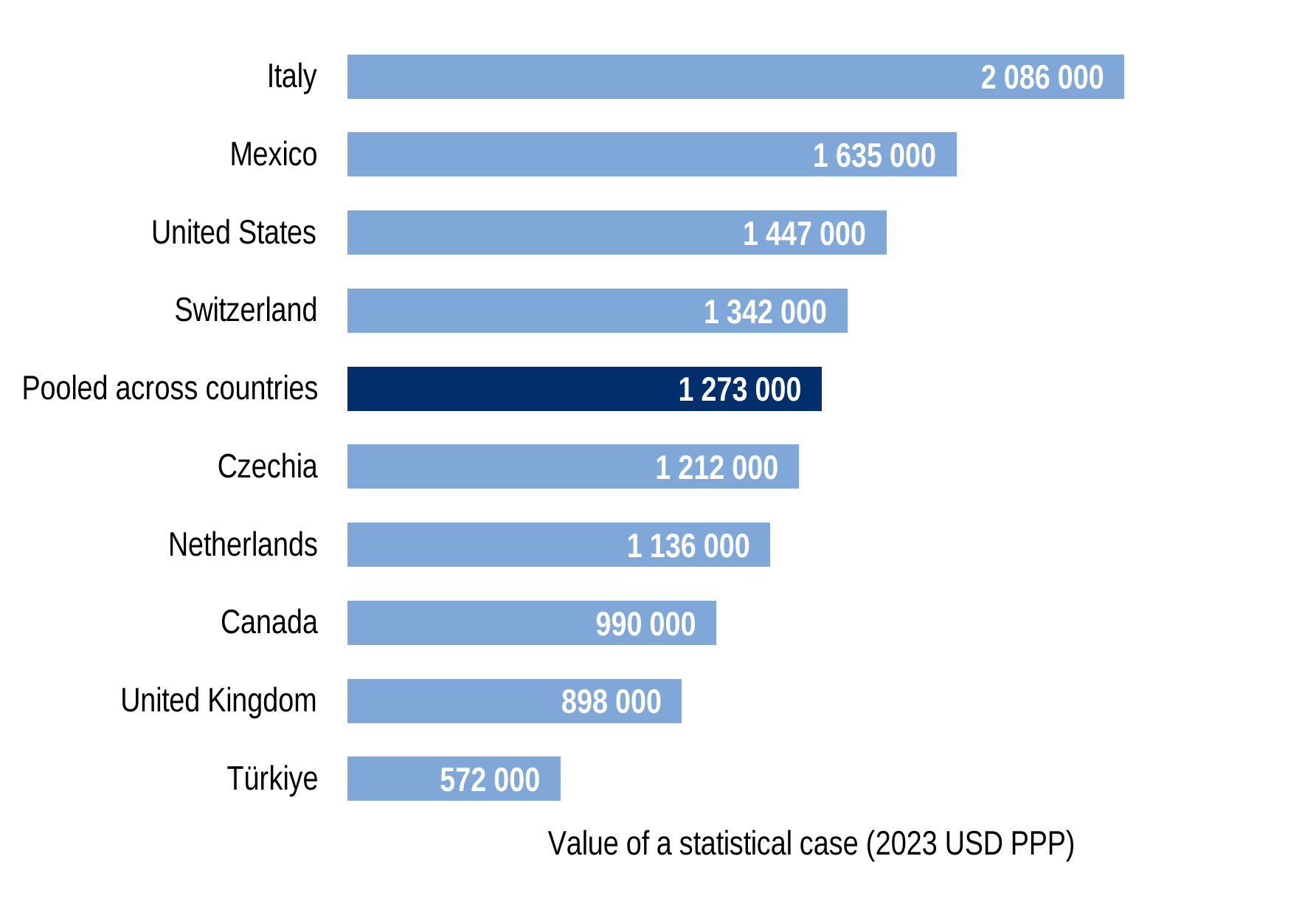
Note: values have been converted to 2023 USD PPP. Results in local currencies can be found in Annex A.
Intelligence Quotient (IQ) is a score designed to assess human intelligence. IQ loss is associated with lower educational achievement, lower lifetime income and higher probability to engage in criminal behaviour (Schwartz, 1994[28]; Salkever, 1995[29]; Gould, 2009[30]; Miranda et al., 2007[31]). Yet, there is no internationally comparable value of the WTP to avoid the loss of one point of IQ that can be used in analysis of chemicals management options. The SWACHE IQ loss in children survey provides this missing data by asking adult respondents to value a certain reduction in IQ loss associated with chemicals exposure for their own hypothetical children.
In this valuation study, respondents representative of the general population in each surveyed country, were randomly assigned to one of four groups. Three groups were presented with a scenario describing the loss of 5 IQ points starting from different initial levels: 90 (below average), 100 (average), or 110 (above average), meaning the child’s IQ would decrease to 85, 95, or 105 respectively. The fourth group was shown a loss of 1 IQ point from a baseline of 100 (average). These four scenarios were randomly and evenly distributed across respondents in all surveyed countries. Respondents were informed that introducing a government ban on relevant harmful chemicals would prevent this reduction in IQ from occurring, and they were asked how much extra they would be willing to pay per month. Respondents’ WTP was solicited for a payment period lasting 5 years using a DBDC format.
The SWACHE IQ loss survey was implemented in 11 countries: Australia, Canada, Denmark, Korea, the Netherlands, Poland, Portugal, South Africa, Sweden, the United Kingdom and the United States. The mean WTP per year over 5 years to avoid one IQ point loss varies from USD 365 in the United Kingdom to USD 1 010 in Canada. The mean WTP across the surveyed countries equals USD 667. Figure 2.11 presents these findings. A detailed description of this survey and its results is available in (Mourato et al., 2023[7]).
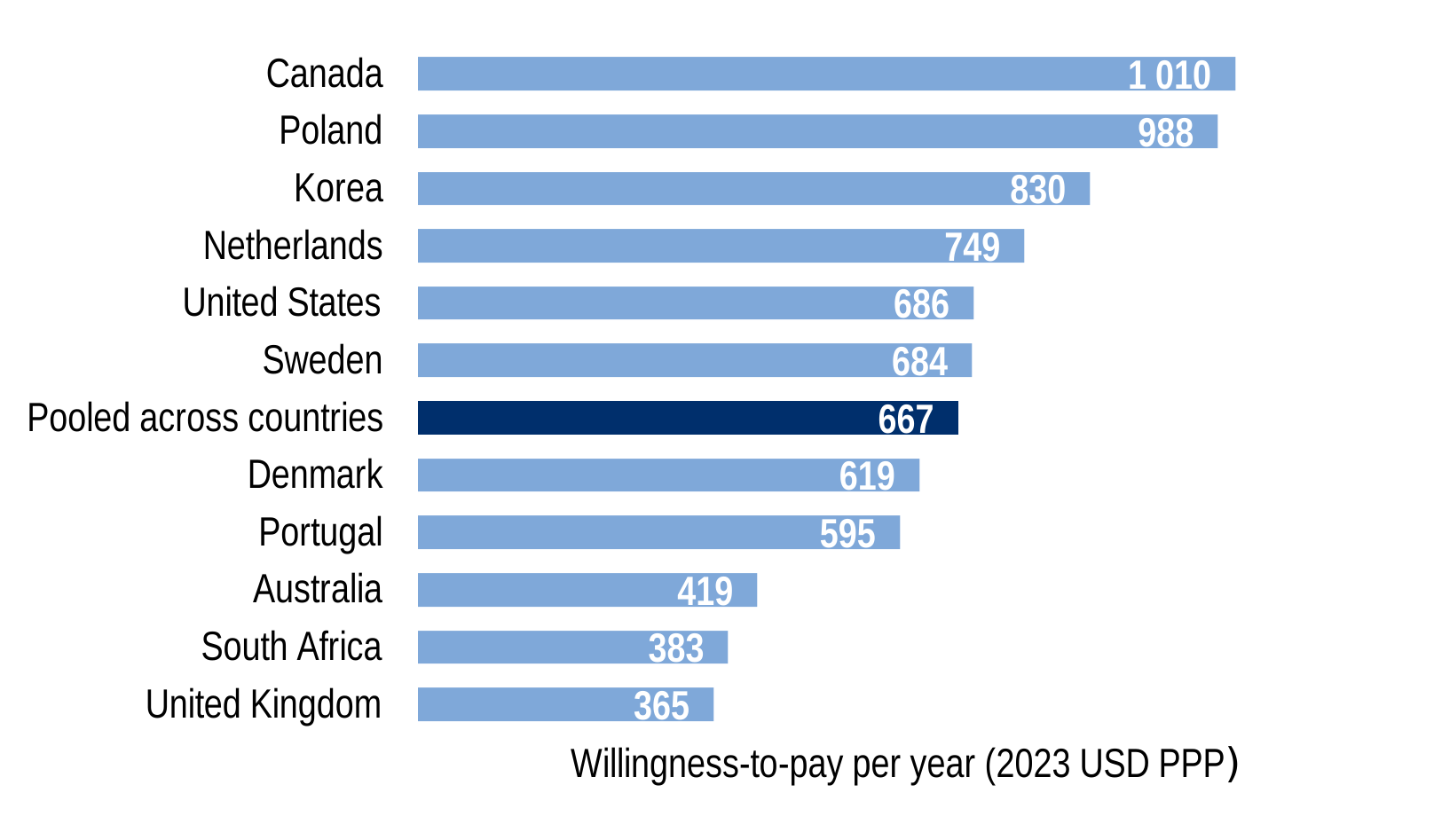
Note: WTP per year over five years. Values have been converted from the working paper to 2023 USD PPP. Results in local currencies can be found in Annex A.
Source: (Mourato et al., 2023[7])
Skin sensitisation is a condition that affects millions of people worldwide. It develops primarily through allergic contact dermatitis and related dermatological reactions. Beyond causing physical discomfort, skin sensitisation can lead to reduced occupational productivity and significant psychological distress (Courtney and Su, 2024[32]; Kalboussi et al., 2019[33]). Chemicals exposure in both occupational and everyday contexts represents a significant source of skin sensitisation (Goossens and Aerts, 2022[34]; Hostýnek, Reagan and Maibach, 2019[35]).
Empirical evidence on the value that populations place on avoiding chemical‑induced skin sensitisation remains limited. The SWACHE skin sensitisation survey addresses this gap by eliciting both individuals diagnosed with skin sensitisation and undiagnosed individuals’ WTP to avoid experiencing skin sensitisation over a period of five years. The study captures the multidimensional nature of the condition, including the duration, severity, and location of flare‑ups. Individuals were presented with valuation tasks in the form of discrete choice cards (see Box 1.3 of Chapter 1). The choice cards varied attribute levels to enable estimation of values for avoiding one additional day of flare-up, a severe case, a case visible on the face, and a case visible on other visible areas. Given the wide variability in how a flare-up manifests in terms of severity, duration, and location on the body, it is difficult to define a typical case of skin sensitisation. Therefore, the examples provided in this section are intended solely to illustrate how the values can be applied and how they compare with other health effects considered in this report.
The skin sensitisation survey was implemented in nine countries: Canada, Denmark, Japan, the Netherlands, Poland, Spain, Switzerland, the United Kingdom, and the United States. The results provide WTP derived from the sensitised sample and VSC estimates derived from the non-sensitised sample that support the construction of case-specific values, as described in Annex A. The WTP to avoid one additional day of flare‑up is scaled by duration, while severity and location values are added once per scenario. For a two-week severe flare-up visible on the face, the mean WTP for the sensitised sample is USD 106 per year over a five-year period, as illustrated in Figure 2.12. The mean VSC for the non-sensitised sample is USD 4 720 across countries, as shown in Figure 2.13. A detailed description of this survey and its results is available in (Contu et al., 2026[2]).
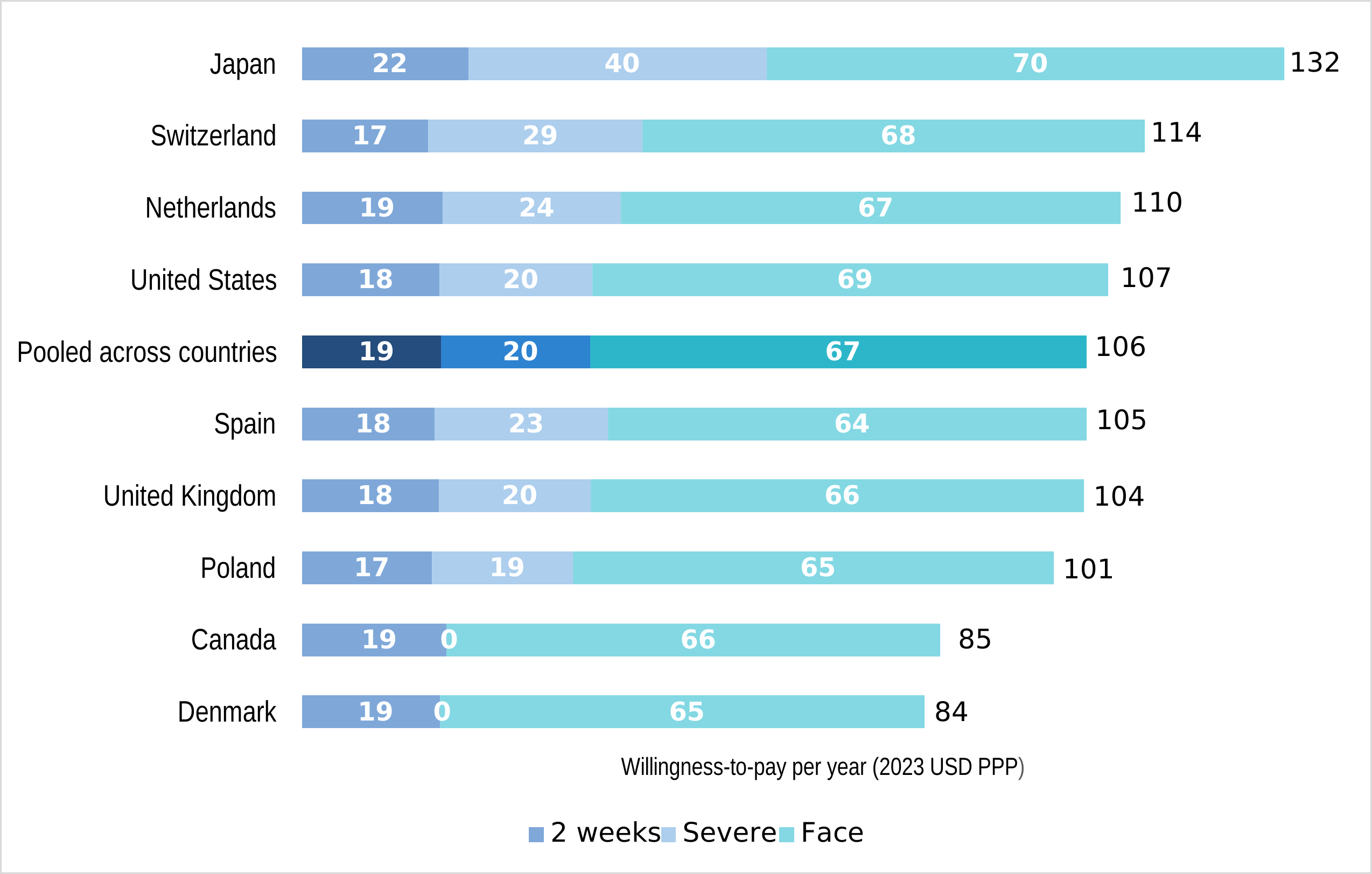
Note: WTP per year over five years.
Source: (Contu et al., 2026[2])
Source: (Contu et al., 2026[2])
References
[9] Ahtiainen, H. et al. (2026), “Valuing a reduction in the risk of an underactive thyroid: A large-scale multi-country stated preference approach”, OECD Environment Working Papers, No. 272, OECD Publishing, Paris, https://doi.org/10.1787/4af8f3aa-en.
[1] Appéré, G. et al. (2023), “Valuing a reduction in the risk and severity of asthma: A large scale multi-country stated preference approach”, OECD Environment Working Papers, No. 218, OECD Publishing, Paris, https://doi.org/10.1787/f289d29e-en.
[18] Bjoro, T. et al. (2000), “Prevalence of thyroid disease, thyroid dysfunction and thyroid peroxidase antibodies in a large, unselected population. The Health Study of Nord-Trondelag (HUNT)”, European journal of endocrinology, Vol. 143/5, pp. 639-647.
[21] Chaker, L. et al. (2017), “Hypothyroidism”, The Lancet, Vol. 390/10101, pp. 1550–62.
[2] Contu, D. et al. (2026), “Valuing a reduction in the risk of skin sensitisation: A large-scale multi-country stated preference approach”, OECD Environment Working Papers, No. 277, OECD Publishing, Paris, https://doi.org/10.1787/fc305de9-en.
[32] Courtney, A. and J. Su (2024), “The Psychology of Atopic Dermatitis”, Journal of Clinical Medicine, Vol. 13, https://doi.org/10.3390/jcm13061602.
[10] Dockins, C. et al. (2026), “Valuing a reduction in the risk of miscarriage: A large-scale multi-country stated preference approach”, OECD Environment Working Papers, No. 271, OECD Publishing, Paris, https://doi.org/10.1787/23bb6643-en.
[3] Dockins, C. et al. (2023), “Valuing a reduction in the risk of chronic kidney disease: A large scale multi-country stated preference approach”, OECD Environment Working Papers, No. 216, OECD Publishing, Paris, https://doi.org/10.1787/9c93138f-en.
[4] Dussaux, D. et al. (2023), “Valuing a reduction in the risk of infertility: A large scale multi-country stated preference approach”, OECD Environment Working Papers, No. 215, OECD Publishing, Paris, https://doi.org/10.1787/7242509f-en.
[19] Garmendia Madariaga, A. et al. (2014), “The incidence and prevalence of thyroid dysfunction in Europe: a meta-analysis”, The Journal of Clinical Endocrinology & Metabolism, Vol. 99/3, pp. 923-931.
[23] Global Asthma Network (2022), The Global Asthma Report 2022, International Union Against Tuberculosis and Lung Disease, https://doi.org/10.5588/ijtld.22.1010.
[34] Goossens, A. and O. Aerts (2022), “Contact allergy to and allergic contact dermatitis from formaldehyde and formaldehyde releasers: a clinical review and update”, Contact Dermatitis, Vol. 87, pp. 20-27, https://doi.org/10.1111/cod.14089.
[30] Gould, E. (2009), “Childhood Lead Poisoning: Conservative Estimates of the Social and Economic Benefits of Lead Hazard Control”, Environmental Health Perspectives, Vol. 117/7, pp. 1162-1167, https://doi.org/10.1289/ehp.0800408.
[5] Herrera-Araujo, D. et al. (2026), “Valuing a reduction in the risk of non-fatal cancer: A large-scale multi-country stated preference approach”, OECD Environment Working Papers, No. 274, OECD Publishing, Paris, https://doi.org/10.1787/0345660e-en.
[35] Hostýnek, J., K. Reagan and H. Maibach (2019), “Nickel allergic hypersensitivity: prevalence and incidence by country, gender, age, and occupation”, in Nickel and the Skin, CRC Press.
[6] Hunt, A. et al. (2026), “Valuing a reduction in the risk of hypertension: A large-scale multi-country stated preference approach”, OECD Environment Working Papers, No. 270, OECD Publishing, Paris, https://doi.org/10.1787/9da8057a-en.
[33] Kalboussi, H. et al. (2019), “Impact of Allergic Contact Dermatitis on the Quality of Life and Work Productivity”, Dermatology Research and Practice, p. 3797536, https://doi.org/10.1155/2019/3797536.
[17] Knudsen, N. et al. (1999), “The prevalence of thyroid dysfunction in a population with borderline iodine deficiency”, Clinical endocrinology, Vol. 51/3, pp. 361-367.
[27] Mark, P. et al. (2025), “Global, regional, and national burden of chronic kidney disease in adults, 1990–2023, and its attributable risk factors: a systematic analysis for the Global Burden of Disease Study 2023”, The Lancet, Vol. 406/10518, pp. 2461-2482, https://doi.org/10.1016/s0140-6736(25)01853-7.
[31] Miranda, M. et al. (2007), “The Relationship between Early Childhood Blood Lead Levels and Performance on End-of-Grade Tests”, Environmental Health Perspectives, Vol. 115/8, pp. 1242-1247, https://doi.org/10.1289/ehp.9994.
[7] Mourato, S. et al. (2023), “Valuing the avoidance of IQ losses in children: A large scale multi-country stated preference approach”, OECD Environment Working Papers, No. 219, OECD Publishing, Paris, https://doi.org/10.1787/71574eb4-en.
[26] OECD (2025), Mortality Risk Valuation in Policy Assessment: A Global Meta-Analysis of Value of Statistical Life Studies, OECD Publishing, Paris, https://doi.org/10.1787/76ca89a2-en.
[24] Quenby, S. et al. (2021), “Miscarriage matters: the epidemiological, physical, psychological, and economic costs of early pregnancy loss”, The Lancet, Vol. 397/10285, pp. 1658-1667, https://doi.org/10.1016/s0140-6736(21)00682-6.
[29] Salkever, D. (1995), “Updated Estimates of Earnings Benefits from Reduced Exposure of Children to Environmental Lead”, Environmental Research, Vol. 70/1, pp. 1-6, https://doi.org/10.1006/enrs.1995.1038.
[8] Ščasný, M., I. Zvěřinová and D. Dussaux (2023), “Valuing a reduction in the risk of very low birth weight: A large scale multi-country stated preference approach”, OECD Environment Working Papers, No. 217, OECD Publishing, Paris, https://doi.org/10.1787/dfd159a1-en.
[28] Schwartz, J. (1994), “Societal Benefits of Reducing Lead Exposure”, Environmental Research, Vol. 66/1, pp. 105-124, https://doi.org/10.1006/enrs.1994.1048.
[14] Seli, D. and H. Taylor (2023), “The impact of air pollution and endocrine disruptors on reproduction and assisted reproduction”, Current Opinion in Obstetrics & Gynecology, Vol. 35/3, pp. 210-215, https://doi.org/10.1097/gco.0000000000000868.
[22] Taylor, P. et al. (2018), “Global epidemiology of hyperthyroidism and hypothyroidism”, Nature Reviews Endocrinology, Vol. 14/5, pp. 301-316.
[15] UNFPA (2025), “The real fertility crisis: the pursuit of reproductive agency in a changing world”, State of World Population 2025, United Nations Population Fund, https://www.unfpa.org/sites/default/files/pub-pdf/EN_State%20of%20World%20Population%20report%202025.pdf.
[20] Valdes, S. et al. (2017), “Population-based national prevalence of thyroid dysfunction in Spain and associated factors: Diabetes study”, Thyroid, Vol. 27/2, pp. 156-166.
[16] Vanderpump, M. et al. (1995), “The incidence of thyroid disorders in the community: a twenty‐year follow‐up of the Whickham Survey”, Clinical endocrinology, Vol. 43/1, pp. 55-68.
[12] WHO (2025), Global health estimates: Leading causes of DALYs, World Health Organization, https://www.who.int/data/gho/data/themes/mortality-and-global-health-estimates/global-health-estimates-leading-causes-of-dalys.
[11] WHO (2025), Hypertension, World Health Organization, https://www.who.int/news-room/fact-sheets/detail/hypertension.
[25] WHO (2024), Global cancer burden growing, amidst mounting need for services, World Health Organization, https://www.who.int/news/item/01-02-2024-global-cancer-burden-growing--amidst-mounting-need-for-services.
[13] WHO (2023), Infertility Prevalence Estimates, 1990–2021, World Health Organization, https://www.who.int/news/item/04-04-2023-1-in-6-people-globally-affected-by-infertility.
← 1. Chapter 6 discusses the challenges in valuing comorbidities.
← 2. The survey was also implemented in Czechia. However, the country was excluded from the analysis to ensure more reliable estimates, as a large share of respondents reported that making choices in the DCE was difficult.
← 3. In the working paper, this value is referred to as the Value of a Non-Fatal Cancer case (VNF). For further details, please refer to the working paper (Herrera-Araujo et al., 2026[5]).
← 4. For Türkiye, the values expressed in USD 2023 PPP and in local currency 2023 differ substantially from those reported in USD 2022 PPP and in local currency 2022 in the chronic kidney disease working paper, owing to high inflation (Dockins et al., 2023[3]).