What are the drivers that explain the differences in Willingness-To-Pay (WTP) among individuals and among countries? Findings from the first two rounds of the SWACHE project suggest that WTP for a reduction in the risk of a given health effect is driven by many factors. The results notably highlight the role of socio-economic determinants such as gender or education level, as well as country-specific effects that point to cultural differences. This chapter explores the drivers of observed differences in valuation across the ten health effects.
Economic Valuation of Chemicals‑Related Health Effects
A Practical Guide to Quantifying Morbidity Effects in Environmental Cost-Benefit Analysis

Abstract
In all ten surveys, respondents were presented with the option to choose a safer scenario that would reduce their risk of developing or worsening a health condition and which would be available at an additional cost. In the econometric model of each study, several variables were controlled for to assess their influence on the likelihood of choosing a particular reduced-risk option. The detailed econometric results can be found in each of the working papers that feature the original health effect studies (Appéré et al., 2023[1]; Contu et al., 2026[2]; Dockins et al., 2023[3]; Dussaux et al., 2023[4]; Herrera-Araujo et al., 2026[5]; Hunt et al., 2026[6]; Mourato et al., 2023[7]; Ščasný, Zvěřinová and Dussaux, 2023[8]; Ahtiainen et al., 2026[9]; Dockins et al., 2026[10]). This section summarises key results from the analyses presented in the working papers and introduces some additional analysis.
3.1.1. Socio-economic determinants and valuation scenario attributes
Across the health outcomes, a common set of valuation scenario attributes and socio-economic characteristics of respondents was included in all working paper analyses, with additional variables defined for each specific health endpoint. Table 3.1 shows how these common characteristics influence the valuation results. This table highlights some important consistent features across the surveys that align with economic theory, namely that the WTP generally increases with the size of the risk reduction, decreases as costs increase and is positively correlated with income (OECD, 2025[11]; Gerking et al., 2017[12]). For example, in the chronic kidney disease survey, an increase in the risk reduction of 1 in 1 000 raises the mean WTP by 20%, whereas an increase in monthly household income of USD 500 raises the mean WTP by 3.6%. Conversely, as expected, the higher the cost of the safer option, the lower the likelihood of selecting it. Figure 3.1 illustrates that, across all countries, the probability of accepting a bid to reduce the risk of hypertension decreases as the bid amount increases. This pattern is consistent across all countries and all surveys.

Note: The following variables capture the influence of different factors on the likelihood of choosing the reduced-risk option. Multivariate regressions were conducted in the working paper, with a significance level set at 0.05. Baseline risk indicates the influence of a larger baseline risk assigned to respondents at the beginning of the survey. Risk reduction indicates the influence of a larger reduction in risk proposed to respondents. Cost captures the effect of a higher monetary cost associated with the reduced-risk option. Female represents the effect of the respondent self-identifying as female. Experience reflects the influence if the respondent has personally experienced the disease or knows a relative who has. Education shows the effect of having a higher level of education. Income represents the effect of an increase of USD 500 in the respondent’s monthly household income (in logarithmic form).
* For the skin sensitisation study, the information reported here pertains to WTP estimates to avoid one extra day of flare-up.
Source: Authors’ own elaboration based on the regression analyses conducted in the corresponding working papers (Appéré et al., 2023[1]; Contu et al., 2026[2]; Dockins et al., 2023[3]; Dussaux et al., 2023[4]; Herrera-Araujo et al., 2026[5]; Hunt et al., 2026[6]; Mourato et al., 2023[7]; Ščasný, Zvěřinová and Dussaux, 2023[8]; Ahtiainen et al., 2026[9]; Dockins et al., 2026[10])
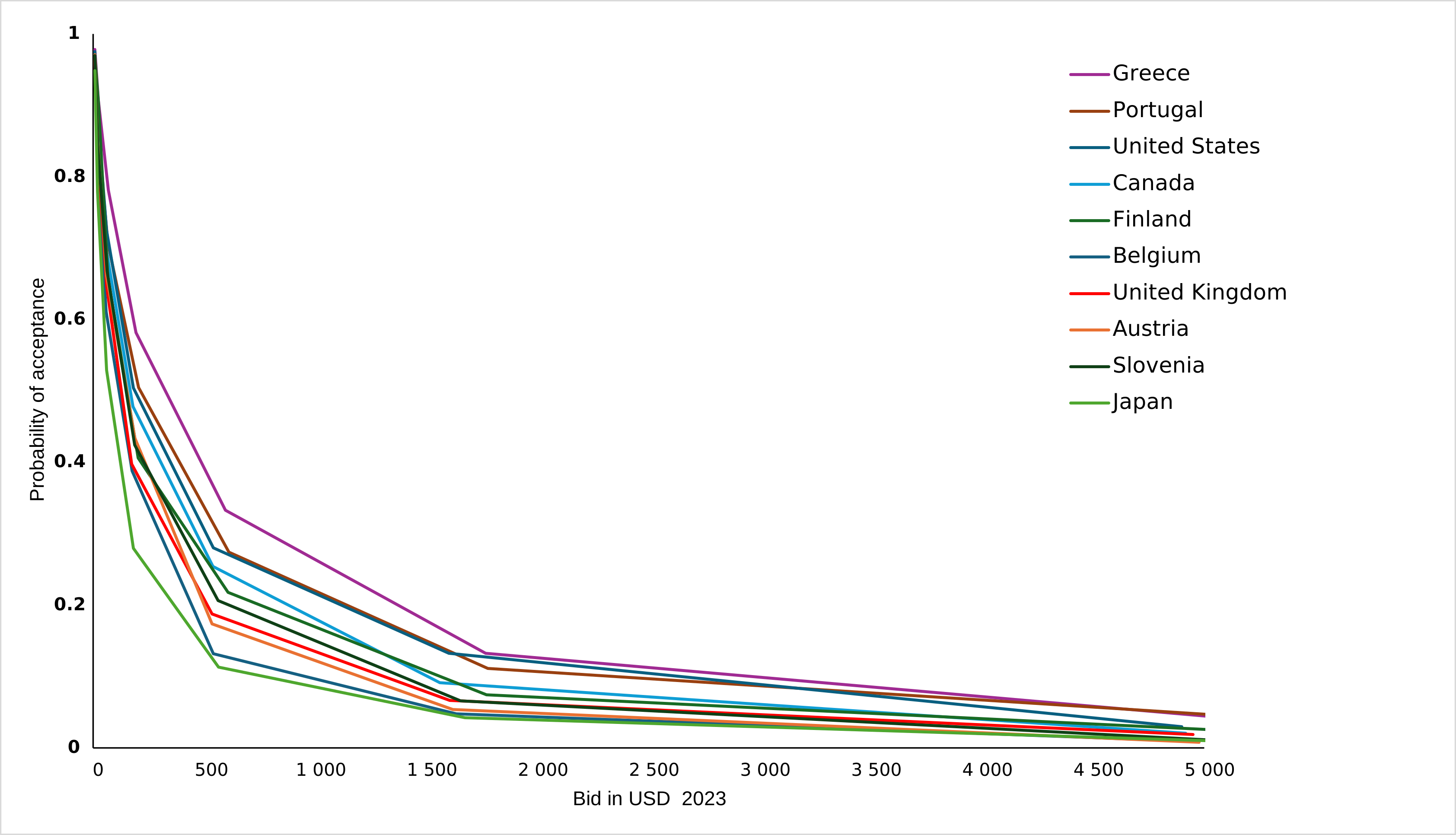
Source: (Hunt et al., 2026[6])
Baseline risk, i.e. the initial risk of developing a given health outcome attributed to respondents at the beginning of the valuation scenario, most often assigned according to epidemiological characteristics matching the respondent’s state, does not systematically influence choices across the ten health endpoints. Baseline risk is found to be positively associated with WTP in the infertility, child IQ loss and asthma severity studies, negatively associated in the hypertension study, and not statistically significant in the other studies. These contrasting results are consistent with empirical evidence from the economics literature on the valuation of health effects, which shows that WTP for a reduction in morbidity risk can be positively, negatively related or not related at all to baseline risk (Wolff, Larsson and Svensson, 2020[13]; Gerking et al., 2017[12]).
The effects of gender, education and experience with the disease vary across the ten health outcomes. Being female is, in most surveys, negatively associated with the probability of choosing the reduced-risk option, indicating a lower willingness-to-pay relative to the male sample. For instance, it is associated with a 20% reduction in WTP in the adult asthma study. One possible explanation for the lower WTP among women is that the analysis controls for household income but does not capture income disparities within the household. Furthermore, lower WTP estimates among women are in line with evidence from other stated‑preference studies where women report lower WTP than men, even after controlling for income (Wolff, Larsson and Svensson, 2020[13]; Ternent et al., 2010[14]).
Familiarity with the experience of the disease increases respondents’ WTP in the hypertension, chronic kidney disease, and asthma severity studies, and decreases it in the skin sensitisation study. For example, individuals with a family history of hypertension are willing to pay 45% more than individuals without such a genetic condition in their family. The miscarriage study reveals a more nuanced pattern: having a relative who has experienced a miscarriage decreases WTP by 18%, whereas having personal experience with miscarriage increases WTP by 21%. In the skin sensitisation study, respondents already diagnosed have a significantly lower WTP across all outcomes (flare-up duration, severity, and location) than those without a diagnosis.
Respondents with a higher level of education exhibit higher WTP in the hypertension, underactive thyroid, adult asthma severity, non-fatal cancer, very low birth weight, IQ loss in children and skin sensitisation studies. In the IQ loss survey, highly educated respondents are willing to pay 55% more compared to other respondents.
Additional variables also matter in specific studies: in the miscarriage study, practising a religion raises WTP by 37%. In the non-fatal cancer and very low birth weight surveys, respondents living in urban areas are willing to pay more than other respondents.
Across all endpoints, the cost of the reduced-risk option is the variable with the highest effect on WTP, often followed by the size of the risk reduction or income. For example, the very low birth weight survey reveals that the most significant determinants of WTP are the cost of the reduced-risk option, followed by income, having more than three children, and living in an urban area (all increasing WTP).
Other variables such as age, self-perceived health status above or below average, employment status, number of children in the household, and whether respondents had been diagnosed with COVID-19 were controlled for in the regressions conducted in some working papers but were found not to be significant determinants of WTP.
3.1.2. Example of a psychological and societal determinant
The results of the first two rounds of Surveys on Willingness-to-pay to Avoid negative Chemicals-related Health Effects (SWACHE) provide some evidence that factors beyond those controlled for in the regressions discussed above may play an important role. One example is an apparent child premium in the valuation of asthma with respondents being willing to pay significantly more to reduce the risk and severity of asthma for their child than for themselves.
Policymakers tend to be more concerned about risks faced by children than those faced by adults, as reflected in stricter laws and regulations that apply when children are involved (OECD, 2006[15]; OECD, 2025[11]). The results from the asthma study appear to confirm this intuition: individuals are willing to pay more to protect their children than themselves.
Figure 3.2 shows the differences in mean annual WTP over ten years for a one-step reduction in adult and childhood asthma across countries. The WTP is systematically higher for childhood asthma. The most striking example is in the United States, where the WTP for moderate asthma in children (USD 1 440) is more than twice that for adults (USD 670).

Note: Asthmatic adults were asked about their WTP for themselves, while parents of asthmatic children were asked about their WTP for their children. The valuation scenarios were similar.
Source: Authors’ own elaboration based on (Appéré et al., 2023[1]).
The findings of the asthma study align with the literature on the economic valuation of mortality and morbidity risks, which often shows that the value assigned to health risk reductions for children exceeds that for adults. For example, Viscusi, Magat and Huber (1987[16]) analyse willingness-to-pay for reductions in the risk of injury from household pesticide use. They find that parents of young children exhibit higher willingness-to-pay than adults without children, and that risk reductions affecting children are valued more highly than reductions in the other risks considered in the study. Dickie and Gerking (2008[17]) estimate parents’ willingness-to-pay to reduce skin cancer risks from solar radiation exposure, both for their children and for themselves. Their results indicate that parents are willing to pay approximately twice as much to reduce non‑melanoma skin cancer risks for their children as for themselves.
Altruism from parents toward their children can indeed explain these discrepancies. Reflecting one’s concern for the well-being of others, altruism towards one's own children, as well as towards other children or children in general, has been shown to affect individuals’ choice and WTP (Long, 2021[18]; Alberini et al., 2010[19]). Higher valuations for health risk reductions in children may also be explained by the fact that parents know they will be personally affected by their children’s illness, bearing both tangible and intangible costs of illness (OECD, 2006[15]). These considerations can explain why the value of a statistical case (VSC) in the very low birth weight study is the highest among the ten health endpoints. In this survey (Ščasný, Zvěřinová and Dussaux, 2023[8]), respondents planning and with physical capacity to have children were informed of all the negative health consequences that a child born with a very low birth weight could face throughout their lifetime. The risk therefore extends beyond the birth itself and impacts the affected child’s entire life. The findings from the asthma and the very low birth weight studies consolidate the base of empirical evidence that shows that altruism from parents towards their children or hypothetical children is indeed significant.
Although several studies indicate that the values assigned to reducing mortality and morbidity risk in children are higher, the available evidence remains difficult to compare across countries, making it challenging to determine an appropriate “child premium” (OECD, 2025[11]). Similarly, the literature provides mixed and inconclusive evidence regarding a so-called “senior discount”, which refers to the effect of attributing a lower value to mortality risk reductions among older individuals, as would be the case if applying the same value per statistical life-year1 for all individuals in a population regardless of their age (OECD, 2025[11]; Bleichrodt, Crainich and Eeckhoudt, 2003[20]; Kniesner and Viscusi, 2019[21]). Given the lack of consistent evidence on age adjustments for mortality and morbidity valuations, the recommended approach is to use age-specific WTP/VSC estimates when such are available – for example, the estimates derived from the IQ-loss in children and asthma in children studies – and otherwise apply the recommended adult WTP/VSC uniformly across all age groups (Robinson, Hammitt and O’Keeffe, 2019[22]; Robinson et al., 2019[23]; OECD, 2025[11]). Clearly, further empirical research is needed to provide more precise estimates of variation in values across age groups.
Estimates also varied considerably across countries. The analysis therefore included country fixed effects for most health effects to account for unobserved country-specific factors. This “everything else” variable captures country-level factors that influence WTP estimates but are not captured in other parts of the statistical analysis and can capture country-specific factors such as differences in culture, health care systems, and attitudes.
Figure 3.3 displays a count of positive versus negative fixed effects for the SWACHE countries, without accounting for their statistical significance or magnitude. Country fixed effects are shown for all endpoints except asthma severity, skin sensitisation, and non-fatal cancer, for which they were not estimated. This graph provides a high level indication of whether a country, all else equal, tends to value SWACHE health effects higher or lower than its peers. For example, Canada has completed studies for 8 health effects, of which 5 (or 62.5%) showed a negative fixed effect, suggesting that Canada tends to show lower valuations than some other countries (all else equal) but that this effect is not systematic. In contrast, some countries, such as Portugal or Germany show consistently positive or negative fixed effects.
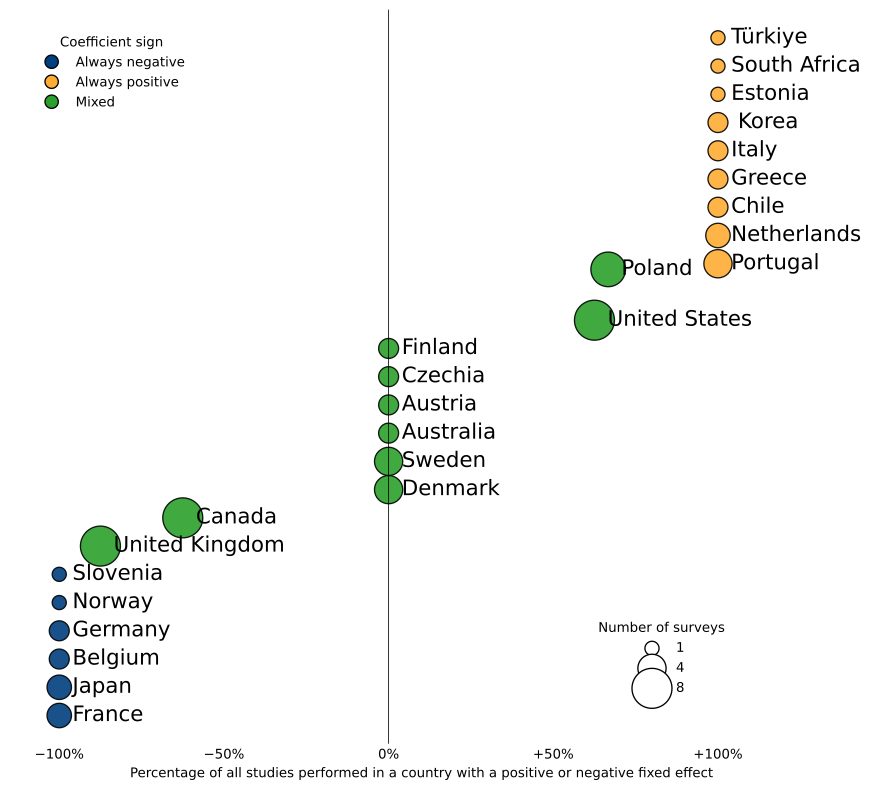
Note: this graph includes all SWACHE health endpoints except asthma severity, skin sensitisation, and non-fatal cancer, for which country fixed effects were not estimated. The results should be interpreted with caution, as the graph considers only the direction (positive or negative sign) of the country fixed effects and does not account for their statistical significance. Furthermore, both the number and composition of surveyed countries vary across health endpoints.
Source: Authors’ own elaboration based on the results of (OECD, 2026[24])
Although the country fixed effects provide a general indication of differences across countries, the underlying detailed factors driving the cross-country differences in WTP remain unexplained. To address this issue, additional variables were explored that could help explain cross-country differences in WTP, including gross domestic product (GDP) per capita, health system effectiveness, medical cost borne by individuals, disease prevalence and attitudes towards chemicals2. For each health endpoint, country-level WTP estimates were compared across these indicators. A summary of this analysis is provided below.
3.2.1. Country-level income and health system effectiveness, costs and satisfaction
Correlation between GDP per capita and WTP shows a positive association with WTP estimates in the non-fatal cancer study, but this relationship is not consistent across other studies. For example, in the case of chronic kidney disease, GDP per capita is negatively correlated with WTP, and in the other studies, the relationship appears weak or non-existent. While preferences for health risk reduction are significantly impacted by personal or household income, as illustrated in Table 3.1 above, they cannot be straightforwardly attributed to a country's national wealth.
Institutional and experiential factors related to healthcare costs, effectiveness and satisfaction can possibly contribute to the variations observed across countries. Country-specific health system effectiveness can be assessed using data on avoidable mortality from preventable and treatable diseases. Avoidable mortality includes deaths from preventable causes that can be avoided through effective public health measures and primary preventive interventions, as well as treatable deaths that could be averted with timely and effective healthcare interventions. Country-specific health system effectiveness can therefore be approximated by mortality rates, calculated as the number of deaths registered in a country in a year divided by the total population (OECD, 2025[25]). Mortality rates in the surveyed countries display a positive relationship with WTP estimates across countries in both the asthma and hypertension studies. In other words, across both surveys, the more effective the health system, the lower the WTP values.
The financial burden of healthcare costs borne by households could also be associated with preferences for health risk reduction across countries. This burden can be approximated by the cost of healthcare carried privately by individuals, including prepayment to voluntary health insurance schemes and direct out-of-pocket payments to healthcare providers.3 For each country, it is measured as the ratio of domestic private health expenditures per capita to mean disposable income. A positive relationship between private health expenditures and WTP estimates is observed in the hypertension, infertility, underactive thyroid and non-fatal cancer surveys. The strongest associations are found in the hypertension and infertility surveys, where higher private health expenditures are associated with higher national WTP estimates. Figure 3.4 illustrates the positive relationship between domestic private health expenditures as share of income and the VSC estimates for each country in the hypertension study. This relationship persists after controlling for countries’ income levels. Furthermore, in the analysis of hypertension, when controlling jointly for health system effectiveness and medical cost burden, the latter exhibits a stronger association with WTP estimates than the former.
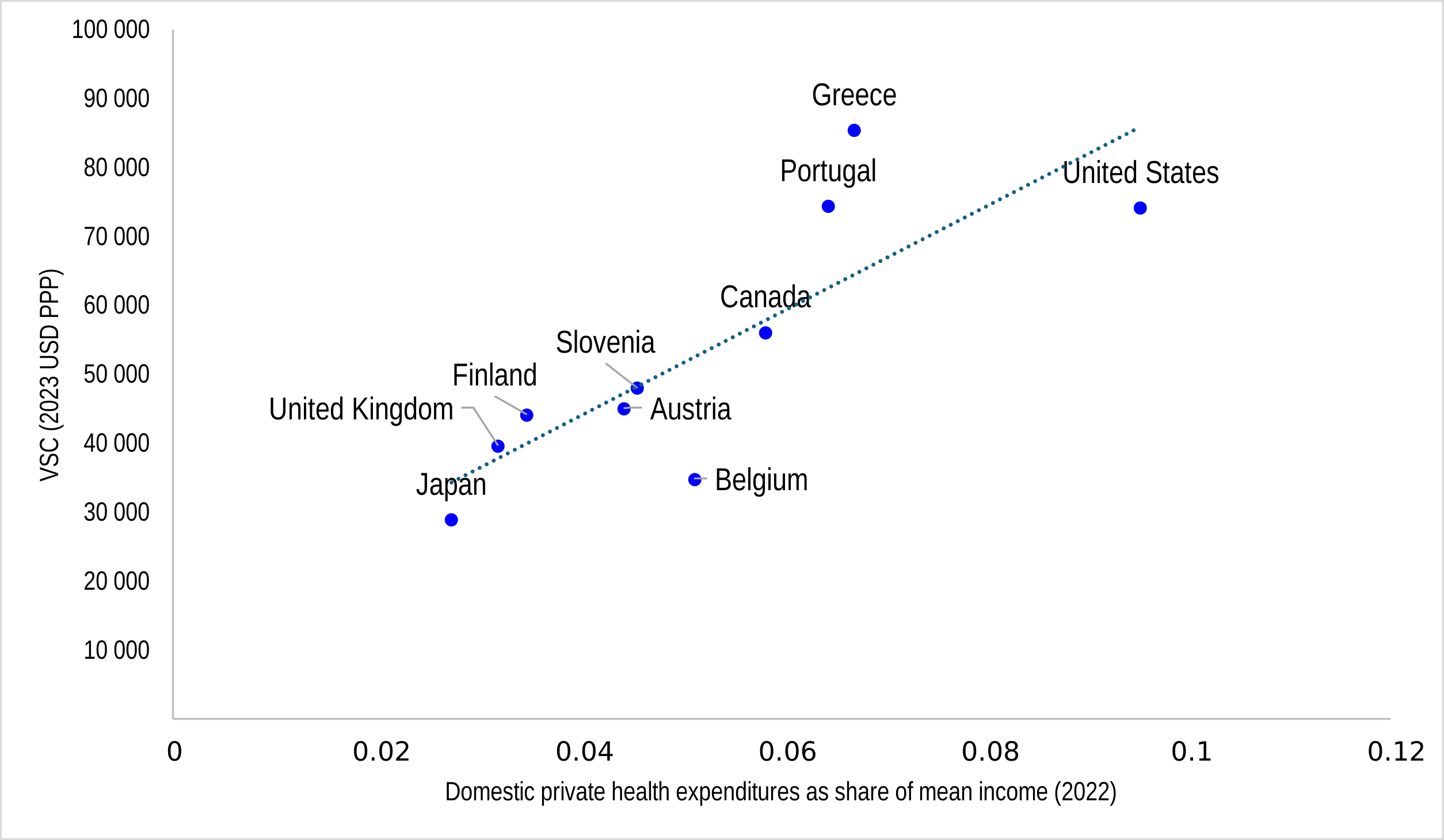
Source: Authors’ own elaboration. Data on domestic private health expenditure per capita come from the World Health Organization Global Health Expenditure database (Global Health Expenditure Database). Data on the mean disposable income come from the OECD dataset Gross disposable income per capita of households (OECD Data Explorer • NAAG Chapter 5: Households). Data from the VSC estimates come from the working paper (Hunt et al., 2026[6])
Correlations between citizen-level satisfaction with healthcare services in their country and WTP estimates were conducted using data from the OECD Surveys on Drivers of Trust in Public Institutions (OECD, 2024[26]). The analysis reveals a negative relationship between the share of respondents satisfied with healthcare systems and WTP estimates in the infertility, non-fatal cancer, miscarriage, underactive thyroid, chronic kidney disease, and hypertension studies. In other words, in these studies, the more satisfied citizens are with the healthcare system, the lower their WTP to avoid the health endpoints.
The correlation between disease prevalence in each country and WTP estimates was also examined using OECD and national statistics data (OECD, 2025[25]), with no apparent relationship found between the two variables. In addition, maternal and infant mortality rates at the country level were analysed for association with WTP estimates in the infertility, very low birth weight and miscarriage survey, without yielding significant results. These results suggest that the importance of a health effect at the country level does not appear to be associated with WTP estimates, in contrast to personal or relative experience of the disease, which sometimes appear to play a significant role, as shown in Table 3.1.
Most likely, differences in WTP estimates reflect a combination of factors operating within each country. For example, in the hypertension survey, the countries reporting the highest WTP estimates, namely Greece, Portugal, and the United States, are also those in which health systems are perceived by the population as less reliable or most costly (Kruk et al., 2024[27]; WHO, 2025[28]). In addition, relatively high rates of hypertension treatment in these countries (72% of the diagnosed population), compared with the other countries surveyed (63% of the diagnosed population), may reflect greater awareness of the disease and available treatment options, which can work as an incentive for higher WTP (WHO, 2025[29]).
3.2.2. Attitudes towards chemicals
Attitudes towards chemicals were also examined to understand cross-country differences. As part of the SWACHE surveys, respondents were asked about their attitudes towards exposure to harmful chemicals and their views on the need for governments and industry to take action to reduce such exposure4 (OECD, 2024[30]). This section presents the results of the correlation analyses, highlighting two attitudes that appear to be associated with cross‑country variation in certain studies, namely awareness of the risks posed by harmful chemicals and the satisfaction with government regulations of chemicals within each country.
As illustrated in Figure 3.5 there is considerable variation among countries in the proportions of respondents who strongly agree with the statement “I am aware of the health risks associated with harmful chemicals”. South Africa (84.3%), Portugal (83%) and Chile (80%) are the countries with the highest percentage of respondents agreeing with the statement, whereas 55.6% of Korean respondents and 64.8% of Danish respondents agree with the statement.
Respondents’ answers to the statement: “I am aware of the health risks associated with harmful chemicals”

Note: the survey results on attitudes presented are predominantly drawn from the general population as gathered from the IQ loss and chronic kidney disease valuation surveys and therefore reflect the responses of the countries surveyed in these studies.
Source: (OECD, 2024[30])
Awareness of the health risks posed by chemicals is positively associated with the WTP estimates in the infertility, adult asthma risk, and underactive thyroid studies. Countries where awareness of chemical risks is higher exhibit higher WTP estimates for these studies. These findings align with the literature on the economic valuation of health effects associated with chemicals exposure, which shows that environmental perceptions play a central role in shaping preferences (Hunter et al., 2012[31]). For example, evidence from recent research indicates that making the link between chemical pollutants and health outcomes is associated with significantly higher WTP values for reducing risks of dementia, stroke, lung cancer, asthma, chronic kidney disease, and type 2 diabetes (Travers et al., 2026[32]).
The perceived efficiency of government regulations of chemicals was also assessed. Respondents were asked to indicate their level of agreement to the sentence “the use of harmful chemicals is sufficiently regulated in my country”. As illustrated in Figure 3.6, opinions on the sufficient stringency of national chemicals regulation vary considerably among countries, with agreement ranging from 22.9% in Korea and 23.6% in Poland to 37.4% in Canada and 37.9% in Australia.
Respondents’ answers to the statement: “The use of harmful chemicals is sufficiently regulated in my country”

Note: survey results on attitudes presented are predominantly drawn from the general population as gathered from the IQ loss and chronic kidney disease valuation surveys and therefore reflect the responses of the countries surveyed in these studies.
Source: (OECD, 2024[30])
In the studies on adult asthma risk and IQ loss in children, respondents who felt that their government’s management of chemicals was insufficient also exhibited higher WTP. As illustrated in Figure 3.7, lower WTP estimates are observed in countries where respondents report greater satisfaction with the adequacy of government regulation of chemicals, such as South Africa and Australia. Conversely, higher WTP estimates are observed in countries where respondents perceive that harmful chemicals are not sufficiently regulated.
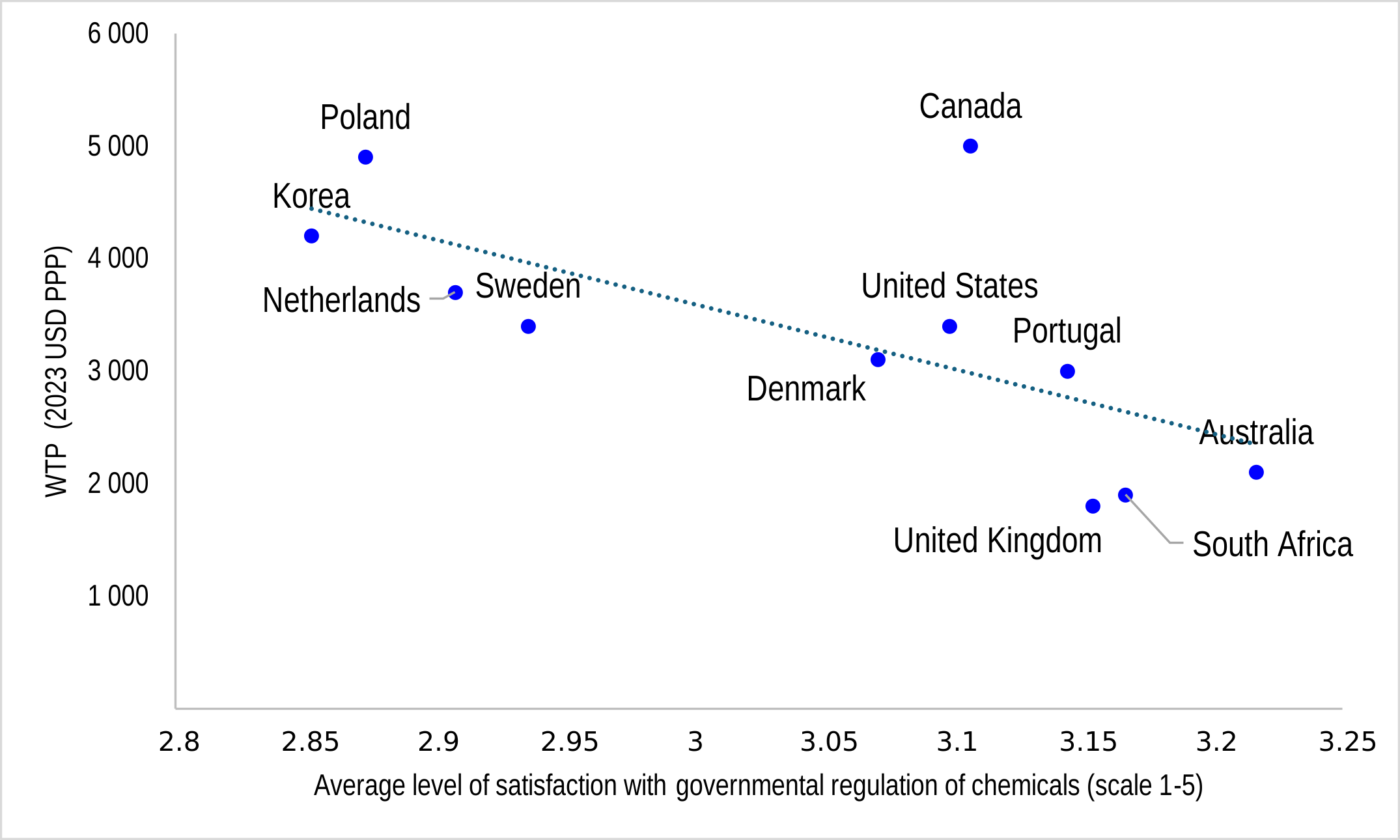
Note: WTP estimates over five years.
Source: Authors’ own elaboration based on (OECD, 2024[30]; Mourato et al., 2023[7])
3.2.3. Perceptions of disease and risk
Cultural and traditional factors might shape how individuals perceive and value different health effects. For instance, country-specific perceptions of risk and disease can contribute to differences in WTP across countries. While perceptions of disease are difficult to quantify consistently across countries, certain factors can provide explanatory elements.
The VSC observed in the miscarriage study for Korea may reflect the country’s exceptionally low fertility rate and one of the highest average ages for first-time mothers in the world (Dockins et al., 2026[10]). These demographics and cultural characteristics suggest a systematic difference in how miscarriage risks are viewed in Korea relative to other surveyed countries. A second illustration comes from the IQ loss survey which reveals that WTP to avoid IQ loss is negatively associated with the share of government expenditure dedicated to education. One possible interpretation is that IQ-related risks may be perceived as less concerning in contexts where substantial public resources are allocated to education, possibly because the education system is viewed as mitigating or offsetting such losses (Mourato et al., 2023[7]).
While the analysis in this section did not identify additional variables that are consistently associated with differences in WTP estimates, it suggests that a combination of factors may contribute to variations in values across countries. Future work could further explore these factors through harmonised debriefing questions in the surveys, while maintaining consistency to ensure comparability across the entire project.
References
[9] Ahtiainen, H. et al. (2026), “Valuing a reduction in the risk of an underactive thyroid: A large-scale multi-country stated preference approach”, OECD Environment Working Papers, No. 272, OECD Publishing, Paris, https://doi.org/10.1787/4af8f3aa-en.
[19] Alberini, A. et al. (2010), Valuation of Environment-Related Health Risks for Children, OECD Publishing, Paris, https://doi.org/10.1787/9789264038042-en.
[1] Appéré, G. et al. (2023), “Valuing a reduction in the risk and severity of asthma: A large scale multi-country stated preference approach”, OECD Environment Working Papers, No. 218, OECD Publishing, Paris, https://doi.org/10.1787/f289d29e-en.
[20] Bleichrodt, H., D. Crainich and L. Eeckhoudt (2003), “Comorbidities and the willingness to pay for health improvements”, Journal of Public Economics, Vol. 87/11, pp. 2399-2406, https://doi.org/10.1016/s0047-2727(02)00047-6.
[2] Contu, D. et al. (2026), “Valuing a reduction in the risk of skin sensitisation: A large-scale multi-country stated preference approach”, OECD Environment Working Papers, No. 277, OECD Publishing, Paris, https://doi.org/10.1787/fc305de9-en.
[17] Dickie, M. and S. Gerking (2008), “Family Behavior: Implications for Health Benefits Transfer from Adults to Children”, Environmental and Resource Economics, Vol. 43/1, pp. 31-43, https://doi.org/10.1007/s10640-008-9229-5.
[10] Dockins, C. et al. (2026), “Valuing a reduction in the risk of miscarriage: A large-scale multi-country stated preference approach”, OECD Environment Working Papers, No. 271, OECD Publishing, Paris, https://doi.org/10.1787/23bb6643-en.
[3] Dockins, C. et al. (2023), “Valuing a reduction in the risk of chronic kidney disease: A large scale multi-country stated preference approach”, OECD Environment Working Papers, No. 216, OECD Publishing, Paris, https://doi.org/10.1787/9c93138f-en.
[4] Dussaux, D. et al. (2023), “Valuing a reduction in the risk of infertility: A large scale multi-country stated preference approach”, OECD Environment Working Papers, No. 215, OECD Publishing, Paris, https://doi.org/10.1787/7242509f-en.
[12] Gerking, S. et al. (2017), “Baseline risk and marginal willingness to pay for health risk reduction”, Journal of Risk and Uncertainty, Vol. 55/2-3, pp. 177-202, https://doi.org/10.1007/s11166-017-9267-x.
[5] Herrera-Araujo, D. et al. (2026), “Valuing a reduction in the risk of non-fatal cancer: A large-scale multi-country stated preference approach”, OECD Environment Working Papers, No. 274, OECD Publishing, Paris, https://doi.org/10.1787/0345660e-en.
[6] Hunt, A. et al. (2026), “Valuing a reduction in the risk of hypertension: A large-scale multi-country stated preference approach”, OECD Environment Working Papers, No. 270, OECD Publishing, Paris, https://doi.org/10.1787/9da8057a-en.
[31] Hunter, P. et al. (2012), “The effect of risk perception on public preferences and willingness to pay for reductions in the health risks posed by toxic cyanobacterial blooms”, Science of The Total Environment, Vol. 426, pp. 32-44, https://doi.org/10.1016/j.scitotenv.2012.02.017.
[21] Kniesner, T. and W. Viscusi (2019), The Value of a Statistical Life, Oxford University Press, https://doi.org/10.1093/acrefore/9780190625979.013.138.
[27] Kruk, M. et al. (2024), “Population confidence in the health system in 15 countries: results from the first round of the People’s Voice Survey”, The Lancet Global Health, Vol. 12/1, pp. e100-e111, https://doi.org/10.1016/s2214-109x(23)00499-0.
[18] Long, M. (2021), “Altruism and the Statistical Value of Human Life for Policy and Regulation”, Social Indicators Research, Vol. 160/1, pp. 341-355, https://doi.org/10.1007/s11205-021-02784-7.
[7] Mourato, S. et al. (2023), “Valuing the avoidance of IQ losses in children: A large scale multi-country stated preference approach”, OECD Environment Working Papers, No. 219, OECD Publishing, Paris, https://doi.org/10.1787/71574eb4-en.
[24] OECD (2026), Benefit transfer of willingness-to-pay estimates for avoiding negative chemicals-related health effects, OECD Publishing, Paris, https://doi.org/10.1787/f11379a0-en.
[25] OECD (2025), Health at a Glance 2025: OECD Indicators, OECD Publishing, Paris, https://doi.org/10.1787/8f9e3f98-en.
[11] OECD (2025), Mortality Risk Valuation in Policy Assessment: A Global Meta-Analysis of Value of Statistical Life Studies, OECD Publishing, Paris, https://doi.org/10.1787/76ca89a2-en.
[30] OECD (2024), Insights on “Attitudes towards chemicals”: From the Surveys on Willingness-to-Pay to Avoid Negative Chemicals-Related Health Impacts (SWACHE) Project, OECD Series on Risk Management of Chemicals, OECD Publishing, Paris, https://doi.org/10.1787/4f98a0e7-en.
[26] OECD (2024), OECD Survey on Drivers of Trust in Public Institutions – 2024 Results: Building Trust in a Complex Policy Environment, OECD Publishing, Paris, https://doi.org/10.1787/9a20554b-en.
[15] OECD (2006), Economic Valuation of Environmental Health Risks to Children, OECD Publishing, Paris, https://doi.org/10.1787/9789264013988-en.
[22] Robinson, L., J. Hammitt and L. O’Keeffe (2019), “Valuing Mortality Risk Reductions in Global Benefit-Cost Analysis”, Journal of Benefit-Cost Analysis, Vol. 10/S1, pp. 15-50, https://doi.org/10.1017/bca.2018.26.
[23] Robinson, L. et al. (2019), “Valuing Children’s Fatality Risk Reductions”, Journal of Benefit-Cost Analysis, Vol. 10/2, pp. 156-177, https://doi.org/10.1017/bca.2019.10.
[8] Ščasný, M., I. Zvěřinová and D. Dussaux (2023), “Valuing a reduction in the risk of very low birth weight: A large scale multi-country stated preference approach”, OECD Environment Working Papers, No. 217, OECD Publishing, Paris, https://doi.org/10.1787/dfd159a1-en.
[14] Ternent, L. et al. (2010), “Willingness to Pay for Maternal Health Outcomes”, Applied Health Economics and Health Policy, Vol. 8/2, pp. 99-109, https://doi.org/10.2165/11313960-000000000-00000.
[32] Travers, M. et al. (2026), Policy brief on the WTP to reduce risks arising from a multi-exposure on key VALESOR health endpoints, https://valesor.eu/download/18.9ea4e0e19c47c9d0a82b0d0/1771840198643/WTP-to-reduce-risks-arising-from-a-multi-exposure-on-key-VALESOR-health-endpoints.pdf.
[16] Viscusi, W., W. Magat and J. Huber (1987), “An Investigation of the Rationality of Consumer Valuations of Multiple Health Risks”, The RAND Journal of Economics, Vol. 18/4, p. 465, https://doi.org/10.2307/2555636.
[28] WHO (2025), Global Health Expenditure Database, World Health Organization, https://apps.who.int/nha/database/.
[29] WHO (2025), Hypertension, World Health Organization, https://www.who.int/news-room/fact-sheets/detail/hypertension.
[13] Wolff, E., S. Larsson and M. Svensson (2020), “Willingness to Pay for Health Improvements Using Stated Preferences: Prevention Versus Treatment”, Value in Health, Vol. 23/10, pp. 1384-1390, https://doi.org/10.1016/j.jval.2020.06.008.
← 1. The value of a statistical life year is an estimate of the value society places on a statistical life-year – i.e. an aggregated value of reducing mortality risk for a period of one year.
← 2. Except for the attitude‑towards‑chemicals variables drawn from the IQ loss and kidney surveys (OECD, 2024[30]), the additional variables examined in this report are not derived from the SWACHE surveys but come from other sources, such as (OECD, 2025[25]). Correlation analyses were performed to examine the relationships between these variables and the WTP values.
← 3. The burden of health expenditures can also be measured as the share of household out‑of‑pocket payments in total health expenditures at the country level (see OECD Data Explorer • Health expenditure and financing). A positive relationship between the share of household out-of-pocket health expenditures and WTP estimates is observed in the hypertension, infertility, underactive thyroid, non-fatal cancer and chronic kidney surveys, where higher shares of household out‑of‑pocket expenditures relative to total health expenditure are associated with higher national WTP estimates
← 4. The survey results on attitudes presented are predominantly drawn from the general population, as gathered from the IQ loss and chronic kidney disease valuation surveys.