This introductory chapter provides a comparative overview of Peru’s education and skills system, examining trends in access, outcomes and equity and outlining the country’s economic and institutional context. It sets the foundation for the analysis that follows, highlighting how strengthening education and skills policies will be essential to advancing inclusive development.
Education and Skills in Peru

Abstract
Peru has achieved one of the highest economic growth rates in the region over the past two decades. Reforms in the 1990s opened up the economy, attracted foreign investment, and boosted key sectors such as mining, agriculture, and tourism. This growth was accompanied by impressive social progress, with the poverty rate halving over the same period. However, if Peru is to sustain these trends, government policy will need to tackle the structural weaknesses that currently act as breaks on development, including declining labour productivity and one of the highest levels of informality in Latin America. This makes the subject of this review – how to strengthen education and skills policies in Peru – central. At present, access to quality education and training in Peru is uneven, and socio-economic background strongly shapes individual opportunities. In a context where seven out of ten workers are in the informal jobs, creating a stronger, more equitable education and skills system is one of the most important policy levers to propel progress towards OECD standards of prosperity.
This Part of the accession review evaluates Peru’s policies and practices as compared with OECD best policies and practices in the field of education and skills. It offers recommendations on how Peru can learn from OECD evidence and experience to enhance the role of education and skills in inclusive development. The next four chapters examine policies that could help Peru come closer to OECD benchmarks of quality, equity, and good governance across the core domains of: early childhood education and care (ECEC); schooling; tertiary education; and lifelong learning and skills. This introductory chapter provides context and background for the analysis and recommendations that follow. It recognises the important strides Peru has made in expanding its education and skills system, which has resulted in rising participation and the highest tertiary attainment rates in Latin America. The chapter also highlights the steps the government is taking to improve the quality and relevance of education and training. These steps are critical for enhancing learning outcomes, which currently lag OECD levels of achievement, and for developing the skills needed for more productive employment and higher levels of income.
Socio-economic and political context
Peru has experienced rapid economic growth and significant social progress
Peru has grown faster than any other major Latin American economy in recent decades, averaging 4.1% of annual GDP growth between 2000 and 2024 (see Figure 2.1). Structural reforms in the 1990s helped open up the economy, stimulate foreign investment and develop key sectors such as mining, agriculture and tourism. Higher commodity prices in the 2000s further boosted economic activity by increasing revenues from Peru’s vast mineral resources, attracting investment and infrastructure development (OECD, 2023[1]).
This period of economic expansion was marked by significant social progress. Poverty fell sharply from 64% in 2004 to 38% in 2023, and income inequalities decreased, largely driven by the emergence of a new middle class (World Bank, 2024[2]). During this period, social assistance programmes were also introduced to improve living standards. Notably, the national conditional cash transfer scheme Juntos has been associated with positive education and health outcomes among its beneficiaries, though the level of coverage and financial support remain limited (Ministry of Development and Social Inclusion of Peru, 2018[3]; OECD, 2025[4]).

Note: In Panel A, OECD-LAC refers to the unweighted average of Chile, Colombia, Costa Rica and Mexico. In Panel B, poverty headcount ratio measures the percentage of population living on less than $8.30 per day, adjusted for purchasing power parity (PPP) in 2021 dollars.
Source: World Bank (2024[5]), GDP growth (annual %), https://data.worldbank.org/indicator/NY.GDP.MKTP.KD.ZG?end=2024&start=2000 (accessed 28 August 2025); and, World Bank (2024[2]) Poverty headcount ratio at $8.30 a day (2021 PPP) (% of population), https://data.worldbank.org/indicator/SI.POV.UMIC?most_recent_value_desc=true (accessed 03 September 2025).
However, progress has slowed in the face of external shocks and structural vulnerabilities, including very high labour market informality
Economic growth and poverty reduction have slowed over the last decade, largely in response to lower commodity prices, higher volatility in global financial markets and frequent natural disasters. This slowdown turned into a sharp reversal with the COVID-19 pandemic, with Peru experiencing one of the most severe economic and social impacts globally. In 2020, GDP contracted by 11%, and poverty rose by a record 15% in a single year (see Figure 2.1).
These external shocks have exposed some of Peru’s structural vulnerabilities, including heavy reliance on primary goods and commodities, declining labour productivity, and high labour market informality. Peru has one of the highest levels of informality in Latin America, with 72% of workers in informal jobs in 2024 (see Figure 2.2). Informality refers to employment and business activities that fall outside the scope of labour regulations, taxation, or social protection. A complex regulatory environment and the structure of non-wage labour costs encourage firms to favour informal contracts.1 Informality also stems from a mismatch of study programmes with labour market needs and the limited availability of quality vocational training and adult education (OECD, 2023[1]; INEI, 2025[6]; OECD, 2025[4]).
Although informality is widespread, it is particularly prevalent among low-income groups, in rural areas and among women (see Figure 2.2). Indigenous people (89%), Afro-Peruvians (82%) and Venezuelan migrants (94%) are also much more likely to hold informal jobs relative to the general population (OECD, 2023[1]). Informal employment is also common in Peru’s extensive network of micro, small, and medium enterprises (MSMEs). MSMEs accounts for 99.5% of all businesses, and 86% operate informally (COMEXPERU, 2024[7]). They coexist with a small number of large formal firms, primarily in mining, manufacturing, and finance. Beyond limiting access to social protection, informality curtails opportunities for skills development through on-the-job training and reduces workers’ productivity and wages.
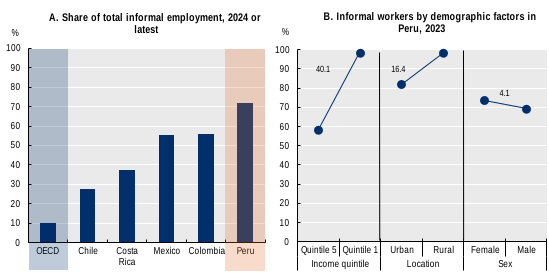
Note: In Panel A, OECD refers to the unweighted average of the 38 OECD country members in 2024. Data is missing for Denmark, Germany, Iceland, Korea and United Kingdom. For Mexico, 2025 data is used, and Switzerland, 2023 data. In Panel B, demographic characteristics are ranked from largest to smallest percentage difference. Quintile 5 represents the richest 20%, while Quintile 1 represents the poorest 20%.
Source: ILOSTAT (2025[8]), Informal employment rate, https://ilostat.ilo.org/topics/informality/ (accessed 28 August 2025); and, INEI (2025[6]), Producción y empleo informal en el Perú Cuenta satélite de la economía informal 2022 – 2023, [Production and Informal Employment in Peru, Informal Economy Satellite Account 2022-2023], https://cdn.www.gob.pe/uploads/document/file/7448702/6344108-produccion-y-empleo-informal-en-el-peru-cuenta-satelite-de-la-economia-informal-2022-2023.pdf?v=1735913240
Peru is a country with rich ethnic and linguistic diversity
Peru is one of the most ethnically and linguistically diverse countries in the world. According to the 2017 census, mestizos – people with mixed indigenous and European ancestry – make up 60% of the population. The largest indigenous groups are the Quechua (20%) and Aymara (5%). Peruvians of primarily European descent account for 6% of the population, and Afro-Peruvians represent 4% (INEI, 2018[9]). A total of 47 languages are spoken throughout the country. Spanish is the first language for 83% of Peruvians, while nearly 17% speak an indigenous language as their mother tongue (INEI, 2024[10]).
Ethnic background remains closely linked to socio-economic status. In 2023, 35% of those who spoke an indigenous language as their first language lived in poverty, compared to 27% of Spanish speakers (INEI, 2024[10]). Many indigenous people continue to face barriers in accessing public services. In 2017, only 24% of indigenous communities had secondary schools and 32% had health facilities (INEI, 2018[9]). These gaps vary across the country and are particularly pronounced in rural areas (INEI, 2024[10]).
Population movement and ageing are reshaping education and training needs
Peru’s population is still growing, but at a slowing pace. In 2024, it reached over 34 million, double the size of the 1980s, and is projected to exceed 39 million by 2050 (INEI, 2024[10]). In recent years, migration has significantly contributed to population growth, with nearly 1.4 million Venezuelans now living in Peru (OECD, 2023[1]). Despite this influx, the country’s demographic dividend is shrinking. As fertility rates fall and the population ages, projections show the dependency ratio (dependents per 100 working-age people) rising from 60 in 2020 to almost 70 in 2045, and to 80 by 2065 (INEI, 2020[11]).
Demographic trends vary significantly across regions in Peru. The most densely populated areas, particularly the Costa region2, home to 60% of the population, are more likely to experience population ageing in the coming years. While the replacement rate is 1.4 in Lima Metropolitana, it reaches 3 in Amazonas (INEI, 2024[10]). These shifting demographic trends will require adjustments to the provision of education and training, from restructuring institutional capacity to investing more in adult learning (Guadalupe and Rivera, 2020[12]).
Political instability and the absence of a strong civil service career create barriers for long-term policy planning and implementation
Since 2016, Peru has faced a prolonged political crisis, characterised by frequent changes in the presidency, congress and ministries. During the nine-year period to 2025, the country has seen seven different presidents and seventeen Ministers of Education, with turnover in the education ministry accelerating since 2020. High turnover in leadership has not only impacted the continuity of policy reforms, but also the stability of technical teams. Close to half (46%) of all government officials are hired on short-term ad-hoc administrative service contracts (CAS), often used for political appointments or “positions of trust” (OECD, 2023[1]).
In an effort to build a more stable and professional civil service, Peru has introduced reforms to strengthen public sector careers. For instance, recent legislation established measures to improve job security and minimum academic and experience requirements for positions of trust (National Civil Service Authority of Peru, 2022[13]; Congress of the Republic of Peru, 2021[14]). However, the broader 2013 reform (Reforma del Servicio Civil Peruano), which aimed at creating a structured, merit-based public sector career has progressed slowly. Key measures, such as open, merit-based recruitment and clear career pathways for government employees, remain largely unrealised. A decade after the reform, only about 0.2% of civil servants have transitioned to the new regime (OECD, 2023[1]). There is renewed commitment to advancing the reform, but full implementation will require sustained political commitment and coordination across all levels of government (OECD, 2025[4]). An exception to this slow progress is the education sector, where a comprehensive reform introduced in 2012 established open and merit-based selection processes for public positions in local education authorities (Unidades de Gestión Educativa Local, UGELs), as well as for principals and teachers in public schools (see below).
Peru’s decentralisation process has expanded the role of regional and local governments, but further efforts are needed to strengthen subnational capacity and reduce regional disparities
Peru’s unitary state has gradually transferred certain responsibilities to regional and local governments as part of a broader decentralisation process. The country has a two-tier subnational system, with 25 regional departments, and at the local level, 196 provincial municipalities and 1 695 district municipalities, with provincial municipalities playing a coordination role across district municipalities (Ministry of Education of Peru, 2024[15]). In the early 2000s, the country began the process of political and fiscal decentralisation aimed at improving public services and reducing regional disparities. The rationale was that subnational governments would be better positioned to understand and address local needs. As part of this process, regional governments took on new responsibilities for social and infrastructure programmes, as well as for basic public services like education and healthcare. Public expenditure was also decentralised, with a large share of national funds allocated through regions. For instance, in 2022, regions were responsible for spending half of the public budget on education and a similar percentage for health (COMEXPERU, 2022[16]). Municipalities play a key role in local development by managing local services and infrastructure, including the construction and maintenance of roads, schools, health centres, and other public facilities.

Note: In Panel A, Foncomun is a municipal compensation fund with a redistributive criterion in favour of the most remote and depressed areas, prioritising the allocation to the country's rural and marginal urban localities. The components of unsatisfied basic needs are quality of the house, non-overcrowding of the house, access to sanitary services, school attendance and economic dependency. In Panel B, three basic services refer to services connected to the public network of drinking water, sewage and electricity.
Source: OECD (2023[1]), OECD Economic Surveys: Peru 2023, https://doi.org/10.1787/081e0906-en; and, Ministry of Education of Peru (2023[17]), Acceso a los servicios básicos en los locales educativos de educación básica [Access to basic services in basic education educational premises], https://repositorio.minedu.gob.pe/handle/20.500.12799/9256.
However, the decentralisation process has not been accompanied by sufficient investment in subnational capacity, accountability mechanisms or effective redistribution policies, contributing to marked regional disparities. Regional and municipal governments have limited revenue-raising powers and often struggle with weak technical capacity to execute investment and lead territorial planning (OECD, 2025[4]). Corruption at the regional level, and especially at the municipal level, further undermines the effective use of public resources (Office of the Comptroller General of the Republic of Peru, 2024[18]). Meanwhile, redistribution policies to support poorer regions are underdeveloped. Notably, neither ordinary central transfers nor canon and royalties – which are additional central government transfers that distribute revenue from the exploitation of natural resources to subnational governments – seem to be determined on the basis of regional needs (see Figure 2.3). This results in significant regional disparities, contributing to unequal access to basic services – including a considerable difference in the quality of public infrastructure (see Figure 2.3).
Peru’s long-term development plan highlights OECD accession and investment in education and skills as key drivers of inclusive growth
Peru’s strategic vision for inclusive and sustainable development is anchored in the National Strategic Development Plan to 2050 (Plan Estratégico de Desarrollo Nacional al 2050, PEDN), which sets out long-term ambitions to reduce poverty, boost productivity, and increase formal employment. It explicitly aims to bring Peru into line with the United Nations’ Sustainable Development Goals (SDGs) and OECD standards. Central to this vision is the goal of ensuring high-quality education and training services that are culturally relevant and enable individuals to fully develop and use their capabilities. Peru recognises OECD accession as a strategic lever to strengthen public policy and accelerate reforms, including in education and skills (CEPLAN, 2015[19]). Key strategies to advance this agenda, particularly to enhance the quality and labour market relevance of education and training, include the Multiannual Sectoral Strategic Plan for 2030 (Plan Estratégico Sectorial Multianual, PESEM) and the National Education Project 2036 (Proyecto Educativo Nacional, PEN).
Structure of education
Figure 2.4 illustrates how Peru’s education and skills system is organised and structured in relation to the main levels of the International Standard Classification of Education (ISCED). Basic education (educación básica) includes early childhood education and care (educación inicial), primary education (educación primaria) and secondary education (educación secundaria), and is compulsory from the age of 3 and up to the age of 16 (Grade 11). Several OECD countries, including Mexico in Latin America, have also lowered the compulsory starting age to include pre-primary education, and none require it before this age (OECD, 2024[20]).
Early childhood education and care (ECEC) is offered in both formal and non-formal settings in Peru. Formal providers include nurseries (cunas) for children aged 0-3 and kindergartners (jardines) for children aged 3-5, with some centres (cuna-jardines) offering both services. While pre-primary education (ISCED 02) is primarily delivered in formal settings, early childhood education and development for younger children (ISCED 01) is mainly provided in non-formal settings, known as Programa No Escolarizado de Educación Inicial (PRONOEI). PRONOEI serve children under the age of 6 who do not have access to formal ECEC services, particularly in rural and peripheral urban areas.
In Peru, primary and secondary education are generally provided in separate schools. Most secondary schools offer both lower and upper-secondary education and follow a single general academic track. Opportunities to pursue more applied upper-secondary pathways remain limited. A small number of secondary schools offer a technical track (secundaria técnica) starting from lower secondary through to upper-secondary education. This track allows students to dedicate more hours to technical training in a specialised field. At the end of each grade, students obtain a modular certificate, and upon completion of secondary, they receive a technical specialisation certificate alongside their secondary education diploma, allowing them to transition to vocational education at ISCED 4 level, tertiary education or employment. In 2024, 655 schools nationwide offered secundaria técnica, enrolling 11% of Peru’s 2.91 million secondary students (Ministry of Education of Peru, 2024[15]). Students can also pursue technical education at ISCED 3 and 4 levels in Technical-Productive Education Centres (Centros de Educación Técnico-Productiva, CETPROs). In 2024, participation in CETPROs was slightly lower (219,744 students) than in secondary schools with a technical track (332,639 students) (Ministry of Education of Peru, 2024[15]). Even though they are managed by the Ministry of Education, CETPROs are not considered part of the school system, and do not offer a clear pathway to tertiary education.
Tertiary education institutions in Peru include universities (universidades) that offer bachelor’s, master’s and doctoral study programmes (ISCED 6-8) as well as professionally-oriented education institutions (escuelas o institutos de educación superior) that offer technological, pedagogical or artistic programmes (ISCED 5-6). Most tertiary students in Peru (71%) enrol in university education (INEI, 2024[21]). While university degrees offer an academic and research-oriented approach, non-university programmes focus on specific technical or professional training in applied areas. Within the non-university tertiary sector, a small number of renowned sectoral schools have been established by industries such as manufacturing, construction, and tourism, ensuring that graduates develop industry-specific skills aligned with labour market needs. The remaining non-sectoral public and private institutions offer a wide range of programmes which tend to include less work-based learning and have weaker links with employers (OECD, 2023[1]).

Note: Compulsory education in blue.
Source: Authors' own work.
Private education and training have expanded rapidly, driven by growing demand and a regulatory environment that promoted the rise of independent, for-profit providers
Over the past three decades, private provision of education and training has expanded rapidly in Peru (see Figure 2.5). The surge in private provision began with legislation in 1996 that encouraged for-profit private provision, supported by tax incentives and simplified authorisation processes (Ministry of Education of Peru, 1996[22]). Other factors, such as the expansion of middle-class families willing to invest in their children’s education, also contributed to this trend (Elacqua, Iribarren and Santos, 2018[23]). This shift was partly a pragmatic response to growing demand, and the implicit assumption that the public sector alone could not meet rising needs, particularly in urban areas. It also reflected government willingness to allow education to develop as a profitable business. However, there was no clear public debate about the long-term vision for the role of private provision or how it would complement public education to ensure universal, high-quality access (Saavedra, 2023[24]).
While high private enrolment is common in many other OECD-LAC countries3, Peru differs in that most private enrolments are in independent institutions that rely entirely on tuition fees and private contributions, rather than government-dependent private providers. In 2023, 26% of primary and lower secondary students were enrolled in independent private schools – the highest share compared to all OECD countries (see Figure 2.5). Independent private provision is even more prevalent at the tertiary level. Around 95% of short-cycle tertiary students, 67% of bachelor students and 77% of master students are enrolled in independent private institutions. This is far above the OECD average of 24% for short-cycle tertiary and 20% for bachelor’s and master’s programmes (OECD, 2023[25]).

Source: UIS (2023[26]), Percentage of enrolment in private institutions, https://databrowser.uis.unesco.org/browser (accessed 6 October 2025); and, OECD (2023[25]), Distribution of enrolled students and graduates by type of institution, https://data-explorer.oecd.org/s/2yx (accessed 6 October 2025).
School education comprises a variety of provider types and flexible models to support access and learning for marginalised learners
Basic education in Peru (ECEC, primary and secondary) includes a variety of provider types and alternative models to support learners with limited access to education, indigenous language speakers or students with special needs. In addition to schools offering regular basic education (Educación Basica Regular, EBR), there are schools offering intercultural and bilingual education (Educación Intercultural Bilingüe, EIB), special basic education (Educación Básica Especial, EBE) and alternative basic education for those over 14 years old (Educación Básica Alternativa, EBA).
Peru has also introduced organisational and pedagogical adaptations to address specific challenges faced in urban and rural settings. Like other countries in the region, Peru introduced a Whole School Day policy (Jornada Escolar Completa, JEC) to improve student outcomes in secondary schools. JEC eliminates double shifts to extend instructional time from 35 to 45 hours per week, and provides schools with equipment, technology, and support staff. A quasi-experimental impact evaluation found that JEC positively impacted student performance in mathematics and reading, fostered socio-emotional skills, increased access to university, and reduced teenage pregnancies (Agüero et al., 2021[27]). By 2024, nearly one in five secondary schools benefited from the programme, reaching around 27,5% of the secondary student population (Ministry of Education of Peru, 2024[15]). In rural areas, which are typically less densely populated, most primary schools (9 out of 10) organise teaching in multigrade classrooms (UNESCO, 2020[28]). This allows for more schools with fewer students, ensuring primary education is delivered close to students’ homes. With far fewer institutions offering secondary education, rural areas have introduced flexible models to accommodate for long distances and commuting times. These include boarding schools or programmes that alternate periods of classroom learning with individual learning in students' homes (Barnechea, 2018[29]). Despite their potential to expand participation, these alternative secondary models reach just over 1% of the rural secondary school population (National Education Council of Peru, 2021[30]).
Peru’s large and diverse government-independent private sector, together with weak regulation and socio-economic inequality, has contributed to high educational segregation
Peru’s large and diverse government-independent private sector, combined with weak regulation and wide socio-economic disparities, have contributed to high levels of socio-economic segregation in education. Data from the OECD Programme for International Student Assessment (PISA) shows that Peru has the highest level of school socio-economic segregation compared to all OECD countries (see Figure 2.6). Segregation occurs not only between public and private schools, with the majority of advantaged students attending private institutions, but also within the public and private sectors, where some oversubscribed or elite institutions co-exist with less enrolled or low-cost providers. This means that disadvantaged students rarely attend the same schools as their advantaged peers, limiting the “peer effect”, where exposure to more advantaged classmates can help raise academic aspirations and performance among students from lower socio-economic backgrounds (OECD, 2023[31]).
Isolation index by socio-economic status, mean index

Note: The isolation index measures the extent to which certain types of students (e.g. disadvantaged students) are isolated from other all other types of students or from a specific group of students (e.g. advantaged students), based on the schools they attend. It ranges from 0 to 1 where 0 corresponds to full exposure (no segregation) and 1 to full isolation/segregation.
Source: OECD (2023[32]), PISA 2022 Results (Volume I): The State of Learning and Equity in Education, PISA, OECD Publishing, Paris, https://doi.org/10.1787/53f23881-en.
This pattern continues beyond school education. For instance, students who enrol in CETPROs are typically disadvantaged (UNESCO, 2024[33]). These institutions often provide low-quality education and limited pathways to tertiary education (see below). Among individuals aged 15 to 29, those who are not poor are more than twice as likely to attend university than professionally-oriented tertiary education institution (15% compared to 7.3%). In contrast, poor individuals in the same age group are more likely to attend professionally-oriented tertiary education (5.8%) than university (4.1%) (INEI, 2024[34]).
Peru has introduced some measures to support choice, such as improving information for families and students and offering scholarships for vulnerable, high-achieving students. However, many of the policies that help ensure more equitable access in OECD countries with developed choice systems do not exist in Peru or remain small-scale. For example, schools have broad discretion to set admission criteria and select students, which allows more prestigious and in-demand institutions to favour academically talented or advantaged applicants. Decentralised admissions processes also place a high burden on families and students, requiring significant time and access to information, which disproportionately affects disadvantaged students. Furthermore, social supports to help these students access fee-paying institutions remain limited, making it hard for them to attend high-quality private institutions (see Chapter 4).
Systems to recognise prior learning are being developed
Peru’s National Qualifications Framework (NQF), introduced in 2021, represents a promising development to support the recognition of skills acquired through education, training, or work experience. While implementation remains at an early stage, the NQF can help make learning outcomes more transparent and comparable, and enable more consistent certification of prior learning across different pathways. This is particularly relevant in a context where the recognition of technical skills remains limited, creating barriers for students in professionally-oriented tracks and restricting opportunities for upskilling.
Recent reforms have identified the recognition of prior learning as a key measure to improve permeability across educational pathways. However, in the absence of a fully implemented NQF, recognition of prior learning still depends largely on case-by-case decisions and voluntary agreements between individual institutions (SINEACE, 2022[35]). Students in CETPROs, in particular, face significant barriers to further study, as tertiary education institutions often require a secondary education diploma, granted only by secondary schools and not CETPROs, and some use selective admission exams that do not assess the specific competencies acquired in vocational training. Efforts are underway to standardise the certification of skills acquired outside the formal education and training system. For instance, community-based learning can be validated and recognised within formal education pathways, and skills gained informally or in the labour market can be certified by the Ministry of Labour and Employment Promotion (MTPE) or the National System for Evaluation, Accreditation and Certification of Educational Quality (SINEACE) (see Chapter 6).
Governance of the education and skills system
The Ministry of Education has a clear mandate to lead education from ECEC to tertiary education, but its ability to effectively steer and regulate the system could be strengthened
The Ministry of Education (MINEDU) in Peru is responsible for formulating, implementing, and overseeing national education policies. It holds a formal mandate across ECEC, basic education, vocational education delivered in CETPROs and tertiary education. However, its capacity to steer the system faces constraints. These relate both to the mechanisms available to influence a large and diverse private sector, and to the institutional arrangements needed to exercise strong central stewardship. For instance, quality assurance processes or financial incentives for providers to align with national goals remain weak, making it more difficult to promote coherence, quality, and equity across the sector. This is particularly notable in tertiary education, where 67% of bachelor students are enrolled in private professionally-oriented institutions and universities in 2023, which operate with a high degree of autonomy (OECD, 2023[25]).
MINEDU is supported by several technically strong teams, including in areas such as system monitoring, where its Office of Quality Measurement of Learning has developed robust approaches to track student learning and the practices of teachers and school leaders (see below). However, some national institutions, particularly those responsible for quality assurance (see below), do not yet possess the features that define strong central regulatory bodies in most OECD countries. These include a degree of independence from short-term political pressures and special interest groups, adequate resourcing, and the capacity to coordinate across sectors and levels of government and engage a broad range of stakeholders (OECD, 2024[36]).
Peru has laid the foundations for inter-sectoral collaboration in early childhood and skills policy, though stronger leadership and coordination mechanisms are needed
Peru has laid the groundwork for inter-sectoral collaboration in both ECEC and skills policy. While ECEC is a unitary system under the responsibility of the MINEDU, legislation and existing strategies promote collaboration with other key actors, notably the Ministry of Development and Social Inclusion (MIDIS), the Ministry of Health (MINSA), and the Ministry of Women and Vulnerable Populations (MIMP) (see Figure 2.7). For instance, the National Multisectoral Policy for Children and Adolescents to 2030 (Política Nacional Multisectorial para las Niñas, Niños y Adolescentes, PNMNNA), adopted in 2021, aims to strengthen intersectoral coordination in child development. The strategy establishes a permanent multisectoral commission to monitor progress and support horizontal cooperation across government entities. Such collaboration is critical to ensure children’s cognitive, emotional, and physical needs are addressed in an integrated manner (see Chapter 3).
In the area of skills development, responsibilities are split primarily between MINEDU and the Ministry of Labour and Employment Promotion (MTPE). MINEDU oversees formal education, including second-chance programmes for early school leavers (Educación Basica Alternativa), community-based learning (Educación Comunitaria), CETPROs and professionally-oriented tertiary education. Meanwhile, the MTPE leads on employment-related training programmes. Several other ministries – such as those of Production, Housing and Tourism – run their own sector-specific vocational training initiatives. A number of mechanisms have been introduced to promote inter-sectoral coordination. For example, in the context of social dialogue, the National Council for Labour and Employment Promotion (Consejo Nacional de Trabajo y Promoción del Empleo, CNTPE) is a tripartite advisory body that brings together government, employers, and workers to discuss labour, employment, and training policies. MTPE has also piloted sectoral skills councils in industries such as sanitation services, construction, tourism, mining, and agribusiness to facilitate dialogue among ministries and industry stakeholders (see Chapter 6).
However, there remains scope to strengthen inter-sectoral coordination across both the ECEC and skills systems. MINEDU faces persistent challenges in exercising strategic leadership over ECEC, particularly for services targeting children under the age of three. A key constraint is the lack of a clear mandate and dedicated resources to lead on the educational components of early childhood programmes run by other ministries. This is especially evident in the case of Programa Nacional Cuna Más, a flagship child development programme led by MIDIS that serves most children under three receiving public services. Without a defined role for MINEDU in integrating educational objectives into such programmes, there is a risk that children’s foundational learning and cognitive development may be overlooked (see Chapter 3). In the skills domain, no single body has a clear mandate to steer a coherent and coordinated skills policy across sectors. Existing coordination platforms such as the CNTPE have an advisory role but limited capacity to guide policy. Meanwhile, the sectoral skills councils remain at a pilot stage, meet irregularly, and are not yet fully institutionalised. Strengthening and formalising these bodies could help align education and training efforts more effectively with labour market needs (see Chapter 6).
Regional and local education authorities have broad responsibilities for education and training service delivery and quality assurance, but often have limited capacity and resources to fulfil them effectively
While education policy is set centrally in Lima through MINEDU, implementation is decentralised through 26 regional directorates of education (Direcciónes Regionales de Educación, DREs), which are part of regional governments, and their 224 local education authorities (Unidades de Gestión Educativa Local, UGELs) (see Figure 2.7). DREs are responsible to adapt national policies to the regional context, managing training for UGELs, and supervising their performance. UGELs are responsible for operational functions, working directly with ECEC institutions and schools to monitor quality standards, provide training and guidance to teachers and school leaders, and manage administrative functions such as staff recruitment and evaluation. Local political authorities, namely provincial and district municipalities, play a limited role in shaping education policy, mainly focusing on educational infrastructure.
Despite sustained efforts by MINEDU and development partners to strengthen subnational capacities, DREs, and particularly UGELs, face persistent constraints and concerns with regard to political capture (see Chapter 4). UGELs are tasked with a wide range of responsibilities, yet limited technical staff leaves little capacity to focus on pedagogical support and institutional improvement. For example, in 2024, the average UGEL had one educational supervisor for every 34 public schools, 161 teachers and over 2 500 students (Ministry of Education of Peru, 2024[15]). Moreover, staff are not allocated based on need. UGELs in more challenging contexts often have similar or even lower ratios of pedagogical specialists than those in more advantaged areas (Alcaíno et al., 2022[37]).
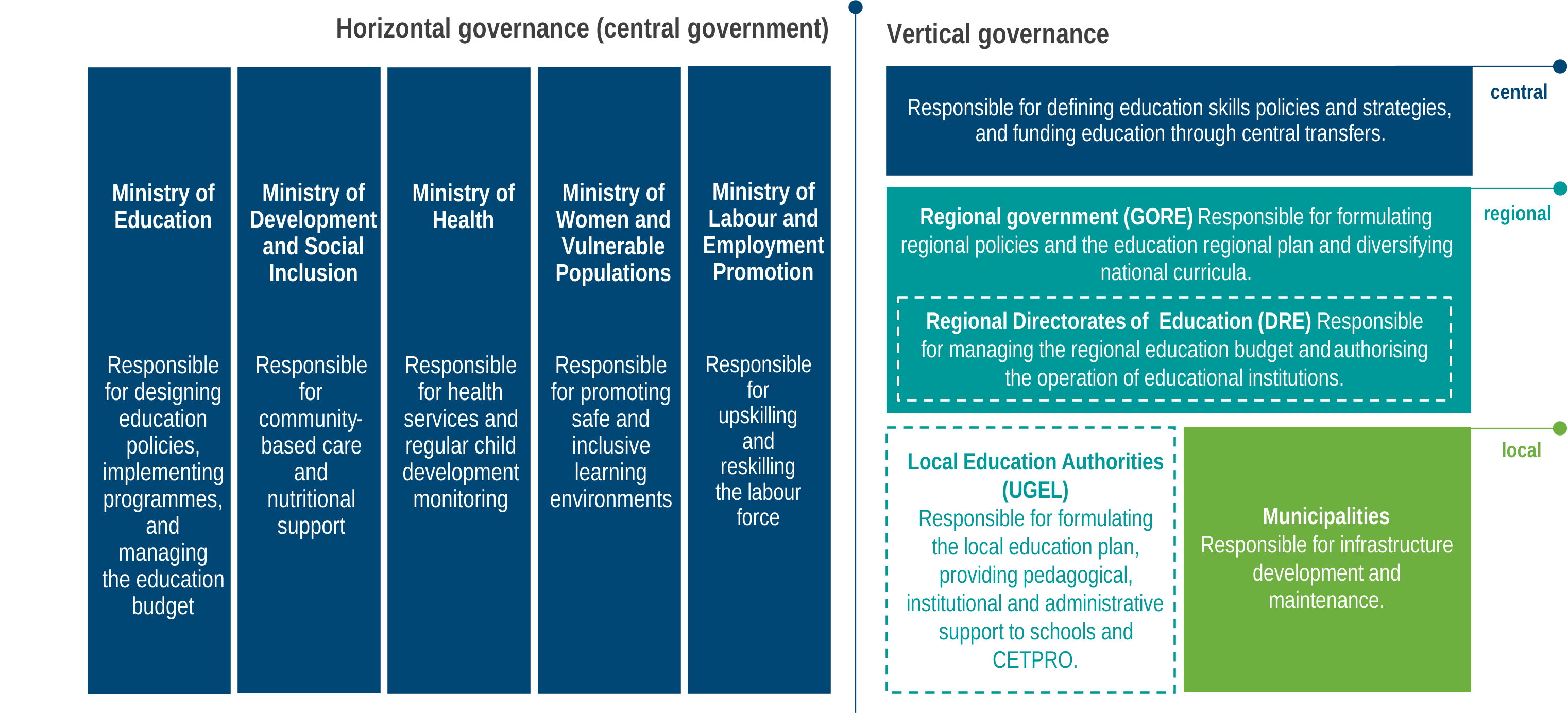
Note: The figure does not cover all government bodies involved in education and skills policies. It focuses on key bodies discussed in the analysis and recommendations.
Source: Authors' own work.
Funding of the education and skills system
Public expenditure for education has increased significantly, but per-student spending remains comparatively low
Government spending on education has increased substantially over the past two decades, both as a share of GDP (rising from 2.9% of GDP in 2003 to 4.2% in 2023) and as a share of total government expenditure (14.7% to 18.9% over the same period) (see Figure 2.8) (UIS, 2023[38]). This rise in public education funding is particularly notable given Peru’s tight fiscal space, with a tax-to-GDP ratio of 18%, below the OECD average (34%) and the OECD-LAC average (21%) (OECD, 2023[1]). While this increase underscores Peru’s commitment to the sector, sustaining further growth in public investment over the long term will require broadening the country’s public revenue base (OECD, 2023[1]).
Increases in government spending have led to a significant rise in public expenditure per student. Between 2013 and 2022 spending per student more than doubled at the secondary level (107%) and increased by 68% for pre-primary and 58% for primary in nominal terms (INEI, 2022[39]). However, expenditure per student remains low by international standards (see Figure 2.8). In 2022 public expenditure per full-time students (from primary to tertiary) was nearly six times lower in Peru than the OECD average (see Figure 2.8).

Note: In Panel A, data for OECD countries for 2022 and 2023 is not available. In Panel B, the OECD-LAC includes Chile, Costa Rica and Mexico, as data for Colombia on expenditure per full-time student from general government across education levels is not available.
Source: UIS (2023[40]), Government expenditure on education, https://databrowser.uis.unesco.org/ (accessed 8 October 2025); and, OECD (2022[41]), Expenditure on educational institutions per full-time equivalent student, http://data-explorer.oecd.org/s/1c3 (accessed 7 October 2025).
Public expenditure in Peru is concentrated in the early levels of education
Government expenditure is oriented towards investment in the early levels of education, with 2.5% of total government expenditure allocated to ECEC, 5.5% to primary and 3.5% to lower secondary education (OECD, 2022[42]). Compared to OECD and OECD-LAC countries, a relatively larger proportion of funds is allocated to these levels, with less directed towards upper-secondary and tertiary education (see Figure 2.9). ECEC, primary, and secondary education are largely publicly funded, with 91%, 87%, and 85% of expenditure coming from public sources, respectively. In contrast, only 39% of tertiary education funding is publicly financed, well below the OECD average of 69% (see Figure 2.9). This pattern of expenditure reflects long-standing priorities to expand access to basic education, and is broadly positive given that early investments yield the highest social returns, particularly for children and families from less privileged backgrounds. As the population ages and skills needs evolve, however, public investment patterns may need to gradually shift to better support learning opportunities across the life course.
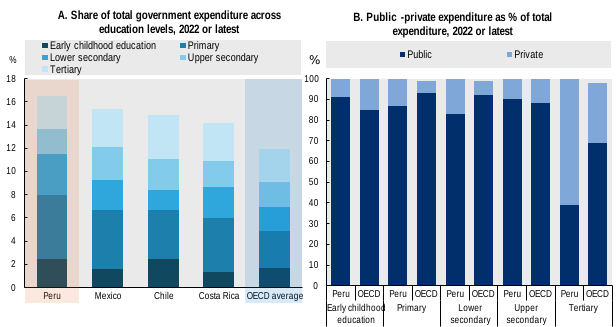
Note: In Panel A, data for Colombia is missing.
Source: OECD (2022[42]), Share of total government expenditure on education, http://data-explorer.oecd.org/s/1fl (accessed 8 October 2025); OECD (2022[43]), Distribution of government, private and non-domestic expenditure on educational institutions, http://data-explorer.oecd.org/s/1fm (accessed on 8 October 2025).
Most public spending comes from the central government and is primarily allocated to regions and institutions based on historical costs
In Peru, virtually all public funding for education comes from the central government, as regions and municipalities have limited revenue-raising capacity. However, a significant share of public funds is managed and spent by regional directorates of education (DREs). In 2022, DREs accounted for the largest share of public education spending (50% of total public education expenditure), followed by central government (40%), and municipalities (10%) (COMEXPERU, 2022[16]). Central transfers consist of a main allocation from the national treasury, which make up 90% of regional education budgets, along with an additional allocation from natural resource royalties, which regional governments use to fund public investment projects in the sector, such as building and improving educational infrastructure (COMEXPERU, 2022[16]; Ministry of Economy and Finance of Peru, 2024[44]).
However, neither of these transfers accounts for regional and institutional differences in financial need. The main education transfer is based on historical spending rather than objective criteria of need. As a result, subnational governments often resort to political lobbying or submit ad hoc funding requests to the Ministry of Economy and Finance to obtain additional resources. This approach has contributed to persistent regional inequalities, as regions with greater political influence or historical advantage tend to receive more generous allocations (National Education Council of Peru, 2022[45]). Similarly, royalty transfers are primarily directed to producing regions and municipalities, irrespective of their actual spending needs or fiscal capacity. This leads to a regressive distribution, where areas with fewer financial constraints receive disproportionately higher funding (OECD, 2025[4]).
Peru is making significant investments to address gaps in infrastructure and materials
The National Programme for Educational Infrastructure (PRONIED), which accounts for 10% of the country’s public education expenditure, has helped upgrade the infrastructure of thousands of educational institutions since its introduction in 2014. In 2025 alone, PRONIED planned to improve more than 54 thousand school buildings (Government of Peru, 2024[46]). Canon and royalty transfers have also been a key source of investment, as regional governments allocate a large proportion of these funds for new constructions and renovations. In 2022, 72% of the capital investment for education in regional governments were funded through canon and royalty transfers (COMEXPERU, 2022[16]).
These are much needed efforts, as infrastructure and material deficits remain a major challenge across all levels of education. According to the Ministry of Education, 50% of education facilities are in risk of collapse and only 50% have adequate access to water, 60% to sewage, and 86% to electricity (Ministry of Education of Peru, 2024[47]). Peru also faces challenges in providing textbooks, ICT equipment, library and laboratory material: 31% of students are in schools where the principal reports a serious lack of educational material, close to the OECD-LAC average (26%) but well above the OECD average (7%) (OECD, 2023[31]). As in many countries, disadvantaged, public and rural education facilities are more likely to report material shortages, but in Peru, these disparities are particularly large. Among all PISA participating countries, Peru has the largest gap in educational materials, physical infrastructure and digital resources between advantaged and disadvantaged schools (OECD, 2023[31]). Estimates suggest that closing the infrastructure gap would require sustained investment of at least 1% of GDP annually during 10 years (Saavedra, 2023[24]; Ministry of Education of Peru, 2024[47]).
Education and training workforce
Peru continues to attract new teachers, but stronger initial teacher education is needed to ensure they are well-prepared as more experienced teachers retire
As in many OECD countries, the teacher workforce in Peru is ageing, with 37% of all teachers aged 50 or over. The trend is more pronounced in primary education, where 42% of teachers are 50 and over compared with just 34% in the OECD (OECD, 2025[48]). This underscores the importance of maintaining high levels of teacher recruitment, in particular for teachers in the early years.
Despite an ageing workforce, Peru is not yet facing widespread teacher shortages, with gaps largely limited to specific fields such as bilingual and intercultural education (Bruns, Schneider and Saavedra, 2023[49]; BID, 2020[50]). Teaching is one of the most popular career choices in the country, with 12% of individuals aged 17 and over studying or having studied education for their tertiary degree (INEI, 2024[34]). As a result, compared to OECD-LAC countries, Peru maintains a relatively low ratio of students to teaching staff (OECD, 2024[20]).
However, the tertiary education institutions offering initial teacher education (ITE) in Peru operate with relatively limited external oversight, and their programme content does not yet fully align with evolving expectations for classroom teaching. This is especially true for professionally-oriented tertiary institutions (pedagogical institutes), which accounted for 57% of ITE graduates in 2023 (Ministry of Education of Peru, 2024[15]). The 2016 Ley de Institutos y Escuelas de Educación Superior introduced stricter licensing requirements for pedagogical institutes and updated the ITE curriculum to emphasise competency-based learning and structured teaching practice throughout the course of study. Yet by 2025, approximately one in four providers had obtained a licence, and even fewer had completed institutional or programme-level accreditation (SINEACE, MINEDU, 2023[51]). Currently, many programmes still rely on traditional, lecture-based methods, and institutions often struggle to secure quality practicum placements, as each must independently establish partnerships with nearby schools (see Chapter 4) (Ministry of Education of Peru, 2018[52]).
There have been promising initiatives to support in-service teachers, yet these have not been sustained
As part of broader efforts to improve teaching practice, Peru has increased access to updated pedagogical and curricular materials. Through platforms such as PerúEduca, SIFODS, and Aprendo en Casa (which was available during the pandemic), MINEDU offers online training and shares a variety of open educational resources. Despite these efforts, stakeholders highlight the need for more practical, classroom-focused support for teachers. In-service professional development remains fragmented, with different actors – including MINEDU, DREs, UGELs, and NGOs – delivering uncoordinated initiatives. National programmes like Soporte Pedagógico, which integrated coaching, peer learning, school resources, and remedial support, along with more recent virtual coaching efforts, have shown potential but have not been maintained over time (Chinen and Bonilla, 2017[53]).
Formal qualification requirements for teachers in Peru are broadly aligned with OECD standards
Formal qualification requirements to enter the teaching profession vary by level of education and training in Peru. At the basic education (ECEC, primary and secondary), and tertiary levels, requirements are broadly in line with those in most OECD countries (see Table 2.1). Basic education teachers must hold an ISCED 6 degree in early years, primary, or secondary education. However, educators working in non-formal ECEC settings can practice with an ISCED 3 level. This reflects efforts to expand access in remote and rural areas, where hiring local educators with lower formal qualifications can support rapid service growth and ensure culturally relevant provision.
In professionally-oriented pathways and higher levels of education, applied knowledge and experience become increasingly important. In CETPROs, entry into teaching roles is more flexible than in basic education, with candidates qualifying either through a teaching degree with specialisation in the relevant field or by combining a professional qualification with pedagogical training. Tertiary-level teaching requires a ISCED 6 degree in the relevant field. While professionally-oriented teachers typically require some pedagogical training, this is not a requirement for university teachers.
Reforms have strengthened the link between teacher performance, promotion, and pay, but professional licensing requirements are not yet consistently enforced
Peru has made significant strides in reforming the teaching profession to better align performance, promotion, and pay. The 2012 Ley de la Reforma de la Carrera Pública Magisterial introduced many of the features of a skilled profession, including higher salaries, a transparent national licensing exam, regular performance evaluations, and a structured career path. While these reforms have established a strong foundation, further progress is still needed, especially in consistently applying professional licensing requirements for new entrants to the public teaching career.
Currently, teachers must pass the national public licensing exam (Prueba Única Nacional) to enter the new teaching career structure and secure a permanent position in a public school (nombrados). However, the demands of an expanding pre-primary and school system mean that those that fail are still allowed to teach through temporary contracts (contratados), with no further training or professional licensing requirements. This challenge was exacerbated in 2024, when a government decree granted permanent positions to 14 000 teachers previously dismissed for not meeting the performance standards set by the 2012 reform (Ministry of Education of Peru, 2024[54]).
Allowing entry into permanent public teaching positions without passing the national licensing exam has offered some flexibility to meet immediate staffing needs and fill hard-to-staff roles. However, in the absence of clear expectations or timelines for obtaining full licensure, there is a risk that underqualified teachers remain in classrooms for extended periods, with potential implications for equity. Teachers in temporary contracts often fill positions that permanent teachers decline, usually in public schools in rural and disadvantaged communities (OECD, 2023[1]; Elacqua et al., 2018[55]).
System information and quality assurance
Despite reforms to strengthen the quality assurance system, key institutions have limited capacity and independence
Over the past decade, the government has introduced a number of reforms to strengthen quality assurance in the education system. In ECEC and school education, quality assurance involves two main processes: the initial authorisation of institutions to operate, and their ongoing monitoring and support for improvement. These responsibilities are carried out by DREs through their local UGELs. To support these processes, MINEDU defined minimum quality standards (Condiciones Básicas) in 2021, which outline the essential structural requirements for institutions to operate – covering management and instructional planning, educational materials, infrastructure, and basic services (Ministry of Education of Peru, 2021[56]). MINEDU has also set a goal to evaluate all private institutions against these standards by 2027 and to authorise the operation of those that meet the criteria. While these standards provide a strong foundation for the initial authorisation of institutions, they offer limited guidance to UGELs and schools on how to strengthen the factors that most directly affect teaching and learning. This, combined with UGELs’ limited resources and capacity to visit and support schools, means that many institutions are not receiving the support they need to improve. Basic education institutions can also seek accreditation from MINEDU’s affiliated entity, the National System for the Evaluation, Accreditation, and Certification of Educational Quality (Sistema Nacional de Evaluación, Acreditación y Certificación de la Calidad Educativa, SINEACE), to signal excellence of provision and may conduct self-evaluations to prepare for this process. However, accreditation remains marginal in the basic education sector, with only a few private institutions having gone through this process.
Quality assurance in tertiary education is led by three separate institutions and rests on two main processes: licensing and accreditation (see Figure 5.6). The National Superintendence of Higher University Education (Superintendencia Nacional de Educación Superior Universitaria, SUNEDU), established in 2014 as an autonomous body, is responsible for licensing universities. Its creation marked a significant milestone in efforts to strengthen regulation and improve quality in the university sector. MINEDU through the General Directorate of Technical-Productive Education and Higher Technological and Artistic Education (DIGESUTPA), and the Directorate of Management of Technical-Productive and Higher Technological and Artistic Education Institutions (DIGEST), oversees licensing for professionally-oriented tertiary institutions. As in basic education, the accreditation of public and private institutions and study programmes is undertaken by SINEACE, a specialised public technical body attached to MINEDU. Licensing is supposed to be mandatory for all tertiary institutions. Accreditation, by contrast, is voluntary and primarily pursued by institutions seeking public recognition for academic excellence, except in the case of certain programmes, such as ITE, where it is meant to be compulsory.
However, progress in licensing institutions has been uneven, and some initial reforms have experienced setbacks. As of 2025, MINEDU has only licensed 20% of professionally-oriented institutions (Ministry of Education of Peru, 2025[57]). SUNEDU has made greater progress, having completed the review of all universities by 2020, with 100 holding institutional licenses in 2025 (SUNEDU, 2025[58]). However, recent legislative reforms have weakened SUNEDU’s regulatory powers and independence. In 2022, a new law modified the composition of SUNEDU’s governing board to include representatives from universities. This creates potential conflicts of interest and raises concerns about the independence of the quality assurance process (see Chapter 5).
Peru has a wealth of data on education and skills, but there is restricted access and interoperability
Peru has one of the most advanced education monitoring systems in the region, particularly in early childhood and school education (Saavedra, 2023[24]). The Educational Institution Management Support Information System (SIAGIE), managed by MINEDU, enables tracking of individual student trajectories from their entry into the education system, using permanent student-level identifiers. The Education Census collects information annually on students, schools and educational infrastructure. Beyond administrative data, MINEDU’s Office of Quality Measurement of Learning has strong technical expertise, and leads efforts to collect data on student outcomes through standardised assessments in Grades 2, 4, 6 and 8, as well as on teacher and principal practices through self-report instruments (see Chapter 4). Peru also collects comprehensive data on the structural conditions and quality of interactions in pre-primary settings, notably through the Measuring Early Learning Quality and Outcomes (MELQO), and more recently the Monitoring the Quality of Early Childhood Learning and Development Environments (MEDIT) surveys. It also monitors children’s broader development outcomes through the annual national health survey (ENDES) since 2015 (see Chapter 3).
However, reporting delays and limited accessibility for external users, particularly researchers, reduce the potential of these robust datasets to inform planning, resource allocation, and evidence-based decision-making. Interoperability across data systems also remains limited, especially in tertiary education and skills, where multiple datasets exist but are fragmented. Meanwhile, there remaining data gaps, notably for children under the age of three, recent graduates and labour market skills demand. In ECEC, administrative data and surveys primarily cover pre-primary education (Ciclo II, ISCED 02), while services for younger children (Ciclo I, ISCED 01) remain largely absent from national monitoring. At the other end of the learning cycle, Ponte en Carrera and Mi Carrera are public online platforms that provide career guidance by displaying earnings and employment outcomes associated with different tertiary education programmes. However, there are no graduate tracking systems that link enrolment, graduation and labour market outcomes. And, although the Ministry of Labour has carried out some skills assessment and anticipation exercises to understand current and future labour market needs, these efforts remain largely project-based.
Curriculum frameworks and pedagogy
In 2016 Peru introduced a competency-based curriculum for basic education, which emphasises cross-curricular learning through active and personalised pedagogies
In 2016, MINEDU introduced a new competency-based curriculum for basic education that promotes the development of cross-curricular, or “21st Century” competencies, such as critical thinking, global citizenship and environmental awareness. It encourages active pedagogies through methods such as project-based learning, problem-solving, and case studies. The curriculum also emphasises formative assessment and includes learning standards that define the goals students should achieve across each schooling cycle, with varying proficiency levels (Ministry of Education of Peru, 2016[59]; Ministry of Education of Peru, 2017[60]).
Rather than prescribing specific content knowledge, the curriculum requires teachers to choose the content they want to teach to help students develop specific competencies. Regional directorates of education (DREs) are also expected to adapt the curriculum to reflect the diverse regional contexts and realities across the country. This is in line with reforms seen across an increasing number of OECD countries, where there is a growing focus on developing cross-curricular competencies, connecting learning to real-world contexts, and granting teachers more flexibility in curriculum implementation (OECD, 2020[61]; OECD, 2024[62]). Peru’s curriculum has been progressively rolled out in pre-primary and primary education since 2017 and in secondary education since 2019, but its implementation has stalled since school closures during the COVID-19 pandemic.
Use of digital education technologies
Peru is promoting the use of digital tools to expand education and training opportunities. In recent years, and with the pandemic acting as a catalyst, the government has supported the creation of platforms for student learning (Aprendo en Casa), as well as other online courses for teacher professional development (PerúEduca) and lifelong learning (Capacita-t). Efforts to strengthen digital competencies are also ongoing. In 2021, 53% of teachers participated in courses to enhance their use of digital technologies and 66% expressed interest in learning how to use digital education tools and resources (Ministry of Education of Peru, 2021[63]).
While significant progress has been made in expanding digital learning opportunities, ensuring equitable connectivity and access to digital resources remains a challenge. Internet access varies significantly across regions: while 78% of households in Lima Metropolitana are connected, only 18% in rural areas have access (INEI, 2024[64]). This disparity extends to schools as well. In PISA, principals reported that 21% of students in advantaged schools lacked digital resources, compared to 83% in disadvantaged schools – a gap of 62 percentage points. This is significantly wider than both the OECD and OECD-LAC averages (10% and 39%, respectively) (OECD, 2023[31]).
Objectives of the education and skills system and major reforms
During the 2010’s, Peru experienced a period of sustained education reform, marked by major initiatives such as the 2012 reform of the teaching career and the 2014 University Law. Some of the current priorities build on that momentum, while others reflect new emerging objectives. Notable objectives for the system include:
Expanding ECEC for children under the age of 3: Building on progress in expanding pre-primary education (Ciclo II), Peru adopted a multi-sectoral strategy for child development in 2021: the National Multisectoral Policy for Children and Adolescents to 2030 (PNMNNA). For the first time, this strategy formally recognises the importance of early educational development within the broader child development agenda. In parallel, Peru launched EduCuna, a programme providing integrated early education and care for children aged 12 to 36 months from single-parent households headed by women living in poverty, extreme poverty, or vulnerability.
Improving student engagement in secondary education: At the secondary level, long-standing efforts to introduce more flexible models of provision – such as the Jornada Escolar Completa (Whole School Day Programme) and delivery models tailored to rural students – have continued, though they remain limited in scale. A new focus is emerging on piloting approaches that offer more opportunities for applied learning. Notably, the initiative Mi Oportunidad Técnica, introduced in 2022, allows upper-secondary students to develop both academic and technical skills.
Upgrading educational infrastructure: The Social Pact for Education, signed in 2024 by the government, and representatives of social partners, regional and local authorities, and civil society organisations places infrastructure investment at the heart of its agenda. Significant investments are being directed to upgrade and expand educational infrastructure from ECEC to tertiary, with a focus on improving the systems to monitor the condition of facilities and equipping institutions with digital tools. The National Programme for Educational Infrastructure (PRONIED), which represents 10% of public education expenditure, plays a leading role in modernising and expanding educational infrastructure across the country (see above).
Building a more coherent vocational and tertiary education system, and aligning it with labour market needs: A key milestone has been the adoption of the 2020 National Policy for Tertiary and Technical-Productive Education (PNESTP), which laid out, for the first time, a comprehensive strategy for the entire vocational and tertiary education sector through to 2030. It covers both the university and professionally-oriented sub-systems of tertiary education, as well as vocational programmes delivered at ISCED levels 3 and 4 through CETPROs. The policy places a strong emphasis on expanding access with equity, including through a more diverse and relevant programme offer (Ministry of Education of Peru, 2020[65]).
Access and participation
Participation in compulsory education has expanded significantly, but remains low for children under the age of 3
Enrolment in pre-primary, primary and secondary education in Peru is approaching universality (see Figure 2.10). Pre-primary net enrolment (reflecting students of the appropriate age) has increased by more than 42 percentage points since 2003, reaching 99% in 2022 – surpassing the OECD-LAC average (77%) and the OECD average (87%) (UIS, 2024[66]). This growth has been largely driven by increased enrolment among children from rural and lower socio-economic backgrounds (Observatory CEPLAN, 2023[67]). At the school level, net enrolment in primary and lower secondary education (LSE) has remained high and is now close to universal (99.8% in 2022), in line with the OECD average (UIS, 2024[66]). Upper-secondary education (USE) enrolment has fluctuated between 70% and 85% over the past two decades and is now at its highest level, reaching 90.6% in 2023 (UIS, 2024[66]).
However, progress has been slower for younger children. Only 6% of children under 3 are enrolled in ECEC, well below the OECD average (24%) and slightly below the OECD-LAC average (9%) (see Figure 2.10). Formal provision for this age group remains limited compared to pre-primary education, and PRONOEI, despite also targeting this age group, have not closed this supply gap. Government programmes like EduCuna and Programa Nacional Cuna Más are intended to expand coverage and quality of early education and care for young children by increasing the availability of formal services and educational settings in underserved areas.

Note: In Panel A, data for Peru on primary, lower secondary and upper-secondary levels between 2012 and 2015 is missing.
Source: UIS (2023[68]), Total net enrolment rate, UNESCO Institute for Statistics (UIS), https://databrowser.uis.unesco.org/browser (accessed 7 January 2025); and, OECD (2022[69]), Enrolment rate by age, http://data-explorer.oecd.org/s/192 (accessed 7 January 2025)
Peru has experienced a very rapid growth in participation in tertiary education
Peru's tertiary attainment rate surpasses that of all OECD countries in the region. In 2024, 51% of 25-34 year-olds in Peru had attained tertiary education, approaching the OECD average of 48% (OECD, 2025[48]). In the early 2000s, Peru’s tertiary enrolment rate was similar to other OECD-LAC countries, but in the past decade, it has diverged – alongside Chile – maintaining consistently higher enrolment rates than most regional peers (see Figure 2.11). Increased participation has been largely driven by the expansion of private provision. In 2000, 62% of tertiary students were enrolled in public institutions, but by 2023 this share had dropped to 30% (see Figure 2.11).

Note: Net attendance refers to the percentage of students in the five-year age group the typically follows secondary school who are enrolled in tertiary education.
Source: SITEAL (2023[70]), Indicadores estadísticos [Statistical indicators], https://siteal.iiep.unesco.org/indicadores (accessed 6 January 2025).
Adult participation in education and training in Peru is low by OECD standards, but efforts are underway to expand non-formal and online training opportunities
Participation of adults in education and training for upskilling and reskilling is comparable to regional peers, but remains low by OECD standards. In 2022, 3.9% of adults in Peru aged 25 to 54 participated in formal or non-formal education over the past 12 months, lower than the OECD-LAC average (6%) and the OECD average (12.9%) (UIS, 2023[71]). Access to formal education for adults with low education is limited, with Educación Básica Alternativa (EBA) reaching only 2% of over the 8 million adults with basic educational needs (Vasques Quispe, 2024[72]). Coverage has not increased in the last decade, and provision remains insufficiently targeted at those with the greatest needs. For instance, almost all EBA centres (CEBA) are located in urban areas, leaving rural communities underserved.
When it comes to non-formal education, Peru is taking steps to increase learning opportunities by recognising non-formal learning through community-based learning (Educación Comunitaria) and offering courses via online government platforms like CAPACÍTA-T. Expanding access to such formal and non-formal flexible learning opportunities is especially critical in Peru, where one in every three Peruvians aged 15 and over has incomplete basic education or is illiterate (Vasques Quispe, 2024[72]).
Quality and outcomes
Peru has made significant progress in improving learning outcomes, but a large share of students still do not master basic competencies
Peru is one of the few countries in the region to have shown sustained improvement in international assessments of learning. Between 2009 and 2022, the country recorded significant gains in terms of 15-year-olds’ reading, mathematics, and science proficiency in the OECD Programme of International Student Assessment (PISA), with average scores converging towards the OECD-LAC average (see Figure 2.12). This progress was primarily driven by a significant reduction in the proportion of students performing at the lowest achievement levels (below Level 2). Peru also saw an increase in average reading and mathematics scores for Grade 3 and Grade 6 students between the 2013 and 2019 cycles of the UNESCO Regional Comparative and Explanatory Study (ERCE) (UNESCO, 2023[73]).
However, a significant share of students in school are not acquiring the basic competencies needed to participate fully in society. In PISA, two-thirds of 15-year-olds (66%) scored below the baseline level of proficiency (Level 2) in mathematics, more than double the OECD average (31%) and in line with the OECD-LAC average (66%) (OECD, 2023[32]). National assessments (Evaluación Nacional de Logros de Aprendizajes, ENLA) show that while students fall progressively behind as they advance through school, already a high share of students are not meeting grade expectations in primary education. In 2023 only 37% of Grade 2 students had met expected competencies in reading, and 11% met them in mathematics. These gaps persist in secondary education, where only 18% of Grade 8 students met the expected reading competencies, and 11% did so in mathematics (see Figure 2.12).

Note: In Panel A, OECD-LAC average includes Chile, Colombia, Costa Rica and Mexico. Data for Peru and Costa Rica in 2006 is not available. In Panel B, “satisfactory level” in ENLA indicates that students have achieved the expected competencies for their grade level. This means they can effectively apply their knowledge and skills in real-life situations, demonstrating a solid understanding of the subject matter.
Source: OECD (2023[32]), PISA 2022 Results (Volume I): The State of Learning and Equity in Education, PISA, OECD Publishing, Paris, https://doi.org/10.1787/53f23881-en; and, Ministry of Education of Peru (2025[74]), Evaluación Nacional de Logros de Aprendizaje de Estudiantes [National Assessment of Student Learning Outcomes], http://umc.minedu.gob.pe/resultadosenla2024/#1683067394687-d17f73b0-df8b.
Participation in ECEC is positively associated with students’ learning outcomes in school
In Peru, participation in ECEC is linked to better learning outcomes in school education, even after accounting for students and schools’ socio-economic profiles. Students who attended ECEC for two to three years achieved higher scores in mathematics in PISA and were significantly less likely to have repeated a grade later on, compared to students who had not attended ECEC at all or had attended for less than a year (OECD, 2023[31]).4
National research reveals a similar positive association between early education and learning outcomes, even for children who attended non-formal settings (PRONOEI). However, these benefits are less pronounced than in formal early education, indicating a quality gap (Majerowicz Nieto, 2016[75]). PRONOEI face significant quality challenges, including inadequate infrastructure and limited support for community educational promoters (promotoras), which constrain their ability to deliver quality services (UNESCO, 2022[76]). In 2019, just 16% of PRONOEI settings had access to sanitary facilities and one in five promotoras reported not having received a monitoring or support visit from their coordinator over the previous 12 months (Ministry of Education of Peru, 2020[77]).
Returns to higher education are only evident for those who attended better-quality institutions
Unlike in most OECD countries, where tertiary-educated workers are more likely to be employed than those with upper-secondary education, employment rates in Peru are similar for both groups. Among individuals aged 25-64, 82% of those with tertiary education were employed in 2024, compared to 81% of those with upper-secondary education in 2023 (OECD, 2025[48]). While employment rates for tertiary graduates are slightly below the OECD average of 87%, upper-secondary graduates in Peru have higher employment rates than their counterparts in OECD countries (OECD average: 78%) (OECD, 2025[48]). This high employment rate among upper-secondary graduates may be partly explained by the large share of employment in Peru’s informal sector, where many job opportunities do not require tertiary education. Furthermore, not all tertiary degrees provide a clear advantage in the job market, particularly as the quality of tertiary institutions varies widely (OECD, 2019[78]).
Tertiary education in Peru provides an earnings advantage, but mainly for those who attended higher-quality institutions. On average, tertiary graduates (25-64 year-olds) earn 67% more than those with only upper-secondary education, above the OECD average of 54% (OECD, 2025[48]). University graduates tend to earn more than those with professionally-oriented tertiary education but research suggests this earning premium is only observable for graduates who attended higher-quality universities, defined as those eligible for licensing (see Chapter 5) (Sánchez, Favara and Porter, 2021[79]).
While most workers appear to be overqualified, employers struggle to find candidates with the appropriate skills
Most workers in Peru appear to be overqualified for their jobs. According to a 2022 national study, 58% of tertiary-educated workers were employed in jobs that did not align with their level of education or training (Ministry of Labour and Employment Promotion of Peru, 2022[80]). Meanwhile, workers often lack the specific skills employers require. In a recent survey of 525 employers, 65% reported difficulties in finding employees (ManpowerGroup, 2024[81]). In particular, digital and socio-emotional skills represent the most notable gaps within the Peruvian workforce (Novella and Rosas-Shady, 2023[82]).
This signals a disconnect between labour market needs and skills developed in the education system. Demand for specialised workers, such as IT technicians or personal care workers outstrips supply. Vocational education and training (VET) curricula often fail to align with rapidly changing industry needs, particularly in digital and advanced manufacturing sectors. Only 15% of VET students are enrolled in strong sectoral schools, while the majority attend non-sectoral schools that offer limited practical experience and few opportunities to develop advanced skills (OECD, 2023[1]).
Equity
Peru has made impressive progress in reducing socio-economic disparities in learning outcomes, though gaps remain high by international comparison
Peru has made significant progress in improving learning outcomes for disadvantaged students. PISA data shows a decline in the share of low performers in mathematics among disadvantaged students, from 95% in 2012 to 87% in 2022. Despite this progress, significant inequities remain. Peru shows one of the largest gaps in low performance in mathematics between advantaged and disadvantaged students, with a 45-percentage-point difference – higher than the 38-point average for OECD-LAC countries and well above the OECD average of 33 points (OECD, 2023[32]). The chances of disadvantaged students achieving strong academic performance are also low: only 7.4% of disadvantaged students in Peru were ‘resilient’ in mathematics, meaning they scored in the top quarter of performance amongst students in their own country (OECD average: 10.2%) (OECD, 2023[32]).
Students with lower performance are more likely to repeat grades, drop out and achieve lower educational attainment
Grade repetition in Peru is low compared to other OECD-LAC countries, but it disproportionately affects disadvantaged students. While 6% of advantage students have repeated a grade at least once in primary or secondary education, the rate rises to 20% among disadvantaged students – above the OECD average (15%) (OECD, 2023[31]). Socio-economic disparities are also evident in secondary completion: in 2022, 86% of non-poor students aged 17 to 19 completed secondary education, compared to 75% of poor students and just 62% of those living in extreme poverty5 (OBEPE, 2024[83]). These inequalities extend beyond school and into higher education and the labour market. Tertiary enrolment rates vary significantly by income: in 2023, 56% of 17- to 24-year-olds from the highest income group were enrolled, compared to just 16% from the lowest (INEI, 2024[34]). Disadvantaged youth are also more likely not to be in employment, education, nor training (NEET). Among 15- to 29-year-olds, the NEET rate is 24% in the poorest quintile compared to 11% in the wealthiest (INEI, 2024[34]).
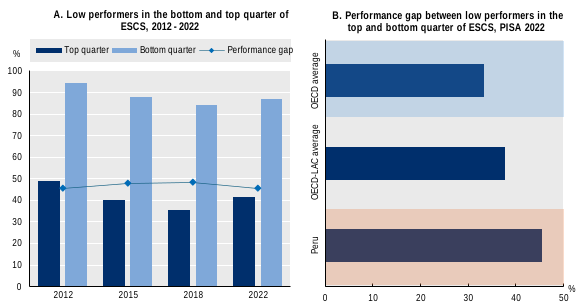
Note: In Panel A ESCS refers to the PISA index of economic, social and cultural status. In Panel B OECD-LAC average includes Chile, Colombia, and Mexico. Values for Costa Rica in PISA 2022 are missing.
Source: OECD (2023[32]), PISA 2022 Results (Volume I): The State of Learning and Equity in Education, OECD Publishing, Paris, https://doi.org/10.1787/53f23881-en.
Participation and learning outcomes vary considerably between rural and urban regions
While poverty has become increasingly urbanised, rural areas still experience higher poverty rates, which, combined with limited infrastructure, less qualified teachers, and long commutes, restrict access to quality education and training. Results from PISA highlight the rural-urban gap in learning outcomes: only 11% of rural students achieved the baseline level of proficiency in mathematics (Level 2) compared to 39% of their urban counterparts (Ministry of Education of Peru, 2024[84]). National student assessments also show students in some regions with high levels of rurality and poverty face greater challenges in meeting curricular expectations. For instance, in 2023, 51% of Grade 4, and 27% of Grade 8 students in Tacna met expected competencies in mathematics, compared to only 4% and 2% respectively in Loreto, where the rural and poverty rates are significantly larger (INEI, 2024[34]).
These learning gaps contribute to higher dropout rates in rural areas, which remain well above national averages (OBEPE, 2024[85]). More than half (56%) of the rural population has not completed secondary education, compared to 21% in urban areas (INEI, 2024[34]). Tertiary education participation is also lower for rural students, with just 21% of 17- to 24-year-olds in rural areas enrolled – 11 percentage points below their urban peers (INEI, 2024[34]).
Despite narrowing gender gaps, early motherhood and limited participation in early educational development keep many girls and women out of school and work
Women’s educational attainment in Peru has steadily increased. Among young adults (25–34 years), a slightly higher share of women than men hold a tertiary qualification (52% vs. 50%) (OECD, 2025[48]). This reflects rising enrolment rates at all education levels, which are currently high and essentially equal for both girls and boys.
Despite this impressive progress, certain gender gaps remain. Although girls outperformed boys in reading by 8 score points in PISA, the share of low performers is significantly higher among girls than boys in both mathematics and science in Peru – by 8 and 6 percentage points respectively. This contrasts with the OECD average, where the gender gap in mathematics is minimal (1 percentage point) and girls outperform boys in mathematics by 1 point and science by 2 points (OECD, 2023[32]). At the same time, 21% of teenage girls of upper-secondary school age are out of school, compared to 15% of boys. Both rates are much higher than the OECD averages of about 7% for girls and 8% for boys (OECD, 2022[86]). Teenage pregnancy is a key factor contributing to dropout, especially in rural areas. By ages 18-19, nearly half (47%) of girls in rural areas are mothers or pregnant, compared to a national average of 22.5% (OECD, 2022[86]).
Motherhood is also associated with lower employment rates, higher informality, and more part-time work. In Peru, the employment rate of women with children under the age of three is approximately 10 percentage points lower than that of women with older children (3 to 5 years old), which in turn is around 8 percentage points lower than the rate for mothers with school-aged children (6 to 14 years old) (OECD, 2022[86]). This is partly due to limited participation in ECEC, especially for the youngest children, and to prevailing social norms that emphasise the importance of parental childcare, particularly when provided by mothers (see Chapter 3).
Indigenous groups are particularly vulnerable in the education system, but national policies aim to support their learning and heritage
Indigenous communities in Peru, which tend to experience high levels of poverty and rurality, face additional barriers related to language and cultural differences. Native Spanish speakers outperformed non-native speakers in PISA, even when accounting for socio-economic background. Notably, 93% of non-native Spanish students performed below the baseline level of proficiency in mathematics (Level 2), compared to 65% of Spanish speakers, with even larger gaps in reading and science (Ministry of Education of Peru, 2024[84]).
To address these challenges, the country has expanded the Educación Intercultural Bilingüe (EIB) programme, a national policy designed to deliver culturally relevant education to Indigenous populations by incorporating their native languages and cultural contexts into the curriculum. Currently, there are more than 26 thousand education institutions offering EIB to Indigenous populations. Sustaining investments in EIB institutions, and addressing teacher shortages will be crucial to providing Peru’s more than 1.2 million Indigenous students with a fairer chance in school and in life.
References
[27] Agüero, J. et al. (2021), Do More School Resources Increase Learning Outcomes? Evidence from an Extended School-Day Reform, IZA, https://docs.iza.org/dp14240.pdf.
[37] Alcaíno, M. et al. (2022), Gestión local y mejora educativa: el caso del Sistema de Fortalecimiento de Capacidades en Perú.
[87] Balladares, J. and M. Kankaraš (2020), “Attendance in early childhood education and care programmes and academic proficiencies at age 15”, OECD Education Working Papers, No. 214, OECD Publishing, Paris, https://doi.org/10.1787/f16c7ae5-en.
[29] Barnechea, G. (2018), La Secundaria rural: una evaluación de sus formas de atención diversificada [Rural Secondary Education: An Assessment of Its Diversified Delivery Models], https://grade.org.pe/wp-content/uploads/GG_TAREA_2018.pdf.
[50] BID (2020), El problema de la escasez de docentes en Latinoamérica y las políticas para enfrentarlo [The issue of teacher shortages in Latin America and the policies to address it.], https://teachertaskforce.org/sites/default/files/2023-02/2020_BID_El-problema-de-la-escasez-de-docentes-en-LAC-y-pol%C3%ADticas-para-enfrentarlo_ES.pdf.
[49] Bruns, B., B. Schneider and J. Saavedra (2023), The Politics of Transforming Education in Peru: 2007-2020, RISE, https://riseprogramme.org/sites/default/files/2023-03/The-Politics_of_Transforming_Education_in_Peru_2007-2020_1.pdf.
[19] CEPLAN (2015), Perú 2021: País OCDE (Peru 2021: OECD Member Country), https://www.ceplan.gob.pe/wp-content/uploads/files/Documentos/peru_2021_-_pais_ocde-_espanol_impresion_09-02-2015_final_0.pdf.
[53] Chinen, M. and J. Bonilla (2017), Evaluación de impacto del Programa de Soporte Pedagógico del Ministerio de Educación del Perú [Impact Assessment of the Pedagogical Support Programme of the Ministry of Education of Peru], https://repositorio.minedu.gob.pe/handle/20.500.12799/5520.
[7] COMEXPERU (2024), Las micro y pequeñas empresas en el Perú. Resultados en 2023 [The micro and small enterprises in Peru. 2023 results], https://www.comexperu.org.pe/upload/articles/reportes/reporte-mypes-2023.pdf.
[16] COMEXPERU (2022), Gobiernos regionales ¿Cómo va el gasto en salud y educación? [Regional governments. How is spending in health and education?], https://www.comexperu.org.pe/upload/articles/reportes/reporte-gobiernos-001.pdf.
[14] Congress of the Republic of Peru (2021), Ley 31131: Ley que establece disposiciones para erradicar la discriminación en los regímenes laborales del sector público [Law 31131: Law establishing provisions to eradicate discrimination in public sector employment regimes], https://busquedas.elperuano.pe/dispositivo/NL/1933248-1.
[55] Elacqua, G. et al. (2018), Profesión: Profesor en América Latina ¿Por qué se perdió el prestigio docente y cómo recuperarlo? [Profession: Teacher in Latin America – Why Has Teaching Lost Its Prestige and How Can It Be Restored?], https://siteal.iiep.unesco.org/sites/default/files/sit_investigacion_pdf/1807.pdf.
[23] Elacqua, G., M. Iribarren and H. Santos (2018), Private schooling in Latin America: Trends and Public Policies, IDB, https://publications.iadb.org/en/private-schooling-latin-america-trends-and-public-policies.
[46] Government of Peru (2024), Programa Nacional de Infraestructura Educativa, PRONIED [National programme of educational infraestructure], https://www.transparencia.gob.pe/reportes_directos/pte_transparencia_info_finan.aspx?id_entidad=14293&id_tema=19&ver=D.
[12] Guadalupe, C. and A. Rivera (2020), Cómo crear Centros Educativos Integrados de Educación Básica Regular [How to create Integrated Centres for Regular Basic Education], https://repositorio.up.edu.pe/item/ed2c0870-195f-4045-b82f-6935f6c437a1.
[8] ILOSTAT (2025), Informal employment rate, https://ilostat.ilo.org/topics/informality/ (accessed on 28 August 2025).
[6] INEI (2025), Producción y Empleo Informal en el Perú, Cuenta Satélite de la Economía Informal 2022-2023 [Production and Informal Employment in Peru, Informal Economy Satellite Account 2022-2023], https://cdn.www.gob.pe/uploads/document/file/7448702/6344108-produccion-y-empleo-informal-en-el-peru-cuenta-satelite-de-la-economia-informal-2022-2023.pdf?v=1735913240.
[64] INEI (2024), Estadísticas de las Tecnologías de Información y Comunicación en los Hogares [Statistics on Information and Communication Technologies in Households], https://cdn.www.gob.pe/uploads/document/file/6543264/5702640-las-tecnologias-de-informacion-y-comunicacion-en-los-hogares-ene-feb-mar-2024.pdf.
[21] INEI (2024), Perú Compendio Estadístico 2024 [Peru Statistical Compendium 2024], https://cdn.www.gob.pe/uploads/document/file/7366940/6284790-tomo-1-peru-compendio-estadistico-2024.pdf.
[34] INEI (2024), Perú: Indicadores de Educación según Departamentos, 2013-2023 [Peru: Education Indicators by Department, 2013-2023], https://www.gob.pe/institucion/inei/informes-publicaciones/6061323-peru-indicadores-de-educacion-segun-departamentos-2013-2023.
[10] INEI (2024), Situación de la Población Peruana 2024: Una mirada de la diversidad étnica [Situation of the Peruvian Population 2024: A Look at Ethnic Diversity], https://www.gob.pe/institucion/inei/informes-publicaciones/5751291-situacion-de-la-poblacion-peruana-2024-una-mirada-de-la-diversidad-etnica.
[39] INEI (2022), GASTO PÚBLICO POR ALUMNO EN EDUCACIÓN BÁSICA REGULAR, SEGÚN NIVEL EDUCATIVO Y DEPARTAMENTO, 2013 - 2022 [Public spending per student in regular basic education, by educational level and department, 2013 - 2022], https://m.inei.gob.pe/estadisticas/indice-tematico/education/.
[11] INEI (2020), Estado de la población peruana 2020 [State of the Peruvian Population 2020], https://www.inei.gob.pe/media/MenuRecursivo/publicaciones_digitales/Est/Lib1743/Libro.pdf.
[9] INEI (2018), III Censo de Comunidades Nativas 2017: Resultados Definitivos [III Census of Native Communities 2017: Final Results], https://www.inei.gob.pe/media/MenuRecursivo/publicaciones_digitales/Est/Lib1598/TOMO_01.pdf.
[75] Majerowicz Nieto, S. (2016), Impacto de educación inicial sobre desempeño académico [Impact of early education on academic performance], GRADE, https://www.grade.org.pe/wp-content/uploads/FORGE_Impacto-de-educaci%C3%B3n-inicial-Majerowicz.pdf.
[81] ManpowerGroup (2024), Encuesta de Expectativa de Empleo. Peru [Employment Expectations Survey. Peru.], https://www.manpowergroup.pe/wps/wcm/connect/manpowergroup/fab54ae6-cd45-4522-9414-48daba29c1ef/PERU_ES_MEOS_Report_1Q2024.pdf?MOD=AJPERES&CONVERT_TO=url&CACHEID=ROOTWORKSPACE.Z18_2802IK01OORA70QUFIPQ192H31-fab54ae6-cd45-4522-9414-48daba29c1ef-oNq.Cyf.
[3] Ministry of Development and Social Inclusion of Peru (2018), Evaluación de Impacto del programa JUNTOS - Resultados finales [Impact evaluation of JUNTOS programme - Final results], https://evidencia.midis.gob.pe/wp-content/uploads/2018/03/InformeFinal13.pdf.
[44] Ministry of Economy and Finance of Peru (2024), Anexo 3 - Distribución del Gasto del Presupuesto del Sector Público por nivel de Gobierno y Funciones [Annex 3 - Distribution of Public Sector Budget Expenditure by Level of Government and Functions], https://www.mef.gob.pe/es/?option=com_content&language=es-ES&Itemid=101158&lang=es-ES&view=article&id=8371.
[74] Ministry of Education of Peru (2025), Evaluación Nacional de Logros de Aprendizaje de Estudiantes 2024 [National Assessment of Student Learning Outcomes 2023], http://umc.minedu.gob.pe/resultadosenla2024/#1683067394687-d17f73b0-df8b.
[57] Ministry of Education of Peru (2025), Institutos de educación superior (IES) y Escuelas de educación superior tecnológicas (EEST) licenciadas (2018-2025) [Licensed Higher Education Institutes (HEIs) and Technological Higher Education Schools (THES) (2018-2025)], https://app.powerbi.com/view?r=eyJrIjoiZWVlODdmZDMtYzlkOC00NDg5LWI5MjItYzBmZDNiZDFlZjU0IiwidCI6IjE3OWJkZGE4LWQ5NjQtNDNmZi1hZDNiLTY3NDE4NmEyZmEyOCIsImMiOjR9.
[15] Ministry of Education of Peru (2024), Accession candidate country’s self-assessment of policies and practices in the area of education and skills: Guidelines and questionnaire Peru.
[54] Ministry of Education of Peru (2024), Decreto Supremo N.° 014-2024-MINEDU [Supreme Decree No. 014-2024-MINEDU].
[84] Ministry of Education of Peru (2024), El Perú en PISA 2022. Informe nacional de resultados [Peru in PISA 2022. National report], http://umc.minedu.gob.pe/wp-content/uploads/2024/12/El-Per%C3%BA-en-PISA-2022-Informe-nacional-de-resultados.pdf.
[47] Ministry of Education of Peru (2024), Servicios Básicos en los LL.EE [Basic services in education institutions], https://app.powerbi.com/view?r=eyJrIjoiZWM0NWI0OWQtYjNhYS00YzU2LTljZmEtZTI1ZGVmMzFkMWMyIiwidCI6IjE3OWJkZGE4LWQ5NjQtNDNmZi1hZDNiLTY3NDE4NmEyZmEyOCIsImMiOjR9&pageName=ReportSection25221d34e718ca140075 (accessed on 20 August 2025).
[17] Ministry of Education of Peru (2023), Acceso a los servicios básicos en los locales educativos de educación básica [Access to basic services in basic education educational premises], https://repositorio.minedu.gob.pe/handle/20.500.12799/9256.
[63] Ministry of Education of Peru (2021), Encuesta Nacional sobre el Perfil del Docente para Docentes de Instituciones Educativas Públicas de Educación Básica Regular [National Survey on the Teacher Profile for Teachers of Public Regular Basic Education Institutions], https://repositorio.minedu.gob.pe/bitstream/handle/20.500.12799/7916/Encuesta%20nacional%20a%20docentes%20de%20instituciones%20educativas%20p%C3%BAblicas%20de%20educaci%C3%B3n%20b%C3%A1sica%20regular%20ENDO%20remota%202021.pdf?sequence=1.
[56] Ministry of Education of Peru (2021), Resolucion Ministerial N. 263-2021 MINEDU, https://cdn.www.gob.pe/uploads/document/file/2034360/RM%20N%C2%B0%20263-2021-MINEDU.pdf.pdf?v=1627073940.
[77] Ministry of Education of Peru (2020), Medición de la calidad de los entornos de aprendizaje y desarrollo temprano, MELQO 2019 [Measurement of the quality of early learning and development environments, MELQO 2019], https://repositorio.minedu.gob.pe/bitstream/handle/20.500.12799/7704/Medici%c3%b3n%20de%20la%20calidad%20de%20los%20entornos%20de%20aprendizaje%20y%20desarrollo%20temprano%20-%20MELQO%202019.pdf?sequence=1&isAllowed=y.
[65] Ministry of Education of Peru (2020), Política Nacional de Educación Superior y Técnico-Productiva [National Policy for Tertiary and Technical-Productive Education], https://cdn.www.gob.pe/uploads/document/file/1481464/Pol%C3%ADtica%20Nacional%20de%20Educaci%C3%B3n%20Superior%20y%20T%C3%A9cnico-Productiva.pdf.
[52] Ministry of Education of Peru (2018), Modelo de servicio educativo para las escuelas de educacion superior pedagogica [Educational service model for schools of higher pedagogical education], https://cdn.www.gob.pe/uploads/document/file/300281/d216543_opt.pdf.
[60] Ministry of Education of Peru (2017), Resolucion Ministerial no 159-2017 MINEDU.
[59] Ministry of Education of Peru (2016), Currículo Nacional de la Educación Básica.
[22] Ministry of Education of Peru (1996), Decreto Legislativo N.° 882 [Legislative Decree N 882], https://www.gob.pe/institucion/minedu/normas-legales/118067-882.
[80] Ministry of Labour and Employment Promotion of Peru (2022), Informe Anual del Empleo 2022 [Anual Employment Report 2022], https://cdn.www.gob.pe/uploads/document/file/5245690/IAE%202022%20VF.pdf.
[13] National Civil Service Authority of Peru (2022), Vinculación con idoneidad - Ley N° 31419 y su Reglamento (D.S. Nº 053-2022-PCM) [Linkage with Suitability - Law No. 31419 and its Regulation (Supreme Decree No. 053-2022-PCM)], https://www.gob.pe/institucion/servir/campa%C3%B1as/8983-vinculacion-con-idoneidad-ley-n-31419-y-su-reglamento-d-s-n-053-2022-pcm.
[45] National Education Council of Peru (2022), Perú: financiamiento público de la educación (2001-2021) [Peru: public funding of education (2001-2021)], https://repositorio.minedu.gob.pe/bitstream/handle/20.500.12799/8693/Per%c3%ba%20financiamiento%20p%c3%bablico%20de%20la%20educaci%c3%b3n%202001-2021.%20An%c3%a1lisis%20y%20conclusiones.pdf?sequence=1&isAllowed=y.
[30] National Education Council of Peru (2021), Proyecto Educativo Nacional al 2021, Balance y recomendaciones 2018-2020 [National Education Project to 2021: Assessment and Recommendations 2018–2020], https://repositorio.minedu.gob.pe/handle/20.500.12799/7661.
[82] Novella, R. and D. Rosas-Shady (2023), Estudio talento digital en el Perú 2023: la demanda insatisfecha de talento digital en el Perú [Study digital talent in Peru 2023: Unsatisfied demand of digital talent in Peru], Banco Interamericano de Desarrollo, https://doi.org/10.18235/0005310.
[85] OBEPE (2024), Documento de posición 02 de la mesa de trabajo “Nuevas perspectivas sobre la problemática de deserción escolar de las y los adolescentes peruanos” [Position Paper 02 of the Working Group: New Perspectives on School Dropout Among Peruvian Adolescents], https://obepe.org/general/documento-de-posicion-02-de-la-mesa-de-trabajo-nuevas-perspectivas-sobre-la-problematica-de-desercion-escolar-de-las-y-los-adolescentes-peruanos/.
[83] OBEPE (2024), Las transiciones de los estudiantes del nivel primaria al nivel secundaria en la educación básica regular [The transitions of students from primary to secondary education in regular basic education], https://obepe.org/educacion-secundaria/las-transiciones-de-los-estudiantes-del-nivel-primaria-al-nivel-secundaria-en-la-educacion-basica-regular/.
[67] Observatory CEPLAN (2023), Incremento del acceso de la educación inicial [Increase in access to early childhood education], https://observatorio.ceplan.gob.pe/ficha/t23.
[48] OECD (2025), Education at a Glance 2025: OECD Indicators, OECD Publishing, Paris, https://doi.org/10.1787/1c0d9c79-en.
[4] OECD (2025), OECD Economic Surveys: Peru 2025, OECD Publishing, Paris, https://doi.org/10.1787/76f6eb73-en.
[62] OECD (2024), Curriculum Flexibility and Autonomy: Promoting a Thriving Learning Environment, OECD Publishing, Paris, https://doi.org/10.1787/eccbbac2-en.
[20] OECD (2024), Education at a Glance 2024: OECD Indicators, OECD Publishing, Paris, https://doi.org/10.1787/c00cad36-en.
[36] OECD (2024), Steering from the Centre of Government in Times of Complexity: Compendium of Practices, OECD Publishing, Paris, https://doi.org/10.1787/69b1f129-en.
[25] OECD (2023), Distribution of enrolled students and graduates by type of institution, https://data-explorer.oecd.org/s/2yx (accessed on 6 October 2025).
[1] OECD (2023), OECD Economic Surveys: Peru 2023, OECD Publishing, Paris, https://doi.org/10.1787/081e0906-en.
[32] OECD (2023), PISA 2022 Results (Volume I): The State of Learning and Equity in Education, PISA, OECD Publishing, Paris, https://doi.org/10.1787/53f23881-en.
[31] OECD (2023), PISA 2022 Results (Volume II): Learning During – and From – Disruption, PISA, OECD Publishing, Paris, https://doi.org/10.1787/a97db61c-en.
[43] OECD (2022), Distribution of government, private and non-domestic expenditure on educational institutions, http://data-explorer.oecd.org/s/1fm (accessed on 8 October 2025).
[69] OECD (2022), Enrolment rate by age, http://data-explorer.oecd.org/s/192 (accessed on 7 January 2025).
[41] OECD (2022), Expenditure on educational institutions per full-time equivalent student, http://data-explorer.oecd.org/s/1c3 (accessed on 7 October 2025).
[86] OECD (2022), Gender Equality in Peru: Towards a Better Sharing of Paid and Unpaid Work, Gender Equality at Work, OECD Publishing, Paris, https://doi.org/10.1787/e53901b5-en.
[42] OECD (2022), Share of total government expenditure on education, http://data-explorer.oecd.org/s/1fl (accessed on 8 October 2025).
[61] OECD (2020), What Students Learn Matters: Towards a 21st Century Curriculum, OECD Publishing, Paris, https://doi.org/10.1787/d86d4d9a-en.
[78] OECD (2019), Investing in Youth: Peru, Investing in Youth, OECD Publishing, Paris, https://doi.org/10.1787/9789264305823-en.
[18] Office of the Comptroller General of the Republic of Peru (2024), Índices de Riesfos de Corrupción [Corruption Indices], https://observatorioanticorrupcion.contraloria.gob.pe/indicesdecorrupcion/indice_de_corrupcion_inconducta_funcional.html.
[24] Saavedra, J. (2023), We Are Late: A Report to Recover Education in Peru [Estamos tarde: Una memoria para recobrar la educación en el Perú], Debate.
[79] Sánchez, A., M. Favara and C. Porter (2021), Stratification of returns to higher education in Peru: the role of education quality and major choices, Peruvian Economic Association, https://perueconomics.org/wp-content/uploads/2021/05/WP-180a.pdf.
[35] SINEACE (2022), Análisis de la certificación de competencias: Una mirada funcional del sector Educación en el Perú [Analysis of Competency Certification: A Functional Overview of the Education Sector in Peru.], https://cdn.www.gob.pe/uploads/document/file/4031025/An%C3%A1lisis%20de%20la%20certificaci%C3%B3n%20de%20competencias%3A%20Una%20mirada%20funcional%20del%20Sector%20Educaci%C3%B3n%20en%20el%20Per%C3%BA.pdf.
[51] SINEACE, MINEDU (2023), Balance del Estado de la Acreditación y Recomendaciones de Política. Reporte Nacional no. 3 Sineace. [Assessment of the State of Accreditation and Policy Recommendations. National Report No. 3, Sineace.], https://repositorio.sineace.gob.pe/repositorio/bitstream/handle/20.500.12982/7227/Reporte%20Nacional%203.pdf?sequence=1&isAllowed=y.
[70] SITEAL (2023), Indicadores estadísticos [Statistical indicators], https://siteal.iiep.unesco.org/indicadores (accessed on 6 January 2025).
[58] SUNEDU (2025), Universidades licenciadas [Licensed universities], https://www.sunedu.gob.pe/lista-de-universidades-licenciadas/.
[66] UIS (2024), “Number of students and enrolment/attendance rates by level of education”, Sustainable Development Goals, https://data.uis.unesco.org/# (accessed on 26 February 2025).
[40] UIS (2023), “Government expenditure on education”, UNESCO Institute for Statistics (UIS), https://databrowser.uis.unesco.org/ (accessed on 12 March 2025).
[38] UIS (2023), Government expenditure on education as a percentage of GDP (%), https://databrowser.uis.unesco.org/ (accessed on 12 March 2025).
[71] UIS (2023), Participation rate of youth and adults in formal and non-formal education and training in the previous 12 months, 25-54 years old, both sexes, https://databrowser.uis.unesco.org/view#indicatorPaths=UIS-SDG4Monitoring%3A0%3APRYA.12MO.AG25T54&geoMode=countries&geoUnits=AUS%2CKOR%2CCRI%2CAUT%2CBEL%2CCAN%2CCHE%2CCZE%2CDEU%2CDNK%2CESP%2CEST%2CFIN%2CFRA%2CGBR%2CGRC%2CHUN%2CIRL%2CISL%2CISR%2CITA%2CLTU% (accessed on 17 March 2025).
[26] UIS (2023), “Percentage of enrolment in private institutions”, UNESCO Institute for Statistics, https://databrowser.uis.unesco.org/browser (accessed on 6 October 2025).
[68] UIS (2023), “Total net enrolment rate”, UNESCO Institute for Statistics (UIS), https://databrowser.uis.unesco.org/browser (accessed on 7 January 2025).
[33] UNESCO (2024), Revisión de la política de educación y formación técnica y profesional (EFTP) del Perú [Review of Peru’s Technical and Vocational Education and Training (TVET) Policy], https://articles.unesco.org/sites/default/files/medias/fichiers/2024/11/EFTP_Per%C3%BA_Documento%20de%20trabajo_UNESCO%202024.pdf.
[73] UNESCO (2023), Fundamental learnings in Latin America and the Caribbean: Student learning achievement assessment:Regional Comparative and Explanatory study (ERCE 2019), UNESCO Office Santiago and Regional Bureau for Education in Latin America and the Caribbean, & Latin Ametican Laboratory for the Assessment of Quality in Education, https://unesdoc.unesco.org/ark:/48223/pf0000380257_eng.
[76] UNESCO (2022), The Non-School Programmes for Early Education (PRONOEI): An Overview of Peru’s Approach to Early Education, https://www.unesco.org/en/early-childhood-education/non-school-programmes-early-education-pronoei-overview-perus-approach-early-education.
[28] UNESCO (2020), Ruralidad y educación en el Perú [Rurality and education in Peru], https://repositorio.iep.org.pe/server/api/core/bitstreams/f079f526-4a18-4148-88d6-948dab568c01/content.
[72] Vasques Quispe, L. (2024), La Educación Básica Alternativa en el Perú. Encuentros y desencuentros con la EPJA [Alternative Basic Education in Peru: Encounters and Discrepancies with Adult and Youth Education (EPJA).], https://decisio.crefal.org/wp-content/uploads/2024/11/decisio-60-art07.pdf.
[5] World Bank (2024), GDP growth (annual %), https://data.worldbank.org/indicator/NY.GDP.MKTP.KD.ZG?end=2024&start=2000 (accessed on 28 August 2025).
[2] World Bank (2024), Poverty headcount ratio at $8.30 a day (2021 PPP) (% of population), https://data.worldbank.org/indicator/SI.POV.UMIC?most_recent_value_desc=true (accessed on 3 September 2025).
← 1. Questions relating to informality, poverty and social programmes are also considered by the Employment, Labour and Social Affairs Committee in the context of its accession review of Peru.
← 2. Peru is typically divided in three “natural regions”: Costa (comprising the departments of Callao, Ica, La Libertad, Lambayeque, Lima, Moquegua, Piura, Tacna, Tumbes), Sierra (Ancash, Apurímac, Arequipa, Ayacucho, Cajamarca, Cusco, Huancavelica, Huánuco, Junín, Pasco and Puno), and Selva (Amazonas, Loreto, Madre de Dios, San Martín and Ucayali).
← 3. OECD-LAC comprises the four OECD Member countries in Latin America and the Caribbean (LAC): Chile, Colombia, Costa Rica and Mexico.
← 4. Duration of ECEC experience appears to be associated to students’ academic achievement at age 15 in a non-linear way (Balladares and Kankaraš, 2020[87]).
← 5. The poverty line for “poor” and “extreme poor” is set annually by INEI, based on the monetary value of a basic basket of food and non-food items.