This chapter considers the effectiveness of the international co-operation provided during the COVID-19 crisis based on the performance of international assistance actors in relation to their articulated goals. These goals include scaling up support for the immediate health needs related to the pandemic, providing humanitarian assistance, responding to the widespread socio-economic needs created by the crisis, supporting equitable access to vaccines, and reaching vulnerable populations.
Strategic Joint Evaluation of the Collective International Development and Humanitarian Assistance Response to the COVID‑19 Pandemic

Abstract
This chapter examines the effectiveness of COVID-19-related support in terms of the adequacy of funding to meet needs, as well as evidence of progress towards the objectives – whether stated or implied – of providers, development and humanitarian institutions, and partner countries.
These objectives are:
addressing the immediate health needs (containing and controlling the pandemic)
strengthening health systems and health sector support (including domestic health finance)
support to equitable access to COVID-19 vaccines
humanitarian assistance
and socio-economic support.
The evaluation considered the extent to which the objectives of Development Assistance Committee (DAC) members in their 2020 joint statement were achieved – in this chapter focusing on funding and the cross-cutting objective to reach vulnerable populations (OECD, 2020[1]). Finally, the chapter looks at evidence on the role played by CSOs, including NGOs.
It is not possible to make an overall determination regarding effectiveness, as effectiveness varied across countries, providers, and projects. Instead, the evaluation looked for evidence of common success factors, to identify ways of working that drove effectiveness. (These practices are elaborated further in Chapter 7.) The evaluation finds that there were considerable successes, though these were not always achieved at sufficient scale. Overall funding was inadequate, and many goals were not achieved. However, there are also indications of positive results from health-related assistance, vaccine support and socio-economic assistance.
A key challenge to the effectiveness of the development and humanitarian response was the overall inadequacy of the resources allocated by providers for COVID-19, compared to actual needs.
The DAC’s stated objective to protect development finance volumes was met by more than half of members. As described in Chapter 2, development finance commitments and disbursements of many individual providers rose in 2020-2021, particularly on health. Spain’s ODA in 2021, for example, was 19.7% higher than the average of the previous three years (2018-2020) (Ministerio de Asuntos Exteriores, Unión Europea and Cooperación, 2024[2]). This was largely due to greater disbursement to the health sector, which, in 2021, was more than seven times that of 2018. Interventions addressing food security, social protection and inclusivity delivered tangible benefits, especially when leveraging enabling factors such as innovative technologies and partnerships. However, the overall funding was not commensurate with needs.
Total international development assistance (including official and philanthropic flows) rose to an all-time high during the pandemic, although this only equated to approximately 1% of the amount that provider countries mobilised for economic stimulus measures to help their own societies recover from COVID-19 (OECD, 2021[3]). For example, the United Kingdom disbursed more than USD 37 billion in ODF (including USD 4.0 billion in COVID-19-specific ODF) during the pandemic (2020-2022). However, domestic government spending on COVID-19 measures was estimated at USD 423-559 billion (Brien and Keep, 2023[4]). Likewise, from 2020-2022 the United States spent some USD 4.6 trillion domestically compared to total global assistance of USD 4.5 billion for COVID-19-related assistance, and USD 134 billion of total assistance (GAO, 2023[5]; OECD, 2025[6]).
Major appeals by the World Health Organization (WHO), the United Nations and the International Federation of Red Cross and Red Crescent Societies (IFRC) remained underfunded by approximately USD 9 billion. For the UN COVID-19 Response and Recovery Multi-Partner Trust Fund (COVID-19 MPTF), which called for USD 1 billion, only 8% was received. Funding for WHO’s Strategic Preparedness and Response Plan (SPRP) only reached 60% of requirements. Funding for the humanitarian COVID-19 response also fell far short of requirements, with the Global Humanitarian Response Plan (GHRP) only being 40% funded and resources being stretched across many countries (ALNAP, 2024[7]). As of February 2022, the COVID-19 Response and Recovery Fund had raised just USD 83.6 million and had only allocated funding to 84 countries, a mere 4.18% of its original appeal target. Pledges made by donors at the onset of the pandemic (e.g. during emergency summits or pledging events) were not always backed by sustainable follow-through mechanisms (UN, 2020[8]).
By 2022, COVID-19-specific assistance began to decline as the focus shifted from immediate crisis response to structural recovery, and away from the pandemic, particularly as support to Ukraine rose.
The Food and Agriculture Organization’s (FAO) COVID-19 evaluation noted that “fundraising for long-term recovery was less successful than for the early response” (FAO, 2022, p. 2[9]). This finding was backed up by all case studies, where interviewees noted the challenges of moving beyond short-term crisis funding to meet ongoing needs as the effects of the pandemic and containment measures wore on.
It was widely acknowledged that the pandemic risked undermining the significant health and development progress achieved in recent decades, reversing positive trajectories towards the achievement of SDG 3 (WHO, 2021[10]). Thus, there was an urgent need to “repair the broken global health system” (Shamasunder et al., 2020, p. 1[11]). Resilient health systems can respond more effectively to an epidemic, ensuring strong national protection and reducing the negative effect of a pandemic (Zhao et al., 2022[12]).
As described in Chapter 3, health support was therefore highly relevant and there are good examples of effective health-related assistance during the crisis. However, international co-operation remained insufficient to be considered effective overall.
Several common success factors in health support (and other crisis assistance) can be identified. The “crisis-mode” mentality enhanced organisations’ openness to innovation, including calculated risk-taking behaviours that might not have been tolerated in normal circumstances. The pressures of operating in a crisis setting allowed funding, implementing and local partners to work together to overcome barriers and find solutions. There are many good examples of different approaches and pragmatic partnerships to overcome barriers.
At the same time the extent of actual innovations was limited due to the emergency setting, which often did not leave time to experiment with new ideas. Adapting proven innovations to new contexts and challenges was found to be more useful than testing entirely novel concepts and solutions. For example, the Clinton Health Initiative in Cambodia took advantage of the national vaccination campaign for older adults to pilot a screening for non-communicable diseases, which resulted in identifying a cost-effective strategy.
Furthermore, the “crisis mode” way of working was hard to sustain. Many development partners reverted quickly to previous ways of working as soon as it was possible. There were also many reports of crisis funding mechanisms being insufficiently flexible, and funders showing a lesser overall appetite for funding long-term, and more systemic responses, even as it became clear that such funding was necessary in 2021 and 2022.
Development finance for health during the crisis
Despite some increases during the 2020-2022 period, funding for the health sector also remained inadequate and under-prioritised despite clear evidence before 2019 that investment in health was needed to build resilience and preparedness for future pandemics. The world is still not on track to meet many of the health-related Sustainable Development Goals (SDGs) (UN, 2024[13]). Insufficient funding for low- and middle-income countries was identified as a key barrier to an effective global COVID response (Williamson et al., 2022[14]).
According to several studies, WHO’s budget, both prior to and during the pandemic, was considered inadequate for it to perform its broad mandate to “act as the directing and co‑ordinating authority on international health work” within the United Nations (M’ikanatha and Welliver, 2021[15]). In addition, it is heavily reliant on voluntary contributions (80% of its budget) with high levels of earmarked funding (87%), creating limited predictability (WHO, 2024[16]). Many health-related “global public goods”, notably pandemic prevention, preparedness and response systems, as well as research and development into products that address global health threats – are underfunded (Penn et al., 2025[17]).
During the COVID-19 crisis, official development finance (ODF) for the health sector (including reproductive health and population services) initially rose sharply, by 73% from 2019-2020 (commitments). It then rose by a further 25% in 2021. By 2022, health sector assistance had increased to USD 50 billion, compared with USD 27 billion in 2019, demonstrating an effective mobilisation of funds to support the health response (OECD, 2025[6]), in line with DAC commitments.
Compared to all sector-specific ODA, health-related assistance rose markedly in relation to other sectors during the crisis (Figure 2.7 in Chapter 2), becoming the third largest sector by volume of commitments in 2022. COVID-19 assistance was just 37% of all health-related assistance in 2020-2022 (Figure 5.1). With overall ODA increasing, this indicates that COVID-19 health support was new or additional, and not a reallocation of funding from other areas – either health or non-health.
As described in Chapter 3, health funding was highly relevant as health systems in many low-income countries (LICs) and lower-middle-income countries (LMICs) faced a combination of high caseloads, shortages of essential supplies and equipment, and low hospital and intensive care unit (ICU) and other health capacities. Healthcare workers experienced high levels of COVID-19 infection, burnout and mental health issues. Significant changes in health-seeking behaviours were also observed: overall attendance at health facilities decreased in many countries due to fears of infection, reduced access to public transport and restrictions on movement (Tran et al., 2020[18]; Holtz, 2021[19]). Many of these risks were identified at the outset and measures taken to provide continuity in the health system even as pandemic-specific measures were implemented. Development partners and governments adjusted strategies to try to fill health service gaps, for example, scaling up childhood immunisation programmes outside of traditional healthcare sites, and advocating for the inclusion of protective services, and violence prevention and support programmes, as essential services.
There was a general increase in health spending across DAC members, though health funding strategies and sector priorities diverged considerably. Australia and Greece provided the largest share – 16% of their total assistance – to the sector, compared to the DAC average of 7.4%. Australia significantly increased its health ODA, from 9% of total assistance in 2019 to 15% in 2021 and 22% in 2022. Korea, Japan and New Zealand also saw increases, with Korea’s share rising from 6% in 2019 to 15% in 2020, Japan’s from 3% to 7%, and New Zealand’s from 4% to 9% over the same period.1
The composition of development assistance to the health sector fluctuated somewhat during the pandemic (Figure 5.1). Health assistance for COVID-control totalled USD 5.9 billion in 2020 and rose to 12.3 billion in 202 before dropping to 10 billion in 2022. The initial surge in funding focused on emergency equipment, such as provision of hospital beds, ventilators and personal protective equipment (PPE). Health policy and administrative management more than doubled from its pre-pandemic levels.
Other types of health assistance remained relatively constant during the pandemic, though certain components fluctuated in absolute and relative terms. Disbursements to medical services rose by 41% and disbursements to infectious disease control rose by 37%. Disbursements to basic health care, for example, fell by 12% in 2020, before going up again slightly in 2021 and then decreasing again by 23% in 2022. In contrast, basic infrastructure disbursements rose steadily throughout the pandemic, showing a total 72% increase in 2022 as compared to 2019. Malaria and tuberculosis control remained relatively stable, showing that COVID-19 allocations did not lead to displacement of funds.
The increased level of development assistance for health was not sustained. As a percentage of overall assistance, the health sector (excluding population services) accounted for 6-7% from 2016-2019, rising to 9% in 2020 and 11 % in 2021, before falling back to 6% by 2023 (OECD, 2025[6]).
While contributions to health system strengthening as part of the COVID-19 response was relevant and necessary, higher investment in health system strengthening prior to the onset of COVID-19 would have increased the effectiveness of subsequent international assistance efforts. Several case study countries– including Cambodia and Bangladesh – illustrate how long-term investment in health systems laid the ground for responding to the COVID crisis.
The pandemic raised awareness of the importance of having adequate surveillance systems in place to facilitate both global and national pandemic preparedness and responses. Detection and isolation continue to be primary methods for identifying and managing infectious diseases, significantly reducing mortality and controlling the spread of an epidemic (WHO, 2020[20]). With better detection and isolation systems, a more effective response could have been achieved in many areas. A Global Fund review found that 68% of investments in resilient and sustainable systems for health only serve a “single disease-specific objective”, with just 7% considered to be cross cutting (The Global Fund, 2024, p. 38[21]). This reinforces the need for health systems that are resilient and able to cover a spectrum of public health issues.
Types and success factors of international assistance for health
Beyond the provision of medical supplies, there were many good examples of capacity building and workforce development in the health sector.
International assistance, including triangular assistance (see Box 5.1), was used for both the recruiting and training of healthcare workers in infection prevention control, diagnostics and case management. Health infrastructure development was also prominent, with initiatives funded by international assistance often contributing to constructing emergency hospitals and clinics with quarantine centres, particularly in more underserved areas. The supporting of facility upgrades and improvements – such as building or refurbishing isolation wards, ICUs and testing laboratories, was also a key part of development partners’ support in these areas. An independent evaluation of EBRD’s response also stressed the importance of cross-regional learning and collaboration in enhancing the effectiveness of international support in times of global health emergencies (EBRD, 2022[22]).
There are interesting examples in this regard from the case studies:
Prior to the pandemic, Cabo Verde faced a deficiency in national testing capacity. The country relied solely on a single laboratory in Praia, which lacked the capability to conduct COVID-19 testing. Under the auspices of the National Institute of Public Health (INSP), Cabo Verde established seven laboratories in response to the COVID-19 pandemic: three in Praia and one each in Sal, Santo Antão, Fogo and Boa Vista. This significantly enhanced the country's laboratory capacity beyond the immediate COVID response. All labs were equipped with skilled staff and the technical capability to process samples and possessed genomic sequencing ability, enabling the determination of genetic makeup. The advanced equipment acquired not only addressed the challenges posed by COVID-19 but also enhanced preparedness for future crises (OECD, 2025[23]).
France, Germany, the World Bank, the United Nations Children’s Fund (UNICEF) and other partners supported Lebanon’s health system, including in ways that had lasting capacity benefits beyond fighting the COVID-19 (Box 5.2).
A key aspect of Spain’s pandemic response in increasing health sector capacity was training medical professionals and channelling ODA through national health systems (Ministerio de Asuntos Exteriores, Unión Europea and Cooperación, 2024[2]).
In Cambodia, WHO provided technical assistance in risk assessment, clinical guidance, diagnosis and management, providing epidemiological surveillance for the Ministry of Health, communication to factory workers and other vulnerable people, and direct support for health facilities. It worked closely with the inter-ministerial committee to routinely update the response plan, including the Master Plan. It also trained 3 000 members of the Rapid Response Teams, while ensuring the uptake of COVID-19 health messaging (OECD, forthcoming[24]).
Ireland, as a provider, worked to maintain support for other health challenges during the pandemic. It continued support for HIV, tuberculosis (TB) and malaria, helping to mitigate the impact of the crisis on people at risk from these diseases. Over the course of the pandemic Ireland invested over EUR 100 million for global health, sustaining investment in health system strengthening in LICs to combat pre-existing conditions and better prepare for and respond to new and emerging health threats (Government of Ireland, 2025[25]).
France’s Health in Common initiative also achieved results in supported countries. For example, in Cameroon and Senegal projects financed in 2020 contributed to screening people and helped health services manage the emergency, as well as giving a greater understanding of the disease and creating knowledge. France scaled up laboratory capacities by transferring funding between the headquarters of the Institut Pasteur and its Cambodia branch, which allowed for a much faster deployment of funding compared to establishing a new contract.
In Bangladesh, development partners provided significant support to address critical gaps and challenges. This included expanding health personnel capacity for infection preventions and control, establishing additional oxygen systems,2 preparing the garment manufacturing sector for PPE production, providing procurement assistance, as well as expanding laboratory networks and cold chain capacity (OECD, 2025[26]).
Providers invested in improving supply chain systems and diagnostic or testing facilities which could be sustained and contribute to the longer term strengthening of the health system. They recognised that this kind of support prior to the onset of the pandemic would have been a useful contribution to preparedness.
The strengthening of health information systems through, for example, the digitalisation and standardisation of health-related data collection and analysis comprised another part of development co‑operation support for health systems. In some cases, this enabled evidence-based planning and decision making. Investments were also made more generally in establishing or improving digital health platforms (which helped reduce physical contact) and in expanding internet access in underserved areas to support essential communications, both within the health sector and to the wider public. An evaluation of the Pan American Health Organization’s (PAHO) response in the Region of the Americas noted that it contributed to addressing the digital gaps exacerbated by the pandemic by supporting the digital transformation of the health sector at the country level (PAHO, 2023[27]). The PAHO Virtual Campus for Public Health incorporated accessibility features such as sign language interpretation, captioning, and easy-to-read formats for priority courses. These adaptations allowed health workers to maintain up-to-date competencies and enabled patients with disabilities to access consultations without physical exposure risk.
Regardless of these positive examples of effective health system strengthening during the pandemic, country experiences from both a provider and beneficiary perspective highlight the need for better co‑ordinated, equity-focused, and sustainable approaches. Countries that leveraged the opportunity provided by the immediate response to strengthen health systems will be better off in the long term and provide a useful roadmap for others. Strong and resilient health systems need to be in place prior to a major disaster or pandemic, reinforcing the importance of preparedness.
All official providers, USD million disbursements, constant 2023 prices

Notes: For ease of reading, sectors with lower levels of ODF were removed from the chart. That includes: alcohol, drugs and tobacco control; control, prevention and treatment of non-communicable diseases (NDCs); promotion of mental health and well-being; medical training, research and services. From 2023 onwards, PSI is no longer included in the analysis of ODA cash flows, and therefore in the definition of ODF in this graph.
Source: OECD (2025[6]), OECD Data Explorer, Creditor Reporting System (flows) (Database), http://data-explorer.oecd.org/s/52.
In April 2020, a Cuban medical team comprising 18 physicians, 10 nurses and 5 technicians arrived in Cabo Verde to assist the country in addressing the COVID-19 health crisis. The travel and living expenses of the Cuban medical team were entirely financed by Luxembourg in response to a request made by the Government of Cabo Verde.
This assistance was provided by Cuban health professionals belonging to the “Brigadas Henry Reeve”, which has assisted in times of natural disasters and health crises worldwide for the last 15 years. The team had prior experience in health crises, including the 2014 Ebola crisis. Adhering to the local health protocol defined by the Cabo Verdean Ministry of Health, the team assisted with 25 000 COVID-19 cases, with a mortality rate of 0.9%.
Source: Government of Luxembourg (2020[28]), Personnel médical cubain renforce le service de santé du Cabo Verde dans le cadre d’une coopération triangulaire Cabo Verde – Cuba – Luxembourg, https://praia.mae.lu/fr/actualites/2020/personnel-medical-cubain-renforce-cabo-verde.html.
An independent review found that WHO’s regional response to COVID-19 in the Eastern Mediterranean Region (EMR) largely met or exceeded expectations. The review identified several best practices which enabled successes, not least the inclusive and experienced leadership in the regional office and many country offices. Effective leadership came particularly from individuals having emergency and operational backgrounds – a finding also supported by IMF’s COVID-19-response evaluation which highlighted the value of leadership that demonstrated a “humanitarian” mentality in approaching the crisis. The Eastern Mediterranean Regional Office (EMRO), the co‑ordinating body for the crisis response, facilitated extensive communication and collaboration across functions, mobilised expertise across departments and successfully eliminated siloes.
WHO’s logistics hub in Dubai (the “Dubai Hub”) facilitated stockpiling and centralised logistics, improving timely access to critical COVID-19 supplies in the EMR. The Hub was scaled-up to provide support for WHO globally, including for other crises, e.g. the ongoing cholera outbreak in the region.
Additionally, the Case Management and Clinical Operation pillar’s strong on-the-ground presence, and in particular, its efforts in scaling up medical oxygen capacities, played a large role in reducing the severity of COVID-19 cases and in filling gaps in health systems in low-resource settings.
Source: Dalberg (2023[29]), ‘’WHO's response to COVID-19 in the Eastern Mediterranean Region Independent review by Dalberg Advisors’’, https://cdn.who.int/media/docs/default-source/evaluation-office/who-s-response-to-covid-19-in-the-emr---independent-review_february-2023_final.pdf?sfvrsn=130ab01a_3%26download=true; OECD (forthcoming[24]), The Development and Humanitarian Response to the COVID-19 Pandemic in Cambodia (2020-2022): Case Study for the “Strategic Joint Evaluation of the Collective International Response to the COVID-19 Pandemic".
In Lebanon, health sector support was identified as one of the greatest needs in terms of international assistance due to weaknesses in the system and limited public funding. Specific actions included:
WHO rehired 2 500 nurses who had previously ceased working during the 2019 budget crisis.
Funding from France was used to build the capacity of Rafik Hariri University Hospital started in 2019, enabling the hospital to better respond to COVID-19, notably regarding testing capacity and case management.
UNICEF supported the country in shifting vaccine cold chain facilities to solar power to reduce reliance on the national grid.
The Lebanese Red Cross supported various government agencies in the effective use of the online central booking system for vaccines at the municipality level.
The World Bank supported the development of the online vaccine portal, which contributed to the transparency and equity of the vaccination rollout process.
Source: OECD (2025[30]), The Development and Humanitarian Response to the COVID-19 Pandemic in Lebanon (2020-2022): Case Study for the “Strategic Joint Evaluation of the Collective International Response to the COVID-19 Pandemic”.
The interplay of external and domestic funding for health
During the COVID-19 pandemic, most countries massively boosted public sector spending including spending on health (Box 5.4). However, development assistance still provided a significant portion of funding for health in many recipient countries. Among 133 recipient countries with available data, 60 (45%) received more in assistance, per capita, than they spent on health across 2020-2022 (WHO, 2024[31]). This was particularly the case in LICs, where 24 out of 25 countries (96%) saw international assistance exceed domestic health expenditure. Notably, in two countries, Gambia and Somalia, annual health sector assistance per capita during the pandemic surpassed the country’s own health expenditure per capita during the same period. This pattern was also observed in 49% of lower-middle-income countries (LMICs) and 19% of upper-middle-income countries (UMICs).
For LICs, external assistance for health was key to supporting domestic spending and addressing fiscal constraints during the COVID-19 pandemic. In these countries, domestic health spending initially surged by 16%, from USD 8.2 to USD 9.5 per capita in 2020, before declining again in 2021 and 2022. However, it still remained 7% higher than pre-pandemic levels. International assistance helped support this increase, increasing by 20% in 2020-2021 and continuing to rise by an additional 8-9% in 2022. As a result, the relative importance of health-related assistance in LICs increased during the pandemic, as average assistance per capita rose in real terms and domestic public spending on health per capita fell after the initial surge (WHO, 2024[32]).There is past evidence that donor-funded health assistance has partially substituted for domestic health spending rather than supplementing it (OECD, 2023[33]). WHO data show that from 2000-19, as external health aid increased, government health expenditure declined, reflecting a reduction in incentives for countries to finance health from their own budgets (WHO, 2021[34]). During the pandemic from 2020-2022 both public and household spending increased significantly, before decreasing in most countries (Box 5.4).
In Kenya, the government budgeted USD 374 million for health, social protection and emergency support for businesses in the first year of the pandemic, and a further USD 418 million in 2021-2022 (Cabri, 2021[35]). Over the same period, Kenya received USD 10.4 billion in assistance, including USD 836 million specifically for COVID-19-related support. Similarly, by mid-2021, Georgia had incurred a USD 2.6 billion budget cost due to the pandemic, with USD 330 million allocated to health sector spending (Business Media, 2021[36]). In 2020-2021, Georgia received USD 4.8 billion in international assistance, of which USD 1.4 billion was COVID-19-related. In Cambodia, government spending on the pandemic response exceeded USD 3 billion from 2020-2022, matching the total assistance it received over the same period, including USD 758 million in COVID-19-related funding (Asian News Network, 2022[37]).
A recent WHO report looked at how the pandemic affected overall health spending. After surging early in the COVID-19 pandemic, aggregate global health spending fell in 2022, to USD 9.8 trillion, or 9.9% of global gross domestic product (GDP).
Across all country income groups, except LMICs, average health spending per capita in 2022 fell in real terms from 2021.
Domestic public spending on health per capita declined in all income groups in 2022. In most income groups, this occurred against a backdrop of rising government spending, implying that health’s share of general government spending – a measure of health priority – fell. The exception was in high income countries (HICs), where health priority remained close to 2021 levels, but general government spending declined.
External aid for health continued to rise in LICs and LMICs in 2022 following a sharp increase in 2021. Aid is particularly important in LICs, accounting for a larger share (31%) of total health spending than domestic public spending (22%).
In 2022, average out-of-pocket spending on health per capita remained close to its 2021 level in all income groups, except in LMICs, where it increased.
Across all income groups, health spending per capita in 2022 was above 2019 levels in real terms and close to long-term rising trends from 2000-19.
Domestic public spending on health remained 6-7% above pre-pandemic levels in most income groups and 11% higher in UMICs. In UMICs and HICs, health priority in 2022 remained above pre-pandemic levels, whereas in LICs and LMICs, it was at pre-pandemic levels.
Out-of-pocket spending per capita was 3-4% higher than before the pandemic in LICs and UMICs and 11% higher in LMICs but remained close to the pre-pandemic level in HICs.
It is still too early to assess whether the COVID-19 pandemic has continued (or altered) the long-term trends in health spending. It remains unclear whether governments can sustain elevated health spending per capita amid such economic headwinds as slowing economic growth and rising debt service costs as well as competing priorities.
Source: WHO (2024[31]), Global Health Expenditure Database, https://apps.who.int/nha/database/Select/Indicators/en.
Despite early concerns that the crisis could lead to an overuse or misuse of humanitarian funding mechanisms (due to their relative speed and agility) this does not seem to have been the case. Humanitarian funding continued to be driven by broader trends pre-pandemic. Despite growing need – the number of people in need of humanitarian assistance jumped from 132 million in 2019 to 168 million in 2020 and 250 million in 2021 (Humanitarian Action, 2025[38]) – humanitarian aid did not show a significant change in volume during the pandemic period but instead remained on the same course of steady increase. This is demonstrated by the fact that pandemic-related factors did not alter which countries received the largest volumes of humanitarian aid from 2019-2022.
Disbursements of humanitarian assistance within official development finance increased steadily in the years leading up to the pandemic, rising from USD 28.1 billion in 2016 to USD 35.7 billion in 2019 (Figure 5.2). This reflected both growing needs and an increase in the percentage of assistance going to humanitarian needs – which rose from about 8% in 2016 to 10% in 2019. Despite the unprecedented challenges of 2020, the first year of the pandemic saw only a modest 5% increase in humanitarian funding, similar to the pre-crisis trend and the increase in overall assistance. There is no noticeable effect of the pandemic crisis on total humanitarian funding in 2020-2022 (Figure 5.2).
The pandemic exacerbated humanitarian crises in many contexts where there was already high need, with more people in more countries affected. In some countries, like Iran, the pandemic itself was a main driver of humanitarian needs. The organisation Défis humanitaires estimated that 243.8 million people in 75 countries needed humanitarian assistance in 2020, up from 224.9 million in 65 countries in 2019 (Défis Humanitaires, 2021[39]). Most people in need remained concentrated in a small, consistent group of countries experiencing protracted crises, including the Syrian Arab Republic (hereafter “Syria”) and Yemen.
The COVID-19 response included flexible and good quality humanitarian funding from bilateral providers, enabling multilateral agencies to work with partners to direct funds rapidly to emerging needs and to fill gaps in humanitarian provisions (Schwensen and Schiebel Smed, 2023[40]). Major bilateral contributors to the multilateral system (such as Finland, Norway, Sweden and the United Kingdom) provided flexible funding (through core and unearmarked funding) to ensure coherence in the multilateral and bilateral response. For example, the United Kingdom’s early, unearmarked contributions to the humanitarian system helped promote coherence and co‑ordination internationally, as funds could swiftly be allocated to complement other development partners’ interventions, which proved to be an efficient way to get money and equipment to where it was most needed (ICAI, 2022[41]). Ireland also adopted a multilateral approach, in addition to its role as an EU member state. Recognising the leadership, standard setting and co-ordination functions of the World Health Organisation (WHO) Ireland substantially increased its funding in 2020 and 2021. Ireland has maintained this increase, with annual funding for the WHO close to triple pre-pandemic levels.
This approach to the COVID response is illustrative of these bilateral donors’ effective approach to partnering with multilateral institutions, including those whose mandates were most relevant to the COVID-19 response (such as UNICEF and the WHO), while at the same time engaging in policy dialogue to influence these institutions on topics of common interest, including by taking common positions across countries in the Nordic Plus group.3 (Sida, 2021[42]; EBA, 2022[43]; NORAD, 2020[44]; Ministry for Foreign Affairs of Finland, 2022[45]).
Total COVID-19-related humanitarian spending across the three years from 2020-2022 amounted to USD 7.3 billion. The top recipients of this funding were: bilateral, unspecified (USD 1.6 billion), Türkiye (USD 649 million) and Syria (USD 486 million). This further underscores the prioritisation of countries facing compounding crises. Pandemic responses often overlapped with existing vulnerabilities, particularly in conflict-affected or fragile states. The decline in COVID-19-specific assistance by 2022 aligned with the shifting donor priorities.
COVID-19-related humanitarian assistance accounted for 9.2% of all humanitarian funding in 2020, declining sharply to 7.0% in 2021 and 2.6% in 2022. This downward trend was driven in part by a shift away from the immediate crisis response, as well as changes over time in the way providers were labelling humanitarian assistance and using the COVID tags (with some “COVID” related assistance also addressing pre-existing needs), rather than any meaningful changes in the allocation of humanitarian funding during the studied period. Qualitative data also showed the evolving focus on sustainable recovery, with an emphasis on addressing secondary social and economic effects rather than humanitarian health needs, from 2021 onwards (UNDP IEO, 2022[46]).
COVID-19 related humanitarian response activities varied across countries depending on the specific country context, i.e. armed conflict in Burkina Faso, refugees in Lebanon and Bangladesh, and floods and hurricanes Cambodia, Honduras and Nicaragua. Support included cash transfers, psychosocial and mental health support, food distribution, special camps and health services for refugees and internally displaced populations to prevent outbreaks in crowded settings.
In some cases, governments introduced restrictive measures on people in refugee camps or reduced services for refugees – and others – to just essential services, making the efforts of humanitarian organisations critical (IAHE, 2022[47]). In Burkina Faso, a humanitarian assistance sectoral plan was developed as part of the national COVID-19 response plan with a view to protecting the livelihoods (Government of Burkina Faso, 2025[48]). A review of COVID-19 surge funding by USAID’s Bureau for Humanitarian Assistance found surge funding allowed implementing partners to provide swift and effective responses in the wake of COVID-19, including in some contexts reaching new populations. Despite the positive impacts, the evaluation also found risks related to the rapid scaling up and then down, and recommended better planning for a smoother phasing out of crisis support (Laser Pulse, 2024[49]).
All official providers, USD billion disbursements, constant 2023 prices

Source: OECD (2025[6]), OECD Data Explorer, Creditor Reporting System (flows) (Database), http://data-explorer.oecd.org/s/52.
A major focus of international assistance was to social protection systems, which were critical in cushioning the socio-economic impacts of the pandemic. Humanitarian assistance and development co-operation facilitated the rapid scaling up cash transfers, food distribution and other social programmes. In Burkina Faso, for instance, over 3.5 million people received food assistance, the livelihoods of over 680 000 food-insecure households were preserved, and 650 000 households were provided with electricity (Government of Burkina Faso, 2025[48]). Many of these efforts were effective and provided meaningful results to people in need, as well as expanding the scope and use of social protection mechanisms with long-term benefits.
For international assistance, two preconditions for achieving good outcomes are targeting relevant needs (Chapter 3) and disbursing funding in a timely way to (potentially) effective programmes. Examples of initial results achieved are useful in demonstrating the ways in which partners worked to address the multidimensional impacts of the pandemic – often making valuable contributions. At the same time, the overall results were in many cases still insufficient to meet needs.
The UN Secretary-General's UN COVID-19 Response and Recovery Trust Fund worked for three years to support the immediate socio-economic response to COVID-19, providing USD 83.6 million to 97 joint socioeconomic recovery programmes in 84 countries. Over 50 of these programmes commenced within eight weeks of the Fund’s launch in April 2020 (UNSDG, 2022[50]).
An independent evaluation found that Team Europe provided effective support to partner countries and regions (European Commission/ADE, 2022[51]) with support to address socio-economic effects as well as health-related assistance. Budget support enabled the European Commission to rapidly mobilise considerable financial resources in support of partner countries’ COVID-19 response, enabling partner governments to quickly channel funds to frontline public services.
In New Zealand, the success of the vaccine rollout in Polynesia and budget support across the Pacific can be attributed to the groundwork laid by the International Development Cooperation (IDC) programme prior to the pandemic. The advance efforts of the Ministry of Foreign Affairs and the Ministry of Health in consulting with partner countries and identifying health sector needs allowed the pandemic preparedness and response workstream to be efficiently integrated into an existing programme with shared strategic, humanitarian and development goals (Ministry of Foreign Affairs and Trade of New Zealand, 2025[52]).
In Nicaragua, triangular and UN-led support channelled funding to socio-economic needs, with a large budget support grant was provided in 2020, providing much needed fiscal support to the country. several international partners re-establishing diplomatic relations with the country to enable crisis support. A
The World Bank’s approach targeted both health and broader socio-economic needs across a range of countries (Box 5.5). The World Bank Group’s Education Global Practice provided USD 4.2 billion to projects that supported countries in their responses to the COVID-19 pandemic, which included enabling remote learning (World Bank, 2024[53]). In Peru, for example, the World Bank supported the Aprendo en Casa programme, which reached over seven million students through a combination of radio, TV and the Internet.
AfDB focused on humanitarian support and enhancing the economic resilience of businesses, in particular SMEs (Box 5.6). The Kenya case, for example, shows positive results notably around the provision of support to enable access to basic utility services such as electricity and water (OECD/AfDB, 2025[54]). However, the AfDB report also highlights challenges with regards to identification and monitoring of the beneficiaries (AfDB IDEV, 2022[55]).
International assistance to expand to social protection in Lebanon (Box 5.7) and Cambodia (Box 5.8) benefited many, with some improvements carrying forward beyond the crises.
The United Kingdom funded social protection payments for groups that were especially vulnerable to lockdown measures. These included the urban poor, the informal sector and migrant workers, people with disabilities, and female-headed households – although coverage of these groups varied among countries. This support was particularly effective in contexts where the United Kingdom had made long-term investments in strengthening national social protection mechanisms – a finding echoed by studies by Japan, Germany, the WHO (Box 5.6) and others.
The World Bank financed the rapid construction of health facilities in various LMICs through its COVID-19 Emergency Response Project.
Over 80% of the countries in the World Bank evaluation portfolio received support for critical health services and 67% received support to protect the poor and vulnerable. Support largely focused on the delivery of critical health services, including infection prevention and control; case management; surveillance; laboratories; and the expansion of social protection for vulnerable groups, including income support and food support. COVID-19 had a highly unequal economic impact and the social protection support provided by the World Bank played a complementary role to the health and social interventions in 72% of countries.
Source: World Bank (2022[56]), “The World Bank’s Early Support to Addressing COVID-19 Health and Social Response - An Early-Stage Evaluation”, https://ieg.worldbankgroup.org/sites/default/files/Data/Evaluation.
The African Development Bank’s (AfDB) support to Kenya achieved its main objectives of 1) strengthening the health system for an effective response to the COVID-19 pandemic, 2) building economic resilience, and 3) providing social protection for vulnerable populations.
An independent evaluation found that the measures implemented by the Government of Kenya contained the spread of the COVID-19 virus and mitigated its impact on the economy, especially on small and medium-sized enterprises (SMEs). Moreover, both existing and newly emerging vulnerable populations were supported with cash transfers, delivered weekly through M-Pesa, a mobile technology that expedited the delivery of social assistance.
At the programmatic level, 12 of the 13 outcome indicators agreed upon at the outset of AfDB’s support were achieved or exceeded, with the remainder on course to be achieved at the time of the evaluation. The evaluation’s assessment of AfDB’s support in Kenya shows that the level of preparedness, relevance, efficiency and effectiveness was highly satisfactory, while coherence and co‑ordination were satisfactory. Conversely, the evaluation found monitoring, evaluation and reporting were lacking.
Source: AfDB IDEV (2022[55]), “African Development Bank Group’s COVID-19 Response Evaluation - Kenya Case Study”.
Within the Emergency COVID-19 Support Programme of the German Federal Ministry for Economic Cooperation and Development (BMZ), Lebanon received EUR 144 million, the highest funding allocated to a single country. According to BMZ data, even before the pandemic, Lebanon was among the top five recipient countries of German development co‑operation. This pattern is reflected in the results of the overall evaluation, which reveal that funds within the programme were mainly distributed to existing partners. Most of the countries supported showed a high vulnerability and were strongly affected by COVID-19, as was the case for Lebanon. However, specific needs were not systematically assessed.
Lebanon received the funds within the German programme mostly via the German bilateral organisations Gesellschaft für Internationale Zusammenarbeit (GIZ) and the development bank of Kreditanstalt für Wiederaufbau (KfW) (EUR 124 million). Civil society organisations (CSOs) that are well equipped for addressing the needs of the local population and vulnerable groups through participatory approaches, local knowledge and adaptability, received a much smaller share of funds (EUR 5 million), which drew criticism, as CSO’s potential advantages in emergency settings might not have been fully leveraged.
All but two of the 21 projects supported in Lebanon within the programme focused on vulnerable groups – mostly Syrian or Palestinian refugees and host communities. As the most vulnerable groups suffered the highest impacts of the pandemic crisis, reaching them was especially important. In a survey, Palestinian respondents rated health support received as generally useful. Thus, the relevance of provided support was high, and it was provided effectively. However, overall support received was insufficient. Surveys also showed unmet needs, and some respondents reported that certain needs were not met at all, including additional needs for remote schooling and food packages.
1. Due to reporting practices Germany’s assistance tagged for COVID-19 in CRS is lower than the total support package of EUR 144 million presented here: only EUR 119.93 million was identified as specific COVID-19 support in the CRS system (using a key word or purpose code).
Sources: DEval (2024[57]) ‘Evaluation of the BMZ Emergency COVID-19 Support Programme’’; OECD (2025[30]), The Development and Humanitarian Response to the COVID-19 Pandemic in Lebanon (2020-2022): Case Study for the “Strategic Joint Evaluation of the Collective International Response to the COVID-19 Pandemic".
The Cambodia case study highlighted the government’s effective provision of social assistance interventions (totalling in excess of USD 760 million) with support from funding and technical partners. This support was provided to citizens, especially vulnerable people, to help them overcome the socio-economic effects of COVID-19. It included both a monthly cash transfer programme for poor and vulnerable households and a cash-for-work programme.
The identification of vulnerable people was conducted via an online database: the Identification of Poor Households (IDPoor) system. This allowed individuals, including migrant workers and informal sector workers who had temporarily lost their jobs, to apply for financial assessment. The database also considered vulnerable groups – such as children under five, disabled individuals, citizens with HIV, and those aged 60 years or older – for inclusion in social protection schemes. The Cash Transfer Programme for Poor and Vulnerable Households benefited 0.7 million households and 2.7 million people between June and September 2021 and the cash transfer for IDPoor households reached 19% of the country’s population.
The case study found that the cash transfer programme proved effective in protecting poor and vulnerable households from descending into further food insecurity, preventing school dropouts, and offering households cash savings to meet their immediate needs without resorting to additional loans and negative coping mechanisms. The EU learning event discussed the relevance of cash transfer systems as part of the COVID-19 response, as well as how to find and capture the needs of vulnerable groups utilising cash transfer systems already in place.
Source: OECD (forthcoming[24]), The Development and Humanitarian Response to the COVID-19 Pandemic in Cambodia (2020-2022): Case Study for the “Strategic Joint Evaluation of the Collective International Response to the COVID-19 Pandemic”.
Tackling food insecurity, nutrition, and sanitation needs
The crisis significantly impacted food security, with many developing countries experiencing heightened vulnerability due to disruptions in supply chains, loss of livelihoods and rising food prices. Hunger affected 9.1% of the world’s population in 2023, compared with 7.5% in 2019. It is estimated that 152 million more people were hungry in 2023 than in 2019 (FAO, 2024[58]). Many households in developing countries also struggled with lower incomes due to falling demand in the agricultural sector and disrupted supply chains, impacting rural livelihoods (Rasul et al., 2021[59]). Remittances and migration, important economic lifelines for many households in developing countries, also fell significantly.
School closures also threatened to exacerbate food insecurity for children living in poverty (Van Lancker and Parolin, 2020[60]) as they depended on being in the school environment to access a healthy meal, which would have been provided or subsidised by the government or an international donor. Research conducted by The World Food Programme (WFP) and UNICEF revealed that 370 million children were benefiting from school feeding programmes prior to the pandemic with the largest number of beneficiaries in India (100 million), Brazil (48 million), China (44 million), South Africa (9 million) and Nigeria (9 million) (Borkowski et al., 2021[61]; WFP, 2019[62]). In 2020, 39 billion school meals were missed, affecting the nutritional status of many children (Borkowski et al., 2021[61]). The impact of missed school meals was not equally distributed with lower-income and conflict-affected countries least able to offer alternative solutions (Ferrero, Wineman and Mitchell, 2023[63]). Initial estimates predicted that an additional 3.4-4.5 million children would suffer from stunted growth as a direct consequence of COVID-19 (United Nations, 2020[64]; FAO, 2022[65]).
Evaluations highlight many successful efforts to reach out of school children – and other vulnerable populations – with nutritional support and food assistance, though it is not possible to determine if the scale of need surpassed the capacity of affected countries and their international partners.
The country case studies also revealed the following examples of effectively tackling food insecurity:
An evaluation of the World Food Programme’s (WFP) COVID-19 response found that their assistance was key in preventing significant deterioration in global food security and nutritional status (WFP, 2022[66]). Likewise, a real-time evaluation of FAO’s COVID-19 response found that its support helped to strengthen agrifood systems and livelihoods in over 90 countries (FAO, 2022[9]).
In Lebanon, WFP partnered with funders to provide emergency food assistance to nearly 740 000 people over a four-month period, including vulnerable Syrian refugees and Lebanese populations (OECD, 2025[30]).
In Cabo Verde, the FAO are credited with helping the country achieve its 2025 nutritional targets, three years ahead of schedule, which is particularly commendable given the country’s pre-existing vulnerabilities and issues related to food security (OECD, 2025[23]).
Targeted programmes focusing on smallholder farmers also supported access to inputs and markets during the pandemic (UNDP IEO, 2022[46])
A good practice example from Rwanda was the “Feed the Future Rwanda Orora Wihaze Activity”, which averted the collapse of the egg market following its loss of access to export markets in the Democratic Republic of the Congo due to the pandemic border closure. The project initially purchased eggs directly from producers and then distributed them via a new domestic market and a child nutrition programme. This relief activity occurred within the first month of the pandemic and quickly evolved into a more sustainable intervention, as several private actors were willing to further develop the egg collection centre (Kiremidijian et al., 2023[67]).
Support to school feeding programmes and adapting school-based programmes to meet the needs of children out of school due to pandemic-related closures also helped address food insecurity. In Cambodia, for example, the WFP worked with the Ministry of Education, Youth and Sports on a school feeding programme that provided 92 000 children and 2 100 cooks from 1 113 schools across ten provinces with 15 kg of rice and a litre of vegetable oil each (OECD, forthcoming[24]). The intervention is thought to have contributed to minimising school dropouts and allowing households to make cash savings, which could be used to meet other immediate needs.
The pandemic underscored the critical importance of water, sanitation and hygiene (WASH) services. Interventions focused on improving access to clean water, promoting hygiene awareness, and upgrading sanitation facilities, particularly in vulnerable and underserved communities. For example, publicly available handwashing stations installed in urban informal settlements helped to reduce the risk of transmission.
New Zealand contributed NZD 5 million to UNICEF Indonesia’s COVID-19 response, supporting 680 000 people by providing them with essential water, sanitation and hygiene supplies to prevent infection spread (Ministry of Foreign Affairs and Trade of New Zealand, forthcoming[68]). Hygiene education campaigns, which were often delivered through community radio or mobile platforms, effectively raised awareness about preventative behaviours (i.e. regular handwashing) in low-income settings. Importantly, such investments in WASH infrastructure have the potential to provide a lasting impact on health outcomes and learning, which extend beyond COVID-19 (Triple Line, 2024[69]). The integration of WASH services with broader public health interventions proved particularly impactful, reinforcing the resilience of communities against health crises. Donor flexibility in reallocating funds toward WASH initiatives from other non-urgent health initiatives also contributed to success with broader health benefits, though WASH played a smaller role in preventing COVID transmission than originally expected.
Many development co-operation actors committed to “leaving no one behind” in the crisis response, and numerous funding commitments included explicit targets around reaching vulnerable populations. Many governments, CSOs and communities provided direct crisis support to vulnerable groups – including those impacted by the virus itself and others affected by the broader crisis, such as children out of school. Many governments advocated for an inclusive and equitable approach to the crisis response, both nationally and internationally.
An independent review of the UK’s emergency support for vulnerable populations in need due to COVID-19 pandemic found that, whereas the UK government was not always directly involved in supporting groups who had recently become vulnerable, there was evidence that it advocated for their inclusion in national response plans. The United Kingdom supported a study to identify people unable to access existing social protection mechanisms through UN agencies or the National Aid Fund in Jordan and then lobbied for the World Food Programme (WFP) to do so.
Similarly, provider studies of Ireland, South Africa and the Netherlands show that they all combined direct support with international advocacy for prioritising those most in need (OECD/IOB, 2025[70]; OECD, 2020[71]; Presidency of South Africa, 2021[72]).
Germany’s support to Lebanon prioritised reaching Palestinian and Syrian refugees. A survey of intended beneficiaries showed that the support was highly relevant to needs, although some needs went unmet ( see Box 5.7 and (DEval, 2024[73])).
In Cambodia, the cash transfer programme proved rapid and effective in protecting poor and vulnerable households (see Box 5.7 and (OECD, forthcoming[24])). Development partners reprogrammed and reallocated funds to meet urgent COVID-19 needs, based on the information provided by the Cambodian government through the national and sectoral technical working groups. Despite having a nascent social assistance delivery system, the cash transfers reached a significant portion of the intended population, with between 94% and 97% of eligible households receiving support. The information guiding these decisions was obtained in real time as the pandemic evolved, allowing stakeholders to respond effectively to the immediate demands.
Available evidence makes it difficult to conclude the extent to which these commitments were met in the aggregate, but there is good evidence that efforts were made and there were some successes, especially in reaching groups that were already being targeted. However, a noted weakness in all case study countries and provider evaluations, was that providers and implementing organisations struggled to identify and reach target groups who had recently become vulnerable due to the crisis or were at higher risk to the virus itself (ICAI, 2022[41]). It is also important to note that in a crisis context, universal or near universal programming may be more efficient and effective, given resources required for a more targeted approach.
Meeting the needs of women and girls
An analysis of overall funding (Chapter 2) and strategy statements, show potential, with a strong emphasis on meeting the needs of women and girls. Numerous examples of effective support were identified, such as cash transfers that prioritised women as recipients to facilitate household spending on education, food and health. Specific examples of effective pandemic-related assistance include a project in the West Bank and Gaza Strip, in which local organisations assisted Oxfam and the Ma’an Development Centre in identifying female-led businesses and households in need of cash support to maintain their livelihoods (Start Network, 2020[74]). In Honduras, CARE’s local partner provided housing and food vouchers to female returnee migrants in quarantine (Aoude, 2021[75]). The WHO worked to address gender-based violence and other threats in the Americas region (Box 5.10).
However, entrenched gender biases and limited institutional capacity often undermined the scalability and impact of gender-focused interventions during the pandemic (as in non-crisis settings) (UNDP IEO, 2022[46]). For example, policy documents failed to account for the increased care burden many women experienced during COVID-19, and in several countries, women were excluded from decision-making processes. Ultimately, given available information about both pre-existing challenges and the gendered impacts of the pandemic, it seems that development co-operation did quite well in many cases, but that overall support was insufficient to fully address these challenges.
Refugee rights
Refugees were another vulnerable group at greater risk from the crisis. Extraordinary efforts were exhibited by a range of protection actors – from the international community to refugee-led organisations – to support refugee rights in the face of this unprecedented global pandemic.
As described in the joint evaluation of protection of refugee rights (Box 5.9), when it came to the early planning of the pandemic response, refugees, internally displaced people and migrants, especially those in large camps were seen as extremely vulnerable, priority groups, spurring their inclusion in national plans and encouraging co-ordination between humanitarian and development actors, as well as the roll out of COVID programming to refugees. For example, in Costa Rica, Bangladesh, Uganda (Taylor et al., 2022[76]), and Lebanon (OECD, 2025[30]), clinics were established to provide free testing, vaccinations, and basic medical services in areas with high concentrations of refugees (Taylor et al., 2022[76]). The Danish Refugee Council intensified its engagement with community-based child protection committees, gender-based violence activists and legal assistance volunteers to help identify people at risk and in urgent need of assistance (DRC, 2021[77]).
As in other areas, though the overall assistance was not sufficient to meet all needs, projects supported with international assistance were largely relevant and effective. There were considerable efforts at the country-level to integrate refugees into vaccine roll outs. While these integration efforts were largely successful, the countries themselves were so far behind vaccination targets that the final rates of vaccination remained very low well into 2022.
Disability inclusion
Several studies of the crisis response confirm past analyses showing that disability inclusion can enhance the functional effectiveness, operational coherence, and resilience of crisis responses. Systematically embedding inclusive measures into the design, delivery, monitoring, and financing of preparedness and response systems, and aligning them explicitly with the established pandemic response frameworks, will increase the capacity of governments and partners to deliver equitable and sustainable outcomes in future emergencies. Examples from the WHO (Box 5.9), and UN Country Teams (Box 5.9) demonstrate a combination of strategic prioritisation, co-ordination structures, capacity and leadership supported more inclusive crisis response efforts.
A joint evaluation of the protection of refugee rights during the COVID crisis makes six recommendations to improve co-operation in the future:
First, states should uphold international refugee law and international human rights law standards, especially during times of crisis and emergencies. This means, among other things, that governments should automatically renew documentation for refugees and asylum seekers whenever government services have to be shut down in any emergency. They should build systems that allow for secure digital registration and documentation that can be renewed remotely. In particular, states should reaffirm international obligations to ensure an exception for refugees and asylum seekers where borders are closed in future pandemics or large-scale emergencies.
Second, in preparation for future pandemics and public health crises, protection actors and others should advocate and plan for the maintenance of essential, in-person protection services to the fullest extent possible. This includes ensuring that protection staff have access to all refugees and asylum seekers within and at the borders of countries during crises, and that refugees and asylum seekers have adequate, safe quarantine facilities that respect their human rights. Protection activities - critically, child protection and GBV - must not be considered an add-on, but should be recognised as essential and life-saving, with necessary equipment and support provided to those delivering these services
Third, the Global Compact on Refugees must be utilised across the board during global crises and humanitarian emergencies. This will require governments and other members of the international community to consolidate reporting on upholding their pledges during the pandemic to demonstrate evidence of its effectiveness for enhancing protection. It will also require awareness raising and promotion of the GCR and its principles.
Fourth, partnerships with and support to local and national actors, including women and refugee-led organisations is critical. GBV and child protection activities should be prioritised during public health crises and other emergencies, and require investment and long term-strategic partnerships with key national protection partners.
Fifth, Information and messaging for refugees must be two-way and needs-based, sensitive to local social, cultural and gender norms, and effectively targeted to also reach those most vulnerable and marginalised, including those with limited access to online communication channels.
Finally, in-person protection services are sometimes needed, especially for survivors of GBV, children at risk and others with protection needs. Guidance that recognises programme adaptations is important, but should also consider the risk of harm versus the benefits of a total shift to remote services. Protection actors should continue to ensure there are appropriate levels of dedicated and experienced child protection and GBV staffing in refugee settings.
Source: UNHCR, 2023 Brief: Refugee Rights & Protection During COVID-19: What Have We Learned? Key Lessons from a Joint Evaluation on the Protection of the Rights of Refugees during the COVID-19 Pandemic.
Integrating gender and equity into pandemic operations created more inclusive pathways to services for those facing intersecting vulnerabilities. In the Americas, gender-based violence (GBV) prevention and response were built into emergency health programming from the outset, with health providers trained to recognise and respond to cases under lockdown conditions. Outreach strategies were tailored for indigenous and Afro-descendant populations, using culturally adapted messaging and trusted community intermediaries to increase reach and credibility. These approaches deliberately incorporated accessibility considerations for women and girls with disabilities, such as physical access to protection services and accessible communication formats. By addressing multiple barriers in tandem, these measures reinforced the relevance of public health interventions and improved coherence across health, protection, and social support sectors. They also illustrate how intersectional design strengthens resilience in the face of complex emergencies, making it more likely that no group is excluded from critical services.
Source: PAHO (2023[27]), Evaluation of the Pan American Health Organization Response to COVID-19 2020–2022. Volume I. Final Report, https://doi.org/10.37774/9789275127421.
WHO’s Evaluation of the Policy on Disability identified a set of organisational mechanisms that directly supported the quality and consistency of disability inclusion during emergencies. Engagement of OPDs in programme design, governance, and monitoring improved the contextual fit of interventions and ensured that accessibility barriers were identified early. The appointment of dedicated focal points for disability inclusion at headquarters, regional, and country levels maintained institutional attention even during operational surges. Integrating disability markers into monitoring and evaluation systems enabled systematic tracking and timely course correction, while flexible funding streams supported the adaptation of service delivery modalities to meet accessibility standards. These enablers not only ensured more equitable outcomes during the COVID-19 response but also provide a replicable model for institutionalising inclusion across all stages of preparedness and response. Embedding these mechanisms into organisational structures strengthens both the sustainability and the effectiveness of measures for persons with disabilities.
Source: PAHO (2023[27]), Evaluation of the Pan American Health Organization Response to COVID-19 2020–2022. Volume I. Final Report, https://doi.org/10.37774/9789275127421.
An independent evaluation found that UN Country Teams showed strong ownership of the guiding principles of Human Rights, Gender Equality, Inclusion, and Leave No-One Behind (HR/GE/LNOB), though the evaluation finds that continuous work is needed for full operationalisation of these principles. A focus on vulnerable groups, including women, refugees, youth, older people, people with disabilities and migrant workers has been evidenced in key COVID-19 planning documents. Resident Coordinators have also played a leadership role in advocacy for rights and inclusion during the pandemic. This has helped UN teams to successfully highlight key vulnerabilities and engage with governments to ensure that national responses address the needs of vulnerable populations.
The strength of response at the country level is related to capacities and architecture for HR/GE/LNOB and Inclusion across the UN country office: examples include the presence of a Human Rights Advisor in some offices and the establishment of empowered interagency groups as well as the presence of key entities with co-ordination mandates. The use of accountability tools and metrics such as mandatory markers, targets and gender equality, youth and disability scorecards have positively contributed to efforts to advance HR/GE/LNOB and disability inclusion in the response to the pandemic. While demonstrating progress over time, the need remains to accelerate efforts to meet standards and improve results.
Source: UNSDG (2022[50]), System-Wide Evaluation of the UNDS Socio-economic Response to COVID-19 Final Report, https://unsdg.un.org/resources/system-wide-evaluation-unds-socio-economic-response-covid-19-final-report (accessed on 29 January 2025).
The OECD Secretary General, Angel Gurría, described the challenges surrounding global access to vaccines against COVID-19 as the “greatest test for mankind as a whole and for OECD countries in particular”, highlighting the need for joined up solutions to end the pandemic and the important role of international development assistance to support access for all (OECD, 2021[78]).
Numerous challenges to equitable access to vaccines have been flagged in the literature – including before the pandemic – and many of these were insufficiently addressed, particularly at the global level (OECD, 2021[78]). This evaluation focuses on the international co-operation dimensions of the vaccine response, including assistance provided to countries bilaterally, and support to COVAX and other multilateral efforts (Chapter 2). In terms of effectiveness, these efforts were mixed. Overall, support for access to COVID vaccines was inadequate, late, undermined by other actions (Chapter 4) with outcomes remaining disappointingly unequal globally. Though the collective global efforts ultimately failed to deliver on objectives related to equity, the role played by development assistance in supplying vaccine doses and materials, and in rolling out vaccination campaigns in partner countries was nonetheless positive.
Support for multilateral efforts including COVAX
Supporting the development and equitable deployment of COVID-19 vaccines was a key stated goal for nearly all development and humanitarian actors, including DAC members who dedicated considerable funding and strategic engagement to the global vaccine campaign. In addition to providing direct funding and doses, many countries also engaged in advocacy efforts to influence the global vaccine response and call for vaccine equity. South Africa and India proposed a temporary Trade-related Aspects of Intellectual Property Rights (TRIPs) waiver in October 2020 to boost the global supply of vaccines, eventually gaining support from some 100 countries that welcomed or fully supported the proposal. Several philanthropic foundations were vocal in advocating for equity in the distribution of vaccines, both between and within countries.
In June 2021, Bangladesh, Cambodia, China, Saudi Arabia and the United Arab Emirates, along with other nations, launched the Belt and Road Vaccine Partnership Initiative supported by China. This initiative emphasised the need for global unity in combating COVID-19 and promoted the fair distribution of vaccines as global public goods to ensure better vaccine accessibility and affordability for developing countries (CIKD, 2023[79]).
In 2022, Gavi, the Vaccine Alliance commissioned a Formative Review and Baseline Study evaluation to assess what worked well and less well in the design, implementation, and results of the COVAX Facility and AMC, from when COVAX was conceptualised in 2020 through 2021 (a second phase of the evaluation, conducted jointly by the COVAX Pillar Partners is forthcoming in 2025, covering the period through 2023). The evaluation highlighted that by the end of 2021, nearly 1 billion COVID-19 vaccine doses were delivered to 144 countries, with vaccines supplied by COVAX accounting for 79% of all vaccines delivered to AMC participating low-income countries in 2021.
Key lessons include:
Inclusive design is essential: Early and meaningful engagement with beneficiary countries and civil society is critical for ownership and effective implementation.
Transparent governance matters: Rapid response must be balanced with transparent, accountable decision-making and clear communication to all stakeholders.
Market shaping requires preparation: Boosting global vaccine supply depends on early investments in production capacity, tech transfer, and efficient arrangements for donations.
Flexible allocation and support: Allocation mechanisms must adapt to unpredictable supply, and co-ordinated, timely technical and financial support is vital for successful vaccine rollout. The provision of flexible funding on a no regrets basis can be extremely useful in a range of country contexts during emergency situations.
Source: Gavi (2022[80]), COVAX Facility and COVAX Advance Market Commitment (AMC) Formative Review and Baseline Study, https://www.gavi.org/our-impact/evaluation-studies/covax-facility-and-covax-advance-market-commitment-amc-formative-review-and-baseline-study.
Inequalities in vaccine coverage
While vaccination coverage globally was more equitable than it would likely have been without significant international co-operation, there were still wide disparities across regions and income groups, with poorer countries rolling out vaccines significantly behind richer countries. By the end of 2022, only 34 doses had been administered per 100 people in low-income countries, compared to 212 doses in high income countries (WHO, 2025[81]; Our World in Data, 2025[82]).
Sub-Saharan Africa and the Middle East and North Africa had the lowest vaccination coverage by region, with only 33.0% and 34.3% of their total population having complete primary series coverage, respectively (Our World in Data, 2024[83]). This was followed by Europe and Eurasia, with only 41.3% of the population vaccinated. There was an even wider disparity in vaccination coverage levels by income group with only 30.5% of the population in LICs versus over 61% in LMICs receiving complete primary coverage (USAID, 2023[84]; Our World in Data, 2024[83]).
COVAX achieved significant milestones, shipping almost two billion doses to more than 146 countries and decreasing the lag time between rolling out vaccinations in high-income and low-income countries (IMF, 2022[85]), (Gavi, 2022[86]). Instead of historical time lags of months or years, the COVAX programme reduced this to 39 days (WHO, 2021[87]). This is a considerable achievement that should be acknowledged even if the overall vaccination targets were not achieved. Vaccine coverage remained lower in low- and middle-income countries due to delays in vaccine availability and challenges in country level rollout, as well as reduced demand for vaccines once supply increased. COVAX played a crucial role as the largest provider of vaccines to LMICs, but access disparities remained.
A core criticism relates to the timeliness of funding toward vaccination – despite international financial commitments, it took COVAX over 15 months from the onset of the pandemic to raise enough funding to procure vaccines to cover 30% of developing economies’ needs. This delayed advance purchase agreements, and thereby also the deliveries of vaccines (IMF, 2022[88]). However, the COVAX design and business model continued to evolve considerably in response to the changing context, evolving needs, and lessons learned. This flexibility was a core strength of the COVAX response. Design features of the COVAX Facility and AMC were adapted over time, including the approach adopted to raise funding for future vaccine procurement, as needed, via the Pandemic Vaccine Pool; secure supply by balancing self-procured and donated doses, as well as the renegotiation of contracts with vaccine manufacturers. The approach for allocating doses across countries was also adjusted, reflecting the shift in demand and supply dynamics over time; and the decision taken to ultimately close the COVAX Facility and move towards a routine vaccination approach (Gavi, forthcoming[89]).
Figure 5.3 presents the seven-day moving average of the number of COVID-19 vaccines administered per million people, broken down by income group. At the beginning of 2021, during the early stages of the vaccine rollout, vaccination procurement was dominated by HICs and UMICs. In the six months following the first vaccination, 87.5% of all vaccines administered were in HICs and UMICs. This distribution pattern reflects how wealthier nations were able to leverage their economic power to secure vaccine supplies early through pre-purchase agreements and robust procurement strategies, again underscoring the broader issue of vaccine nationalism. LMICs and LICs only began to increase vaccination rates towards the end of 2021, which suggests that global efforts, including COVAX, bilateral aid and regional initiatives, eventually had an impact, but this was delayed. Throughout 2021 and 2022, as demand for vaccines soared and new variants of the virus emerged, COVAX adapted its approach. In response to lagging vaccination rates in some countries, the COVID-19 Vaccine Delivery Partnership (CoVDP) was launched in early 2022 to provide intensified support to 34 countries with coverage below 10% at the time of its launch. This partnership focused on accelerating vaccine delivery through funding, advocacy, and technical assistance. From January to November 2022, the completion of the primary vaccine series rose from 28% to 52%. Subsequently, in the CoVDP subset of countries, coverage increased from 3% to 28% by May 2023.
Per million population, seven day moving average

Source: WHO (2025[81]), COVID Vaccination Data, https://data.who.int/dashboards/covid19/vaccines?m49=268; Our World in Data (2025[82]), COVID-19 Pandemic, https://ourworldindata.org/coronavirus.
Inequity in vaccine coverage between regions and income levels is likely to have resulted in higher excess deaths due to COVID-19. One study found that almost 600 000 COVID-19 deaths could have been averted, mostly in the African and Eastern Mediterranean regions, if all countries had achieved 40% primary coverage by the end of 2021 (Watson et al., 2022[90]). Another study indicated that 1.3 million deaths could have been prevented with more equitable vaccination coverage and other measures (Moore et al., 2022[91]). More than 90% of avoidable deaths would have been in LICs and LMICs (USAID, 2023[84]).
Figure 5.4 shows the number of vaccines or expected supply as a percentage of the population at the end of 2022, illustrating the lack of equitable distribution. While most high income countries were able to secure two or more vaccines per capita, much of the African continent was left behind. Many countries with low access to vaccines deployed longer lockdowns as a result, which had adverse social and economic impacts and disproportionately affected low-income households and informal workers. In the second half of 2022, for example, Malawi, Uganda, Zimbabwe’s restrictions were all significantly more stringent than richer countries or other low-income countries that had better access (COVID Collective, 2024[92]).
Doses, % of total population, as of September 2022

Source: IMF (2022[88]), IMF-WHO COVID-19 Vaccine Tracker, https://www.imf.org/en/Topics/imf-and-covid19/IMF-WHO-COVID-19-Vaccine-Tracker.
Factors hindering equitable access to vaccinations
Several key factors impeded an equitable global distribution of vaccines despite remarkable efforts to achieve a fair access. As discussed in Chapter 4, the actions of provider countries – including their national procurement strategies – reduced the effectiveness of the global vaccination efforts. First, COVAX was undermined in its ability to strategically allocate supplies by wealthier countries who secured a disproportionate share of vaccine doses for their own populations through pre-purchase agreements. This drove up prices and severely limited access for countries that were reliant on receiving doses through COVAX. By early 2021, COVAX had raised enough resources to purchase most of the vaccines it needed but it was unable to compete with HICs for the available supply (Cooper et al., 2023[93]).
The case studies showed that allocation decisions were driven by provider country priorities and national interest, rather than by country need or equity objectives, undermining overall outcomes between lower income countries.
COVAX limitations and policy incoherence
Initial decisions in the design of the COVAX Facility and AMC impeded its success by enabling disproportionate donor influence, with some countries leveraging their position on Gavi’s board to align the objectives and interests of the COVAX Facility with their own (Cooper et al., 2023[93]). COVAX’s effectiveness was further undermined by donor countries and vaccine manufacturers who systematically broke key COVAX principles, delivering doses late, in smaller quantities than promised, and in ad hoc ways that made rollout in recipient countries difficult. Furthermore, some donors earmarked doses for specific recipients, complicating and potentially weakening COVAX’s equitable allocation mechanism (Puyavalle and Storeng, 2022[94]). A lack of transparency concerning COVAX’s governance structure was thought to have exacerbated these challenges further (Puyavalle and Storeng, 2022[94]). Perhaps most significantly, COVAX could not meet its supply objectives due to “vaccine nationalism” and aggressive competition from high income countries securing domestic vaccine supplies for their own populations (Cooper et al., 2023[93]). While by the end of 2021, 11 billion doses had been administered globally, the majority went to HICs. There remained an ongoing need to provide vaccines to LICs, with COVAX continuing to play a crucial role in vaccine development, procurement, and distribution amidst evolving epidemiology.
Health system and supply chain weaknesses
Existing weaknesses in health systems and low absorptive capacity hindered the distribution and administration of vaccines. The delivery of vaccines, particularly when stock arrived with short expiry windows, hampered already struggling systems and while vaccines were provided, the health system support to administer them was not consistently available (IAHE, 2022[47]). Support for cold-chain logistics, training for healthcare workers to administer the vaccines, and public awareness campaigns were cited as essential, yet unevenly deployed across regions. In Afghanistan, only 10% of available vaccinators fulfilled the required educational criteria and only 14% of health facilities had vaccination micro-plans, i.e. comprehensive guides for health workers in all aspects of the vaccination programme (Ulep, 2022[95]).
A primary issue was the inadequacy of the cold chain infrastructure, which is essential for vaccine distribution (Pambudi et al., 2021[96]). Several vaccines such as the Pfizer BioNTech required storage at temperatures between -90°C and -60°C. Almost 20% of vaccination centres and healthcare facilities lacked refrigerators for storing routine vaccines and those that had refrigeration often did not have sufficient space to accommodate COVID-19 vaccines (McKinsey and Company, 2021[97]).
Demand-side challenges also contributed to the low uptake of vaccines in some settings (Ulep, 2022[95]). Few countries had vaccination programmes for older adults, who may be less willing to attend vaccination centres or have other specific concerns that lead to vaccine hesitancy. Trust in governments has proven to be significantly correlated with the willingness to get vaccinated. UNICEF found a strong positive association in Pakistan and in India between trust in the government’s effectiveness in vaccine provision and respondents’ willingness to get vaccinated. In both countries respondents who trusted the information from the government were more than three times as likely to get vaccinated than respondents who did not trust the information (UNICEF, 2021[98]).
UNICEF also identified a gender gap, with women in India, Nepal and Pakistan being 25% less likely to indicate willingness to be vaccinated than men, emphasising the need to have pro-equity, gender sensitive, tailored strategies based on evidence to encourage vaccine uptake and maintain public trust in vaccines (UNICEF, 2021[98]). In South Sudan, where female vaccination coverage was significantly lower than for men, focus group discussions with women to identify barriers to vaccination informed targeted efforts and evidence-based advocacy through female influencers. This increased vaccination from 25% to 43% among women (WHO, 2022[99]). Thus, targeted communication strategies have proven most effective in increasing uptake of vaccines.
Limited capacity, infrastructure, legal restrictions and bureaucracy
Partner countries with limited bureaucratic and administrative capacity struggled to effectively manage the vaccine procurement and rollout processes. Countries needed efficient distribution networks, and trained personnel to deliver vaccines. Where these infrastructures were weak, vaccine donations alone were not sufficient to ensure the required vaccination coverage. Logistical issues were further exacerbated by limited transport infrastructure, especially in more rural settings.
Barriers to accessing vaccines amongst LMICs and LICs also stemmed from restrictions around exports. The production of vaccines was highly concentrated, mainly in a small number of high and middle-income countries and regions such as the United States and the European Union (UNCTAD, 2021[100]). These countries imposed restrictions on the exports of vaccines and the critical materials needed for production and deployment, which, exacerbated global disparities.
Provider countries that donated vaccines bilaterally faced challenges with monitoring and tracking their donated shipments. There was limited information available regarding the extent to which bilateral donations were distributed. Other factors contributing to uneven distribution and uptake of vaccines included trade barriers (e.g. export restrictions placed by the United States as part of the Defence Production Act), misinformation and a lack of trust in vaccinations among partner country populations.
Challenges in accessing vaccines in humanitarian settings included complex vaccine registration systems, lack of documentation and language barriers. COVAX included a Humanitarian Buffer mechanism to act as a “last resort” measure to ensure access to COVID-19 vaccines for high-risk and vulnerable populations in humanitarian settings. Populations of concern in humanitarian settings include refugees, asylum seekers, stateless persons, internally displaced persons, minorities, populations in conflict settings, those affected by humanitarian emergencies, and vulnerable migrants irrespective of their legal status. Almost 2.5 million doses across six countries were provided but success was limited due to obstacles such as protracted negotiations, lengthy importation processes, and indemnity and liability issues (IAHE, 2022[47]).
Cambodia is widely considered one of the most successful countries in vaccinating its population against COVID-19, having achieved the vaccination targets in its Global COVID-19 Vaccination Strategy in a Changing World: 100% of health care workers, 100% of the high-risk population and 70% of the general population by end 2021. In addition to the government’s own strategy, timely vaccine assistance from China and other partners played a key role in Cambodia’s success.
The Cambodian government was proactive in securing vaccines from international partners and the market, announcing its budgetary commitment early on. In December 2020, the government announced that it would use vaccines approved by the WHO; however, by mid-January 2021, with no approved WHO vaccines available, the government decided to use Sinopharm and Sinovac vaccines. Cambodia purchased 28.5 million vaccines and China donated a further 8.3 million doses. Cambodia began vaccinating in February 2021, using these vaccines and others as they become available. Sinopharm and Sinovac received WHO’s emergency use listing recommendation later that year (in May for Sinopharm and June for Sinovac).
Other development partners – including Australia, the EU, France, Japan, Türkiye, the United States, UNICEF and the WHO – also helped Cambodia procure vaccines, medical equipment and essential supplies, and worked to strengthen the health system through capacity-building initiatives. Cambodia also received one of the first deliveries through the COVAX facility.
The Cambodian government's multi-pronged approach to securing vaccine supplies and the timely and effective national vaccination strategy, proved pivotal in reducing hospitalisations during the Delta variant surge.
Source: OECD (forthcoming[24]), The Development and Humanitarian Response to the COVID-19 Pandemic in Cambodia (2020-2022): Case Study for the “Strategic Joint Evaluation of the Collective International Response to the COVID-19 Pandemic”.
A key success factor that emerged from the case studies and document review was the effective engagement of and work with civil society and other non-governmental groups in delivering COVID-19 response and recovery interventions. To ensure delivery of services required intentional and early engagement with local actors, who have the knowledge of institutional contexts and histories. To that end, those institutions that had prioritised localising decision making and had strong local partnerships – with CSOs or government – were well-placed to be resilient in the face of the crisis.
Even though civil society organisations (CSOs) have certain benefits in implementing activities in a crisis setting, they played a smaller role than might have expected in response programmes. Many countries saw shrinking civic space which contributed to challenges faced by organisations working to respond to the crisis, particularly among vulnerable populations (ICNL, 2020[101]).
Less COVID-19 specific funding went to NGOs (local and international) compared to all assistance. Overall, assistance for NGOs and CSOs increased slightly in 2020 and 2021, although not as much as that for other channels, such as multilaterals and recipient governments, resulting in a slight decrease in the share of funding channelled through NGOs and CSOs (Figure 5.5). In 2018, 9.1% of all ODA from official providers went to and through NGOs and CSOs, amounting to USD 24.1 billion. In the year before the COVID-19 pandemic, this share was stable (9.05%) even as the volume declined slightly (USD 23.8 billion). In 2020, the share dropped to 8.4% (USD 24.3 billion) and in 2021, declined further as a share of total assistance to 7.6% (USD 25.2 billion). In 2022, ODA to and through CSOs amounted to USD 26.3 billion, a 9% increase from 2018; however, it represented only 7.6% of total ODA and concessional finance.
These data may not fully capture the extent of NGO-related support, as DAC members and other providers indirectly funded NGOs via the use of pooled funds such as CERF and Country-based Pooled Funds (CBPFs). An evaluation conducted for IASC found that such pooled funding was a key source of finance for NGO’s, allowing flexibility and adaptation (IAHE, 2022[47]). Studies of crisis support in Nepal (Box 5.16) also illustrate the effective funding of CSOs through multiple channels, including pooled funds, which enabled effective and timely distribution of needed supplies and other assistance to hard-to-reach areas. Likewise, the Kenya case (Box 5.15) had a positive assessment of the involvement of CSOs in the crisis response, not only in service delivery but also at a more strategic level.
Still, many studies found that there was insufficient engagement with NGOs and CSOs. To some extent this may be explained by the urgency of deploying large scale resources quickly, with larger funding flows directed to established agencies and appeals. For example, the Central Emergency Response Fund (CERF) prioritised UN agencies over local actors in its early disbursements in 2020. In the challenging crisis context, local and national organisations also struggled to access flexible funding, despite their frontline roles in delivering aid (IAHE, 2022[47]). Many CSOs and NGOs faced funding bottlenecks, limited absorption capacity and security restrictions that hampered their capacity to receive and deploy large scale funding.
The Active Learning Network for Accountability and Performance in Humanitarian Action’s (ALNAP’s) synthesis of pandemic-related evaluations found very strong evidence that local CSOs, NGOs and communities played a key role in the pandemic response, but they were largely excluded from decision making and were poorly represented in co‑ordination structures (ALNAP, 2024[7]).
Other evaluations have highlighted the importance of working in partnership with organisations that are familiar with the specific local context and are well-placed to provide an effective response. This strategy was applied for the Health in Common initiative, one of AFD Group’s major responses to the COVID-19 pandemic in Africa ( (DEval, 2024[57]; AFD, 2024[102])). An evaluation of this project concluded that mobilising the support of long-standing partners or those already on the ground was essential.
The Germany case study (Box 5.7) found that “although the civil society channel is particularly well suited to reaching vulnerable groups, little use was made of it within the [COVID-19 response]” (Römling et al., 2024[103]). The Netherlands also noted that “there was no scale up of funding for regular NGO partnerships, and the vast in-country networks and rapid disbursement capabilities of NGOs may have been left untapped” (OECD/IOB, 2025[70]). The Netherlands noted that administrative factors, for example the ease of contracting with multilaterals, played a role in decision making (OECD/IOB, 2025[70]). From the country perspective, the Burkina Faso case study also found that CSOs were insufficient engaged in the crisis response (Box 5.17).
In short, the balance of evidence shows that CSOs were effective in many contexts in providing health and other needed crisis-related support, though they were perhaps not used as much as they could have been. The funding flows alone are insufficient to understand the contribution of these groups. There are also positive examples of how involving CSOs in crisis response planning at a strategic level.
All official providers, USD billion disbursements, constant 2023 prices
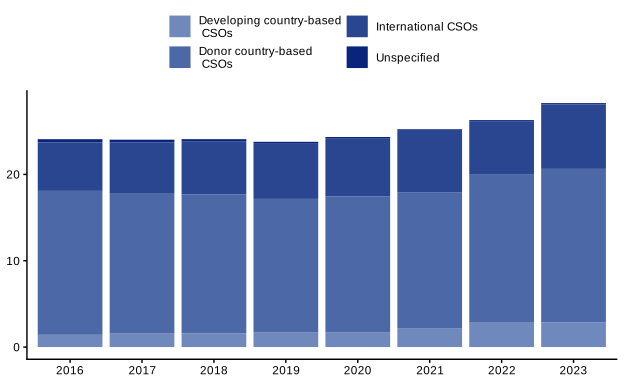
Source: OECD (2025[6]), OECD Data Explorer, Creditor Reporting System (flows) (Database), http://data-explorer.oecd.org/s/52.
Kenya hosts a vibrant civil society sector, and many CSOs were actively engaged in its pandemic response through direct activity and through their involvement in task forces and multidisciplinary committees. For example, the SDG Kenya Forum, which is comprised mainly of CSOs, provided PPE, hygiene kits, food and water to informal settlements, especially those in Kilifi, Kisumu, Mombasa and Nairobi during lockdowns. CSOs also played a key role in community mobilisation, awareness raising, psychosocial support, training, and capacity building. They also contributed to policy frameworks such as the Public Health Rules (for the prevention, control and suppression of COVID-19).
Source: AfDB/IDEV (2022[55]), African Development Bank Group’s COVID-19 Response Evaluation - Kenya Case Study, https://idev.afdb.org/sites/default/files/documents/files/Case_study_Kenya_COVID19_Evaluation.pdf.
Nepal's COVID-19 response illustrates how development partners effectively leveraged civil society organisation (CSO) networks to ensure the effective delivery of assistance during the pandemic. The country faced severe pandemic impacts, recording nearly 500 deaths per 100 000 people. With few development partners present in the country, CSO partnerships were particularly valuable.
A limited number of bilateral donors are present in Nepal. According to Finland's Embassy in Kathmandu, out of the three EU Member States with embassies in the country, only Finland and Germany engage in bilateral development co‑operation with Nepal. In this context, international partners work closely with CSOs to implement flexible and locally responsive programming.
Finland's crisis approach, for instance, relied on interventions operated via multi-donor funding arrangements and multilateral organisations. Embassy interviews confirmed that this multi-channel strategy proved particularly effective for pandemic-related project adjustments, in part due to robust CSO networks already in place that distributed COVID-19 relief support packages while maintaining implementation timelines despite disruptions.
The CSOs’ presence on the ground enabled a targeted response including in remote areas and among vulnerable groups. For example, Islamic Relief's operations in Nepal's Rautahat district allowed the delivery of food vouchers to over 1 700 vulnerable families and additional cash transfers for people unable to work. Simultaneously, the organisation supplied healthcare facilities with critical medical equipment and supplies just as hospitals were reaching capacity and oxygen supplies were dwindling. This showcased how CSO networks could respond rapidly to evolving emergency needs.
Source: Ministry for Foreign Affairs of Finland (2022[45]), “Response of Finnish Development Policy and Cooperation to the COVID-19 pandemic”, https://um.fi/documents/384998/0/Final_Report_From+Reactivity+to+Resilience_Assessment+of+the+Response+to+the+Covid-19+Pandemic_web+%281%29.pdf/a815a96a-2813-f9b2-66d8-c997c0ed22f7?t=1650435698559; Islamic Relief Worldwide (2021[104]), “Annual Report and Financial Statements”, https://islamic-relief.org/wp-content/uploads/2022/06/IRW-AnnualReport2021-WEB.pdf.
Civil society organisations (CSOs) were under-utilised in Burkina Faso’s response to COVID-19. There was limited inclusion of CSOs in the initial design processes, but their participation became more prominent in implementation. Notable contributions from CSOs included sensitisation campaigns, community mobilisation and the provision of essential supplies.
The National Youth Council, for example, launched the “Battalion 20-20” initiative, which carried out awareness-raising efforts, produced hydroalcoholic gel and masks, and supported the government’s broader response plan.
However, the contributions of CSOs were often fragmented and lacked integration with government efforts. Many operated independently or were inadequately supported, limiting the scale and efficiency of their impact. Discrepancies in communication between government authorities and CSOs occasionally hindered cohesive responses, as seen when crucial public health measures were enacted without CSO input or proper dissemination of information.
While CSOs demonstrated agility and resourcefulness, their limited involvement during the planning stages and their often-isolated initiatives underscored a missed opportunity to fully leverage their potential as partners in a comprehensive and inclusive response strategy.
Source: Government of Burkina Faso (2025[48]), “Évaluation du Plan National de Réponse à la Crise de la Pandémie de COVID-19 du Burkina Faso”, https://www.oecd.org/content/dam/oecd/en/toolkits/derec/evaluation-reports/derec/covid19coalition/%C3%89valuation%20du%20Plan%20National%20de%20R%C3%A9ponse%20%C3%A0%20la%20Crise%20de%20la%20Pand%C3%A9mie%20de%20COVID-19%20du%20Burkina%20Faso.pdf.
References
[102] AFD (2024), Evaluation of the Health in Common 2020 Initiative (HIC 2020), Agence française de développement, https://proparco-prod-waf.cegedim.cloud/en/ressources/evaluation-health-common-2020-initiative-hic-2020.
[55] AfDB IDEV (2022), African Development Bank Group’s COVID-19 Response Evaluation - Kenya Case Study, Independent Development Evaluation of the African Development Bank, https://idev.afdb.org/sites/default/files/documents/files/Case_study_Kenya_COVID19_Evaluation.pdf.
[7] ALNAP (2024), The humanitarian response to COVID-19: Lessons for future pandemics and global crises, Active Learning Network for Accountability and Performance, https://alnap.org/help-library/resources/the-humanitarian-response-to-covid-19-key-lessons-from-covid-19-for-the-next-pandemic/the-humanitarian-response-to-covid-19-lessons-for-future-pandemics-and-global-crises/ (accessed on 30 July 2025).
[75] Aoude, S. (2021), Cash and voucher assistance in response to the COVID-19 pandemic: lessons learned from a CARE multi-country program. Atlanta: CARE International, CALP NETWORK, https://www.calpnetwork.org/publication/cash-and-voucher-assistance-in-response-to-the-covid-19-pandemic-lessons-learned-from-a-care-multi-country-program/ (accessed on 6 August 2025).
[37] Asian News Network (2022), Cambodia has spent over $3 billion spent in two years to combat Covid-19, https://asianews.network/cambodia-has-spent-over-3-billion-spent-in-two-years-to-combat-covid-19/ (accessed on 6 August 2025).
[61] Borkowski, A. et al. (2021), COVID-19: Missing More Than a Classroom, United Nations Children’s Fund (UNICEF), https://files.eric.ed.gov/fulltext/ED612428.pdf.
[4] Brien, P. and M. Keep (2023), Public spending during the COVID-19 pandemic. UK Parliament, House of Commons Library, https://commonslibrary.parliament.uk/research-briefings/cbp-9309/#:~:text=The%20Covid%2D19%20pandemic%20resulted,per%20person%20in%20the%20UK.
[36] Business Media (2021), The Pandemic Cost Georgia’s Budget 7.2 Billion Gel – Minister of Finance, https://bm.ge/en/news/the-pandemic-cost-georgias-budget-72-billion-gel--minister-of-finance/84717 (accessed on 6 August 2025).
[35] Cabri (2021), COVID-19 Public Finance Response Monitor, https://www.cabri-sbo.org/en/pages/covid-19-public-finance-monitor (accessed on 6 August 2025).
[79] CIKD (2023), International Development Cooperation: China’s Practice—COVID-19 Assistance, Center for International Knowledge on Development, https://en.cikd.org/ms/file/getimage/1659463086722162689.
[93] Cooper, M. et al. (2023), COVAX Facility and AMC Formative Review and Baseline Study: Final Report, Itad, https://www.gavi.org/sites/default/files/programmes-impact/our-impact/Final-Report_COVAX-Facility-and-COVAX-AMC-Formative-Review-and-Baseline-Study.pdf (accessed on January 2025).
[92] COVID Collective (2024), Local impacts of global vaccine inequalities: Post-pandemic informal settlement experiences, https://www.covid-collective.net/local-impacts-of-global-vaccine-inequalities-post-pandemic-informal-settlement-experiences/ (accessed on 6 August 2025).
[29] Dalberg (2023), WHO’s response to COVID-19 in the Eastern Mediterranean Region: Independent review by Dalberg Advisors, Dalberg/World Health Organization, https://cdn.who.int/media/docs/default-source/evaluation-office/who-s-response-to-covid-19-in-the-emr---independent-review_february-2023_final.pdf?sfvrsn=130ab01a_3%26download=true.
[39] Défis Humanitaires (2021), Global Humanitarian Assistance Report 2021 - Key figures, https://defishumanitaires.com/en/2021/10/01/global-humanitarian-assistance-report-2021-key-figures/ (accessed on 6 August 2025).
[57] DEval (2024), Evaluation of the BMZ Emergency COVID-19 Support Programme, https://www.deval.org/fileadmin/Redaktion/PDF/05-Publikationen/Berichte/2024_CSP/2024_DEval_CSP_EN_WEB_barrierefrei.pdf.
[73] DEval (2024), The BMZ Emergency COVID-19 Support Programme in Lebanon, https://www.deval.org/fileadmin/Redaktion/PDF/05-Publikationen/Berichte/2024_CSP/DEval_CountrySheet_Lebanon.pdf.
[77] DRC (2021), Global COVID–19 Response: Final Report May - December 2020, Danish Refugee Council, https://drc.ngo/media/obhhrrqo/drc-global-covid-19-appeal-2020-12-march-2021.pdf.
[43] EBA (2022), Swedish Aid in the Time of the Pandemic, Expert Group for Aid Studies, https://eba.se/en/reports/eba-reports/swedish-aid-in-the-time-of-the-pandemic-2/19663/ (accessed on 6 August 2025).
[22] EBRD (2022), Our response to the Covid-19 pandemic, European Bank for Reconstruction and Development, https://www.ebrd.com/home/what-we-do/focus-areas/our-response-to-the-covid-19-pandemic.html (accessed on 6 August 2025).
[51] European Commission/ADE (2022), Fast-Track Assessment: EU Initial Response to the COVID-19 Crisis in Partner Countries and Regions, Volume I – Main Report, European Commission: Directorate-General for International Partnerships/ADE, https://data.europa.eu/doi/10.2841/973188.
[58] FAO (2024), The State of Food Security and Nutrition in the World 2024: Financing to end hunger, food insecurity and malnutrition in all its forms, Food and Agriculture Organization, https://openknowledge.fao.org/items/ebe19244-9611-443c-a2a6-25cec697b361 (accessed on 24 January 2025).
[9] FAO (2022), Real-time evaluation of FAO’s COVID-19 Response and Recovery, Final Report, Food and Agriculture Organization, https://openknowledge.fao.org/server/api/core/bitstreams/53055d9b-d477-48be-bb30-e151d69009da/content.
[65] FAO (2022), “The State of nutrition: Progress Towards Global Nutrition Targets”, The State of Food Security and Nutrition in the World 2022, Food and Agriculture Organization, https://openknowledge.fao.org/server/api/core/bitstreams/6ca1510c-9341-4d6a-b285-5f5e8743cc46/content/sofi-2022/global-nutrition-targets-trends.html.
[63] Ferrero, E., Wineman and A. Mitchell (2023), “Changes in school feeding operations during the COVID‑19 pandemic: evidence from 139 countries”, Vol. 15, pp. 1521–1537, https://doi.org/10.1007/s12571-023-01393-1.
[5] GAO (2023), COVID-19 Relief: Funding and Spending as of Jan. 31, 2023, U.S. Government Accountability Office, https://www.gao.gov/products/gao-23-106647.
[86] Gavi (2022), COVAX crosses milestone of 500 million donated doses shipped to 105 countries, https://www.gavi.org/news/media-room/covax-crosses-milestone-500-million-donated-doses-shipped-105-countries (accessed on 6 August 2025).
[80] Gavi (2022), COVAX Facility and COVAX Advance Market Commitment (AMC) Formative Review and Baseline Study, https://www.gavi.org/our-impact/evaluation-studies/covax-facility-and-covax-advance-market-commitment-amc-formative-review-and-baseline-study.
[89] Gavi (forthcoming), Evaluation of COVAX Facility and AMC and COVAX Pillar Delivery Effort, April 2025, (publication forthcoming).
[48] Government of Burkina Faso (2025), Évaluation du Plan National de Réponse à la Crise de la Pandémie de COVID-19 du Burkina Faso, DGEP, https://www.oecd.org/content/dam/oecd/en/toolkits/derec/evaluation-reports/derec/covid19coalition/%C3%89valuation%20du%20Plan%20National%20de%20R%C3%A9ponse%20%C3%A0%20la%20Crise%20de%20la%20Pand%C3%A9mie%20de%20COVID-19%20du%20Burkina%20Faso.pdf.
[25] Government of Ireland (2025), Irish Support for Global Responses to COVID-19 Reaches €123 Million, https://www.gov.ie/ga/an-roinn-gn%C3%B3tha%C3%AD-eachtracha/preaseisiuinti/irish-support-for-global-responses-to-covid-19-reaches-123-million/.
[28] Government of Luxembourg (2020), Personnel médical cubain renforce le service de santé du Cabo Verde dans le cadre d’une coopération triangulaire Cabo Verde – Cuba – Luxembourg, https://praia.mae.lu/fr/actualites/2020/personnel-medical-cubain-renforce-cabo-verde.html.
[19] Holtz, L. (2021), Commentary: COVID-19’s impact on overall health care services in Africa, Brookings, https://www.brookings.edu/articles/covid-19s-impact-on-overall-health-care-services-in-africa/ (accessed on 6 August 2025).
[38] Humanitarian Action (2025), Global Humanitarian Overview 2024, United Nations Office for the Coordination of Humanitarian Affairs (OCHA), https://humanitarianaction.info/document/global-humanitarian-overview-2024/article/response-plans-overview-2024.
[47] IAHE (2022), Inter-Agency Humanitarian Evaluation of the COVID-19 Humanitarian Response, Inter-Agency Humanitarian Evaluation, https://interagencystandingcommittee.org/sites/default/files/migrated/2023-03/Inter-Agency%20Humanitarian%20Evaluation%20COVID-19.%20Main%20Report.pdf (accessed on 24 January 2025).
[41] ICAI (2022), The UK’s humanitarian response to COVID-19, Independent Commission for Aid Impact, https://icai.independent.gov.uk/review/the-uks-humanitarian-response-to-covid-19/.
[101] ICNL (2020), Preserving Human Rights During a Pandemic CORONAVIRUS AND CIVIC SPACE Preserving Human Rights During a Pandemic International Center for Not-for-Profit Law Coronavirus and Civic Space, International Center for Not-for-Profit Law, https://www.icnl.org/wp-content/uploads/03.2020-Coronavirus-and-Civic-Space.pdf.
[88] IMF (2022), IMF-WHO COVID-19 Vaccine Tracker, International Monetary Fund, https://www.imf.org/en/Topics/imf-and-covid19/IMF-WHO-COVID-19-Vaccine-Tracker (accessed on 6 August 2025).
[85] IMF (2022), Seven Finance and Trade Lessons from COVID-19 for Future Pandemics, International Monetary Fund, https://www.imf.org/en/Publications/WP/Issues/2022/05/20/Seven-Finance-Trade-Lessons-from-COVID-19-for-Future-Pandemics-517755 (accessed on January 2025).
[104] Islamic Relief Worldwide (2021), Islamic Relief Worldwide: Annual Report and Financial Statements 2021, https://islamic-relief.org/wp-content/uploads/2022/06/IRW-AnnualReport2021-WEB.pdf.
[67] Kiremidijian, C. et al. (2023), USAID’s Private Sector Engagement Amidst COVID-19: A landscape Study. Feed The Future Market Systems and Partnerships Activity, United States Agency for International Development (USAID).
[49] Laser Pulse (2024), USAID/BHA FY 2021 COVID-19 Performance Evaluation: Evaluation Question 1 Brief, https://laserpulse.org/wp-content/uploads/2024/08/Thematic-Evaluation-Study-2-Lessons-on-BHA-Surge-Funding.pdf.
[97] McKinsey and Company (2021), Port to patient: Improving country cold chains for COVID-19 vaccines, https://www.mckinsey.com/industries/social-sector/our-insights/port-to-patient-improving-country-cold-chains-for-covid-19-vaccines (accessed on 6 August 2025).
[15] M’ikanatha, N. and D. Welliver (2021), “Strengthening the WHO in the pandemic era by removing a persistent structural defect in financing”, Global Health, Vol. 17, https://doi.org/10.1186/s12992-021-00780-7 (accessed on January 2025).
[2] Ministerio de Asuntos Exteriores, Unión Europea and Cooperación (2024), Evaluación de la estrategia de respuesta conjunta de la cooperación española a la crisis del covid-19 y del plan acceso universal 2020-2022.
[45] Ministry for Foreign Affairs of Finland (2022), Response of Finnish Development Policy and Cooperation to the COVID-19 Pandemic, Ministry for Foreign Affairs of Finland, https://um.fi/documents/384998/0/Final_Report_From+Reactivity+to+Resilience_Assessment+of+the+Response+to+the+Covid-19+Pandemic_web+%281%29.pdf/a815a96a-2813-f9b2-66d8-c997c0ed22f7?t=1650435698559.
[52] Ministry of Foreign Affairs and Trade of New Zealand (2025), New Zealand’s International Development and Humanitarian Response to the COVID-19 Pandemic (2020-2022), https://www.mfat.govt.nz/assets/Aid-Prog-docs/Evaluations/2025/OECD-COVID-19-Global-Evaluation-Coalition-New-Zealand-Case-Study.pdf.
[68] Ministry of Foreign Affairs and Trade of New Zealand (forthcoming), OECD Strategic Joint Evaluation of the Collective International Development and Humanitarian Assistance Response to the COVID-19 Pandemic, New Zealand Case Study (2020-2022):.
[91] Moore, S. et al. (2022), “Retrospectively modelling the effects of increased global vaccine sharing on the COVID-19 pandemic Nat Med. 2022; 28:2416-2423”, Nat Med, Vol. 28/11, https://doi.org/10.1038/s41591-022-02064-y.
[44] NORAD (2020), Responding to the Covid-19 Pandemic - Early Norwegian Development Aid Support, Evaluation Department, Norwegian Agency for Development Cooperation, https://www.norad.no/contentassets/b62a8597ee5d4b96a6701b3ca51a3b6e/background-study-1-20-responding-to-the-covid-19-pandemic/ (accessed on 24 January 2025).
[6] OECD (2025), OECD Data Explorer, Creditor Reporting System (flows) (Database), http://data-explorer.oecd.org/s/52.
[26] OECD (2025), The Development and Humanitarian Response to the COVID-19 Pandemic in Bangladesh (2020-2022), OECD Publishing, Paris, https://doi.org/10.1787/c3e42f6f-en.
[23] OECD (2025), The Development and Humanitarian Response to the COVID-19 Pandemic in Cabo Verde (2020-2022), OECD Publishing, Paris, https://doi.org/10.1787/b763ab50-en.
[30] OECD (2025), The Development and Humanitarian Response to the COVID-19 Pandemic in Lebanon (2020-2022), OECD Publishing, https://doi.org/10.1787/f8f7325c-en.
[33] OECD (2023), Development Co-operation Report 2023: Debating the Aid System, OECD Publishing, Paris, https://doi.org/10.1787/f6edc3c2-en.
[78] OECD (2021), “Coronavirus (COVID-19) vaccines for developing countries: An equal shot at recovery”, OECD Policy Responses to Coronavirus (COVID-19), OECD Publishing, Paris, https://doi.org/10.1787/6b0771e6-en.
[3] OECD (2021), COVID-19 spending helped to lift foreign aid to an all-time high in 2020 but more effort needed, OECD Publishing, Paris, https://web-archive.oecd.org/temp/2021-04-13/584751-covid-19-spending-helped-to-lift-foreign-aid-to-an-all-time-high-in-2020-but-more-effort-needed.htm.
[1] OECD (2020), COVID-19 Global Pandemic: Joint Statement by the Development Assistance Committee (DAC) of the Organisation for Economic Co-operation and Development (OECD), https://web-archive.oecd.org/temp/2023-07-04/550460-dac-covid-19-statement.htm (accessed on 6 August 2025).
[71] OECD (2020), OECD Development Co-operation Peer Reviews: Ireland 2020, OECD Development Co-operation Peer Reviews, OECD Publishing, Paris, https://doi.org/10.1787/c20f6995-en.
[24] OECD (forthcoming), The Development and Humanitarian Response to the COVID-19 Pandemic in Cambodia (2020-2022).
[54] OECD/AfDB (2025), The Development and Humanitarian Response to the COVID-19 Pandemic in Kenya (2020-2022), OECD Publishing, Paris, https://doi.org/10.1787/21d3dca0-en.
[70] OECD/IOB (2025), The Netherlands’ International Development and Humanitarian Response to the COVID-19 Pandemic (2020-2022), OECD Publishing, Paris, https://doi.org/10.1787/322da298-en.
[82] Our World in Data (2025), COVID-19 Pandemic, https://ourworldindata.org/coronavirus.
[83] Our World in Data (2024), Coronavirus (COVID-19) Vaccinations, https://ourworldindata.org/covid-vaccinations.
[27] PAHO (2023), Evaluation of the Pan American Health Organization Response to COVID-19 2020–2022. Volume I. Final Report, Pan American Health Organization, https://doi.org/10.37774/9789275127421.
[96] Pambudi, N. et al. (2021), “Vaccine cold chain management and cold storage technology to address the challenges of vaccination programs”, Energy Reports, Vol. 8, pp. 055-972, https://doi.org/10.1016/j.egyr.2021.12.039.
[17] Penn, C. et al. (2025), “Smart spending to combat global health threats: Tracking expenditure on prevention, preparedness, and response, and other global public goods for health”, OECD Health Working Papers, No 175, OECD Publishing, Paris, https://doi.org/10.1787/166d7c57-en.
[72] Presidency of South Africa (2021), Development of a Country Report on the Measures Implemented to Combat the Impact of Covid-19 in South Africa, https://www.gov.za/sites/default/files/gcis_document/202206/sa-covid-19-reporta.pdf.
[94] Puyavalle, A. and K. Storeng (2022), “COVAX, vaccine donations and the politics of global vaccine inequity”, Global Health, Vol. 18, https://doi.org/10.1186/s12992-022-00801-z.
[59] Rasul, G. et al. (2021), “Socio-economic implications of COVID-19 pandemic in South Asia: Emerging risks and growing challenges”, Frontiers in Sociology, Vol. 6, https://doi.org/10.3389/fsoc.2021.629693.
[103] Römling, C. et al. (2024), Evaluation of the BMZ Emergency COVID-19 Support Programme. Lessons from the Pandemic, German Institute for Development Evaluation (DEval), https://www.deval.org/fileadmin/Redaktion/PDF/05-Publikationen/Berichte/2024_CSP/2024_DEval_CSP_EN_WEB_barrierefrei.pdf (accessed on 24 January 2025).
[40] Schwensen, C. and L. Schiebel Smed (2023), What can evaluations tell us about the pandemic response? Document review for the strategic joint evaluation of the collective international development and humanitarian assistance response to the COVID-19 pandemic, COVID-19 Global Evaluation Coalition, https://alnap.org/help-library/resources/what-can-evaluations-tell-us-about-the-pandemic-response/.
[11] Shamasunder, S. et al. (2020), “COVID-19 reveals weak health systems by design: Why we must re-make global health in this historic moment”, Global Public Health, Vol. 15/7, pp. 1083-1089, https://doi.org/10.1080/17441692.2020.1760915.
[42] Sida (2021), Process evaluation on three donor agencies’ response to the COVID-19 pandemic in Bolivia during the period March-December 2020, Swedish International Development Cooperation Agency, https://www.sida.se/en/about-sida/publications/process-evaluation-of-three-donor-agencies-responses-to-the-covid-19-pandemic-in-bolivia-during-the-period-march-december-2020 (accessed on 6 August 2025).
[74] Start Network (2020), Start fund COVID-19: an overview, https://startnetwork.org/focus-areas/all-initiatives/past-programmes/start-fund-covid-19 (accessed on 6 August 2025).
[76] Taylor, G. et al. (2022), COVID-19 Global Evaluation, “Joint evaluation of the protection of the rights of refugees during the COVID-19 pandemic”, United Nations High Commissioner for Refugees (UNHCR), https://www.unhcr.org/sites/default/files/legacy-pdf/62c6ceca4.pdf.
[21] The Global Fund (2024), The Global Fund to Fight AIDS, Tuberculosis and Malaria: Strategic Review 2023 - Final Report, https://archive.theglobalfund.org/media/14284/archive_bm51-10a-2023-strategic-review_report_en.pdf (accessed on 25 January 2025).
[18] Tran, B. et al. (2020), “Understanding health seeking behaviors to inform COVID-19 surveillance and detection in resource-scarce settings”, Global Health, Vol. 10/2, https://doi.org/10.7189/jogh.10.0203106.
[69] Triple Line (2024), Summative Evaluation of GPE’s COVID-19 Response: Final Report, https://www.globalpartnership.org/content/summative-evaluation-gpes-covid-19-response-final-report (accessed on 6 August 2025).
[95] Ulep, V. (2022), Strengthening Health Systems to Address Inequities in COVID-19 Vaccine Access in the AsiaPacific Region, ARTNeT Working Paper Series, No 221, https://www.econstor.eu/bitstream/10419/266488/1/1823557600.pdf.
[13] UN (2024), Good Health and Well-being, United Nations, Department of Economic and Social Affairs (Statistics), https://unstats.un.org/UNSDWebsite/undatacommons/goals?v=dc/topic/undata/sdg_3 (accessed on 6 August 2025).
[8] UN (2020), Financing for Development in the Era of COVID-19 and Beyond. Menu of Options for the Consideration of Head of State and Government Part 1, United Nations, https://www.un.org/sites/un2.un.org/files/2020/10/financing_for_development_covid19_part_i_hosg.pdf (accessed on 24 January 2025).
[100] UNCTAD (2021), Export restrictions do not help fight COVID-19, United Nations Conference on Trade and Development, https://unctad.org/news/export-restrictions-do-not-help-fight-covid-19 (accessed on 6 August 2025).
[46] UNDP IEO (2022), Financing the Recovery, A Formative Evaluation of UNDP’s Response to the COVID-19 Pandemic and SDG Financing, United Nations Development Programme, https://erc.undp.org/evaluation/documents/detail/20116 (accessed on 23 January 2025).
[98] UNICEF (2021), COVID-19 Behavioural Drivers and Patterns: A longitudinal assessment from the South Asia region. Findings from Afghanistan, India, Nepal and Pakistan, United Nations Children’s Fund, https://www.unicef.org/rosa/media/16941/file/Final%20report%20-%20COVID-19%20Behavioural%20Drivers%20and%20Patterns:%20%20A%20longitudinal%20assessment%20from%20the%20South%20Asia%20region%20(November%202021).pdf.
[64] United Nations (2020), Policy Brief: The Impact of COVID-19 on Food Security and Nutrition, https://unsdg.un.org/resources/policy-brief-impact-covid-19-food-security-and-nutrition (accessed on 1 August 2025).
[50] UNSDG (2022), System-Wide Evaluation of the UNDS Socio-economic Response to COVID-19 Final Report, https://unsdg.un.org/resources/system-wide-evaluation-unds-socio-economic-response-covid-19-final-report (accessed on 29 January 2025).
[84] USAID (2023), Tracking the First- and Second-Order Impacts of COVID-19, U.S. Agency for International Development, https://www.usaid.gov/coronavirus/documents/landscape-analysis-tracking-first-and-second-order-impacts-covid-19.
[60] Van Lancker, W. and Z. Parolin (2020), “COVID-19, school closures, and child poverty: a social crisis in the making”, The Lancet, Vol. 5/5, https://www.thelancet.com/journals/lanpub/article/PIIS24682667(20)30084-0/fulltext.
[90] Watson, O. et al. (2022), Global impact of the first year of COVID-19 vaccination: a mathematical modelling study, The Lancet, https://www.thelancet.com/action/showPdf?pii=S1473-3099%2822%2900320-6.
[66] WFP (2022), Evaluation of WFP’s Response to the COVID-19 Pandemic, World Food Programme, https://www.wfp.org/publications/evaluation-wfps-response-covid-19-pandemic (accessed on 30 July 2025).
[62] WFP (2019), The impact of school feeding programmes, World Food Programme, https://docs.wfp.org/api/documents/WFP-0000102338/download/.
[81] WHO (2025), COVID Vaccination Data, World Health Organization, https://data.who.int/dashboards/covid19/vaccines?m49=268.
[31] WHO (2024), Global Health Expenditure Database, World Health Organization, https://apps.who.int/nha/database/Select/Indicators/en (accessed on 6 August 2025).
[32] WHO (2024), Global spending on health: Emerging from the pandemic, World Health Organization, https://iris.who.int/handle/10665/379750.
[16] WHO (2024), How WHO is funded, World Health Organization, https://www.who.int/about/funding.
[99] WHO (2022), Accelerating COVID-19 Vaccine Deployment. Removing obstacles to increase coverage levels and protect those at high risk, World Health Organization, https://www.who.int/publications/m/item/accelerating-covid-19-vaccine-deployment.
[87] WHO (2021), ACT-Accelerator 2021 Progress Report, World Health Organization, https://www.who.int/publications/m/item/act-a-prioritized-strategy-and-budget-for-2021.
[34] WHO (2021), Global expenditure on health: public spending on the rise?, World Health Organization, https://www.who.int/publications/i/item/9789240041219.
[10] WHO (2021), Spotlight: The impact of COVID-19 on global health goals, World Health Organization, https://www.who.int/news-room/spotlight/the-impact-of-covid-19-on-global-health-goals (accessed on 6 August 2025).
[20] WHO (2020), WHO Director-General’s opening remarks at the media briefing on COVID-19 - 11 March 2020, World Health Organization, https://www.who.int/director-general/speeches/detail/who-director-general-s-opening-remarks-at-the-media-briefing-on-covid-19---11-march-2020 (accessed on 6 August 2025).
[14] Williamson, A. et al. (2022), “Effective post-pandemic governance must focus on shared challenges”, The Lancet, Vol. 399/10340, pp. 1999-2001, https://doi.org/10.1016/s0140-6736(22)00891-1.
[53] World Bank (2024), Ensuring Learning Continuity During Crises: Applying Lessons from the COVID-19 Pandemic to Shape Resilience and Adaptability, World Bank Group, https://www.worldbank.org/en/results/2024/10/30/learning-education-continuity-during-crises-covid19 (accessed on 24 January 2025).
[56] World Bank (2022), The World Bank’s Early Support to Addressing COVID-19 Health and Social Response - An Early-Stage Evaluation, Independent Evaluation Group, Washington; World Bank, https://ieg.worldbankgroup.org/sites/default/files/Data/Evaluation/files/Covid-19-health-and-social-response.pdf.
[12] Zhao, L. et al. (2022), “Evaluation of health system resilience in 60 countries based on their responses to COVID-19”, Front. Public Health, Vol. 10, https://doi.org/10.3389/fpubh.2022.1081068.
← 1. This analysis does not provide a full picture – underrepresenting health spending – because many DAC members focused their COVID-related health spending on support to multilateral efforts, not all of which appear in the sector-based analysis.
← 2. This included oxygen plants, liquid medical oxygen tanks, infrastructure for piped medical oxygen to hospital beds and oxygen monitoring devices.
← 3. The Nordic Plus group consists of Denmark, Finland, Ireland, the Netherlands, Norway, Sweden and the United Kingdom.