This chapter examines how the Azores can adapt its land use and spatial planning frameworks to address demographic challenges, particularly population decline in remote islands alongside tourism-driven growth in select areas. It analyses current land use patterns and housing market dynamics, where a pattern of sprawl and scattered construction in shrinking areas continues to prevail. The chapter also evaluates the evolution of spatial planning frameworks, identifying how regional and municipal plans are challenged in incorporating demographic realities and modern planning principles. Policy recommendations focus on four strategic areas: aligning spatial planning with population projections through modernised planning instruments, supporting smart densification through land value capture mechanisms and fiscal reforms, building housing where it is needed most, and strengthening cooperation across municipalities in spatial planning.
Preparing for Demographic Change in the Azores, Portugal

Abstract
Demographic trends vary widely across the Azores. Smaller, remote islands such as Flores, Graciosa and São Jorge face population decline, as do remote municipalities such as Nordeste on São Miguel. In contrast, Pico Island and areas adjacent to the main urban centre of Ponta Delgada have experienced population growth, driven by factors including a booming tourism sector and urban sprawl. These diverging patterns make promoting coherent land use challenging and can make it difficult to preserve valuable land resources that are key for the long-term ecological and economic well-being of the archipelago. This uneven development further complicates efforts to provide affordable housing near economic centres, hindering the attraction of younger, economically active residents who could help fill skills gaps and diversify the regional economy.
The Azores possesses unique characteristics, including a fragmented geography, isolation from mainland Portugal, valuable biodiversity and natural reserves, and growing tourism. These factors necessitate a coordinated spatial planning response to best address demographic change amidst increasing development pressures. However, recent trends indicate increasing inefficiencies in land use, with land take expanding despite population loss. Housing market imbalances grow, as construction continues in shrinking areas while tourism-centred locations face shortages.
Improving land use efficiency is essential to counter the fiscal burdens of population decline, including rising per capita infrastructure and service costs amidst decreasing revenues. This challenge is particularly acute in the Azores, where developable land is scarce. Well-designed spatial planning can optimise land allocation while also enhancing regional attractiveness, especially for young adults. This approach can create affordable communities where people want to live, with better connections between homes and jobs for both current workers and the future workforce needed to address skills shortages in the region. Coherent spatial planning can also help preserve the distinctive cultural landscapes and natural environments that contribute to place attachment and regional identity. Moreover, preserving the region’s finite land resources is essential in protecting its unique ecosystems and agricultural heritage, which are key assets that support both tourism and traditional livelihoods.
This chapter examines the land use patterns and spatial planning framework of the Azores, offering policy recommendations to improve resilience in view of demographic change. It begins with an overview of land use trends and geographic development patterns, including the environmental impacts of current development practices. Next, the chapter examines housing markets, focusing on affordability, tourism pressures, and the ageing housing stock. The chapter then examines the spatial planning framework of Portugal and the region, revealing how governance structures at both national and regional levels have shaped many of the land use challenges confronting the Azores today. It concludes with policy recommendations to align spatial planning with demographic realities.
Given its geography, the Azores is constrained in land resources suitable for development. Most of the territory is comprised of either agricultural areas or forest areas and wetlands valuable for preservation (Figure 3.1). This predominance of natural and agricultural landscapes creates a tension between preservation needs and development pressures that spatial planning must address, while also underscoring the critical importance of land as a scarce resource requiring careful management. In addition, the areas surrounding the main urban centres are predominantly agricultural. This means that any development into these peripheral zones can generate negative economic impacts. As agriculture remains a vital sector of the economy and an essential component of the region’s identity, an expansion of urban areas can directly undermine the region’s economic foundation and endanger its traditional heritage.

Source: European Union (2020[1]), “CORINE Land Cover 2018 (vector), Europe, 6-yearly”. Copernicus Land Monitoring Service information, https://doi.org/10.2909/71c95a07-e296-44fc-b22b-415f42acfdf0.
The Azores has experienced scattered development and low-density sprawl
The geographical characteristics of the Azores play a critical role in shaping land development patterns. In addition to the islands being home to many protected natural areas and agricultural zones, their volcanic origins create steep topography, with significant portions of land unsuitable for construction due to rugged terrain, high erosion risks, and environmental sensitivity. Figure 3.2 illustrates the relationship between population change and built-up area growth across OECD regions, using grid-level data on land use and population. The Azores has demonstrated effective containment of built-up land expansion given its demographic dynamics, positioning the region as an outlier compared to both mainland Portuguese regions and other OECD regions.
While new land development has been limited in total extent, its spatial distribution across the Azores reveals land use challenges, including urban sprawl and an increasing disconnect between population dynamics and development trends. Development is primarily concentrated around the major urban centres of Ponta Delgada on São Miguel, Angra do Heroísmo on Terceira, and Horta on Faial (Figure 3.3). This pattern of scattered peripheral expansion highlights how new development is extending outward mainly into valuable agricultural lands. The map also reveals significant built-up surface growth along the coastlines of several islands including São Miguel, Terceira and São Jorge, encroaching upon ecologically sensitive areas vital for biodiversity conservation.
Change in built-up surface area and population (OECD TL3, 2010-2020, %)

Source: Pesaresi M., Politis P. (2023[2]), “GHS-BUILT-S R2023A - GHS built-up surface grid, derived from Sentinel2 composite and Landsat, multitemporal (1975-2030)”, European Commission, Joint Research Centre (JRC), https://doi.org/10.2905/9F06F36F-4B11-47EC-ABB0-4F8B7B1D72EA; OECD Local Municipal Database.
Change in built-up surface area (100m*100m grids)

Note: Grids are 100m*100m (10 000 sqm) in size.
Source: Pesaresi M., Politis P. (2023[2]), “GHS-BUILT-S R2023A - GHS built-up surface grid, derived from Sentinel2 composite and Landsat, multitemporal (1975-2030)”, European Commission, Joint Research Centre (JRC), https://doi.org/10.2905/9F06F36F-4B11-47EC-ABB0-4F8B7B1D72EA.
On the contrary, the island of Pico shows no significant new built-up surface growth despite a growing population, creating a mismatch between demographic pressures and development patterns. Considering that the three main urban centres experiencing the most intensive urban sprawl have seen their populations decline, current land use trends suggest an overall inefficient development pattern that struggles to address development needs in growing areas while continuing to consume valuable land where such expansion may not be demographically justified.
The areas experiencing significant built-up surface expansion, especially in the suburban rings surrounding the three main urban centres, tend to predominantly develop in a low-density pattern (Figure 3.4). Building heights remain uniformly low across the island of Pico despite development pressures from population growth and tourism, suggesting challenges in concentrating development through densification. An overall mismatch between efficient spatial development principles and actual development patterns can be witnessed, which presents challenges in promoting coherent spatial development practices across the region.
Average net building height (2020, m)

Note: Grids are 100m*100m (10 000 sqm) in size.
Source: Authors’ elaboration on the GHS-BUILT-S (Pesaresi M., 2023[2]) and GHS-BUILT-V (Pesaresi, 2023[3]). .
Spatial development practices undermine long-term sustainability
Low population density and inefficient spatial development patterns are often linked to higher GHG emissions, especially from the transport sector, as dispersed development makes the provision of efficient public transportation more difficult while increasing dependence on private vehicles. As a result, sparsely populated regions tend to exhibit higher per capita transport emissions (Figure 3.5). In the Azores, road transport contributes approximately 40% of total greenhouse gas emissions, surpassing denser metropolitan regions such as Lisbon and Porto as well as regions with a similar population density. Road transport emissions stand at 1.98 tonnes of CO2 equivalent per person. The region’s total transport-related emissions per capita are likely even higher because, unlike mainland Portugal, the Azores relies heavily on inter-island flights within the region that are highly subsidised.
Road transport sector GHG emissions per capita and population density (EU TL3, 2022)

Note: The dashed line is a simple linear trend line for all observations. Solid grey lines indicate the averages of EU countries.
Source: OECD Local Municipal Database based on EDGAR (Emissions Database for Global Atmospheric Research) Community GHG Database, a collaboration between the European Commission, Joint Research Centre (JRC), the International Energy Agency (IEA), and comprising IEA-EDGAR CO2, EDGAR CH4, EDGAR N2O, EDGAR F-GASES version 2024 European Commission, JRC (Datasets).
Public transit use in the Azores falls below the national average, with only 11.5% of commuters using public transportation compared to 16.2% across Portugal (Statistics Portugal, 2025[4]). Contrary to typical patterns, the region’s most populated municipalities including Ponta Delgada, Angra do Heroísmo and Horta report particularly low ridership rates compared to municipalities with similar densities in Portugal and also compared to less dense municipalities in the region (Figure 3.6). Rather, the data reveals that public transport is primarily utilised in lower-income municipalities such as Nordeste, Vila Franca do Campo, and Calheta, suggesting economic necessity rather than preference drives public transit use in these communities, where residents often lack access to private vehicles.
Areas surrounding the major urban centres of Ponta Delgada and Angra do Heroísmo contain substantial carbon sinks and thus possess significant ecological value (Figure 3.7). As previously noted, the pattern of low-density expansion into these urban peripheries not only consumes valuable agricultural land, but also degrades these high-biomass areas that play vital roles in carbon sequestration, biodiversity support, and climate regulation. The environmental consequences of development and fragmentation of carbon-rich land can trigger cascading effects, including reduced ecosystem resilience and diminished carrying capacity. This reduced resilience can manifest as a weakened ability to recover from disturbances such as extreme weather events, habitat loss or soil degradation. The diminished carrying capacity primarily affects biodiversity and the ability of natural systems to sustain essential ecological functions. Combined with the additional infrastructure demands and transport challenges created by sprawl, the development patterns in the Azores represent a multi-faceted sustainability challenge.
Share of commuters by public transit and population density in Portuguese municipalities (2021)

Note: The dashed line is a simple linear trend line for all Portuguese municipalities.
Source: Statistics Portugal (2021[5]), "Proportion of employed or student resident population using collective mode of transport in commuting (%) by Place of residence (NUTS-2013); Decennial", http://smi.ine.pt/Indicador/Detalhes/13065?LANG=EN.
Total biomass carbon in grasslands (2010)

Source: Spawn, S.A., Sullivan, C.C., Lark, T.J. et al. (2020[6]), Harmonized global maps of above and belowground biomass carbon density in the year 2010. Sci Data 7, 112 (2020). https://doi.org/10.1038/s41597-020-0444-4; European Commission Directorate-General Joint Research Centre. (2019[7]) “Land Cover 2015-2019 (raster 100m), global, annual – version 3”. https://globalland.vito.be/geonetwork/srv/api/records/clms _global_lcc_100m_v3_yearly.
Despite population decline, housing prices have risen dramatically. This challenge follows broader housing affordability concerns across the EU, where rapidly rising housing prices have prompted EU-level policy action to address the crisis (Box 3.1). Particularly since 2015, real estate values in the Azores have increased at a pace surpassing the national average and matching levels for the Algarve region, known for its tourism dependent economy (Figure 3.8). This rapid increase amid demographic contraction can be partly attributed to the liberalisation of the Azores airspace in 2015, which triggered a tourism boom and transformed housing demand across the islands (OECD, 2023[8]). The influx of visitors has created a lucrative market for holiday rentals and second homes, redirecting housing stock away from long-term residential use. Notably, these housing market dynamics occur alongside high vacancy rates in many areas of the region, especially in more remote islands and municipalities that are less accessible to tourists, creating a spatial mismatch in the housing market.
These housing market trends have significant implications especially for retaining and attracting the youth population, as rising prices make homeownership increasingly unattainable, accelerating outmigration and exacerbating demographic decline as well as skill shortages. Housing market mismatches further reinforce development patterns which fail to align with actual demographic projections, intensifying pressure on environmentally sensitive and agriculturally valuable lands and reducing access to affordable housing.
EU house prices have risen by 52% since 2015 (Eurostat, 2025[9]). This affordability crisis has threatened to relocate vulnerable groups away from opportunity-rich areas, weaken communities and local economies and undermine regional competitiveness. Recognising these challenges, the European Commission has established housing as a key priority area and a fundamental right within a modernised Cohesion policy framework (European Commission, 2025[10]).
EU Cohesion policy and the mid-term review
Cohesion Policy stands as the EU’s principal investment instrument, commanding nearly one-third of the EU budget (EUR 392 billion) for the 2021-2027 programming period. Through its various funding mechanisms, it drives targeted investments to strengthen economic, social and territorial cohesion across Member States. The current programming period has unfolded against a backdrop of unprecedented challenges, including the COVID-19 pandemic and Russia's war of aggression against Ukraine, which have fundamentally reshaped the EU's strategic priorities. The mid-term review (MTR) aims to propose amendments to Cohesion policy legislations that integrate the EU's emerging priorities into existing Cohesion programmes and accelerate investment delivery through simplification measures.
Affordable housing proposals in the MTR
The MTR aims to modernise Cohesion policy by addressing the growing housing affordability crisis across Europe, in alignment with the proposed European Affordable Housing Plan and the recommendations of the newly established European Parliament's Special Committee on the Housing Crisis.
It proposes to double Cohesion policy's support for affordable housing through legislative amendments that widen possibilities for Member States to reprogramme their 2021-2027 allocations toward housing investments. To provide adequate incentives, investments reallocated to affordable housing will benefit from enhanced pre-financing of 30% in 2026 and an increased EU co-financing rate of 100%.
Additionally, a model financial instrument has been prepared jointly with the European Investment Bank (EIB) for combining Cohesion policy funding with resources from the EIB and other financial institutions. This approach aims to increase the impact of Cohesion policy resources on affordable housing supply by leveraging private and concessional financing.
The MTR strongly encourages Member States to 1) double their allocated funding for affordable housing, 2) utilise financial instruments effectively, 3) accelerate and streamline permitting and planning processes at the local level and 4) support housing projects consistent with the New European Bauhaus initiative.
Source: European Commission (2025[10]), Communication from the Commission to the European Parliament and the Council, https://ec.europa.eu/regional_policy/information-sources/publications/communications/2025/a-modernised-cohesion-policy-the-mid-term-review_en.
Average real estate price index (NUTS2, base year 2000=100)

Source: Statistics Portugal (2020[11]), “Mean value of traded real estates (€/ No.) by Geographic localization (NUTS-2013) and Type of building; Annual”, http://smi.ine.pt/Indicador/Detalhes/12336?LANG=EN.
Housing is not being built where it is needed most
New housing construction remains concentrated in the main urban centres and their vicinity, despite population growth occurring in other areas (Figure 3.9). Between 2011 and 2022, more than half of all new housing in the region was constructed in Ponta Delgada, Ribeira Grande and Angra do Heroísmo. As these same urban centres have experienced population decline, this pattern may reflect oversupply where demand is stagnating, or alternatively, a mismatch between the type of housing being built and what residents can afford, potentially driving an exodus of population, particularly young families, to peripheral areas. Additionally, Vila da Praia da Vitória and Lagoa, municipalities situated near by Angra do Heroísmo and Ponta Delgada respectively, have experienced notable housing construction, reinforcing the pattern of urban sprawl. Meanwhile, Madalena on Pico island, which faces housing market pressures due to increased population and tourism demand, has seen comparatively little new construction activity in absolute terms given heighted housing prices and significant demand, though on a per capita basis it would still rank among the municipalities with higher construction rates.
This misalignment between housing supply and demand underscores the need for a more responsive spatial planning strategy where construction activity is better aligned with actual population shifts, ensuring that new housing development occurs where it is genuinely needed. As population declines, there is also a need to prioritise the adaptive repurposing of existing structures and vacant properties over new housing construction. Importantly, vacant properties exist throughout the region including within major urban centres such as Ponta Delgada, meaning repurposing efforts can provide affordable housing units in economically viable locations that could help retain and attract younger residents.
New housing constructions versus population change (2011-2022)

Source: Statistics Portugal (2023[12]), “Completed buildings (No.) by Geographic location (NUTS - 2013), Type of project and Project purpose; Annual”, http://smi.ine.pt/Indicador/Detalhes/12187?LANG=EN.
Portugal has the third lowest share of social housing among OECD countries (OECD, 2024[13]), and social housing also remains limited in the Azores, at just 2.28% of total housing stock (Statistics Portugal, 2025[4]). The share of social housing is less than 0.5% on islands such as Pico and São Jorge, even as real estate prices in these areas have risen by over 50% in recent years (Figure 3.10). On the island of São Miguel, a greater share of social housing is located in municipalities such as Ribeira Grande (5.88%), Lagoa (3.73%) and Vila Franca do Campo (4.32%) on the outskirts of the main urban centre of Ponta Delgada. This spatial arrangement can reinforce urban sprawl, requiring low-income residents to undertake lengthy commutes to access amenities and opportunities concentrated in Ponta Delgada. Considering the lack of public transit options on the island and in the region, this pattern can further entrench economic disparities as those most economically disadvantaged, such as the youth population, often lack access to private vehicles and thus face restricted access to employment opportunities concentrated in the main urban centre.
Share of social housing out of total housing stock (2015, %)

Note: Social housing (habitação social) is defined as cost-controlled housing for households in need, with a rent-supported contract or resolvable ownership.
Source: Statistics Portugal (2015[14]), “Council housing dwellings (No.) by Geographic localization (NUTS - 2013) and Dwellings typology; Annual”, http://smi.ine.pt/Indicador/Detalhes/13027?LANG=EN; Statistics Portugal (2022[15]), “Conventional dwellings (Housing stock - No.) by Geographic localization (NUTS - 2013); Annual”, http://smi.ine.pt/Indicador/Detalhes/12193?LANG=EN.
Seasonal dwellings pressure the housing market
Nights spent at tourist accommodation establishments in the region have tripled in the past 15 years, markedly outpacing growth in other Portuguese NUTS2 regions (Eurostat, 2025[16]). This tourism surge has significantly shifted housing demand toward short-term rental accommodation over permanent residences, intensifying affordability challenges for local populations.
The municipalities experiencing the most dramatic price increases demonstrate higher shares of seasonal dwellings (Figure 3.11). Lajes do Pico and Calheta experienced more than a doubling of housing prices between 2010 and 2020 while also having a greater than 30% share of seasonal dwellings. Meanwhile, real estate prices have remained stable in municipalities with fewer seasonal properties, such as Vila da Praia da Vitória, Ribeira Grande and Santa Cruz das Flores.
This concentration of tourism-oriented housing effectively removes substantial portions of the housing stock from the permanent residential market, particularly in communities where available land for development is already constrained. While tourism provides vital economic benefits, the unchecked expansion of seasonal and short-term dwellings risks displacing local communities and exacerbating the spatial planning challenges documented throughout this chapter.
Share of dwellings with seasonal use as a percentage of total housing stock (2021) versus change in the mean value of traded real estate (2010-2020, %)

Note: The dashed line is a simple linear trend line for all observations.
Source: Statistics Portugal (2021[17]), “Proportion of conventional dwellings with seasonal use (%) by Geographic location at Census date [2021] (NUTS - 2013); Decennial”, http://smi.ine.pt/Indicador/Detalhes/15343?LANG=EN; Statistics Portugal (2020[11]), “Mean value of traded real estates (€/ No.) by Geographic localization (NUTS-2013) and Type of building; Annual”, http://smi.ine.pt/Indicador/Detalhes/12336?LANG=EN.
High vacancy rates and an ageing housing stock challenge more remote areas
Housing vacancy rates are high, particularly in more remote islands and municipalities far from urban centres (Figure 3.12). In Corvo and Flores, vacant dwellings exceed 20% of total housing stock as of 2021, significantly surpassing both regional (12.4%) and national averages (12.1%) (Statistics Portugal, 2025[4]). This is compounded by an ageing housing inventory, with nearly 60% of the region's housing units being over 30 years old, with a particularly high concentration of older dwellings in remote municipalities (Statistics Portugal, 2025[4]). This combination of vacancies and ageing housing stock perpetuates a disadvantageous cycle wherein underutilised and deteriorating properties diminish neighbourhood appeal, discouraging investment and accelerating population loss.
Relatively high vacancy rates persist even in some areas experiencing population growth and housing demand. 12% of housing units remain unoccupied in Madalena on Pico island, despite market pressures due to increased population and tourism. This can result in inefficient use of housing that artificially constrains supply while housing costs continue to rise. This situation creates particular challenges for younger generations attempting to establish independent households, as they face the combined barriers of limited availability and declining affordability, reducing mobility and the capacity of young people to respond to skills shortages, impairing employment and productivity. The resulting housing insecurity can also undermine the ability of young adults to build stable lives in their home communities, which can contribute to delayed family formation and accelerated outmigration.
Housing vacancy rate in the Azores municipalities (2021, %)

Source: Statistics Portugal (2021[18]), “Proportion of vacant conventional dwellings (%) by Geographic location at Census date [2021] (NUTS - 2013); Decennial”, http://smi.ine.pt/Indicador/Detalhes/15344?LANG=EN.
Modern spatial planning in Portugal dates back to the 1930s, when the Estado Novo regime introduced mandated town planning schemes (Planos Gerais de Urbanização) for cities with over 2500 inhabitants (Cavaco et al., 2021[19]). Prior to Portugal’s democratic revolution in 1974, spatial planning was largely administrative and regulatory, focusing on land use control rather than a broader vision for territorial development. While the 1960s saw the creation of Regional Planning Commissions (CPRs) and a shift toward regional development, spatial planning remained centralised, with limited participation from local governments or civil society.
Following the revolution, the country's spatial planning system underwent significant transformation (Figure 3.13). The initial period of democratisation brought a decentralisation process that empowered municipalities with new spatial planning responsibilities. The 1977 law for local authorities strengthened municipal autonomy in land use change and regulation. The Municipal Master Plan (Plano Diretor Municipal, PDM) became mandatory for all municipalities in 1990 following Portugal’s accession into the European Economic Community, with the government imposing sanctions that banned access to European Structural Funds for municipalities without an effective and compliant PDM (Cavaco et al., 2021[19]). This incentive revolutionised planning practice and transformed Portugal within a decade from a country with minimal formal planning to one with comprehensive municipal spatial planning coverage.
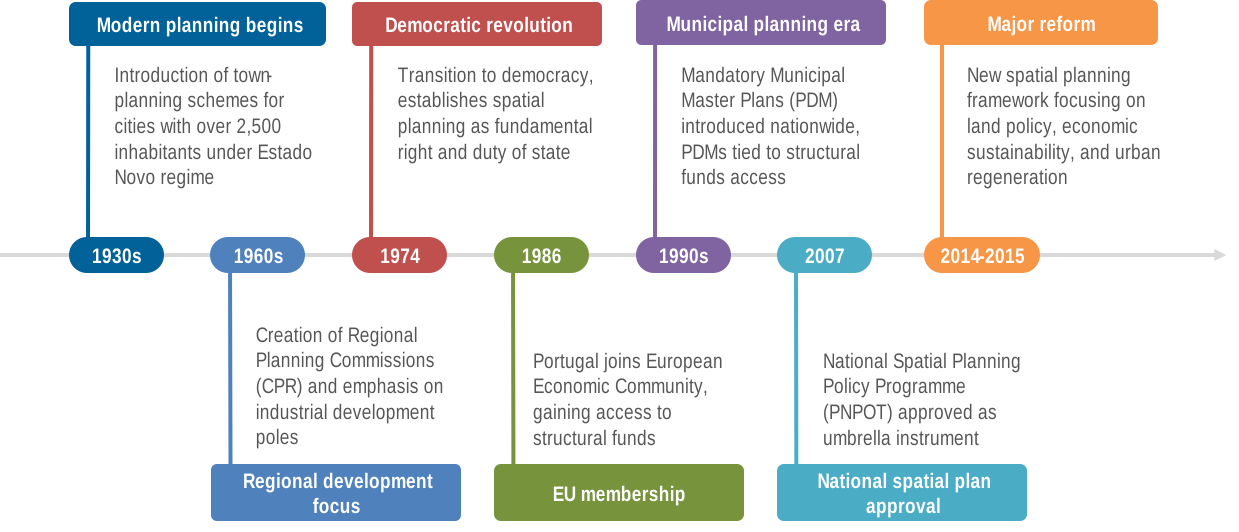
Source: Authors’ elaboration
A hierarchical spatial planning system was established in 1998 with the publishing of the first comprehensive framework act. It structured planning instruments at national, regional and municipal levels, distinguishing between strategic, development-oriented “Territorial programmes” and regulatory land-use “territorial plans” (Figure 3.14). At the national level, the National Programme of Spatial Planning (Programa Nacional da Política de Ordenamento do Território, PNPOT), first approved in 2007, sets strategic objectives for territorial development, complemented by Special Programmes (Programas Especiais, PE) that focus on environmentally and culturally significant areas. Regional Programmes for Spatial Planning (Programa Regional de Ordenamento do Território, PROT) translate these national policies into regional strategies, with the aim of aligning them with municipal planning efforts. However, the rejection of administrative regionalisation in 1998 has led to challenges in coordinating national and local planning priorities that persist to this day. Municipalities are primarily responsible for land-use planning through Municipal (or Inter-Municipal) Director Plans (Planos Diretores Municipais e Intermunicipais, PDM), which serve as the main regulatory instrument for land use. Urban Development Plans (Plano de Urbanização, PU) and Local Detailed Plans (Plano de Pormenor, PP) provide more localised planning regulations, though they are less commonly implemented.
Recent reform of planning legislation emphasises sustainable land management but presents challenges in implementation
The 2014/2015 reform of Portugal's spatial planning framework emerged in response to misalignments that had become evident following the 2008 global financial crisis. Prior to the reform, municipal master plans had often drawn oversized urban perimeters that exceeded demographic and economic needs, classifying an excess of rural areas as "land for development" (solo urbanizável). This practice had fuelled property speculation, created fragmented settlement patterns, and led to significant housing surplus coupled with increasing vacant land retained for speculative purposes. The existing land policy instruments dating back to 1976 had also proven inadequate in the face of changing demands for planning decisions that were more sustainable and financially viable.

Source: Author’s elaboration and modification based on Cavaco, C. et al. (2021[19]), Spatial Planning and Regional Development in Portugal, Lisboa: Direção-Geral do Território.
The cornerstone of the reform was Law No. 31/2014, of 30 May (Lei de Bases Gerais da Política Pública de Solos, de Ordenamento do Território e de Urbanismo), which redefined land management, governance structures, and planning instruments. It introduced several critical changes, including eliminating the land use category of "land for development" and establishing a mechanism to revert undeveloped urban land back to rural classification, including provisions for the expiry of development privileges where expected works had not materialised. The new legislation required municipalities to demonstrate the economic and financial feasibility of land use decisions in advance and implemented systems for the equitable sharing of capital gains generated by planning decisions. Additionally, a new variable tax was introduced, where differential tax rates became applicable depending on infrastructure costs and social benefits provided by development projects. Notably, the reform also extended planning instruments to the intermunicipal level (Planos Diretores Intermunicipais), allowing municipalities to jointly promote supra-municipal programmes or plans.
Implementation of the 2014/2015 reform has proven challenging and remains largely incomplete in many regions and municipalities. Despite the initial five-year transitional period (later extended until 2022), many regional and municipal plans, including that for the Azores, have not yet been updated to comply with the new standards and requirements. Furthermore, the intended shift in planning paradigms from urban expansion towards containment and regeneration has proven difficult to implement in practice, with many municipalities continuing to operate under outdated plans that do not reflect demographic realities.
Notably, no intermunicipal spatial plan has been approved nor reached advanced stages of development to date in Portugal, despite the new legislative provisions. This reveals deep-seated challenges in addressing demographic issues that transcend municipal boundaries. Municipalities continue to operate largely as independent entities with varying priorities, despite demographic challenges such as youth outmigration, ageing, and rural depopulation that demand coordinated responses. The Regional Coordination and Development Commissions (Comissões de Coordenação e Desenvolvimento Regional, CCDRs) struggle to bridge governance levels effectively, while the absence of strong regional authorities following the rejected regionalisation in the 1998 referendum makes it difficult to foster genuine intermunicipal collaboration in planning.
Land value capture instruments can incentivise efficient land use and provide additional revenues from tourism demand
Land value capture (LVC) refers to policy instruments that recover increases in land value resulting from public actions, such as infrastructure development, land use planning changes, or other government interventions that generate unearned value for landowners (OECD/Lincoln Institute of Land Policy, PKU-Lincoln Institute Center, 2022[20]). LVC consists of several instruments that are implemented under varying circumstances (Box 3.2). In Portugal, the most common instrument is developer obligations, which is implemented using two separate mechanisms. The compensation fee (Parâmetros de dimensionamento, cedências e compensações) requires developers to provide land and public utilities in-kind for development projects on their development sites, depending on the infrastructure impact. The urbanisation tax (Taxa pela realização de infraestruturas urbanísticas), which operates in parallel, is designed to offset impacts on off-site external infrastructure and is paid in cash to partially cover the costs of public improvements. Land readjustment is also used in moderation in Portugal, mainly for urban expansion, renewal, and brownfield regeneration projects.
LVC use has been rare in the Azores region, which has traditionally relied heavily on national and EU grants for major infrastructure development. Actively implementing LVC instruments can reduce these dependencies and promote efficient land use, especially when these instruments are utilised to promote increased density in central areas and discourage sprawling development. They can also capture significant windfalls that are being generated with the strong growth of the tourism sector, which can be harnessed to provide infrastructure, key services, and affordable and social housing in the region.
While its potential is large, effective LVC implementation requires robust administrative capacity to accurately assess value increments, land ownership and collect fees, which is often limited in small island municipalities with fewer technical staff and resources. Political barriers also need to be overcome, as local officials may hesitate to impose contributions on developers or landowners. This hesitation reflects the complex territorial reality of the Azores, where some areas experiencing demographic decline are tourism hotspots with strong economic activity and housing affordability challenges, while others are genuinely economically fragile with limited investment prospects.
LVC implementation would need to be carefully calibrated to these different contexts. In tourism hotspots experiencing significant property value uplifts, LVC could be actively utilised to fund or provide in-kind social and affordable housing, enabling people to live near their workplaces despite modest incomes. In economically vulnerable areas, targeted developer obligations and land use regulations could be used to discourage costly sprawl and low-density development that imposes financial burdens on declining communities through increased infrastructure and service provision costs. Ultimately, these instruments would need to strike a balance between capturing fair value for the public benefit and maintaining conditions that support necessary development, considering the region's varied market dynamics.
Infrastructure levies: a tax or fee levied on landowners possessing land that has gained in value due to infrastructure investment initiated by the government
Developer obligations: a cash or in-kind payment designed to defray the costs of new or additional public infrastructure and services private development requires
Charges for development rights: cash or in-kind contributions payable in exchange for development rights or additional development potential above a set baseline
Land readjustment: the practice of pooling fragmented land parcels for joint development, with owners transferring a portion of their land for public use to capture value increments and cover development costs
Strategic land management: the practice of governments actively taking part in buying, developing, selling and leasing land to advance public needs and recoup value increments borne through public action
Source: OECD/Lincoln Institute of Land Policy, PKU-Lincoln Institute Center (2022[20]), Global Compendium of Land Value Capture Policies, OECD Regional Development Studies, OECD Publishing, Paris, https://doi.org/10.1787/4f9559ee-en.
Expropriation can serve as an instrument of last resort to address vacant and deteriorating properties, but faces practical challenges
Frozen real estate assets that remain vacant and deteriorating create negative externalities for surrounding areas by posing safety hazards, reducing adjacent property values, diminishing the overall appeal and quality of built environments, while also hindering coordinated development. Expropriation can be necessary in such cases, especially as demographic pressures intensify the prevalence and impact of these abandoned assets.
In Portugal, expropriation (expropriação) is codified in the Expropriation Code (Lei no. 168/99 de 18 de Setembro), and is permitted for urban rehabilitation of degraded areas, infrastructure development, and heritage protection. Notable examples of its use include the rejuvenation of Lisbon's Mouraria district (Milito, 2024[21]) and the expansion of the Parque Industrial das Levadas on São Jorge (Azores Regional Government, 2021[22]). The process follows a structured sequence of public utility declaration, negotiated acquisition attempts, compensation determination, possession transfer, and optional judicial review in case of contest.
Despite its legality, expropriation is a measure of last resort rather than a primary policy tool. The process can be administratively complex and time-consuming, with legal disputes potentially extending for decades (Portugal resident, 2023[23]). Identifying property owners can also be difficult. The financial implications also pose a significant barrier, as acquiring properties at fair market value, together with the subsequent costs of demolition or refurbishment, represent a substantial fiscal burden for governments.
Due to such limitations, expropriations should be utilised only when incentive-based approaches fail. For example, the Azores provides grants and VAT and property tax relief for urban rehabilitation efforts, which has proven successful in some cases. Urban regeneration initiatives, however, must balance physical improvements with mechanisms to maintain affordability, otherwise they risk further exacerbating housing access challenges. Such programmes will likely require fiscal and administrative support from national governments through centralised programs, as well as from the EU through Cohesion policy and other funding instruments.
The national spatial plan (PNPOT) has been updated to reflect shifting priorities
Portugal’s National Spatial Plan (PNPOT) was revised in 2019 following the 2014/2015 reform. It replaces the 2007 version and establishes a strategic framework for territorial planning until 2030. As the country’s highest-level spatial planning instrument, it aligns with Portugal 2030 and integrates with key national programs, such as the National Investment Plan (PNI) and the Valorisation of Interior Programme (PVI). The revised plan introduces a forward-looking approach by identifying critical changes and territorial trends across four pillars: environment and climate; demography; technology; and economy and society (Figure 3.15). These factors are analysed to anticipate their institutional, social, and economic impacts, ensuring that territorial development strategies are adaptive and resilient.
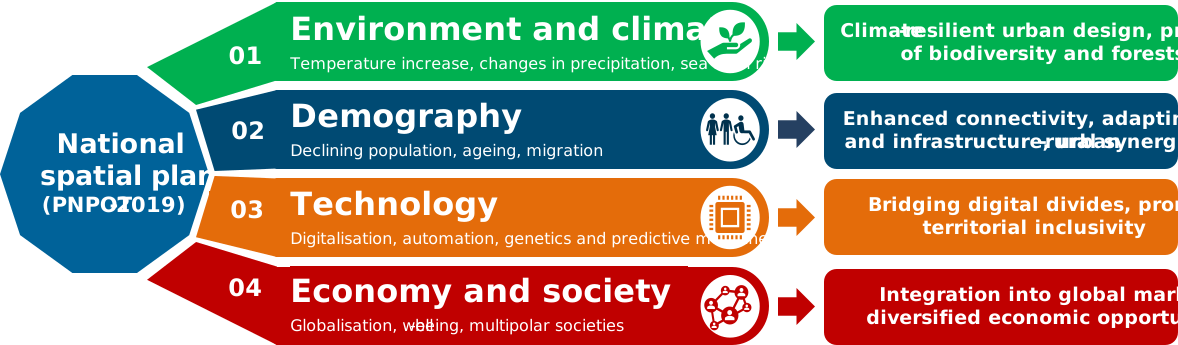
Source: Authors’ elaboration based on Portugal National Government (2019[24]), Plataforma de consulta, monitorização, avaliação e participação do Programa Nacional da Política de Ordenamento do Território (PNPOT), https://pnpot.dgterritorio.gov.pt/pcat/pcatsite/.
One of the major priorities of the PNPOT-2019 is addressing demographic challenges, particularly in rural and low-density areas facing population decline. The population retention and attraction policy focuses on improving accessibility, enhancing digital infrastructure, and providing economic incentives to stimulate investment and job creation. The plan also strengthens governance structures by reinforcing multi-level coordination between national, regional, and municipal spatial planning. The role of Regional Coordination and Development Commissions (CCDRs) is expanded to achieve greater territorial cohesion and alignment of policies across different levels of government.
The PNPOT-2019 promotes integrated transport, health, education, and energy systems to enhance regional connectivity and ensure equitable access to essential services. Additionally, sustainability and climate adaptation measures are embedded in infrastructure planning to create a resilient territorial model. By fostering intersectoral collaboration and evidence-based decision-making, the plan aims to balance urban growth with rural revitalisation, creating a more cohesive and sustainable future for the nation.
Recent reforms have not been implemented in the regional spatial plan (PROT-A)
Regional decree law (Decreto Legislativo Regional no. 35/2012/A Regime jurídico dos instrumentos de gestão territorial) establishes a distinct spatial planning framework for the Azores, allowing for regional adaptation of the national framework to the island context. Regional spatial planning responsibilities have been reallocated to the Regional Directorate for Forest Resources and Land Management following recent organisational changes introduced by Regional Decree No. 3/2024/A.
Within this institutional framework, the Plano Regional de Ordenamento do Território dos Açores (PROT-A) serves as the primary spatial planning document guiding land use and spatial planning in the Azores. Approved in 2010, PROT-A seeks to balance economic, social, and environmental priorities across the region, translating national planning policies into a regional context. The plan specifies strategic objectives, including territorial cohesion, sustainable resource management, and the protection of the region’s unique cultural and natural heritage. It encompasses a model territorial structure that defines urban development priorities, environmental preservation zones, and infrastructural networks, but notably lacks a demographic strategy as well as strategies for affordable housing (Figure 3.16).
The four integrated systems of PROT-A
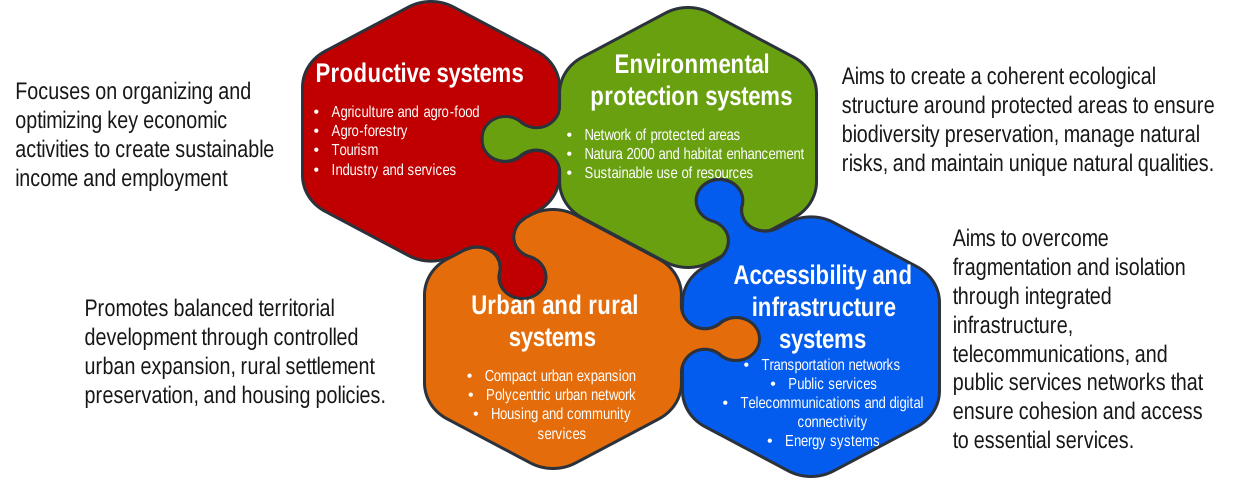
Source: Authors’ elaboration based on. Azores Regional Government (2010[25]), Plano Regional de Ordenamento do Território dos Açores, https://ot.azores.gov.pt/Instrumentos-de-Gestao-Territorial-Documento.aspx?id=2.
Despite strategic ambitions, several challenges persist in spatial planning at the regional level. Although the Azores holds legislative competence over spatial planning, the principles and objectives of national laws, including those pertaining to the 2014/2015 planning reform, must be observed. As such, the Azorean government has progressively aligned its regional legislation with the national framework. However, while PROT-A remains aligned with some national and regional policies, it predates the 2014/2015 planning reform and has not been updated to reflect these fundamental changes in planning paradigms. As a result, it also lacks full integration with more recent policy frameworks such as the more recent PNPOT-2019 and Azores 2030 (CEDRU, 2024[26]).
PROT-A’s territorial model also lacks responsiveness to current realities, especially in urban growth management, land conservation, and resource efficiency in face of demographic decline. Territorial models for islands within the PROT-A work on outdated demographic figures and lack explicit strategies to address demographic change, such as through designation of priority areas for urban renewal. As an example, “favourable directions of urban expansion” (Sentido favorável da expansão urbana) are demarcated in the territorial model for São Jorge, one of the islands experiencing the fastest population decline (Figure 3.17 lower panel, brown arrow). Housing strategies lack consideration for pressures stemming from the tourism sector, while issues of housing affordability are not integrated with strategies for demographic retention, especially for the youth population. Significant challenges also remain unaddressed in mobility, particularly regarding public transport availability, as can be seen in the lack of a public transit network plan across the main island of São Miguel, despite identifying key connection corridors between urban areas (Figure 3.17 upper panel).
Spatial planning at the regional level also faces governance challenges. While addressing intra-regional disparities remains a fundamental concern in regional spatial planning, PROT-A in its current form is insufficient in promoting cooperation between municipalities and islands. Procedural challenges remain, such as the requirement for unanimous approval from all involved municipal assemblies in order to enact joint municipal spatial plans (PDIs). Island Spatial Plans (Planos de Ordenamento do Território de Ilha), which complement PROT-A, also remain limited in scope, primarily focusing on environmental protection and coastal zone management. Additionally, PROT-A’s land use regulations have not been consistently enforced, leading to continued urban expansion into agricultural and ecologically sensitive areas (CEDRU, 2024[26]).
Detailed island plans for São Miguel (upper panel) and São Jorge (lower panel) within PROT-A


Source: Azores Regional Government (2010[25]), Plano Regional de Ordenamento do Território dos Açores, https://ot.azores.gov.pt/Instrum entos-de-Gestao-Territorial-Documento.aspx?id=2.
Municipal spatial plans (PDMs) lack a demographic strategy
Municipal Spatial Plans (PDMs) serve as the primary spatial planning instruments at the local level in Portugal. Legally mandated since 1990, they establish the regulatory framework for land use across each municipality's entire territory, defining urban perimeters, land use categories, and development parameters. As statutory documents, they are binding for both public entities and individuals.
PDMs provide municipalities with unique authority to determine spatial development strategies and enforce land use and building regulations within their territories, and thus represent the most direct mechanism through which municipalities can influence territorial development. Rejected regionalisation in the 1990s and subsequent decentralisation processes further reinforce Portugal's strong municipal tradition and the significance of PDMs. As previously noted, they are also directly tied to a municipality’s eligibility for EU funding. As such, they are widely viewed as a symbol of municipal autonomy.
The significance of PDMs as a regulatory instrument for municipalities contributes to their complexity and administrative weight, making them challenging instruments to develop and revise (Cavaco et al., 2021[19]). Consequently, many PDMs in the Azores are significantly outdated, with the average plan dating to 2009, compared to 2013 for Portugal as a whole. Some municipalities, such as Horta and São Roque do Pico, continue to operate under PDMs dating back to 2000.
Decreto Legislativo Regional n.º 7/2022/A specifically adopts the land classification scheme outlined in the national 2014/2015 planning reform for the Azores, by requiring municipalities to eliminate the " land for development" category and reclassify territories according to the new urban/rural dichotomy by the end of 2023. Despite this, many municipalities continue to operate under the previous land classification regime. These outdated plans fail to address current challenges, particularly those related to demographic change. For instance, the PDM of Nordeste still operates under the previous planning regime where the "land for development" (solo urbanizável) category was permitted. However, due to population decline, 86% of these designated development areas remain unoccupied, while 43% of urbanised areas stand vacant (Nordeste, 2024[27]). Additionally, the plan lacks a coherent urban rehabilitation strategy and fails to designate any urban regeneration areas, further hindering effective responses to population decline.
The PDM of Ponta Delgada, the region’s main urban centre, faces similar issues. Despite population decline in the municipality, the PDM encourages urban expansion, resulting in development patterns misaligned with demographic realities (Figure 3.18). More than 60% of new building licenses are issued for new constructions rather than renovations, contributing to urban sprawl and inefficient land use. As a result, land occupancy rates are low, with only 50% of designated urban land having been developed, while areas designated as “land for development” have a 21% occupation rate (Ponta Delgada, 2020[28]). Furthermore, the spatial distribution of development reveals significant disparities between the main urban centre, where 65% of land is occupied, and surrounding rural areas, where occupation rates of designated urban areas fall to less than 30%. The PDM also lacks effective coordination with tourism strategies and urban rehabilitation programmes, thereby missing opportunities to revitalise existing urban areas and to address seasonal housing pressures, even as tourism establishments have tripled since the PDM was first approved.
Urban areas (red) and areas earmarked for urbanisation (yellow) in Ponta Delgada PDM

Source: Ponta Delgada municipal government (2020[28]), Relatório de estado do ordenamento do território (REOT) de Ponta Delgada.
The PDM of Madalena (Pico Island) presents a distinctive planning challenge, as it must reconcile significant development pressures with environmental protection efforts. Madalena was the only municipality in the Azores to record population growth in the 2021 census, and simultaneously experiences tourism demands that threaten to encroach upon sensitive landscapes, particularly its UNESCO World Heritage vineyard landscapes. The current PDM is challenged in promoting efficient land use patterns, with underutilised urban areas and scattered development along roadways (Figure 3.19). Simultaneously, it struggles to address several critical issues, such as industrial areas operating at near capacity with no designated expansion zones, insufficient tourism accommodation despite housing market pressure from short-term rentals creating affordability challenges for residents, and inadequate transportation services especially in peripheral areas (Madalena, 2024[29]). Despite the importance of tourism, the PDM has no clearly delineated tourism development zones that could strategically channel growth while protecting valuable natural and cultural assets. The absence of strategic spatial guidance undermines development potential in Madalena, where both population growth and tourism expansion represent valuable opportunities that require careful management to preserve the municipality's environmental and cultural assets.
Urban areas (red) and structures (grey) in Madalena PDM

Source: Madalena municipal government (2024[29]), 1ª REVISÃO DO PLANO DIRETOR MUNICIPAL: Diagnóstico Prospetivo – Modelo de Território atual.
The following recommendations aim to modernise spatial planning practices, promote densification, alleviate spatial mismatches in the housing market and promote intermunicipal spatial planning.
Modernise spatial planning to align with demographic realities and preserve the uniqueness and heritage of the Azores landscape
Scarce developable land continues to be used inefficiently while urban centres expand. This creates a mismatch between demographic trends and development patterns that threatens environmental sustainability. These demographic trends are characterised by recent population stabilisation and slight growth since 2019, yet projections indicate the population will still decline by approximately one-sixth by 2060. The regional spatial plan predates the 2014/2015 national planning reform and lacks strategies to address current demographic trends and tourism growth. Many municipalities still operate under outdated planning regimes with obsolete municipal plans. Under Article 4 of the Legal Framework for Territorial Management Instruments (Decree-Law No. 80/2015), the technical basis for all territorial plans must be grounded in 'natural and migratory demographic dynamics', making demographic analysis a legal requirement. Key policy avenues include:
Modernise the regional spatial plan (PROT-A) to incorporate contemporary planning paradigms exhibited in recent national reforms. The regional government has already initiated this process, with the decision taken in April 2025 to revise PROT-A through a collective process involving several government departments and external entities. This revision should comply with the legal requirement to ground all territorial planning decisions in documented natural and migratory demographic dynamics, as mandated by Portuguese territorial management law. The comprehensive revision should reflect contemporary planning paradigms from the 2014/2015 national planning reform and revised national spatial plan (PNPOT-2019), while integrating demographic projections into specific spatial allocations and emphasising policies which preserve the Azores’ unique natural landscape and cultural heritage. This should also align with strategic priorities at the EU level, as evidenced in the proposed mid-term review of Cohesion Policy for the 2021-2027 period, which emphasises the importance of streamlined permitting and land use decision making. Given that territorial management represents a shared competence involving multiple government departments, the revision process should ensure appropriate inter-departmental coordination. The new plan should delineate between areas with declining populations requiring land consolidation and areas with increasing population or tourism pressure requiring managed growth. Each classification should have unique development guidelines including density requirements and provisions for affordable and social housing. These spatial designations would be directly linked to PDMs, creating clear implementation pathways from regional strategies to local decisions. The revised PROT-A should incorporate tourism management strategies through dedicated zones with density requirements and housing plans including affordable housing contributions to offset tourism-driven market pressures, alongside demographically-justified urban perimeters, public service optimisation areas and designated tourism zones. Implementation should include comprehensive maps and establish a monitoring system to evaluate implementation against demographic indicators. This updated PROT-A should be part of an overarching demographic strategy that includes strategic plans at the regional level.
Some of Scotland’s islands face challenges of depopulation, driven in part by economic challenges, ageing populations, and complex access to services due to insularity. The Islands (Scotland) Act 2018 is among a handful of place-based pieces of legislation worldwide to focus specifically on islands. One of its key provisions relates to the publication of a National Islands Plan aimed at coordinating cross-government activities in support of island communities.
Scotland’s first ever National Islands Plan was published in 2019 and is currently being refreshed. It is supported by spatial planning policies in the National Planning Framework 4 (NPF4) implemented in 2023, and the Addressing Depopulation Action Plan (see Chapter 4 Box 4.10), implemented in 2024. Combined, these frameworks lay out land use and spatial planning strategies to revitalise island communities, promote sustainable development, and make more efficient use of land and housing stock.
A measure introduced under NPF4 is the repurposing of vacant and derelict land and buildings. The framework encourages flexible zoning regulations that allow for the adaptive reuse of abandoned homes, former public buildings, and disused crofting lands for housing, co-working spaces, and community initiatives. Additionally, the Rural and Islands Housing Action Plan prioritises affordable and community-led housing projects, ensuring that spatial development aligns with local demographic needs. The Scottish Government also provides financial incentives for the refurbishment of old housing stock, preventing unnecessary new construction and reducing infrastructure costs in depopulated areas.
Transport and digital connectivity investments are also being aligned with spatial planning principles to enhance accessibility and land-use efficiency. The Island Connectivity Plan involves a focus on route-by-route community needs assessments, to ensure that local delivery is aligned to need. This is complemented by the Reaching 100% (R100) Programme, which expands broadband infrastructure to enable remote working, thereby reducing the need for migration to mainland urban centres.
To respond directly to locally identified priorities around ensuring sustainable populations, the Scottish Government is directly funding six local authorities across Scotland to take forward pathfinder measures which respond to local challenges around population attraction and retention. Projects are focusing on topics such as skills, childcare, housing, talent attraction, and it is intended that learning from these initial measures will inform an expanded second phase of delivery in coming years.
Source: Scottish Government (2024[30]), Supporting and enabling sustainable communities: an action plan to address depopulation; Scottish Government (2023[31]), National Planning Framework 4; Scottish Government (2019[32]), The National Islands Plan.
Update municipal spatial plans (PDMs) with population-based development parameters by requiring municipalities to establish clear urban planning guidelines for changes to built-up areas that are calibrated to demographic forecasts. As required by Portuguese territorial management law, these PDM updates must demonstrate how proposed changes account for both natural demographic evolution and migratory patterns affecting each municipality. Built-up area boundaries could be designated, functioning as spatial containment tools similar to "green belts" in the UK (Department for Levelling Up, Housing & Communities, 2023[33]) or "urban containment boundaries" in Canada (City of Prince George, 2024[34]), with development permissions strictly limited outside designated areas. PDMs for major urban centres should designate priority densification corridors along public transport connections in central urban areas where higher densities and mixed uses are encouraged, particularly in Ponta Delgada, Horta and Angra do Heroísmo. These densification corridors should include provisions for social and affordable housing and amplified service delivery and infrastructure to mitigate gentrification and the potential negative consequences of increased density. PDMs for smaller, more remote municipalities should identify areas for management of decline with guidelines for converting vacant land and housing. Historic preservation districts could be designated in areas with valuable architecture and heritage to maintain and capitalise on the region’s unique cultural assets. This process should be supported by defining Municipal Housing Charters in alignment with national frameworks (Lei 83/2019) that address both growing and declining population scenarios through systematic mapping of housing needs, comprehensive inventories of vacant dwellings, and differentiated targets for affordable housing provision in growth areas and vacancy management and adaptive reuse in declining areas. Updated plans must eliminate the outdated "land for development" category, create urban rehabilitation zones with specific incentives, include vacancy reduction targets with implementation mechanisms such as escalating taxes on long-term vacant properties, and incorporate tourism management provisions including designated areas for tourist accommodation development. Implementation would require the national and regional government to establish standardised demographic projection methodologies while providing technical assistance to municipalities with limited planning capacity, especially on smaller remote islands. The Regional Directorate for Forest Resources and Land Management could develop a model PDM template compliant with 2014/2015 reform principles yet adaptable to local contexts. Given the need for strong engagement of municipal actors, these efforts should be undertaken through robust participatory processes involving all relevant stakeholders.
Enable strategic demolition and renovation of vacant and dilapidated properties by supporting the development of dedicated regional or national programmes providing administrative and financial support to municipalities for acquisition, demolition, renovation and management of vacant properties. PDMs and Municipal Housing Charters should align with these programmes to designate areas and properties eligible for repurposing and demolition. Incentives could be introduced for private owners to voluntarily demolish deteriorated structures, with development rights made transferable to more appropriate locations together with subsidies covering a percentage of demolition costs. Expropriation should be reserved only for exceptional situations involving properties abandoned beyond a defined threshold (such as 10+ years of vacancy with documented deterioration) that pose serious safety hazards or significantly impair neighbourhood quality, ensuring proper justification and full protection of citizens' rights and guarantees using simplified valuation methods for severely deteriorated structures. To support implementation, municipalities should identify areas with significant abandonment within their PDMs, specifically identifying properties for intervention and establishing clear public interest justifications. In the short to medium term, Cohesion Policy investments could be utilised to repurpose vacant properties and land towards more relevant uses, such as public service centres and social and affordable housing, in line with specific objectives (for example found in Article 3 of EU Regulation 2021/1058 and Article 4 of EU Regulation 2021/1057) and respective funding allocations provisioned in the Azores Regional Operational Programme for 2021-2027.
Support smart densification in high-demand areas to improve housing affordability, enhance sustainability and efficiently deliver services
Rising housing prices, especially in high-demand urban areas, are creating affordability pressures that particularly affect young professionals and families, contributing to displacement and youth outmigration while undermining the region's long-term attractiveness. Low-density development results in transport accounting for a disproportionate share of regional emissions. Urban sprawl damages ecological areas while many properties remain vacant from depopulation. This inefficiency justifies developer obligations and land use regulations to improve land use efficiency. Growing tourism strains infrastructure while boosting property values, underscoring the need for LVC mechanisms. Key policy avenues include:
Incentivise urban regeneration through strategic density bonuses and regulatory flexibility by establishing a comprehensive framework of density incentives particularly in historic urban centres and areas experiencing tourism pressure. In tourism-heavy areas such as Ponta Delgada, Angra do Heroísmo and Pico Island, a tiered system of additional building rights could be implemented that is specifically linked to the inclusion of permanent residential units alongside tourism accommodation to address both visitor needs and local housing pressures. Municipalities should formally designate priority regeneration zones within urban centres as part of their PDMs, with provisions for increased development densities and greater bonuses for projects meeting additional public benefit criteria such as affordable housing provision, heritage preservation, energy efficiency improvements or public space enhancements. The substantial Cohesion policy funding for SMEs allocated in the Azores Regional Programme could be prioritised for businesses locating in these designated regeneration zones, creating innovation districts where enterprises receive more Cohesion policy support contingent on developing mixed-use properties with affordable housing units above commercial spaces. These measures should be paired with regulatory reforms including streamlined permitting procedures for housing rehabilitation projects and flexibility in adapting historic buildings to new uses while preserving their character, creating a comprehensive framework that incentivises investment in existing urban areas rather than peripheral development. To ensure effectiveness, the regional government could establish dedicated management units supporting urban regeneration efforts, guidelines to standardise approval processes across municipalities, and develop long-term funding commitments that provide certainty for private sector investment in regeneration projects.
France established the National Agency for Urban Regeneration (ANRU) in 2004 following the 2003 Law for Cities and Urban Regeneration, known as the 'Borloo Law', to coordinate comprehensive renewal of disadvantaged urban neighbourhoods. The National Urban Regeneration Plan aimed to restructure these neighbourhoods, with a view to improve social diversity and sustainable development. Between 2004 and 2021, the National Urban Renovation Programme (PNRU) enabled the rehabilitation of 546 neighbourhoods across France, affecting approximately 4.5 million inhabitants. ANRU's interventions are centred on land restructuring, for example the renewal of degraded social housing buildings, condominiums and old housing, and the redevelopment of public spaces.
The programme evolved significantly with the New National Programme for Urban Renewal (NPNRU), launched in 2014, which places greater emphasis on increasing neighbourhood attractiveness and fostering social diversity through housing strategies and public space improvements. The NPNRU provides for the transformation of 448 priority neighbourhoods with €12 billion in funding, targeting housing, public spaces, facilities such as schools and childcare centres, as well as shops. The programme emphasises resident participation through citizen councils and project centres, and manages projects at a metropolitan rather than municipal level to promote territorial cohesion and cooperation. It also prioritises environmental sustainability through the "Resilient Neighbourhoods" initiative, supporting 49 vulnerable areas with additional funding. Additionally, the National Programme for the Requalification of Old Degraded Neighbourhoods (PNRQAD), launched in 2009, targets districts with high levels of poor housing and socio-economic vulnerability, aiming to eliminate substandard housing and stimulate investment.
To implement these programmes effectively, ANRU works in close coordination with public land operators such as the Établissement public foncier (EPF), which play crucial roles in land acquisition and management. For example, EPF Occitanie carried out significant land acquisitions in 2022 as part of regional NPNRU efforts, and EPF Île-de-France was supported by ANRU to expropriate deteriorated properties in Clichy and convert them into new housing units. These partnerships illustrate an example of successful coordination amongst national agencies in managing complex multi-stakeholder regeneration projects, and enable ANRU to support integrated and sustainable urban renewal efforts across the country.
Source:; ANRU (2025[35]), Présentation de l’ANRU et de son action, https://www.anru.fr/presentation-de-lanru-et-de-son-action (accessed on 23 July 2025) ; OECD (2025[36]), Shrinking Smartly and Sustainably: Compendium of Good Practices, OECD Publishing, https://www.oecd.org/en/about/projects/shrinking-smartly-and-sustainably-compendium-of-good-practices.html (accessed on 23 July 2025).
Retool land and property taxes to address land underutilisation by implementing a differentiated property taxation system based on the 2014/2015 reform provisions. A land value tax or split-rate property tax based on development potential rather than current use could be introduced for undeveloped plots within major urban areas and high-demand areas to deter vacancies. To avoid increasing the overall tax burden, complementary measures could be implemented, including tax exemptions for properties undergoing renovation or renewal to incentivise densification, and tax reductions for affordable housing provision. Revenue generated through these fiscal adjustments could be ring-fenced for urban regeneration programmes and infrastructure and public services, along with social and affordable housing provision, particularly in municipalities experiencing tourism pressure, thus creating a sustainable funding mechanism for addressing development challenges. Given the sensitive nature of such measures, implementation should be accompanied by clear communication strategies, comprehensive impact studies, and phased implementation through pilot projects.
Actively implement LVC instruments to capitalise on property value uplifts generated by tourism demand, especially in areas such as Ponta Delgada, Angra do Heroísmo and Pico island. The introduction of these mechanisms will likely be technically complex and may face resistance from the real estate sector and local authorities, requiring legislative review, strengthening of municipal fiscal competencies, and comprehensive public consultation processes. Municipalities facing heavy tourism pressure should apply developer obligations with contributions proportional to the number of tourist beds created and the additional burden placed on infrastructure and services. These obligations could include reduced contributions for developments incorporating affordable housing units to address local housing needs alongside tourism growth. The proceeds from LVC should directly finance tourism-related infrastructure improvements and affordable housing provision, creating a mechanism to ensure that tourism development benefits local communities. Successful implementation would benefit from pilot programmes in selected high-tourism municipalities and stakeholder engagement processes to build understanding of the benefits these instruments can deliver for local communities. To address administrative capacity constraints, the regional government could establish a central technical unit to support LVC implementation by providing training, standardised methodologies and legal assistance to municipalities implementing these instruments.
The Costa del Sol, located in the Andalusia region of southern Spain, is a leading tourist destination and has experienced significant increases in land and housing values due to holiday resorts and second homes, as well as urban expansion that has put pressure on public services and infrastructure. In response, the region has utilised LVC instruments to ensure that a portion of the value uplift generated by development projects is reinvested into public goods, particularly affordable housing and infrastructure. Under Spanish law (Ley 12/2023, de 24 de mayo, por el derecho a la vivienda), developers undertaking new projects or rezoning rural land for residential and tourism-related uses are subject to mandatory cessions and financial contributions. A key provision requires that at least 40% of new residential developments within reclassified land be designated as officially protected housing. Additionally, municipalities can claim up to 10% of the land’s buildable area (cesión de aprovechamiento), enabling local governments to use this land for social housing or public infrastructure. These requirements serve to mitigate some of the negative externalities associated with tourism-driven development.
These provisions have been implemented mainly in municipalities where rapid expansion of resort developments and luxury housing has necessitated proactive public intervention. In coastal towns such as Marbella and Málaga, the implementation of the 10% development rights cession has enabled local authorities to provide social housing and allocate land for affordable housing units and public facilities, helping to counteract displacement pressures on lower-income residents. Similarly, in several resort developments, the requirement to dedicate a portion of new housing for affordable use has led to the direct integration of protected housing within high-value tourist zones. Municipalities have also leveraged the proceeds from the sale of ceded land to finance road expansions, water and sewer infrastructure, and public transport improvements, ensuring that local infrastructure keeps pace with the demands imposed by tourism growth.
Source: La Cadena SER (2025[37]), Málaga adquiere terrenos para promover 1.000 nuevas viviendas protegidas en Soliva Oeste, https://cadenaser.com/andalucia/2025/01/17/malaga-adquiere-terrenos-para-promover-1000-nuevas-viviendas-protegidas-en-soliva-oeste-ser-malaga/; Marbella 24horas.es (2023[38]), Marbella aprueba de forma definitiva la modificación de normas urbanísticas, https://www.marbella24horas.es/local/marbella-aprueba-de-forma-definitiva-la-modificacion-de-normas-urbanisticas-36978.
Levy charges for development rights to divert development away from urban peripheries and coastlines towards urban centres and transit corridors. Differentiated fee structures should be implemented to avoid increased tax burden, where development in urban centres and designated densification zones attracts reduced developer obligations, generous density bonuses and further financial incentives, while development in peripheral or environmentally sensitive areas faces higher fees. Land readjustment could be used in areas such as São Jorge island and Nordeste with high vacancies to consolidate land plots. To build industry support, the regional government could engage early with real estate stakeholders to demonstrate how concentrated development can reduce infrastructure costs and create more attractive, higher-value urban environments that benefit both developers and communities.
Match housing supply with demand to help retain young people and manage tourism pressures
New housing is concentrated in declining urban centres while areas experiencing growth see little development. This spatial mismatch is worsened by limited social housing availability despite rising real estate prices. Areas with high tourism tend to have faster increasing housing prices, yet paradoxically a significant share of total housing stock sits vacant. Key policy avenues include:
Evaluate housing construction permit approvals based on demographic projections contained in municipal spatial plans that are realistic and conform with projections at the EU, national and regional levels. Municipalities should require developers to demonstrate how their proposed projects align with population forecasts and address the housing needs of residents identified in municipal housing strategies. This approach would particularly benefit municipalities experiencing tourism-driven housing pressures, such as Madalena, by ensuring new construction balances visitor accommodation with resident housing needs in appropriate proportions. Municipal planning authorities should review these applications through the lens of regional and municipal spatial plans that already establish housing requirements based on demographic projections. The permit evaluation framework should strongly favour infill development, brownfield redevelopment and projects within or adjacent to existing urban fabric where infrastructure capacity already exists. Proposals in environmentally sensitive areas, prime agricultural land or disconnected from existing settlements should face heightened scrutiny. To facilitate acceptance, the regional government could provide standardised assessment frameworks, transparent criteria for permit evaluation, and regular stakeholder consultations to ensure that demographic-based planning supports rather than hinders appropriate development, especially in high-demand areas.
Boost provision of affordable and social housing by establishing a dedicated regional acquisition fund for affordable and social housing financed substantially through LVC instruments and aligned with the EU Cohesion policy's enhanced focus on housing affordability. This approach should build upon the “Agenda for Housing in the Azores 2020-2031”, which supports public supply of affordable housing by leveraging existing funding commitments under Portugal's Recovery and Resilience Plan (RRP), which allocates EUR 60 million specifically for improving housing conditions in the Azores. The proposed fund should coordinate with ongoing RRP housing investments to maximise impact and avoid duplication of efforts, creating a comprehensive regional approach to affordable housing provision. In the short term, the fund could leverage the strategic focus of the mid-term review on affordable housing, which proposes favourable financing terms and new joint financial instruments (Box 3.1). A significant portion of contributions obtained through developer obligations and other LVC mechanisms should be directed towards affordable and social housing, whether through in-kind provision of units or monetary contributions. Contributions to affordable and social housing through LVC instruments should be mandated for all tourism development, particularly in high-pressure areas, to ensure tourism growth directly supports the creation of communities where young residents can afford to live and work. Funds should be allocated to municipalities with acute housing needs and demonstrated affordability challenges, prioritising the acquisition and renovation of vacant properties in central locations with good accessibility. Vacant and refurbished properties created through demolition and renovation programmes should be strategically utilised for affordable and social housing purposes, incorporating where possible design principles from the New European Bauhaus initiative to ensure sustainability and social inclusion.
Vienna is known for its proactive housing policy that ensures housing supply aligns with demand through strategic land acquisition and zoning policies. In Vienna, approximately 50% of its residents live in municipally owned or subsidised housing. The city’s Urban Development Plan (STEP) provides a clear spatial strategy according to population trends to maintain affordability across the entire rental market by balancing new development with demographic needs. This approach is particularly significant given Vienna’s status as a major tourist destination, where short-term rentals could otherwise contribute to rising housing costs.
A key tool in Vienna’s approach is the Fund for Housing Construction and Urban Renewal (Wohnfonds wien), which acquires land well in advance of development to prevent speculation and ensure a steady pipeline of affordable housing. The fund strategically purchases underutilised, brownfield, or former agricultural sites, converting them into land reserves for future social housing projects. This long-term approach prevents market-driven shortages and price surges, ensuring a stable supply of affordable housing units.
Furthermore, the city has introduced a ‘Subsidised Housing’ zoning category in 2018, which mandates that at least two-thirds of residential space on designated plots be allocated to subsidised housing. This zoning tool is particularly applied in the reclassification of industrial or commercial land, high-density urban development zones, and large-scale residential projects exceeding 5 000 square metres. Additionally, subsidised housing units are registered with a legal sales ban to prevent speculative resale and ensure long-term affordability. This approach prevents speculative real estate bubbles and reinforces social cohesion across the city while mitigating the potential impact of tourism-related housing pressures.
Strengthen the construction workforce and develop local workforce capacity by supporting the development of training and apprenticeship programmes that develop specialised skills and attract young people from within and outside the region into the construction workforce. The regional government could utilise Cohesion Policy funds to support the development of comprehensive vocational training programmes in partnership with local developers, construction companies, technical institutes and trade associations. Such programmes should focus on developing specialised skills relevant to the regional context, including sustainable building techniques, renovation of historic properties and construction methods suitable for volcanic environments. To maximise participation and retention, these programmes should include incentive packages for trainees that address the broader challenges facing young people in the region. This could include employer-provided housing assistance, transportation subsidies, and training allowances that enable participants to support themselves during the qualification period. To balance the high costs of construction especially in remote areas, these incentives could be differentiated so that greater incentives are provided for remote municipalities and islands. Construction companies and developers participating in these programmes could receive co-financing support for providing temporary accommodation facilities, apprenticeship wages, and mentorship programmes that create clear career progression pathways.
Promote intermunicipal spatial planning to optimise service provision and resource allocation
While the 2014/2015 national planning reform allowed municipalities to jointly promote supra-municipal spatial programmes or plans, no intermunicipal spatial plan exists despite challenges that demand coordinated planning responses. A key policy avenue is as follows:
Establish a regional support programme for intermunicipal spatial planning led by the Regional Directorate for Forest Resources and Land Management that combines financial incentives with comprehensive technical assistance. The Regional Directorate could establish a specialised unit dedicated to facilitating intermunicipal planning efforts and develop standardised methodologies and templates for intermunicipal spatial planning, reducing the administrative burden on participating municipalities. The programme could begin with pilot projects that showcase tangible benefits, such as cost savings from shared infrastructure or improved service delivery, before expanding to broader regional initiatives. The programme should provide capacity building, technical expertise and legal guidance, together with mediation support to help resolve potential conflicts between municipalities. This would be particularly beneficial for smaller municipalities with limited planning staff. Performance-based bonuses, including potential grants funded through Cohesion Policy funds, could be provided to further incentivise successful implementation of intermunicipal spatial plans. This could include priority funding towards projects that emerge from intermunicipal spatial planning processes, such as joint infrastructure investments or joint service provision centres that serve intermunicipal catchment areas. In addition, legal frameworks should be clarified to ensure that intermunicipal arrangements protect municipal autonomy while enabling effective collaboration, with transparent benefit-sharing mechanisms that demonstrate how participating municipalities gain from partnerships. Intermunicipal spatial plans should ideally be developed within existing coordination frameworks such as island councils and, once enacted, could replace individual municipal PDMs rather than adding another planning layer
References
[35] ANRU (2025), Présentation de l’ANRU et de son action, https://www.anru.fr/presentation-de-lanru-et-de-son-action (accessed on 23 July 2025).
[22] Azores Regional Government (2021), Resolução do Conselho do Governo n.º 121/2021 de 18 de maio de 2021.
[25] Azores Regional Government (2010), Plano Regional de Ordenamento do Território dos Açores, https://ot.azores.gov.pt/Instrumentos-de-Gestao-Territorial-Documento.aspx?id=2.
[19] Cavaco, C. et al. (2021), Spatial planning and regional development in Portugal, Lisboa: Direção-Geral do Território.
[26] CEDRU (2024), Avaliação do Plano Regional de Ordenamento do Território dos Açores (PROTA).
[34] City of Prince George (2024), Official community plan, Bylaw No. 8383, 2011, https://www.princegeorge.ca/sites/default/files/2024-10/BL8383_-_CONSOLIDATED_2024-10-07.pdf.
[33] Department for Levelling Up, Housing & Communities (2023), Local authority green belt: England 2022-23 - statistical release, https://www.gov.uk/government/statistics/local-authority-green-belt-statistics-for-england-2022-to-2023/local-authority-green-belt-england-2022-23-statistical-release.
[40] EC JRC/IEA (2024), EDGAR (Emissions Database for Global Atmospheric Research) Community GHG Database: IEA-EDGAR CO2, EDGAR CH4, EDGAR N2O, EDGAR F-GASES version 2024, JRC (Datasets).
[10] European Commission (2025), Communication from the Commission to the European Parliament and the Council, https://ec.europa.eu/regional_policy/information-sources/publications/communications/2025/a-modernised-cohesion-policy-the-mid-term-review_en.
[7] European Commission Directorate-General Joint Research Centre (2019), Land Cover 2015-2019 (raster 100m), global, annual - version 3, https://globalland.vito.be/geonetwork/srv/api/records/clms_global_lcc_100m_v3_yearly.
[1] European Union (2020), CORINE Land Cover 2018 (vector), Europe, 6-yearly - version 2020_20u1, https://doi.org/10.2909/71c95a07-e296-44fc-b22b-415f42acfdf0.
[9] Eurostat (2025), House price index (2015 = 100) - annual data, https://doi.org/10.2908/PRC_HPI_A.
[16] Eurostat (2025), Nights spent at tourist accommodation establishments by NUTS 2 region, https://doi.org/10.2908/TOUR_OCC_NIN2 (accessed on 2025).
[37] La Cadena SER (2025), Málaga adquiere terrenos para promover 1.000 nuevas viviendas protegidas en Soliva Oeste, https://cadenaser.com/andalucia/2025/01/17/malaga-adquiere-terrenos-para-promover-1000-nuevas-viviendas-protegidas-en-soliva-oeste-ser-malaga/.
[29] Madalena (2024), 1ª REVISÃO DO PLANO DIRETOR MUNICIPAL: Diagnóstico Prospetivo – Modelo de Território atual.
[38] Marbella 24horas.es (2023), Marbella aprueba de forma definitiva la modificación de normas urbanísticas, https://www.marbella24horas.es/local/marbella-aprueba-de-forma-definitiva-la-modificacion-de-normas-urbanisticas-36978.
[21] Milito, A. (2024), “The regeneration of Mouraria. An innovative systemic, strategic and participatory approach to the co-working of urban space”, International Urban Planning Research Seminar, https://doi.org/10.5821/siiu.12711.
[27] Nordeste (2024), Relatório de Estado do Ordenamento do Território do concelho de Nordeste.
[36] OECD (2025), Shrinking Smartly and Sustainably: Compendium of Good Practices, OECD Publishing, https://www.oecd.org/en/about/projects/shrinking-smartly-and-sustainably-compendium-of-good-practices.html (accessed on 23 July 2025).
[39] OECD (2024), OECD Affordable Housing Database - indicator PH4.2. Social rental housing stock, https://oe.cd/ahd.
[13] OECD (2024), OECD Affordable Housing Database - indicator PH4.2. Social rental housing stock, https://oe.cd/ahd.
[8] OECD (2023), Production Transformation Policy Review: Spotlight on the Azores’ Internationalisation, OECD Development Pathways, OECD Publishing, Paris, https://doi.org/10.1787/faeecb3a-en.
[20] OECD/Lincoln Institute of Land Policy, PKU-Lincoln Institute Center (2022), Global Compendium of Land Value Capture Policies, OECD Regional Development Studies, OECD Publishing, Paris, https://doi.org/10.1787/4f9559ee-en.
[2] Pesaresi M., P. (2023), GHS-BUILT-S R2023A - GHS built-up surface grid, derived from Sentinel2 composite and Landsat, multitemporal (1975-2030), https://doi.org/10.2905/9F06F36F-4B11-47EC-ABB0-4F8B7B1D72EA.
[3] Pesaresi, M. (2023), GHS-BUILT-V R2023A - GHS built-up volume grids derived from joint assessment of Sentinel2, Landsat, and global DEM data, multitemporal (1975-2030), https://doi.org/10.2905/AB2F107A-03CD-47A3-85E5-139D8EC63283.
[28] Ponta Delgada (2020), Relatório de estado do ordenamento do território (REOT) de Ponta Delgada.
[24] Portugal National Government (2019), Plataforma de consulta, monitorização, avaliação e participação do Programa Nacional da Política de Ordenamento do Território (PNPOT), https://pnpot.dgterritorio.gov.pt/pcat/pcatsite/.
[23] Portugal resident (2023), Courts take 29 years to resolve illegal expropriation by council.
[30] Scottish Government (2024), Supporting and enabling sustainable communities: an action plan to address depopulation.
[31] Scottish Government (2023), National Planning Framework 4.
[32] Scottish Government (2019), The National Islands Plan.
[6] Spawn, S. et al. (2020), “Harmonized global maps of above and belowground biomass carbon density in the year 2010”, Scientific Data, Vol. 7/1, https://doi.org/10.1038/s41597-020-0444-4.
[4] Statistics Portugal (2025), , https://www.ine.pt/xportal/xmain?xpgid=ine_main&xpid=INE (accessed on 2025).
[12] Statistics Portugal (2023), Completed buildings (No.) by Geographic location (NUTS - 2013), Type of project and Project purpose; Annual, http://smi.ine.pt/Indicador/Detalhes/12187?LANG=EN.
[15] Statistics Portugal (2022), Conventional dwellings (Housing stock - No.) by Geographic localization (NUTS - 2013); Annual, http://smi.ine.pt/Indicador/Detalhes/12193?LANG=EN.
[17] Statistics Portugal (2021), Proportion of conventional dwellings with seasonal use (%) by Geographic location at Census date [2021] (NUTS - 2013); Decennial, http://smi.ine.pt/Indicador/Detalhes/15343?LANG=EN.
[5] Statistics Portugal (2021), Proportion of employed or student resident population using collective mode of transport in commuting (%) by Place of residence (NUTS - 2013); Decennial, http://smi.ine.pt/Indicador/Detalhes/13065?LANG=EN (accessed on 2024).
[18] Statistics Portugal (2021), Proportion of vacant conventional dwellings (%) by Geographic location at Census date [2021] (NUTS - 2013); Decennial, http://smi.ine.pt/Indicador/Detalhes/15344?LANG=EN.
[11] Statistics Portugal (2020), Mean value of traded real estates (€/ No.) by Geographic localization (NUTS - 2013) and Type of building; Annual, http://smi.ine.pt/Indicador/Detalhes/12336?LANG=EN.
[14] Statistics Portugal (2015), Council housing dwellings (No.) by Geographic localization (NUTS - 2013) and Dwellings typology; Annual, http://smi.ine.pt/Indicador/Detalhes/13027?LANG=EN.