Demographic change is set to reshape the scale and geography of expenditure and investment in the Azores. As a scattered archipelago with a high degree of regional autonomy, the regional and local governments can build on their fiscal instruments, and vertical and horizontal coordination bodies to meet these challenges. Addressing demographic changes is also an opportunity for Azores stakeholders to strike the right balance between attractiveness strategies and structural policies for fair and equitable regional development, and to clarify and strengthen the relationships between the different levels of government to ensure effective public policy and investment.
Preparing for Demographic Change in the Azores, Portugal

Abstract
Despite recent stabilisation of population trends in the Azores, projections indicate a dramatic transformation in the coming years, with a 50% decrease in working-age population and 60% increase in elderly residents by 2080. The region also faces underlying phenomena such as a rural exodus and youth emigration, which contrast with a steady increase in seasonal tourism. These trends will exacerbate existing pressures on subnational public expenditure, especially the need to improve the quality of services and infrastructure in healthcare, transportation and education - which altogether accounted for 55.2% of total regional government expenditure in 2023 - and provide new infrastructure and services to tourists and non-resident populations.
Demographic change is challenging multi-level governance, subnational finance and infrastructure investment in the Azores, given the status of the region as one of the two Portuguese Autonomous Regions and an EU Outermost Region (Box 4.1). The Azores regional government and municipalities are struggling to adjust expenditures due to inflexible infrastructure costs, overlapping responsibilities and inadequate cooperation and coordination mechanisms. On the other hand, population decline will place regional and municipal budgets under increasing pressure, given a limited tax base and little latitude in terms of borrowing. This situation is likely to increase pressure on the sustainability of regional finances over the medium term. This also risks deepening disparities between islands and undermining strategic investments planned in the Resilience and Recovery Plan (RRP).
As one of two Portuguese Autonomous Region, the Azores enjoys significant legislative and fiscal autonomy, with the power to adapt national policies and design regional measures tailored to its insular nature. These specific measures compound the higher service delivery cost and a more vulnerable socio‑economic context compared with the mainland. On the other hand, this autonomy comes with extensive responsibilities in sectors heavily impacted by demographic shifts, and administrative fragmentation.
At the European level, the Azores classifies as a ”less developed region”1 and an EU Outermost Region (OR). As a result, it benefits from higher co-financing rates for EU funds to support its unique challenges related to remoteness, insularity and economic dependence on limited sectors. For instance, the Azores benefits from a higher maximum co-financing rate of 85% for the European Agricultural Fund (EAFRD). It also benefits from preferential access to the RRP and horizontal EU funds, such as the European Maritime, Fisheries and Aquaculture Fund or the Connecting Europe Facility. Additionally, the Azores has access to specific programmes such as the Programmes of Options Specifically Relating to Remoteness and Insularity (POSEI) for agriculture and fisheries.
Source: Article 349 of the Treaty on the Functioning of the European Union ; Communication from the European Commission (2022) Putting people first, securing sustainable and inclusive growth, unlocking the potential of the EU’s outermost regions ; European Union Fact sheet: Outermost Regions; Political and Administrative Statute of the Autonomous Region of the Azores
Adapting multi-level governance, subnational finance and infrastructure investment will therefore be critical to address demographic challenges proactively and maximise the Azores’ potential. As Portugal focuses on improving the sustainability of its public finances, as per European Semester requirements, ensuring sustainable subnational finances becomes imperative. Strengthening subnational government finance can ensure a more equitable and efficient allocation of resources across the region. The introduction of an eco-maritime tax by the regional government, and tourist taxes by some municipalities, demonstrate progress to help manage environmental pressures, fund public services and support sustainable development. Reforming multi-level governance frameworks can also foster better policy alignments and accountability across levels of governments (OECD, 2019[1]). Finally, better coordination of investment can improve infrastructure delivery by facilitating the implementation of strategic investments planned in the RRP by all levels of government, while boosting well-being and regional attractiveness.
This chapter first focuses on the impact of demographic change on subnational government finances in the Azores, analysing both expenditure and revenue pressures. It then looks at how public investment can be adapted to respond to these challenges. Finally, the chapter examines the adaptability and adequacy of the multi-level governance framework to implement well-adjusted policies at various government levels. It concludes with specific policy recommendations to better adapt these frameworks to demographic change in the Azores.
Responsibilities for the provision of services and infrastructure and revenue collection in the Azores are mainly shared between the autonomous regional government and the 19 Azores municipalities. This contrasts with the 155 parishes at sub-municipal level, that act mainly as spending agents on behalf of other levels of subnational governments. The regional government accounts for a majority of subnational spending in the Azores (87%), in particular for staff expenditure and intermediate consumption. Municipalities play a more prominent role in direct investment (46.1%), where responsibilities are more widely shared. While the regional government collects most taxes revenues generated within the region, municipalities collect 51% of user charges and fees (Figure 4.1).

Source: Combined data from Portuguese Public Finance Council’s Autonomous Regions Budget Outturn 2023 (CFP, 2024[2]) and Portugal National Statistics Yearbook (INE, 2024[3])
Demographic change is already creating significant fiscal consequences for the regional government
The Azores regional government enjoys a high degree of fiscal autonomy, with extensive responsibilities and legislative powers in most policy areas except for jurisdictions under the responsibility of the central government2. Its annual budget execution functions through the Annual Regional Plan (Plano Regional Anual), which details specific investments and programs to be implemented. This plan must align with the Medium-Term Guidelines (Orientações de Médio Prazo), a strategic framework typically implemented across four years, that outlines broad development priorities coinciding with the regional government's mandate. These guidelines must align with national economic and budgetary policies, including EU fiscal stability targets and Portuguese public finance laws (Azores Regional Government, 2025[4]).
The regional government bears extensive fiscal responsibilities across key social and economic sectors
Regional government expenditure in the Azores amounted to EUR 1.3 billion in 2023, representing 24.9% of regional GDP and EUR 5 565 per inhabitant. This was slightly higher than Madeira, where expenditures represented 21.3% of regional GDP. For context, total public expenditure across all government levels in Portugal accounted for 43.7% of national GDP in 2023. The share of Azores regional expenditure in GDP has decreased from 28.1% in 2018.
Regional expenditure per capita has been stable over the last decade when measured in constant prices, adjusted for inflation. Despite a 2.5% decrease in the population, per capita spending rose by 1% between 2011 and 2023, after a peak in 2021 during the COVID-19 crisis (Figure 4.2). This is due to limited budget flexibility and efforts to improve the fiscal balance by controlling expenditures.
Change in Azores regional government expenditure, per capita, constant price (2011-2023)
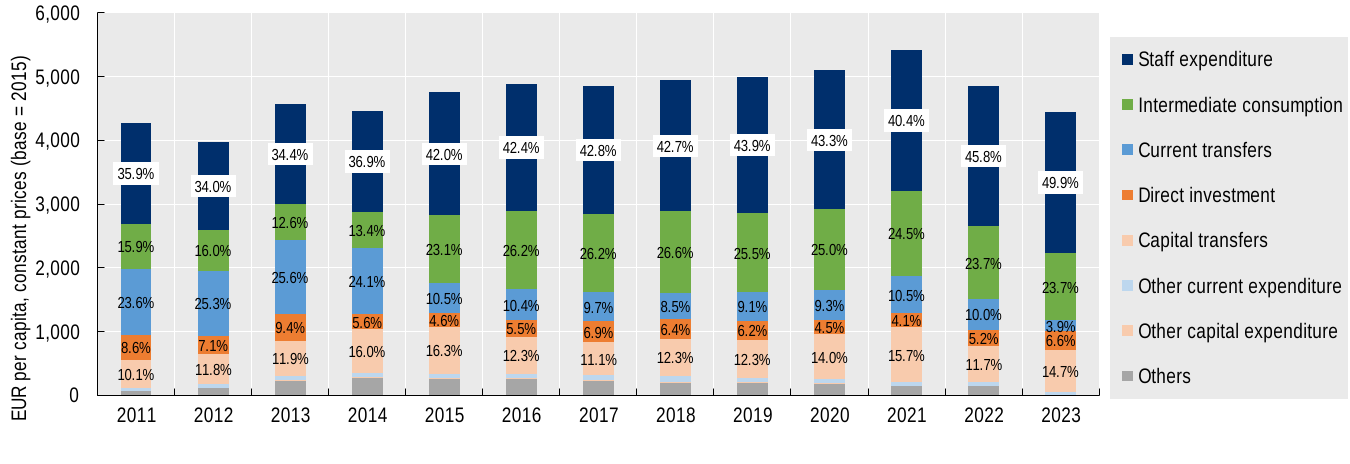
Note: Data labels show the share of each expenditure item in total regional expenditure. Data is consolidated for the regional government sector, including the Regional Direct Administration (ARD) + Autonomous Service(s) and Funds (SFA)3 + Reclassified Public Entities (EPR).
Source: Combined data from the Portuguese Public Finance Council’s Autonomous Regions Budget Outturn, based on (CFP, 2022[5]) and (CFP, 2024[2])
Regional expenditure is primarily composed of current expenditure, which is dominated by staff expenditure (50%) and intermediate consumption (23.7%). Regional staff expenditure is structurally inflexible, having increased by 40% between 2011 and 2023. Regional direct investment appears more volatile (-23.3% over the period). This reflects the strong weight of operational costs for service provision in key areas such as transport, energy and healthcare. These expenses have absorbed a part of current transfers as a result of the internalisation of hospital and health service costs into the regional budget perimeter (due to SEC2010 accounting changes). The decrease of current transfers also results from the reform of the transfer mechanism introduced by the new Law on the Finances of the Autonomous Regions (LFRA) in 2014, reflecting fiscal consolidation measures to meet national and EU fiscal rules.
Most regional government expenditure is directed towards economic affairs, including transportation, agriculture and tourism, amounting to EUR 2 067 per capita in 2023 for the Regional Direct Administration. Health represents the second largest spending item at EUR 1 768 per capita, followed by education at EUR 1 352. Per capita expenditure for economic affairs, health and education increased over the past two decades, by 44%, 58% and 3% respectively, in real terms (Figure 4.3). These increases stem from the combined pressure of population decline, while infrastructure and operational expenses for public transportation, health centres and schools remain relatively fixed. Since 2015, seasonal tourism peaks have created additional demand for transport capacity. In the education sector, incentives to attract and retain both students and teachers have driven the rise in per-student regional spending.
Azores regional government expenditure by functions, EUR per capita, constant price (2000-2023)
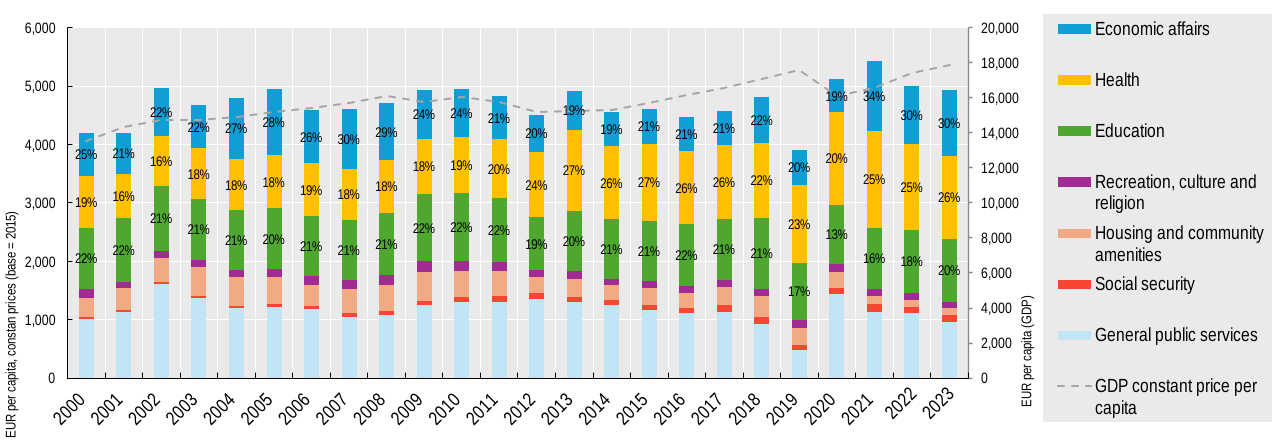
Note: Data is not consolidated for the Regional Direct Administration (ARD) sector. The category “Other economic sectors” include expenditure in industry, energy, tourism, commerce, and other economic functions. Distortion in accounting for “general public services” cause a drop in figures for 2019.
Source: Revenue and Spending of the Direct Regional Administration, Contas Económicas Regionais (SREA, 2025[6])
Health represents the most pressing financial challenges for the Azores regional government
Health represents a growing share of Azores regional government expenditure since 2000, having increased by 6.7 percentage points. The proportion spent on health is significantly higher than both Madeira (27.7%) and the OECD/EU regional government average of 13.5% in 2021 (OECD, 2024[7]). Growing health expenditures have gradually replaced other spending categories, with the exception of transportation and communication whose shares has remained stable. Housing and community amenities experienced the sharpest decrease, dropping from 6.1% of regional expenditure in 2000 to 1.1% in 2023.
Health expenditure has grown from 6% of regional GDP in 2010 to 7.9% in 2023 and is projected to continue rising as the population ages. Baseline simulations using demographic projections indicate that regional healthcare expenditure could grow by approximately 4.4 percentage points of regional GDP between 2022 and 20504. This increase will likely be driven by increased demand for long-term care, specialised treatment for chronic diseases and elderly support services including care facilities and home care programs. The insular geography of the Azores intensifies these challenges, particularly regarding inter-island medical transportation. These services are nevertheless essential for ensuring access to specialised healthcare, as hospitals are located on only three of the nine islands (see Chapter 4).
Demographic shifts will pressure and alter the structure of regional revenues
The Azores regional government revenue reached EUR 1.3 billion in 2023, equivalent to EUR 4 451 per inhabitant, and has remained relatively stable over the last decade. Regional government revenue as a percentage of regional GDP stood at 24.9% in 2023. This share increased by 21.6% from 2001 up until 2013, when Portugal’s economic and financial crisis brought about fiscal consolidation measures. The increase of the share of regional government revenue in regional GDP slowed down over the 2014-2023 period (+7.4%) (Figure 4.4).
Azores regional government revenue by categories, constant price (2000-2023), and as a share of regional GDP
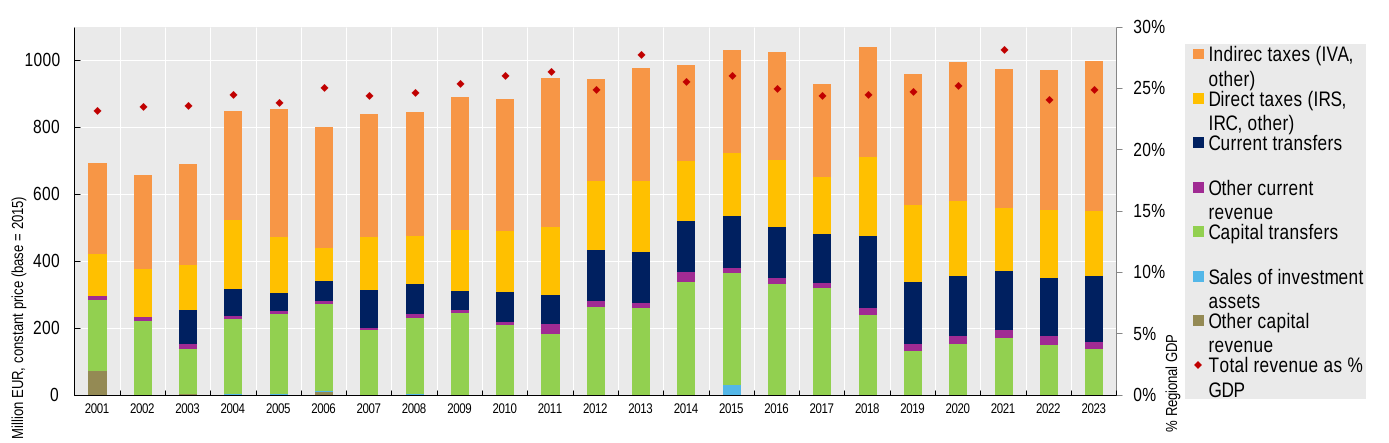
Note: Financial assets and liabilities and replacements not deducted from payments are not included in regional government revenue. Indirect taxes include stamp duty (imposto de selo), VAT, vehicle tax, tobacco tax, petroleum tax, alcohol tax and other indirect taxes. Direct taxes include the PIT (IRS), CIT (IRC) and other direct taxes.
Source: Financial and Economic Regional Accounts, Resumo da Receita por Capítulos (SREA, 2025[8])
The Organic Law on Financing of the Autonomous Regions (RFL, Article 24(3)) and the Regional Budget of the Autonomous Region of the Azores (ORAA) provides for three main sources of regional revenue. First, tax revenues encompassing both shared national taxes collected in the region, including the personal income tax (Imposto sobre o Rendimento das Pessoas Singulares, IRS), the corporate income tax (Imposto sobre o Rendimento das Pessoas Coletivas, IRC) and the Value Added Tax (VAT), and own-source taxes. Second, transfers from the central government allocated under the RFL – including the national solidarity system – and EU funds. Finally, other minor revenues like user charges and fees and income from assets. The effectiveness of the Azores fiscal framework depends both on making the most of its taxation powers and the adequacy and flexibility of the inter-governmental transfers system.
Taxes are the main revenue source for the Azores regional government
Tax revenue accounts for more than two-thirds of regional revenue in the Azores, higher than the average for states and regions in OECD and EU countries (41.6%) (OECD, 2024[7]). VAT represents the largest share at 31% of regional revenue, followed by the IRS at 15.8%. Additional revenue sources include the tax on petroleum activities (6%), excise tax on tobacco (4%) and IRC at 3.7% (Figure 4.4).
The taxing powers of the Azores Regional Government are rooted in the 1976 Portuguese Constitution (Articles 227 and 229), the 2009 Law on Political-Administrative Status of the Autonomous Regions of the Azores (EPARAA) and the 2013 Regional Finance Law (Lei das Finanças das Regiões Autónomas - RFL). They provide the region with a differentiated tax regime to address its insular characteristics and promote economic and demographic sustainability.
The region has specific tax powers regarding the three major national taxes:
Personal Income Tax (IRS): the regional government may apply reductions of up to 30% on the standard national IRS rates for individuals domiciled in the Azores. These reductions are implemented by modifying existing national rates rather than establishing a separate regional tax. As a result, residents of the Azores benefit from a lower personal income tax burden compared to those in mainland Portugal, which contributes to population retention and attraction.
Corporate Income Tax (IRC): the regional government may apply reductions of up to 30% on the standard national IRC rates for companies headquartered in the Azores. The regional government may also offer additional incentives for specific sectors (like technology, tourism, renewable energy).
Value-Added Tax (VAT): The Regional Government of the Azores has the power to establish a differentiated VAT regime aimed at offsetting the additional costs associated with insularity and remoteness, resulting in the following adaptations:
Standard VAT rate: 16% (compared to 23% on the mainland),
Intermediate VAT rate: 9% (compared to 13%),
Reduced VAT rate: 4% (compared to 6%).
Since 2021, the regional government has applied the minimum tax rates permitted by law for IRS, IRC and VAT. The region can also create new taxes (e.g. plastic bag tax and ecotourism tax planned for 2025) and employs various tax exonerations and tax credits for businesses, families and young people.
Source: Consselho das Finanças Publicas (2024) Glossário de termos das finanças públicas
Tax revenue increased by 28.3% in constant prices between 2011 and 2019, primarily driven by VAT (+ 59%) and IRS (+5%) (SREA, 2025[6]). However, demographic decline may reduce IRS and VAT collections due to a shrinking workforce. Recent structural economic shifts and tax incentive policies have contributed to a decline in IRC (-10%) and fuel and environmental tax revenues between 2011 and 2019, with the latter further constrained by inflation-mitigation measures (European Commission, 2024[9]).
Tax incentives and tax rebates aim to attract businesses and people to the Azores, but negatively impact regional revenue. Revenue loss from tax rebates and exemptions was estimated at EUR 190-200 million in 2023 (Azores Regional Government, 2025[10]; CFP, 2024[2]). This represents 15% of regional government revenue and a quarter of tax revenues (SREA, 2025[6]). However, there is no exhaustive inventory of these incentives, or impact assessment framework to evaluate their cost-benefit effectiveness. Targeted policy interventions, such as wage increases to counteract labour shortages and rationalisation of tax incentives, could help offset revenue losses and support fiscal sustainability (OECD, 2024[11]) (OECD, 2022[12]). However, these interventions present challenges in a region characterised by a low tax base and the highest absolute and second highest relative poverty rate in Portugal (Nova SBE, 2025[13]).
Portuguese autonomous regions have authority to implement special contributions targeting private activities that strain public goods or the environment (Assembly of the Republic, 2013[14]). For example, the Azores regional government is exploring such taxes that capitalise on economic opportunities, particularly tourism. Starting from 2025, an eco-cruise tax (Ecotaxa maritima) of EUR 3 per cruise passenger will be implemented to offset environmental and infrastructure costs associated with tourism (Assembleia Legislativa da Região Autónoma dos Açores, 2023[15]). This is expected to generate significant revenue as the number of cruise passengers disembarking at Azorean ports reached 121 000 in 2022. Other fiscal initiatives include an increased tax on plastic bags implemented in 2022, although this was aimed more at influencing behaviour than generating revenue.
There is also potential for the use of land value capture (LVC) in urban areas expanding outward and experiencing growing property prices, such as Ponta Delgada, to finance infrastructure and to support affordable and social housing development. These mechanisms could help manage demographic challenges proactively by ensuring private sector growth in key sectors such as tourism contributes equitably to regional development, and by providing incentives for more efficient land use (see Chapter 2).
Transfers are essential for covering the costs of essential services in the Azores
The Azores received approximately a third of its revenue from inter-governmental and EU transfers and subsidies in 2023, a proportion that has remained stable since 2019. This level aligns with the average observed across states and regions in OECD and EU countries (OECD, 2024[7]). Before 2019, the share of transfers was higher and more volatile, ranging between 40% and 50% of revenues from 2012 to 2018. This variability was primarily driven by fluctuations in capital transfers, which accounted for most regional transfers until 2018. Since 2019, current transfers designated for operating expenditure such as staffing and intermediary consumption have gradually gained prominence over capital transfers (SREA, 2025[6]).
The “solidarity transfer” represents half of all transfer revenue in the Azores. The regional government also receives transfers from the national cohesion fund to support regional investments included in the annual regional investment plan, partially funded by the EU (Box 4.3). Additionally, the system includes flexible, ad hoc specific transfers for exceptional needs such as disaster recovery, and through competitive EU funding programmes such as Horizon Europe, Connecting Europe Facility and LIFE.
The 2013 RFL enshrines the current system of inter-governmental transfer system for Portuguese autonomous regions and is composed of two main components: the solidarity transfer (Transferência de Solidariedade) and the cohesion fund (Fundo de Coesão das Regiões Autónomas).
The solidarity transfer is a national equalisation mechanism that aims to cover the costs of regionalised services in health and education in autonomous regions. Prior to 2013, the system operated through two distinct channels: the Ordinary Transfer (basic share of national tax revenues), and the Compensatory Transfer (to address the challenges of remoteness and isolation). Since 2013, they have been combined in a unified, formula-based transfer, accounting for population, geographic constraints and economic situation.
The solidarity transfer is distributed to each autonomous region according to three main composite indicators with distinct weightings: population (82.5%), geography (12.5%) and economic situation (5%):
The population factor incorporates three indicators from the period two years prior: total population (72.5%), population aged 65 and over (5%), and youth population aged 14 and under (5%).
The geographical factor is based on two elements: the shortest distance between an inhabited point in the Azores and the nearest district capital on mainland Portugal (70%) and the number of inhabited islands within the archipelago (30%).
The economic indicator is derived from the ratio of the region’s tax revenues to regional GDP, at current prices from four years prior.
The cohesion fund aims to compensate partially for structural challenges (isolation, fragmentation, economic disadvantages). The fund’s allocation to each region is calculated as a percentage of the amount of the solidarity transfer. This percentage varies from 0 to 55% and depends on the ratio of regional GDP per capita to national GDP per capita. No transfer is provided if the region’s GDP per capita equals or exceeds the national level. In a previous iteration of the RFL, this transfer was determined by a fixed share of 35% per region.
Source: Portuguese Public Finance Council (2025) Transfers distribution under the Autonomous Regions Finance Law (Portuguese Public Finance Council, 2025[16])
The distribution formula of the solidarity transfer has evolved significantly since its creation. Initially calculated by capitation based on the national budget deficit, it was subsequently replaced by capitation based on public expenditure shared between the region and the central government. In 1980, the system transitioned to ad hoc transfers without defined arithmetic rules, before reverting back to a capital rule for VAT transfers in 1986. The first attempt to implement an objective rule for regional transfers occurred in 1989 as part of the "Financial Recovery Programme of the Autonomous Region of Madeira" (PRFRAM). This approach was formalised in 1998 through the LFRA, which sought to address the structural financing challenges faced by autonomous regions.
While the transfer system to autonomous regions enables resource redistribution and equitable provision of essential services across Portugal, the year-to-year fluctuations in transfer amounts creates budgetary uncertainty over the medium-term. In the current climate of public fiscal consolidation, there is a risk that the level of transfers may not keep pace with the adaptation and mitigation needs arising from demographic change. Azores regional stakeholders argue that the calculation formula for the solidarity transfer inadequately accounts for increasing service provision costs resulting from population shrinkage and insularity (Box 4.3). Ongoing discussions between the central government and Autonomous Regions are underway to revise the fiscal equalisation formula, but have proven difficult due to challenges in accommodating the distinct characteristics and needs of each Autonomous Region.
Azores municipalities face divergent financial challenges amid demographic change
Although the 19 Azorean municipalities represent a minor share of expenditure in the region, they possess significant levers to influence local demographic strategies. In 2022, Azorean municipalities accounted for 14% of subnational government expenditure in the Azores and 46% of direct investment (INE, 2023[17]). As described in Chapter 1, they share several responsibilities with the regional government across transportation (roads, public transport), tourism, housing policies, culture, recreation and social welfare. Municipalities also play a key role in environment protection, land-use planning, pre-primary education and civil protection (OECD, 2024[18]).
Azores municipalities receive 16% of subnational government revenue in the region, derived primarily from national government transfers (57%) and tax revenues (20.5%), with some authority to adjust certain tax rates (INE, 2023[17]). This structure provides municipalities with a degree of financial autonomy both from each other and from the regional government.
Remote Azorean municipalities face particularly strong expenditure pressure
Municipal expenditure across the Azores averaged EUR 991 per capita in 2022, but with pronounced disparities across the 19 municipalities (INE, 2023[17]). Remote municipalities such as Corvo and Lajes das Flores exhibit much higher expenditure per capita, reflecting their smaller populations and geographic isolation. Maintaining service provision in these municipalities as populations shrink and age may further increase service provision costs. Conversely, larger municipalities like Ponta Delgada and neighbouring Ribeira Grande exhibit lower per capita expenditure levels that fall well below the Portuguese national average (Figure 4.5).
Municipal expenditure by category in EUR per capita, 2022

Note: The figure excludes municipal capital expenditure for active and passive financial assets.
Source: Annual Statistics Yearbook 2023 on Portal do INE (INE, 2023[17]).
Azorean municipalities will need to further mobilise own-source revenues in the face of demographic change
While Azores municipalities have generally high per capita revenue, they are highly dependent on transfers (Figure 4.6). Transfers make up 64% of Azorean municipal revenue on average, exceeding the averages for both mainland Portuguese and Madeira municipalities (both at 45%). Current transfers dominate the revenue structure across most municipalities, accounting for up to 80% of total municipal revenue in Corvo and Santa Cruz das Flores. Tax revenue contributes only 22.6% of municipal revenue in the Azores, half the national average. Municipalities also collect user charges and fees, primarily for water or garbage collection (13.5% of municipal revenue, above the national average of 10.5%) (Box 4.4).
Municipal government revenue per category, EUR per capita (2022)
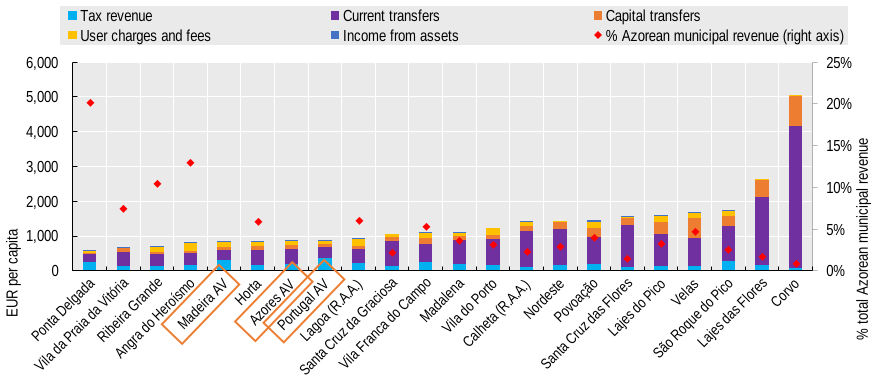
Note: The red dot represents the share of each municipality in the total for municipal revenue in the Azores.
Source: Annual Statistics Yearbook 2023 on Portal do INE (INE, 2023[17])
Azores municipal revenue structure combines intergovernmental transfers with own-source revenue from local taxes and user charges and fees, and project-based funding from the EU and the regional government.
The transfer system to municipalities includes general-purpose grants from the national Financial Equilibrium Fund (Fundo de Equilíbrio Financeiro - FEF) and earmarked grants from the Municipal Social Fund (Fundo Social Municipal - FSM), to help to cover expenses related to the transfer of functions from the central government in education (including school transport) and social welfare. Additionally, Azorean municipalities receive financial support from the regional government, often through targeted grants or co-financing schemes for infrastructure, education, environment and tourism development. EU funds provide another critical revenue stream for investments.
Municipal taxes include the Municipal Property Tax (IMI), which is levied annually on real estate. The IMI is calculated based on the property’s “taxable value” (Valor Patrimonial Tributário – VPT), determined by national tax authorities based on construction costs, location, size, age and amenities — rather than current market value. Municipalities then apply a locally determined tax rate to the VPT, within nationally defined limits (0.3% to 0.45% for most urban properties, up to 0.8% for rural properties). Municipalities can apply an Additional IMI (Adicional ao Imposto Municipal sobre Imóveis - AIMI) to high-value or vacant properties as well as IMI exemptions or reductions.
Other key municipal revenues include the Municipal Surcharge on Corporate Income Tax (Derrama Municipal), applied to companies operating within the municipality, and the Municipal Tax on Onerous Transfers of Real Estate (IMT), charged upon property transactions. Municipalities also collect various fees and charges, such as for building permits, public space use and parking.
Azorean municipalities receive particularly low revenue from the recurrent property taxes (IMI), which accounts for 9.6% of their total revenue on average (EUR 34 per capita), compared to 13.7% (EUR 143 per capita) in Portugal overall. Low property taxes are often combined with higher housing vacancy rates. Notably, Corvo, Santa Cruz das Flores (where IMI represents 4% of revenue) and Lajes das Flores exhibit both low property tax revenue and the highest vacancy rates (Figure 4.7).
Revenue from IMI and share of vacant housing across Portuguese municipalities
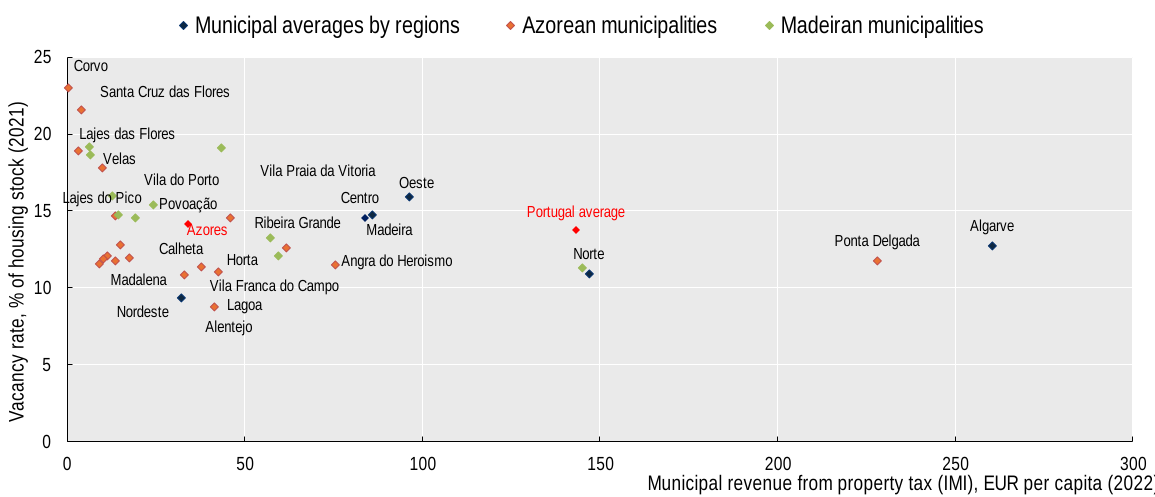
Note: The average for Lisboa is excluded due to extreme value for IMI per capita, amounting to 3 792 EUR. Missing value for Penedono. The municipality of Funcha in Madeira does not appear individually on the figure (due to extreme value for IMI, amounting to 507 EUR per capita).
Source: Annual Statistics Yearbook 2023 on Portal do INE (INE, 2023[17])
The low share of municipal tax revenues in the Azores stems from a combination of limited tax bases and tax exemptions implemented to maintain local attractiveness. For instance, Velas has established a low‑tax industrial zone, while Ponta Delgada has reduced its CIT municipal surcharge by 1% to attract investments, businesses and residents. These incentives reduce municipal income, with some municipalities receiving no property tax revenue at all. Municipal tax incentives and varying tax rates also exacerbate disparities and development challenges among municipalities as well as promoting inefficient land use (see Chapter 2). On the other hand, outdated or inaccurate property records, as well as difficult to tax owners that are non-residents, may lead to under-taxation.
Limited staffing and administrative capacity for tax collection further explains fiscal disparities. Larger municipalities with greater administrative capacity demonstrate more effective fiscal revenue mobilisation. Ponta Delgada has taken a leading role in strengthening property tax collection by targeting abandoned homes through access to a national, privately-managed database. This allowed the municipality to identify vacant properties (e.g. with unpaid water and electricity services) and to triple the IMI rate on these properties, as permitted under Portuguese law. Focused initially on around 900 to 1 000 properties in the city centre, the initiative is now being extended to neighbouring municipalities. In parallel, the seven municipalities in São Miguel started implementing a new tourist tax in 2025. The tax, set at two EUR per tourist per night for a maximum of three nights5 and is expected to raise 10 million EUR for the six municipalities of the island. These revenues will be dedicated to the financing of tourism-related expenditure (Observatorio do Turismo dos Açores, 2025[19]).
While the Azores regional government enjoys a certain degree of borrowing autonomy as an autonomous region, it must ensure its regional fiscal planning remains consistent with national budgetary policies and broader EU fiscal rules. Following the 2016 reform of the state budget law, the central government can set limits on regional annual indebtedness and requires the region to share detailed information on budget execution monthly. Currently, for the Azores, interest and debt repayment from short-term loans may not exceed 35% of current revenue, and long-term borrowing is limited to finance investment only (golden rule), under the supervision of Portugal’s Court of Audit6.
The Azores Regional Government maintained a sustainable level of financial debt in 2023, at 54.6% of GDP, remaining within the limits set by the RFL (60% of GDP). Total outstanding debt stood at 61% of regional GDP and 1.5% of national GDP in 2023 (Banco de Portugal, 2025[20]), an increase from 2018. Debt repayment in 2024 corresponds to less than 20% of current revenues. The Azores’ debt has started stabilising after reaching a peak during the COVID-19 crisis, and remains below the figure for Madeira (71.6% of regional GDP) (CFP, 2024[2]) (Figure 4.8).
The sustainable debt level of the Azores was confirmed by the recent credit rating of “BBB” by Fitch Ratings in 2024 (FitchRatings, 2024[21]). The Azores regional debt accounts for 1.2% of the national public debt, which was 99.1% of GDP in 2023, once again below pre-pandemic levels (European Commission, 2024[9]). Despite positive indicators, the Azores regional government remains fiscally constrained. Since 2007, regional debt is no longer explicitly guaranteed by the Portuguese Republic. This shift means the government may have to rely on its own creditworthiness, face higher interest rates on borrowing and maintain tighter control over public finances to ensure investor confidence. High debt levels and constrained government finances increase the region’s vulnerability during economic downturns.
Azorean municipalities currently maintain balanced budgets, yet risk experiencing fiscal pressure in the future. In 2019, all islands in the Azores excluding São Miguel were among the areas with the lowest budget balances in Portugal. Municipalities can borrow under national legislation (Law no. 73/2013), with a debt limit set at 1.5 times the average net current revenue over the previous three years. Parishes can only access short-term debt, up to 20% of their transfers from the Parish Financing Fund (CFP, 2024[22]). Despite the existence of budget balance rules and fiscal rules, the lack of mechanisms to monitor compliance weakens enforcement and the long-term sustainability of municipal finances.
Changes in regional government debt in Azores and Madeira (2011-2022)
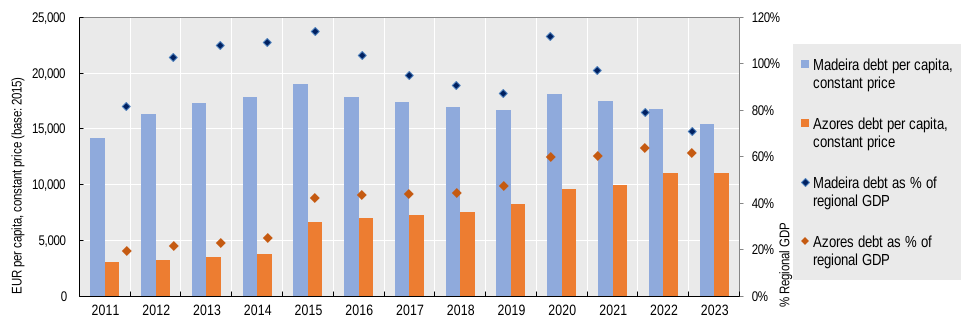
Note: In 2015, new entities were integrated in the RAA budget (hospital units).
Source: Combined data from the Portuguese Public Finance Council’s Autonomous Regions Budget Outturn, based on (CFP, 2022[5]) and (CFP, 2024[2])
Demographic change in the Azores is reshaping the scale, type and geographic distribution of future investment needs. A declining and ageing population will increase the need for specialised healthcare and require downsizing of some education facilities, which will shift the spending priorities of local governments. Simultaneously, retaining talent, young people and families while attracting tourists will require targeted investment in transportation, housing and hospitality (see Chapter 4). These shifts carry implications for regional and municipal governments’ finances, as both government levels are each responsible for around half of public investment in the Azores (CFP, 2024[2]; INE, 2023[17]).
The sharing of responsibilities for financing, managing and implementing investment across government levels creates implementation challenges. The Azores' unique geography and vulnerability to environmental hazards such as volcanic eruptions add further complexities. While managing public investment, the regional and municipal governments must balance demographic considerations with resilience-building measures to adapt to climate change and protect against natural disasters.
Public investment in the Azores is a responsibility shared across the public sector
Direct investment7 by the Azores Regional Government remains low, amounting to EUR 88 million or 1.6% of regional GDP in 2023, below the average for Madeira at 2.3% of regional GDP. Direct investment represents only 5.8% of the Azores total expenditure, compared with 9.8% for Madeira. Proportionally, the Azores regional government invests less than Portugal's general government, where direct investment accounts for 2.6% of national GDP and 6.2% of total public expenditure (Figure 4.8. ). This occurs within a national context where Portuguese public investment falls below OECD and EU averages of 3.4% and 3.7% of GDP respectively, and 8.2% and 7.2% of total public expenditure in 2023 (OECD, 2025[23]).
Public investment as % of total expenditure (left axis) and % of regional/national GDP (right axis)
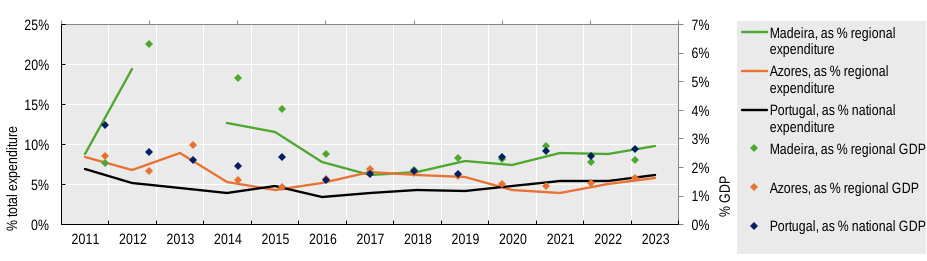
Note: Data for 2013 for Madeira is excluded, because of extreme values causing distortion.
Source: Data compiled from Eurostat National Accounts database for Portugal (Eurostat, 2025[24]) and Portuguese Public Finance Council’s Autonomous Regions Budget Outturn, based on (CFP, 2022[5]) and (CFP, 2024[2]) for Azores and Madeira.
The Azores allocates 13.1% of its expenditure to capital transfers, offsetting the low level of direct investment. Combined, direct investment and capital transfers account for 18.9% of regional government expenditure, compared to 12.0% for Madeira in 2023. This highlights the dual role of the Azores regional government as both direct investor and financial channel to providing funding for investment by municipalities or other public entities.
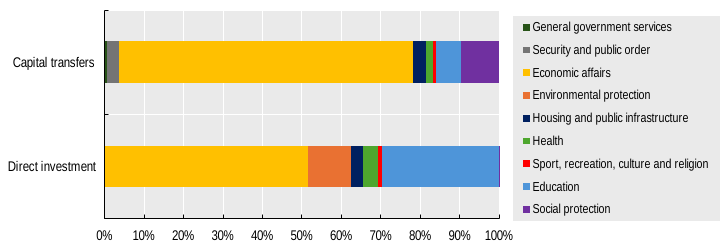
Most regional government capital expenditure targets economic affairs, which encompasses transport, communication and tourism, followed by education (Figure 4.10). In all sectors receiving regional government investment except education, regional capital expenditure is dominated by capital transfers. Capital transfers are particularly important in housing and social protection, as well as in transportation sectors where the Azores regional administration provides crucial support for air and maritime transport.
Regional public investment and capital transfers by COFOG, % of total (2023)
Source: Revenue and Spending of the Direct Regional Administration, Contas Económicas Regionais (SREA, 2025[6])
Municipalities contribute significantly to public investment within the Azores. Municipal government investment reached EUR 290 per capita in 2023, or 1.8% of regional GDP, exceeding the regional government’s share. Azorean municipalities allocate a higher proportion of their expenditure to capital expenditure (31.7%) compared with municipalities in the OECD and EU (18.1% on average) and with Portuguese municipalities (26%) (OECD, 2024[25]).
Capital expenditure places pressure on municipal budgets throughout the Azores regardless of municipal size. The share of capital expenditure in total municipal expenditure ranges from 55.2% in Velas, a small municipality in Sao Jorge Island, to 45.8% in Ribeira Grande, one of the fastest sprawling urban municipalities located in Sao Miquel. On a per capita basis, however, smaller and remote municipalities invest substantially more than other municipalities. In Corvo, the smallest municipality, average annual capital expenditure per capita are eight times higher than in Ponta Delgada, the largest municipality (Figure 4.11).
Municipal capital expenditure, EUR (annual average based on 2019-2022)

Note: The size of the bubbles corresponds to the total capital expenditure per municipality, regardless of the number of inhabitants (annual average for the period 2019-2022).
Source: Annual Statistics Yearbook 2023 on Portal do INE (INE, 2023[17])
Public investment in the Azores is largely supported by EU funding
The Azores is privileged as a prime beneficiary of EU funds compared to other European regions (Box 4.1). For the 2021-2027 period, the Azores’ budget from the Cohesion Funds (ERDF and ESF+) amounts to EUR 1 404 million, representing 4.5% of total Portuguese allocation of Cohesion Funds. The EU contributes 83% of this amount (EUR 1 140 million), with the remaining EUR 263 million coming from the central government (European Commission, 2025[26]). According to the EU Regional Holistic Model (RHOMOLO), the impact of Cohesion policy on the regional economy will be the most significant in the Azores out of all EU regions, with an expected impact of +7% of GDP by 2029 when the implementation period concludes (European Commission, 2023[27]).
EU funds constitute the bulk of public investment funding in the Azores. Capital transfers account for 23.6% of regional government revenue and 11.8% of municipal government revenue on average. At the regional level, EU funds account for 65% of capital revenue. At the municipal level, community participation in co‑financed projects, which includes financial support from the EU, account for a third of capital revenue, while capital transfers from the national municipal funds account for around 52% (Figure 4.12). Azorean municipalities have generally lower capital revenue than capital expenditure, due to a combination of structural, classification and procedural factors. Many investment projects are co-financed by EU or national programs require pre-financing and co-financing requirements. This means that a significant portion of the investment must be covered by other municipal revenue, such as transfers or budget surpluses, or loans. As a result, while capital expenditure reflects actual project implementation, the associated revenue is often delayed, partial, or classified differently in municipal accounts.
Azores regional government capital revenue and expenditure, 2023 (left panel) and Total municipal government capital revenue and expenditure, 2022 (right panel)

Source: Combined data from the Portuguese Public Finance Council’s Autonomous Regions Budget Outturn, based on (CFP, 2022[5]) and (CFP, 2024[2]) and Annual Statistics Yearbook 2023 on Portal do INE (INE, 2023[17])
The Azores’ ability to absorb and execute EU funds, a critical determinant of investment success, could be improved. Like many other EU regions, the Azores had only received and planned a small fraction of EU Cohesion funds (ERDF and ESF+) as of June 2025, receiving 5.9% of the dedicated EU contribution (EUR 67.7 million), which was the highest implementation rate among Portuguese regions, but twice below the EU average of 11.8%. This can be attributed to bottlenecks in project implementation, with 20.7% of the total envelope allocated to projects in the pipeline as of June 2025, but only 7.9% of the funds spent. The gap between the amounts “decided” and those “spent” is greater for projects financed by the ESF+ (20.1% of total costs decided, but only 0.4% spent) than for the ERDF (a third of the decided funds have been spent). A more detailed study by priority shows delays in project implementation in the social and environmental areas. (European Commission, 2025[28]) (Box 4.5).
A total of 336 projects have been approved for the 2021-2027 programming period), as of June 2025. This represents a total of EUR 236 million of EU funds committed (20.72% of the total allocation of EUR 1.104 billion). Out of these, only EUR 84 million have been executed and paid so far (7.39% of the total allocation).
Most of the projects already approved and being executed include air transport service concession for circulating people and goods between islands, and education and training programmes for young people. In health, social inclusion, and climate change mitigation and adaptation, the funding commitment rates are below 7% (Table 4.1).
Note: the table does not include one signed project for technical assistance. The “Outermost Regions” category includes project in Accessibility and the specific RUP allocation. The “Competitiveness and innovation” category includes project related to Competitiveness, Research, Development and Innovation and Digital Connectivity. The “Health and Social Inclusion” category includes projects related to health, social Inclusion, combating material deprivation and promoting integrated development in urban and on-urban areas.
Source: Azores 2030 Boletim Mensal, https://acores.portugal2030.pt/wp-content/uploads/sites/18/2025/07/Boletim-Mensal-JUNHO-2025.pdf ; List of Approved Operations as of June 2025.
The regional government has built investment capacity but lacks clear coordination and monitoring mechanisms to facilitate execution
The long-standing experience of the Azores with EU cohesion policy funds since 1978, and with other EU funding, contributes not only to supporting economic growth but also to build investment management capacity in the region. The EU multi-annual planning and financing processes provide valuable models for planning and managing long-term projects. The EU cohesion process has enhanced the regional government’s ability to coordinate, design and implement complex projects with specific conditionalities, together with national and EU institutions.
The Azores 2030 Regional Operational Programme (ROP) is the backbone of regional investment, directing funds towards infrastructure, innovation and social development. It is consistent with Portugal’s overall priority allocations through the Recovery and Resilience Facility (RRF) and other regional plans, such as the Sustainability Action Plan for Tourism. These plans lays out investment priorities addressing both mitigation (attractiveness policies) and adaptation to demographic change. In addition, 47% of the ERDF and ESF+ funds are budgeted towards the “Social Europe” priority, encompassing primarily access to employment, quality education and training, and access to social and healthcare services. These plans reflect a strong focus on supporting job creation and economic growth (Table 4.2).
Source: European Commission (2025[29]), Azores Regional Programme 2021-2027, https://ec.europa.eu/regional_policy/in-your-country/programmes/2021-2027/pt/2021pt16ffpr002_en.
Investment in the Azores is managed and implemented by several regional directorates, which may lead to a lack of prioritisation, missed synergies and possible overlaps. Currently, external co-operation and political affairs are co-ordinated by the Under Secretary to the Presidency, whereas the planning, management and implementation of EU cohesion policy funds are under the responsibility of the Regional Secretary of Planning and Finance. The Directorate for Planning and Cohesion Policy Funds, as the regional managing authority, co-ordinates with other line directorates to ensure coherence in the planning, implementation, selection and monitoring of the funds. In addition, most Azores investment programmes engage municipalities, businesses and civil society through public consultation, project consortia and public-private partnerships, for example in digital, energy and green transition projects.
The long-standing experience of the Azores with EU cohesion policy funds since 1978, and with other funding allocated via EU competitive funds and the RRF, contributes not only to supporting economic growth but also to build investment management capacity in the region. The multiannual nature of EU programming, anchored in a logic of ex ante planning, co-financing, and results-based management, has served for developing technical and administrative skills within the regional administration. Over successive programming periods, the regional government has proved its ability to coordinate with national and European institutions, design complex investment projects, and comply with regulatory conditionalities (Maucorps et al., 2024[30]).
The Azores’ success in securing EU competitive funds demonstrates the presence of well-structured networks of regional stakeholders and skills for designing investment projects in key economic sectors such as agriculture, fisheries, environment, tourism, and research. The Azores outperforms other ORs in access to funds related to these sectors such as Horizon Europe, LIFE, the EMFAF and the Connecting Europe Facility (Figure 4.13). These competitive funds most often require the formation of consortia made up of institutional, private and public stakeholders with the technical, organizational, and collaborative capacities to design and deliver high-quality projects aligned with EU priorities. This can support the proactive participation of the private sector in public investment and promote stronger collaboration between the regional government, municipal government and local stakeholders to maximise regional assets.
Number of EU-funded projects, per capita, by Outermost Region (selected competitive EU programmes), 2014-2020 and 2021-2024 programming periods

Source: Compiled data from the Dashboard of the European Climate, Infrastructure and Environment Executive Agency (CINEA, 2024[31])
There remains potential to make the most of Cohesion Policy instruments to help address demographic change and youth outmigration. The mid-term review of the 2021-2027 programmes offers a window to address this implementation gap, by enabling the regional administration to mobilise EU Cohesion Funds to incentivise greater cooperation across municipalities, support cross-sectoral projects that tackle the various dimensions of demographic change, and reprioritise investments towards more isolated municipalities, rural and smaller islands (Box 4.6).
In April 2025, the European Commission presented its mid-term review of the 2021–2027 EU Cohesion Policy, proposing amendments to key regulations governing the European Regional Development Fund (ERDF), the Cohesion Fund and the Just Transition Fund. This review aims to simplify the administration of funds by offering increased co-financing (up to 100%), advance pre-financing (up to 30%), a one-year extension of eligibility, and simplified implementation rules. In the Azores, these simplified rules could enable the region to further incentivise inter-municipal cooperation initiatives and reinforce the strategic role of the regional administration in the management of investments.
The mid-term review aims to better align regional investments in the EU with emerging strategic priorities, by enabling some changes in the Operational Programme. The emerging priorities include the priorities outlined in the Draghi report on the Future of European Competitiveness and the EU Political Guidelines 2024-2029. These priorities are aligned with some of the Azores’ main investment areas, such as closing the innovation gap and diversifying supply chains.
Several newly emphasized priority areas for the reallocation of existing cohesion funds align closely with the region's investment interests, such as the energy transition, defence capabilities and military mobility, affordable housing, water resilience, infrastructure modernisation, and strategic technologies. The regional government may introduce some adjustments to the ROP in response to these new recommendations. However, significant changes are unlikely given that most priority lines are already at an advanced stage of approval.
As of June 2025, the mid-term review does not include any specific provisions for ORs. The EC announced a forthcoming consultation for a Strategy for Islands and for updating the Strategy for Outermost Regions. The arrangements for such consultation and negotiations are yet to be defined, and they may result in further adaptations, with a potential impact on the Azores 2026 budget.
Source: (European Commission, 2025[32]) A modernised Cohesion policy: The mid-term review, communication-mid-term-review-2025_en.pdf
Portuguese national and subnational modern institutions were shaped by the profound transformation initiated by the transition in 1974 to a democratic system and the enactment of the 1976 Constitution. These transformations position the regional government at the intersection of several layers of government (Box 4.1), providing an opportunity to play a strategic role in coordinating responses to demographic change. These multiple layers also mean that demographic change puts more pressure on various levels of government to align policies, frameworks and capacities to ensure a consistent response, in the absence of a regional strategic framework for tackling demographic change.
The Azores lacks an overall policy framework for addressing demographic change
The Azores lacks a comprehensive regional policy framework specifically addressing demographic change, nor does it incorporate demographic change as a core element of its regional strategy. Instead, the region relies on multiple cross-cutting policies and strategies to increase attractiveness and address talent development challenges (see Chapter 1). At the national level, Portugal 2030 has a dedicated focus on demographic sustainability under its “people first” thematic agenda. This seeks to mitigate population decline and effects of population ageing by promoting higher fertility rates and increasing net migration, thereby helping to secure the resources for economic growth. Additional strategies at national, regional and municipal level focus on fiscal incentives, skills development, labour market interventions and migration policies to retain and attract residents and businesses, which can risk causing competition and overlapping strategies and incentives (Table 4.3).
Key selected policies and strategies linked to demographic change as of 2025
Note: Non-exhaustive table covering most recent policies and strategies, based on (OECD, 2024[18]), and Azores and Portuguese government websites. More details can be found in Annex B of Chapter 1.
Source: Authors’ elaboration based on consultation with stakeholders from the region.
Strengthening the overarching policy framework for the Azores would enable the simultaneous promotion of its current and foreseen assets, such as its biodiversity, natural environment, tourism potential and digitalisation efforts, while addressing the impact of population changes. This is particularly important in an archipelago ecosystem particularly vulnerable to extreme weather events and demographic volatility. This was demonstrated by events such as the downsizing of the US military presence in Angra do Heroismo in 2015, which had a significant impact on employment and the local economy, or alerts of volcanic eruptions which have led to sudden displacements of population between islands, sometimes with long‑term effects.
The Azores can leverage its demonstrated ability to coordinate responses to global crises and trends to help address demographic challenges. The region’s coordination capacity was evident during the COVID‑19 pandemic, when common action plans were established between municipalities, parishes and regional stakeholders such as chambers of commerce (ESPON, 2022[33]). The region’s digitalisation strategy, funded through the RRP, was developed to overcome geographical challenges and enhance connectivity across islands (Recuperar Portugal, 2024[34]). The Sustainability Action Plan of the Azores Tourist Destination (2019-2030) represents another exemplary integrated strategy that involved multiple department sectors and stakeholders in the design of tourism development plans (Box 4.7).
The Azores Sustainability Action Plan of the Azores Tourist Destination, revised in 2022, was developed by the regional government with contributions from nine working groups comprising various regional government departments. The 132 actions listed in the plan revolve around quantitative indicators and align with the Sustainable Development Goals and other regional commitments.
To ensure implementation, the regional government created the Azores Destination Sustainability Management Structure (Azores DMO) in 2018, located within the Regional Secretariat for Tourism, Mobility and Infrastructure. This body has the mandate to plan, organise, implement, manage and supervise the certification of the Azores as a Sustainable Tourist Destination, as well as to monitor strategic implementation. To facilitate monitoring, the action plan is directly linked to the “Sustainability Charter of the Azores”, another initiative of the regional government to accelerate the adoption of the principles of sustainable development goals in the Azores.
Although the plan includes some demographic indicators (e.g. number of doctors per inhabitants, share of active population or tourist intensity), it does not provide demographic projections or foresight analyses and lacks important statistics to inform future demographic shifts, including for skilled out-migration, birth rates and population ageing.
A lack of coordination undermines regional capacity to address demographic challenges
The regional administrative organisation ensures that the regional government maintains representation throughout the archipelago. Regional administration is distributed across the three main islands to ensure administrative reach and policy impact. A delegation of the regional government, including the president, conducts annual visits to each island to listen, assess and document local needs. Despite improving representativeness, this structure does not facilitate active coordination between the region and municipalities. Various mechanisms and bodies exist that could establish more systematic and permanent coordination across the territory, yet these remain underdeveloped.
The multi-level governance framework in the Azores lacks unity and clarity
Vertical coordination in the Azores is hampered by the division of government relationships into two distinct, intertwined blocks with national and municipal governments on one side, and regional government and parishes on the other. On financial matters, for example, the “principle of coordination” (Article 11 of the RFL) only addresses coordination between the region and central government, without providing a robust framework for coordination with municipalities (OECD/UCLG, 2022[36]). This may lead to situations where municipalities develop policies directly with the central government, bypassing entirely the regional government.
Coordination gaps are particularly problematic in sectors with shared responsibilities, such as transportation, housing, land-use and spatial planning, or education (see Chapter 1). In transportation, the Azores regional government is responsible for ferries, inter-municipal roads and public transport, whereas intra-municipal public transport falls under municipal jurisdiction, and parishes often manage the transport of medical patients. Responsibilities for air transportation services and infrastructures are largely shared between the regional government and municipalities. In housing, the absence of a regional coordinating body limits the region’s capacity to effectively address housing challenges in a coordinated manner (Ordem de Arquitectos, 2025[37]).
Although national reforms are underway to increase decentralisation, they do not encompass the Autonomous Regions, meaning there is no review of their roles and operations. These mainland reforms are focused on strengthening the role of the Coordination and Regional Development Commissions (CCDRs) at the regional level, and further decentralising competences to municipalities. For the Azores, this national process may widen the gap and further blur the division of responsibilities between increasingly powerful municipalities and an autonomous region with limited leverage over the municipal level. In parallel, the regional government has sought to maintain its influence at the local level by strengthening cooperation with parishes.
The most frequent channel for vertical coordination is through contractual arrangements for investment purposes. The Azores regional government can sign Administração Regional Autónoma e Administração Local (ARAAL) contracts with municipalities and parishes to coordinate the financing and implementation of investments. These contracts are designed to facilitate cooperation and support local development. Although theoretically open to all, their usage is voluntary and limited by administrative bottlenecks and lack of objective criteria and incentives, resulting in uneven municipal participation.
While the regional government has limited direct cooperation with municipalities, it aims to increase coordination with the sub-municipal level by developing a partnership model with parishes. In 2024, it implemented a Technical and Financial Cooperation Scheme (Regional Legislative Decree No. 6/2024/A). This scheme includes the establishment of the Fund for the Development of the Parishes of the Azores, dedicated to finance joint investment or expenditure involving both regional and parish competencies. This scheme aims to strengthen territorial equity, by considering local specificities in terms of investment needs. However, it does not incorporate the municipal level of government, which risks slowing down and reducing the potential impact of the measures funded.
Vertical coordination and stakeholder engagement occur mostly informally through consultative bodies
At the central government level, national councils exist to consult the autonomous regions, as enshrined in the Constitution, but do not formally involve them in decision-making processes. The presidents of the Azores and Madeira regional governments can provide non-binding advice to the national president on executive discretionary powers through the State Council. They can also issue opinions on tax revenue estimate assumptions for autonomous region budgets through the Council for Monitoring Financial Policies. The central government must also consult regional governments on issues that might affect EU policy making. However, these consultations remain non-binding and often non-systematic, which limit their influence over national legislation.
At the regional level, the Regional Directorate for Cooperation with Local Government ensures vertical coordination between the regional government, municipalities and parishes. The Directorate manages regional financial transfers and supports capacity-building for local governments. It works in collaboration with the Association of municipalities of the Region of the Azores (AMRAA) and the Parish association of the Azores, which represent the collective interests of local governments.
The Azores regional government has established multi-stakeholder platforms on each island, through the Island Councils. These consultative bodies are officially charged with promoting collaboration between municipalities on the same islands and with the regional government. In practice, however, their impact on policy coordination remains limited due to the lack of formal definitions regarding their roles and powers. Operationalising and expanding the role of Island Councils could enhance vertical and horizontal coordination and help overcome issues of trust and accountability between municipalities and the regional government. The Azores Social and Economic Council (CESA), still in its early stages, provides a consultation platform on attractiveness policies and adaptation to demographic change. CESA is an independent collegial body created in 2018 with the mandate to facilitate dialogue and consultation with civil society, businesses and citizens. It is responsible for drafting the Azores "Strategic Partnership Agreement", a regional growth strategy, and endorses a monitoring role for the implementation of the RRP (Azores Legislative Assembly, 2018[38]). However, the non-formal recognition of the Strategic Partnership Agreement as a binding document, without hierarchical relation with other regional strategic documents, limits the influence of CESA.
The Azorean diaspora offers another potential as a driver for workforce attraction, knowledge transfer, and investment. The Azores Diaspora Council provides an initial institutional link between the regional government and the diaspora, but it lacks proactive and targeted engagement to leverage diaspora contributions to local development. Strengthening engagement with diaspora networks could enhance economic opportunities and talent retention, aligning with best practices observed in other regions facing similar demographic challenges (OECD, 2021[39]).
Horizontal cooperation is still relatively underdeveloped in the archipelago
The Azores’ territorial structure is composed of 19 municipalities which are relatively large, around twice the EU averages in terms of population size and land area. Population density is in line with the EU average (106 inhabitants per square meter in the Azores compared to 109 on average in EU regions), but there is significant variations across the nine islands. Seven islands exhibit density levels below 100 inhabitants per square meters, compared with 193 on the island of São Miguel. There also exists 155 parishes at the sub-municipal level, all of which have a population below the Portugal average (Figure 4.14).
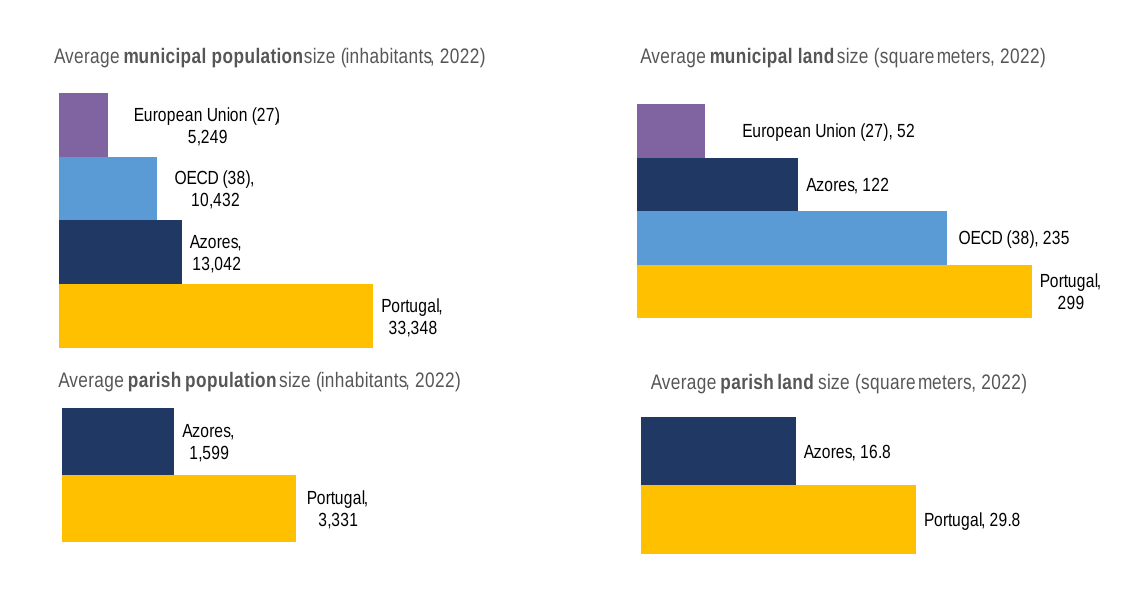
Source: Data from the OECD Dashboard on Subnational Government Structure and Finance | OECD for OECD and the EU averages (OECD, 2024[40]) and from the Annual Statistics Yearbook 2023 on Portal do INE (INE, 2023[17]) for the Azores and Portugal.
The territorial organisation of the Azores reflects not only population patterns but also geographic dispersion and strong local identities inherent to island communities. The two most remote islands of Corvo and Flores are also the least densely populated (23 and 25 inhabitants per square meter). The islands of Flores, Sao Jorge and Pico have a higher number of parishes compared with their population, with less than 1 000 inhabitants per parish on average (down to 312 inhabitants in Flores), yet it remains within the minimum size laid out in the law. This provides for large disparities in terms of public service and infrastructure costs, as described previously.
Traditional solutions to address fragmentation such as municipal mergers face significant barriers in the Azores due to low density and strong local identities of municipalities and parishes. A parish-level merger reform was implemented in 2013 in mainland Portugal as part of the Economic Adjustment Programme. The reform came into force with the 2021 elections, and reduced the number of parishes by 27%, from 4 259 to 3 091 (OECD, 2020[41]). However, this reform has been reconsidered since 2023, with around a third of aggregated parishes (in both populated and less populated areas) seeking to reverse the mergers, citing concerns about diminished local representation and the erosion of community identity. As of January 2025, around 167 formerly merged parishes are expected to be reinstituted (Presidency of the Portuguese Republic, 2025[42]).
While horizontal inter-municipal cooperation (IMC) has gained momentum in mainland Portugal, the Azores does not have formal IMC bodies. The mainland has established 23 inter-municipal councils (Comunidades Intermunicipais) since 2013 to support joint service delivery and regional planning across municipal boundaries (NUTS 3 level). In parallel, special arrangements have been developed to facilitate cooperation for the Lisbon and Porto metropolitan areas (MAs). By contrast, the Azores has only a few informal cooperative initiatives. Of the nine islands, four consist of a single municipality, while three others—such as Flores and São Jorge—have only two municipalities each, where no formal cooperation mechanisms currently exist. The islands of São Miguel and Pico, which are both the largest in terms of area and host the most municipalities, have established intermunicipal associations (AMISM and AMIP respectively) to coordinate areas such as waste management, IT services, and environmental protection. Terceira and Graciosa also benefit from the GRATER Association, which supports rural development and improved living conditions. However, these initiatives remain informal and are often limited in scope and impact. This reflects the absence of a formal framework for intermunicipal cooperation in the Azores, while there remains room for strengthening intermunicipal collaboration, while acknowledging the structural and geographic limitations specific to the Azorean context (Box 4.8).
While Portugal’s national legislation designates inter-municipal councils as the primary framework for municipal cooperation, it grants autonomous regions greater oversight. In the Azores, the EPARAA mandates that the region promote inter-municipal cooperation (Article 134), with regional laws allowing tailored forms of collaboration such as “Associations of Common Interest,” to address local needs in areas such as waste management and water supply.
While this system was established to protect regional autonomy, it creates an additional legal hurdle to IMC in the Azores. The separation between regional and municipal governance, maintained to preserve each level’s identity, undermines the municipalities' ability to organise themselves collectively. Moreover, it lacks financial transfers to promote cooperation, as most municipal transfers are negotiated directly with the central government.
National legislation also sets minimum requirements for parishes to ensure effective service delivery, including at least one public employee, dedicated headquarters and population thresholds of 750 residents for mainland parishes and 250 for those in autonomous regions.
Source: OECD (2020) Decentralisation and Regionalisation in Portugal: What Reform Scenarios? (OECD, 2020[41])
Strengthening IMC in the Azores can bring region-wide benefits but also certain challenges, depending on the type of cooperation. IMC can enhance service delivery efficiency and fostering regional cohesion, while maintaining jurisdictional autonomy, and bringing environmental benefits. An OECD found that IMC on transportation issues reduces CO2 transport emissions, in part due to greater environmental policy coherence and widespread enforcement (Osei Kwadwo, V., & Skripka, T., 2021[43]). On the other hand, IMC can increase administration costs by creating a new hierarchical layer, in particular in the Azores where governance arrangements are already quite complex. A balance must be struck when defining the legal, fiscal and institutional framework for IMC, between strong and more formal models (e.g. Finland, France) to more flexible and less formal systems (e.g. Greece, Lithuania) (OECD, 2024[44]).
The Azores has opportunities to increase horizontal cooperation beyond national borders. Azorean stakeholders actively participate in EU networks related to research and biodiversity, evidenced in their high participation rate in EU competitive funds (Figure 4.13). Nevertheless, Azorean municipalities are absent from political cooperation networks such as the European Small Islands Federation (ESIN), which brings together small island communities from 11 EU countries to advocate for sustainable development and share best practices on challenges including depopulation, sustainable infrastructure and climate resilience (ESIN, 2024[45]). Strengthening international cooperation could help Azorean local governments access policy expertise and engage in joint initiatives that address the unique challenges faced by island territories.
The Azores public workforce is ageing
The public employment sector is relatively unattractive to young people, which can be a factor of out‑migration. The public sector in the Azores accounts for a large and increasing share of total employment (see Chapter 1). However, people aged 45-64 years are over-represented in the Regional Direct Administration (61%, versus accounting for 43% of the working-age population in 2023). Regional public employees in youth services, employment, tourism, education and culture are older on average than their counterparts in other administrative branches (Figure 4.15). Depending on the policy areas, the regional government may wish to enhance the attractiveness of the public sector. The ageing of public employees threatens to undermine policy efficiency, as policies typically achieve better outcomes when the demographic groups they target participate in their design and implementation. At the same time, attracting a younger workforce can foster innovation, align public services more closely with the evolving expectations of younger generations and create meaningful employment pathways for youth.
Regional government staff, by age-groups and regional government directorates (2023)
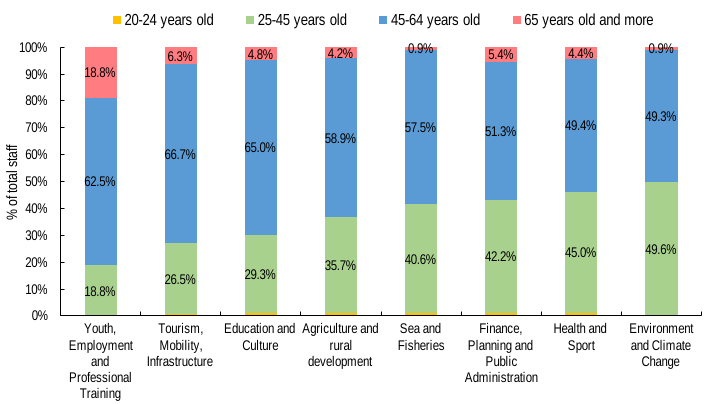
Source: Regional Directorate for Organisation, Planning and Public Employment’s Relatorio de Recursos Humanos 2023 (Secretaria Regional das Finanças, Planeamento e Administração Pública, 2023[46])
This ageing phenomenon extends beyond the regional government, to municipal administrations. In Velas, more than 70% of municipal employees are over 50 years old, with local representatives expressing particular concern regarding the declining number of public employees in technical departments such as urban planning. The ageing trend is also evident nation-wide in political instances. Only 4% of Portuguese parliament members are under 40 years old, compared to the OECD average of 23%, while people aged 20-40 account for 22% of the total Portuguese population (OECD, 2024[47]).
The Azores has taken steps to develop a more attractive regional public administration. The regional government has adopted a decentralised governance model, with directorates and administrative bodies distributed across multiple islands, and has invested in digitalisation of the public administration to enable both geographic representativeness and flexibility for public employment. The region has piloted participatory budgeting within pioneer regional government directorates with encouraging results, planning to roll it our more widely. The Azores has also initiated projects to engage young people in political activities, including hosting six “Youth Councils” since 2023 and chairing the European Rural Youth Observatory (EURYO).
Disjointed regional and municipal statistics undermine informed policymaking
The Azores, as an archipelago, faces challenges in evidence-based policymaking for demographic change due to some statistics not being available at an island level. This lack of granular data undermines the regional government’s capacity to design and implement policies tailored to the specific demographic dynamics of each island. It also reduces the effectiveness of consultative bodies such as the Economic and Social Council of the Azores (CESA) to produce accurate diagnoses and targeted recommendations. A factor contributing to this data gap is institutional arrangement of the Regional Statistics Office of the Azores (SREA) and Madeira (DREM), which function as regional delegations of the national statistics office (INE). Therefore, the SREA is legally required to certify its activities and fully comply with the guidelines and instructions of the INE, which apply uniformly across all statistical authorities in Portugal. This centralised model, while ensuring national coherence and comparability, may limit the responsiveness of regional statistical offices in matters such as demographic trends and local finance, where more granular, island-specific data could enhance planning and policy relevance.
The absence of nationally produced population forecasts at the municipal level limits effective planning in the Azores. This problem is compounded by the misalignment between the regional level forecasts made by the central government and the forecasts made by Eurostat. Misaligned and inconsistent population forecasts may have unintended consequences, such as municipal competition or self-fulfilling demographic decline, as it has been experienced in Japan or Ireland (Kondo, 2024[48]). Some government departments have launched individual initiatives to fill-in this gap, that could inform the work of other regional departments. The Budget Department has undertaken studies on the cost of insularity in service provision. The Directorate on Climate Change developed demographics projections integrated with infrastructure and social data for the Regional Plan for Climate Change.
The lack of consolidated fiscal data further limits budgetary oversight and accountability in the Azores. The Regional Budget Department (DROT) provides consolidated fiscal statistics annually, but only for the “Azores regional government administration.” The statistical authorities produce fiscal data using different formats, timeframes and methodologies – for instance, data on expenditure by functional classifications are unavailable at the municipal and parish levels. Overall, the absence of a comprehensive overview of all Azorean spending and revenue allocated and derived from regional, municipal and central government sources hinders effective and coordinated policymaking.
The following recommendations aim to reinforce regional strategic planning, strengthen regional and municipal finances and review multi-level governance structures to encourage coordination and ensure service and investment efficiency.
Reinforce strategic planning to strengthen regional resilience against demographic pressures
The Azores’ approach to demographic change focuses on incentives to attract residents and businesses but lacks a comprehensive and cross-sectorial integration, to consider how demographic change will affect all dimensions of the region's economy, environment and society. As in many OECD regions, policies, strategies and plans are often prepared and implemented in silo across departments and in parallel at national, regional and municipal levels, creating risks of incoherence. This approach risks inefficient allocation of resources and their cross-purpose use, which may lower overall effectiveness and widen demographic disparities. The absence of island-scale strategies further complicates matters, as does the limited availability of demographic projections and consolidated statistics in regional planning and investment decisions. Some key policy avenues are as follows:
Strengthen regional and municipal statistics to ensure policies, strategies and plans are informed by accurate and regularly updated data. This includes first providing robust, municipal-level demographic statistics, which are essential to draw projections, and updating these projections regularly. This could be facilitated by an open-source digital dashboard covering all islands and municipalities, with real-time tracking of demographic and economic changes. The Azores should also improve fiscal indicators on expenditure by functions and investment and data on service accessibility and quality. The strengthening of a centralised platform within the Azores Statistics Office (SREA), in collaboration with the National Statistics Office (INE), could help to improve collection, and dissemination of relevant statistics on a regular basis, such as the example of the UK (Box 4.9). This would require boosting in-house capacity (both personnel and technical infrastructure) to collect and administer these data at municipal level, enabling, for instance, to track population dynamics over time using annual resident population estimates by municipality. The strategic use of EU Cohesion Policy funds allocated for Technical Assistance could help strengthen subnational statistical and analytical capacity and improving digital infrastructure, in particular for most remote municipalities.
Integrate demographic projections in regional strategic documents to ensure policies and investment decisions align with long-term demand. This means incorporating mid to long term population forecasts in key strategic documents, such as the Regional Annual Plan, the Azores Regional Operational Programme and Spatial Planning Strategy, which can then inform sectoral documents such as statutory regional and municipal spatial plans. Demographic projections could also be incorporated in appraisal documents to align investment prioritisation with demand.
Establish an overarching framework for adapting to demographic change to provide a common vision for the government and coherence between strategies and policies. This could be a high-level formal document outlining an overarching framework, such as the Scottish Action Plan to address depopulation, or be enshrined in legislation by the Azores Legislative Assembly, ensuring stronger institutional commitment and continuity, similar to the approach taken in Castilla-La Mancha (Spain) (Box 4.10). This framework must be drawn up by the various departments concerned within the regional administration, and its implementation could be supported by monitoring tools developed by the region, such as the Sustainability Charter of the Azores.
Ensure inclusive, multi-level stakeholder engagement in the design and implementation of the regional framework for addressing demographic change. The regional framework should be co-developed with the active involvement of regional stakeholders, including all relevant departments within the regional administration, municipal and parish governments as well as members of island councils, representatives from CESA and Youth Councils. The framework monitoring tools should also be effectively disseminated across levels of government and sectors, to enable consistent tracking and accountability of progress on demographic adaptation and mitigation objectives.
The UK HM Treasury publishes statistical estimates for the allocation of identifiable expenditure between the regions and devolved nations of the UK. This exercise, carried out annually since 2020, aims to collate country and regional spending information published by the various government departments, devolved administrations (i.e. Wales, Scotland and Northern Ireland Statistical Services), local authorities and public corporations. This initiative builds on a 2013 pilot project to align and combine the different methodologies used by each region, the central government and municipalities, to determine actual so-called “regional” spending.
The challenge was to identify what share of total expenditure comes from the UK government, devolved regions governments and local authorities. For this, the Treasury had to determine what public spending could be defined as “for” a specific region (“if the benefit of the service derived from the expenditure is thought to accrue to the residents of this region”). Conversely, non-identifiable expenditure was defined as “expenditure on services that is incurred to benefit the UK as a whole and cannot be identified as benefiting a particular region of the UK” (e.g. defence). In the CRA Methodology, non-identifiable expenditure is apportioned to devolved nations based on indicators such as population and GVA.
Source: (HM Treasury, 2024[49])
Scotland’s Action plan to address depopulation
Scotland is the only regions in the UK projected to face population decline from 2033, with rural and island areas most affected. In response, the Scottish Government launched its Action Plan to Address Depopulation in 2024. The Plan is overseen by a Ministerial Population Taskforce to ensure coordinated delivery. Along with the Plan, the Scottish Government provided funding to local authority areas most affected by the challenge of population decline.
The Plan builds on the 2021 National Population Strategy, specifically its fourth pillar “A More Balanced Population”, which aims for a sustainable and spatially equitable population distribution aligned with local characteristics and ambitions. The strategy underscores the importance of collaborative governance involving national and local governments, communities, and other partners. It also underlines the importance to harness demographic data, including at sub-local level, to review the plan gradually and further inform the delivery of targeted, community-level interventions.
This approach is reinforced by the National Islands Plan, mandated by the Islands (Scotland) Act 2018 (see Chapter 2 Box 2.3). These plans are informed by extensive public consultation, which highlighted depopulation as the highest priority for island communities. To address this challenge, the Plan includes 13 Strategic Objectives and over 130 commitments, which must be delivered over the five-year lifetime of the Plan. Additionally, the recently adopted National Planning Framework 4 (NPF4) provides a spatial policy framework to guide sustainable development through 2045. Substituting to the NPF 3 (2014), the Framework incorporates a strong understanding of spatial variation in demography.
Castilla-La Mancha's legislation to combat depopulation
The Autonomous Community (AC) of Castilla-La Mancha, in Spain has enacted a specific law aimed at tackling rural depopulation through a cross-sectoral, integrated approach. The Law "Economic, Social, and Tax Measures Against Depopulation and for the Development of Rural Areas" (Law 2/2021) was enacted in June 2021.
The Law aimed at streamlining the challenges of depopulation across policy sectors in various ways. It created an interdepartmental commission bringing together various sectors—including tourism, trade, industry, environmental protection, and social policy—to ensure cross-sectoral coordination and to facilitate the pooling of available funds. The Law also mandates the inclusion of Demographic Impact Reports in the drafting of regulations and budgeting processes, to assess the potential effects of proposed public policies on rural areas and depopulation trends.
The law is implemented and monitored at local level through the development of Agendas for Urban and Rural Development (ADUR) in five pilot areas as of 2024. These agendas are developed in collaboration with Local Action Groups, municipalities and other local stakeholders (companies, professional associations). The ADUR aim to identify specific needs and obstacles in different territories to promote economic development and population retention.
Source: Scottish Government (2024) An Action Plan to Address Depopulation, Supporting and enabling sustainable communities: An Action Plan to Address Depopulation ; Spanish Government (2021) BOE-A-2021-11513 Ley 2/2021, de 7 de mayo, de Medidas Económicas, Sociales y Tributarias frente a la Despoblación y para el Desarrollo del Medio Rural en Castilla-La Mancha.
Strengthening regional and municipal finances to improve fiscal sustainability and support effective investment
Ageing and population decline risks reducing regional government revenue, while increasing expenditure, particularly in healthcare. This growing burden constrains the region’s ability to fund other key priorities such as housing, education, employment and transport which are critical for enhancing regional attractiveness and demographic resilience. Smaller and remote municipalities are particularly exposed to capital expenditure pressure. Despite the region’s fiscal autonomy, revenue mobilisation remains limited at all levels. Property taxes, for instance, generate only 1% of municipal revenue in some cases. The disconnect between the regional and the municipal fiscal frameworks complicates tax policy coordination and financial oversight, and regional and municipal governments frequently use fiscal incentives and tax breaks to attract residents and investment, further narrowing the tax base.
The Azores is a prime beneficiary of EU funds, both Cohesion Funds and competitive funds, which has helped build administrative capacity within the regional government. Nevertheless, insufficient stakeholder engagement and municipal government capacity, especially in smaller islands, can hinder investment planning and implementation. EU-funded projects approved as of 2025 highlight potential gaps in investment priorities. Half of approved projects are related to SME competitiveness, education and training, key areas for boosting economic resilience and the region’s attractiveness, and most projects are concentrated in the most populated islands. By contrast, less than 4% of approved projects target climate change adaptation, culture, or tourism, despite the potential of these sectors to support sustainable development and contribute to youth retention. Some key policy avenues are as follows:
Review and publish tax incentives to maximise their effectiveness and limit overlaps across government levels, by mapping the full set of fiscal incentives currently in place at the central, regional and municipal levels. This process should be transparent and participatory, gathering data on incentives from government and business stakeholders, and conducting a comprehensive assessment of their performance in meeting regional development goals, including demographic sustainability, and an analysis of their fiscal opportunity costs (Box 4.11). Optimising its tax incentives policy could empower the region to help direct investments to projects that are more likely to succeed and provide a better return on investment.
Strengthen and diversify regional own-source revenues to balance the reliance on transfers and help achieve policy objectives related to demographic change. The regional government should encourage economic growth through labour force participation and digitalisation, to increase revenues from its two main taxes, the VAT and PIT. In parallel, it should implement fiscal tools that tap onto economic opportunities such as tourism-related charges, e.g. fees for access to national parks, hiking trails and protected areas, rental car or fuel surcharge applied to vehicle rentals, charges for specific activities like hiking, diving, or visiting cultural sites.
Ensure stable and predictable domestic financial transfers to autonomous regions in any revision of the Autonomous Region’s Finance Law, to support efficient allocation of the Azores’ regional revenue in key sectors such as health and education. This could include reviewing the formula for the allocation of transfers to better cover extra costs related to population shrinkage and insularity.
Control growth in regional expenditure by supporting consolidated and digitalised service delivery models (especially in remote areas), repurposing infrastructure, and promoting long-term policies that prevent wasteful spending, such as preventive public health programs focused on healthy ageing as part of the Regional Health Plan.
Enhance municipal own-source revenue from property taxes, by conducting GIS-based audits to identify unregistered or undervalued buildings, supporting regular property valuations, and improving the identification of vacant or abandoned properties. Municipalities should consider gradually applying differentiated municipal property tax (IMI) rates to encourage better land use, and offering multilingual services or online payment tools to facilitate tax compliance by non-resident property owners. To support these efforts, the regional government could work with the national government and associations of municipalities to ensure equitable access to relevant data, as introduced by the recent Law on the Property Tax in Bosnia and Herzegovina (Box 4.12). The regional government could also provide training and technical assistance on GIS tools and digital tax administration and promote inter-municipal cooperation to share costs and expertise.
Build capacity at the regional and municipal level for efficient service provision and investment implementation through streamlined administrative processes. The regional and central governments should design targeted capacity building programmes, in partnership with the National and Regional Associations of Municipalities and Parishes, and ensure municipalities’ early engagement in the development of investment projects. This could strengthen the capacity of the regional administration to coordinate the various European and national funds, by leveraging EU funds for Technical Assistance, and to conduct regular reviews of priorities. This skill enhancement could contribute to making the public sector more attractive, particularly to the youth, and to ensure a steady pipeline of skilled professionals.
State Tax Incentive Evaluations Database in the US
The costs of tax incentives have increased quickly and unexpectedly in many US states at federated level. This has created significant budgetary challenges, resulting in policy-makers growing increasingly interested in obtaining comprehensive information on the impact of these incentives. In response, the US National Conference of State Legislatures (NCSL) developed the State Incentive Evaluations Database, which compiles data from all 50 states covering the period from 2008 to the present. The database, developed using Power BI software, provides a detailed inventory organised by types of incentives (e.g. geographically targeted, property-tax related, incentives for SME, etc) and by assessment techniques (e.g. economic modelling, fiscal challenges, incentive data, etc).
To evaluate incentives, state governments gather data from a variety of sources, including revenue departments, workforce agencies and businesses. These evaluations typically incorporate opportunity cost calculations, comparing the benefits of alternative policy options against actual outcomes of incentives to determine overall effectiveness.
Tax benefits budgets of Autonomous Communities in Spain
In Spain, autonomous communities prepare and publish “Tax Benefit Budgets” (PBF) as an integral component of their annual general budgets. The preparation process follows several structured steps:
1. Identification of tax benefits, including deductions, exemptions, rebates and other tax incentives applicable within the territory that affect assigned or own taxes;
2. Calculation of revenue losses based on historical data and economic projections;
3. Integration of the PBF into the draft general budget bill of the autonomous community.
The draft budget undergoes parliamentary review for debate, amendment and approval, before being published online. This process complies with Article 14.2 of Council Directive 2011/85/EU, which establishes that "Member States shall publish detailed information on the impact of tax benefits on revenue".
Sources: State Tax Incentive Evaluations Database (NCSL, 2024[50]); Tax benefit budgets published on the Spanish Ministry of Finance website (Ministerio de Hacienda, 2024[51])
In Bosnia and Herzegovina, the recent Law on the Property Tax obliges the Tax Administration of the Republic of Srpska (RS) to share and submit data at the request of the city or municipality for properties located in their territories. This aims at establishing better coordination of these bodies for more efficient tax collection. In addition, the Law also obliges the Republic Administration for Geodetic and Property Affairs to provide permanent access to the Tax Administration of RS and to local governments on property information.
Source: NALAS Fiscal Decentralization Indicators for Edition South-East Europe, 9th Edition (NALAS, 2024[52])
Reviewing multi-level governance structures to encourage coordination and ensure service efficiency
Portugal's asymmetrical regional structure and the realities of autonomous regions can create confusion regarding responsibilities across regional, municipal and sub-municipal levels in the Azores, particularly in the transport, land-use and housing sectors which involve decision-making and investment across government levels. This is compounded by the lack of substantive and formal powers of existing vertical coordination bodies (e.g. island councils) and stakeholder engagement platforms such as the Economic and Social Council (CESA). Existing investment frameworks also suffer from the lack of coordination mechanisms, potentially leading to misalignment in infrastructure development and unequal recourse to contractual arrangements between the autonomous region and municipalities (Administração Regional Autónoma e Administração Local, ARAAL contracts).
While Azorean municipalities are relatively large by European standards, their geographic dispersion across nine islands creates unique governance and financial hurdles. Most municipalities have low own-source revenues and fiscal autonomy, which hinders the efficiency of service and infrastructure provision, straining municipalities that are the most remote and with declining populations. Horizontal cooperation remains limited, with a few intermunicipal initiatives, focused primarily on waste management and environmental services and EU Integrated Territorial Investments (ITIs) in the marine economy. The limited cooperation is further hindered by a culture of competitiveness between municipalities, driven by competition for EU and national funds. Some key policy avenues are as follows:
Promote voluntary cooperation between municipalities and parishes via flexible contractual arrangements, to help improve the quality and efficiency of public services and investment (e.g. housing, tourism, roads and public transport) as well as for administrative functions (e.g. planning, joint-disaster response plans, crisis preparedness) that could benefit from a larger scale. The regional government could promote and scale up the use of ARAAL contracts by providing clear incentives for inter-jurisdiction collaboration, in accordance with local specificities and within the principles of local autonomy. These contracts should include the sharing of investment costs between signatory municipalities, which can be based on different cost sharing methods depending on the service (Box 4.13). The regional government could extend its digital governance tools across municipalities and parishes to enhance communication and collaboration, for IT and other support functions. Integrated Territorial Investments (ITIs) under EU Cohesion Policy could also provide a complementary mechanism to co-finance cooperative initiatives and structure them to make them long-lasting.
Clarify competences in the transportation sector, to ensure the effective allocation of responsibilities and functions between the regional, municipal and parish levels, which is critical given transportation's significant share of regional expenditures and its vital role for regional attractiveness. The regional government should undertake a more strategic role in the definition and overseeing of the transportation strategy, to promote a more integrated transportation system incorporating maritime and land transport services and infrastructures. This would also enable the region to work more effectively with municipalities and parishes to improve intra-island transport and mobility.
Review and formalise the role of island councils and other vertical and horizontal coordination bodies, to support more effective multilevel dialogue and balanced territorial development. Beyond their current consultative function, island councils could serve to actively involve regional, municipal, and parish levels in the co-production of the Regional Annual Plan and Medium-Term Guidelines. Enhancing the institutional recognition and capacity of island councils would enable the region to promote more inclusive, place-based policy approaches and better balance investment priorities between urban and non-urban areas. At the same time, clarifying the roles of the Economic and Social Council and the Azorean Diaspora Council could facilitate and institutionalise stakeholder engagement. This would create more structured opportunities for dialogue with the private sector and civil society, including youth representatives. Enhancing communication channels and encouraging meaningful participation of residents from each island, including the youth (as within executive boards or diaspora councillors), would strengthen the legitimacy and responsiveness of regional policies.
Ecological recovery and transition contracts in France
France introduced Recovery and Ecological Transition Contracts (CRTE) in 2020. These contracts are dedicated to inter-municipal cooperation bodies and provide a framework from 2020 to 2026 for the territorialisation and coordination of a range of public policies aimed at addressing the challenges of territorial cohesion and the green transition. The contracts’ priorities are defined locally and agreed upon with the central government. Inter-municipal grouping can access funding for the projects agreed upon in the contracts from a variety of sources including a specific national capital grant, EU funds, grants from line ministries or from the private sector.
Collaborative contracts for shared service provision in Finland
The Finnish government has broadly supported inter-municipal cooperation, encouraging shared services among local authorities. Shared services provision is mandatory for certain services (e.g. regional land-use planning) and voluntary for other types of services (e.g. education in Finland).
The Municipal Act provides municipal councils with discretion over the governance of shared service provision models and for the drafting of collaborative contracts, through flexible voluntary inter-municipal contractual agreements (IMCAs). This system establishes a basic minimum framework, leaving municipalities with room for decision-making. The central government also provided special, fixed-term subsidies to promote collaboration, as well as pool financing mechanisms.
Source: OECD (2024) Enabling Inter-Municipal Shared Service Provision in Lithuania https://doi.org/10.1787/f8ad6859-en ; ANCT (2025) https://anct.gouv.fr/programmes-dispositifs/contrats-pour-la-reussite-de-la-transition-ecologique/crte-signes
References
[15] Assembleia Legislativa da Região Autónoma dos Açores (2023), Decreto Legislativo Regional n.º 33/2023/A de 16 de agosto de 2023, https://jo.azores.gov.pt/api/public/ato/76e28ea5-0b19-4bd7-a4d4-0aca37dfa241/pdfOriginal.
[14] Assembly of the Republic (2013), Regional Finance Law, https://diariodarepublica.pt/dr/legislacao-consolidada/lei-organica/2013-73431772.
[38] Azores Legislative Assembly (2018), Decreto Legislativo Regional n.º 8/2018/A de 5 de julho de 2018.
[10] Azores Regional Government (2025), Communication, https://portal.azores.gov.pt/en/web/comunicacao/news-detail?id=16912164.
[4] Azores Regional Government (2025), Plano Regional Para 2025, https://oraa.azores.gov.pt/.
[35] Azores Regional Secretary for Transport, Tourism and Energy (2019), 2019-2030 Action Plan for the Sustainability of the Azores Destination, https://sustainable.azores.gov.pt/wp-content/uploads/2021/09/EC08_01PlanoAcao2019-2030_EN_s.pdf.
[20] Banco de Portugal (2025), Government debt: statistical press release.
[2] CFP (2024), CFP Report no. 01/2025: Autonomous Regions Budget Outturn in 2023.
[22] CFP (2024), Local government budget rules, https://www.cfp.pt/pt/caixas/financas-publicas/regras-orcamentais-da-administracao-local.
[5] CFP (2022), Autonomous Regions Budget Outturn in the 2011-2020 period, https://www.cfp.pt/en/publications/general-government-sectors/autonomous-regions-finances-outturn-in-the-2011-2020-period.
[31] CINEA (2024), Public dashboard, https://dashboard.tech.ec.europa.eu/qs_digit_dashboard_mt/public/sense/app/3744499f-670f-42f8-9ef3-0d98f6cd586f/sheet/4c9ea8df-f0f9-4c0d-b26b-99fc0218d9d9/state/analysis.
[45] ESIN (2024), European Small Islands Federation, https://europeansmallislands.com.
[33] ESPON (2022), Territorial impacts of COVID-19 and policy answers in European regions and cities: Case study report on Terceira Island, https://archive.espon.eu/sites/default/files/attachments/TERRCOV_Case%20study%20of%20Azores.pdf.
[32] European Commission (2025), A modernised Cohesion policy: The mid-term review, https://ec.europa.eu/regional_policy/sources/communication/mid-term-review-2025/communication-mid-term-review-2025_en.pdf.
[29] European Commission (2025), Azores Regional Programme 2021-2027, https://ec.europa.eu/regional_policy/in-your-country/programmes/2021-2027/pt/2021pt16ffpr002_en.
[26] European Commission (2025), Cohesion Open Data Platform, https://cohesiondata.ec.europa.eu/countries/PT/21-27.
[28] European Commission (2025), Cohesion Open Data Platform, https://cohesiondata.ec.europa.eu/countries/PT/21-27.
[9] European Commission (2024), 2024 Country Report - Portugal, https://economy-finance.ec.europa.eu/document/download/c6e61ba3-868f-4de4-833b-a398213472b6_en?filename=SWD_2024_622_1_EN_Portugal.pdf.
[27] European Commission (2023), The RHOMOLO ex-ante impact assessment of 2021-2027 cohesion policy, https://publications.jrc.ec.europa.eu/repository/handle/JRC133844.
[24] Eurostat (2025), National Accounts database, https://ec.europa.eu/eurostat/web/national-accounts/database.
[21] FitchRatings (2024), Autonomous Region of Azores, https://www.fitchratings.com/entity/autonomous-region-of-azores-96778902.
[49] HM Treasury (2024), Country and regional analysis, https://www.gov.uk/government/collections/country-and-regional-analysis.
[3] INE (2024), Regional Statistics Yearbook, https://www.ine.pt/xportal/xmain?xpid=INE&xpgid=ine_doc_municipios.
[17] INE (2023), National Statistics Yearbook, https://www.ine.pt/xportal/xmain?xpid=INE&xpgid=ine_publicacoes&PUBLICACOESpub_boui=439483509&PUBLICACOESmodo=2.
[48] Kondo, K. (2024), “Reexamining the Eventual Extinction of Japan’s Municipalities: What do 40-years of recent data tell us?”, RIETI, https://www.rieti.go.jp/en/special/policy-update/114.html.
[30] Maucorps et al. (2024), Research for REGICommittee – Cohesion Policy in the outermost regions, European Parliament, https://www.europarl.europa.eu/RegData/etudes/STUD/2024/747282/IPOL_STU(2024)747282_EN.pdf.
[51] Ministerio de Hacienda (2024), Tax benefit budgets, https://www.hacienda.gob.es/en-GB/CDI/Paginas/InformacionPresupuestaria/InformacionBeneficiosFiscales/Presupuestosdebeneficiosfiscales.aspx.
[52] NALAS (2024), NALAS Fiscal Decentralization Indicators for Edition South-East Europe, https://nalas.eu/ninth-edition-of-nalas-fiscal-decentralization-indicators-for-edition-south-east-europe/.
[50] NCSL (2024), State Tax Incentive Evaluations Database, https://www.ncsl.org/fiscal/state-tax-incentive-evaluations-database.
[13] Nova SBE (2025), Who can afford essential expenses? An analysis of absolute poverty in Portugal, la Caixa Foundation and BPI.
[19] Observatorio do Turismo dos Açores (2025), Entrou em vigor nova Taxa Turística em São Miguel, https://otacores.com/entrou-em-vigor-nova-taxa-turistica-em-sao-miguel/.
[23] OECD (2025), Subnational governments in OECD countries, key figures.
[44] OECD (2024), Enabling Inter-Municipal Shared Service Provision in Lithuania, https://www.oecd.org/en/publications/enabling-inter-municipal-shared-service-provision-in-lithuania_f8ad6859-en.html.
[40] OECD (2024), OECD Dashboard on Subnational Government Structure and Finance, https://www.oecd.org/en/data/dashboards/oecd-dashboard-on-subnational-government-structure-and-finance.html.
[25] OECD (2024), OECD Municipal government finance database (Disaggregated MUNIFI), https://data-explorer.oecd.org/vis?fs%5b0%5d=Topic%2C1%7CRegions&pg=0&fc=Topic&bp=true&snb=4&df%5bds%5d=dsDisseminateFinalDMZ&df%5bid%5d=DSD_SNGF_AGG%40DF_MUNIFI&df%5bag%5d=OECD.CFE.RDG&df%5bvs%5d=1.0&pd=2020%2C2020&dq=AUS..._Z.XDC&ly%5brw%5d=MEASURE&to%5.
[18] OECD (2024), Questionnaire filled-in by the regional government.
[7] OECD (2024), Regional government finance and investment database, https://data-explorer.oecd.org/vis?fs%5b0%5d=Topic%2C1%7CRegions%2C%20cities%20and%20local%20areas%23GEO%23%7CSubnational%20government%20finance%20and%20employment%23GEO_SNG%23&pg=0&fc=Topic&bp=true&snb=4&df%5bds%5d=dsDisseminateFinalDMZ&df%5bid%5d=DSD_SN.
[11] OECD (2024), Tax Policy Reforms 2024: OECD and Selected Partner Economies, OECD Publishing, Paris, https://doi.org/10.1787/c3686f5e-en.
[47] OECD (2024), The OECD Reinforcing Democracy Initiative: Monitoring Report – Assessing Progress and Charting the Way Forward, OECD Public Governance Reviews, OECD Publishing, Paris, https://doi.org/10.1787/9543bcfb-en.
[12] OECD (2022), Building an investment tax incentives database: Methodology and initial findings for 36 developing countries, https://www.oecd.org/content/dam/oecd/en/publications/reports/2022/02/building-an-investment-tax-incentives-database_c2eb9643/62e075a9-en.pdf.
[39] OECD (2021), Empowering the immigrant diaspora for sustainable development - Case study of Italy, https://www.oecd.org/content/dam/oecd/en/publications/reports/2021/03/development-co-operation-tips-tools-insights-practices_d307b396/empowering-the-immigrant-diaspora-for-sustainable-development_241ad8b2/d054470a-en.pdf.
[41] OECD (2020), Decentralisation and Regionalisation in Portugal: What Reform Scenarios?, OECD Multi-level Governance Studies, OECD Publishing, Paris, https://doi.org/10.1787/fea62108-en.
[1] OECD (2019), Making Decentralisation Work: A Handbook for Policy-Makers, OECD Multi-level Governance Studies, OECD Publishing, Paris, https://doi.org/10.1787/g2g9faa7-en.
[36] OECD/UCLG (2022), 2022 Country Profiles of the World Observatory on Subnational Government Finance and Investment, https://www.sng-wofi.org/country-profiles/.
[37] Ordem de Arquitectos (2025), Plano de atividades 2025, https://ordemdosarquitectos.org/backend/uploads/03_Proposta_PLANO_DE_ATIVIDADES_2025_VF_062bd41a95.pdf.
[43] Osei Kwadwo, V., & Skripka, T. (2021), “Metropolitan governance and environmental outcomes: does inter-municipal cooperation make a difference?”, Local Government Studies, 48(4), 771–791, https://doi.org/10.1080/03003930.2021.1958785.
[16] Portuguese Public Finance Council (2025), Transfers distribution under the Autonomous Regions Finance Law, https://www.cfp.pt/en/boxes/public-finance/transfers-distribution-under-the-autonomous-regions-finance-law.
[42] Presidency of the Portuguese Republic (2025), President of the Republic returns replacement of parishes, https://www.presidencia.pt/atualidade/toda-a-atualidade/2025/02/presidente-da-republica-devolve-reposicao-de-freguesias/.
[34] Recuperar Portugal (2024), The “Digital Transition” in the Azores.
[46] Secretaria Regional das Finanças, Planeamento e Administração Pública (2023), Relatorio de Recursos Humanos 2023, https://portal.azores.gov.pt/documents/36534/59e7ffb0-79f8-881c-951a-3564b785b271.
[6] SREA (2025), Contas Económicas Regionais, https://srea.azores.gov.pt/conteudos/Relatorios/lista_relatorios.aspx?idc=29&idsc=1117&lang_id=1.
[8] SREA (2025), Q.16.03 - Resumo da Receita por Capítulos, https://srea.azores.gov.pt/Conteudos/Relatorios/lista_relatorios.aspx?idc=6194&idsc=6832&lang_id=1.
← 1. This designation applies to regions where the gross domestic product (GDP) per capita is less than 75% of the EU average.
← 2. The central government has exclusive powers in foreign policy, defence and internal security. Specific modalities apply in certain areas such as social security, environmental protection, agriculture, education and the civil service, where the Azores may develop and specify national legal principles, through regional legislative decrees.
← 3. SFA includes: Regional Service for Civil Protection and Firefighters, the Regional Health Service, Azores Tourism, Azorean Institute of Culture, among others. EPR includes: Azores water, Nature Conservation and Leisure Parks Company, Air Transport of the Azores, among others.
← 4. Following the approach outlined by (IMF, 2016[44]), the impact of demographic change on the fiscal balance in the Azores was estimated using a simplistic framework consisting of three steps: (1) estimating long-term output; (2) forecasting revenue based on its long-term relationship with output; and (3) forecasting expenditure items, distinguishing between those significantly impacted by demographics and others.
← 5. Residents of the Azores, young people up to 13, people with a physical disability of 60% or more, and guests visiting due to medical services are exempted.
← 6. Law concerning the organisation and procedure of the Court of Audit, Law n° 98/97 of 26 August. The regional sections have their own administrative and financial autonomy. Each regional section’s internal rules of procedure and triennial and annual audit programmes are submitted to the approval of the Court.
← 7. In this section, the term “public investment” is used to encompass “direct investment (investment” (i.e. investment in physical infrastructure and soft infrastructure), and “capital transfers”.