Referring to “Step 3” of the Framework, this chapter delves into the economic assessments conducted for each one of the three selected low‑carbon options. These assessments quantify the competitiveness gap between each low-carbon option and its conventional fossil fuel-based counterpart. They also examine the potential of specific economic and financial instruments to bridge this gap. These insights provide valuable guidance for policymakers on which instruments to prioritise and where public support can provide maximal impact to stimulate investments. Ultimately, this analysis lays the foundation for the evidence-based policy recommendations presented in chapter 6.
Implementing the OECD Framework for Industry’s Net‑zero Transition in Thailand
Decarbonising the Petrochemical Sector and Plastics Value Chain

Abstract
Competitiveness is fundamental for the industry sector. Competitiveness was indeed highlighted as a critical challenge by stakeholders all along the Framework implementation. As the selected low-carbon options come at higher costs (compared to their conventional fossil-fuel based counterparts), closing the competitiveness gap is a pre-requisite to their adoption by the industry.
Likewise, ensuring the competitiveness of low-emission petrochemical and plastic products is a key imperative for unlocking and mobilising private investments in selected low-carbon options. A wide range of economic, financing and de-risking instruments can be used to close this gap (OECD, 2025[1]). However, instruments are not likely to have the same potential for reducing the gap, nor the same impact depending on the low-carbon options.
Referring to “Step 3” of the Framework implementation, this chapter presents the economic assessments conducted for each low-carbon option. Building on a techno-economic modelling approach, these assessments enable to quantify the competitiveness gap, as well as the impact of selected instruments to close this gap. These conclusions build the ground for evidence-based policy recommendations developed in chapter 6 (Figure 3.1).
By identifying the most impactful instruments, these outcomes can inform policy makers on the type of instruments to be prioritised, as well as on where public support can be efficiently used and can provide maximal impact to stimulate investments.

A techno-economic modelling approach is used to quantify how each low-carbon option compares to its conventional fossil fuel-based counterpart in terms of competitiveness. For each option, economic performance is assessed through the Levelised Cost of Production (LCOP). This indicator represents the average net present cost of producing a unit of output (measured in physical terms such as 1 tonne of ethylene) over a project’s lifetime. The competitiveness gap (ΔLCOP) is measured by the difference in LCOP between the low-carbon option and the fossil fuel-based one. The OECD has developed a techno-economic tool based on Microsoft Excel® to carry out these assessments, whose key features are presented in Annex G.
Financial solutions that can improve the economic viability of the low-carbon options are tested by using the techno-economic tool. For each low-carbon option, these outcomes inform on the extent to which each solution can reduce the competitiveness gap and improve its business case. The term “financial solutions” covers three types of instruments:
Economic instruments are defined as “a means by which decisions or actions of the government affect the behaviour of producers and consumers by causing changes in the prices to be paid for these activities”.
Risk mitigation instruments help investors reduce or manage investment and project risks, typically in exchange for a fee and thus, improve the perceived risk-reward profile of an investment.
Financing instruments, such as debt or equity financing, help to fund business activities, making purchases, or investments.
Scope and system boundaries
Biopolyethylene (bio-PE) constitutes plastic resin resulting from the production process relating to option No. 1. Figure 3.2 provides an overview of the different steps:
1. First, the conversion of sugarcane into molasses, including sugar milling, refining, crystallisation and separation.
2. Secondly, bioethanol is produced from sugarcane molasses, involving yeast preparation, fermentation and distillation processes.
3. Bioethanol is then catalytically dehydrated to produce bio-ethylene.
4. Finally, bio-ethylene obtained from this conversion process is used as an input for the polymerisation step to produce bio-PE.
In Thailand, Braskem and SCG Chemicals have formed a joint venture called Braskem-Siam to manufacture bio-PE. Braskem’s role in the joint venture is to produce bio-ethylene from bioethanol through the dehydration process. SCG will use its existing facilities to carry out the polymerisation process. In the scope of this analysis, the polymerisation process is excluded, as the conversion of ethylene – whether bio-based or fossil-fuel based – to polyethylene (PE) follows the same industrial process and uses the same assets. Consequently, incorporating the polymerisation stage would not affect the comparative results between bio-based and fossil-fuel based polyethylene.

Note: The functional unit of the analysis is one tonne of bio-ethylene
Based on these considerations, the economic assessments are conducted from the perspective of the manufacturer of bio-ethylene, namely through the dehydration process. The functional unit of the analysis is one tonne of bio-ethylene. Bioethanol is the main input of this process and further details on the bio-ethylene manufacturing process are provided in Annex F (Chen, Pelton and Smith, 2016[2]; Fan, Dai and Wu, 2013[3]; Mohsenzadeh, Zamani and Taherzadeh, 2017[4]).
Cradle-to-gate GHG emissions of bio-ethylene are lower than those of fossil-fuel-based ethylene. This is due to the absorption of CO2 (known as carbon uptake or biogenic carbon) through photosynthesis when the feedstock crops are farmed, resulting in net-negative emissions (Bishop, Styles and Lens, 2021[5]; Benavides, Lee and Zarè-Mehrjerdi, 2020[6]). Figure 3.3 provides a comparison of cradle-to-gate GHG emissions following a life cycle assessment (LCA) methodology and based on ISO 14040/44 standards (ISO, 2006[7]; ISO, 2006[8]). Cradle-to-gate GHG emissions could be even lower than those presented in Figure 3.3, depending on the methodological choices made regarding biogenic carbon in specific countries or agricultural operations and practices. For instance, the cradle-to-gate GHG emissions for Braskem’s bio-polyethylene product in Brazil were assessed at -2.12 t CO2 eq/ t bio-PE (Braskem, n.d.[9]).
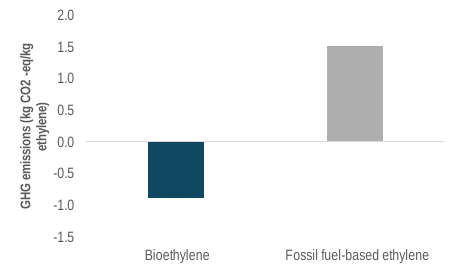
Note: The GHG calculations of bio-ethylene include carbon uptake (considered as a negative emissions).
Source: Authors calculations based on LCA methodology of ISO 14040/44 standards.
Levelised Cost of Production
The economic assessments focus on the LCOP of bio-ethylene compared to its conventional fossil-fuel-based counterpart (fossil fuel-based ethylene produced from steam cracker), for a new asset. Key assumptions of the economic assessments for this reference case are presented in Annex G.
The LCOP of bio-ethylene is three times higher than the LCOP of fossil fuel-based ethylene (Figure 3.4). The LCOP of bio-ethylene reaches USD 2.84 /kg, compared to USD 0.92 /kg for fossil fuel‑based ethylene (ethane-based). Importantly, bioethanol represents around 85% of the bio-ethylene LCOP. The cost of bioethanol is a key driver shaping the competitiveness gap, suggesting that mechanisms targeting bioethanol prices will be crucial to reduce this gap.

Sensitivity analyses to financial solutions
Sensitivity analyses to various instruments are conducted to assess their potential to close the competitiveness gap. The instruments are selected based on their relevance to reduce this gap, stakeholders’ consultations, as well as to stimulate and mobilise investments for the selected low-carbon options. Table 3.1 summarises the different instruments tested for option No. 1, based on the challenge they aim to address and the category of instruments they refer to. The results for each instrument tested are presented in Annex G.
Note: **Under the Ministerial Regulation on the Licensing of Alcohol Production, B.E. 2560 (2017) and the Ministerial Regulation Prescribing the Excise Tax Tariff (No. 2) B.E. 2560 (2017), ethanol (including bioethanol) produced domestically in Thailand is taxed a rate of THB 6 /L. ***: Under the Customs Tariff Decree (No.7) B.E. 2564 (2021), any ethanol (including bioethanol) imported into Thailand faces a custom duty of THB 80 /L.
Source: Authors, based on stakeholder consultations, (Suratman, 2024[10]; The Revenue Department, n.d.[11]; Krungsri, n.d.[12])
Conclusions and key messages
LCOP of bio-ethylene is three times higher than fossil fuel-based ethylene. Bio-ethylene LCOP is largely driven by the cost of bioethanol, which is a key lever to reduce the competitiveness gap.
The instruments tested do not have the same potential to bridge the competitiveness gap (Figure 3.5). While all these instruments are valuable to improve the business case for bio-ethylene production, the difference in terms of impact suggests that some instruments should be prioritised for implementation.
Instruments acting on the price of bioethanol should be prioritised, given their higher impact to reduce the gap compared to others. Removing the existing excise tax on bioethanol for industrial uses would be a first step to improve the competitiveness of bio-ethylene.
Valuing the benefits of bio-ethylene in terms of CO2 emissions avoided – through carbon credits or carbon incentives – is another interesting lever, involving however very high CO2 prices for this mechanism to be impactful (more than USD 100 /t CO2). Instruments acting on investment and cost of capital show rather limited effect, as does the carbon price that would apply to fossil-fuel based ethylene.
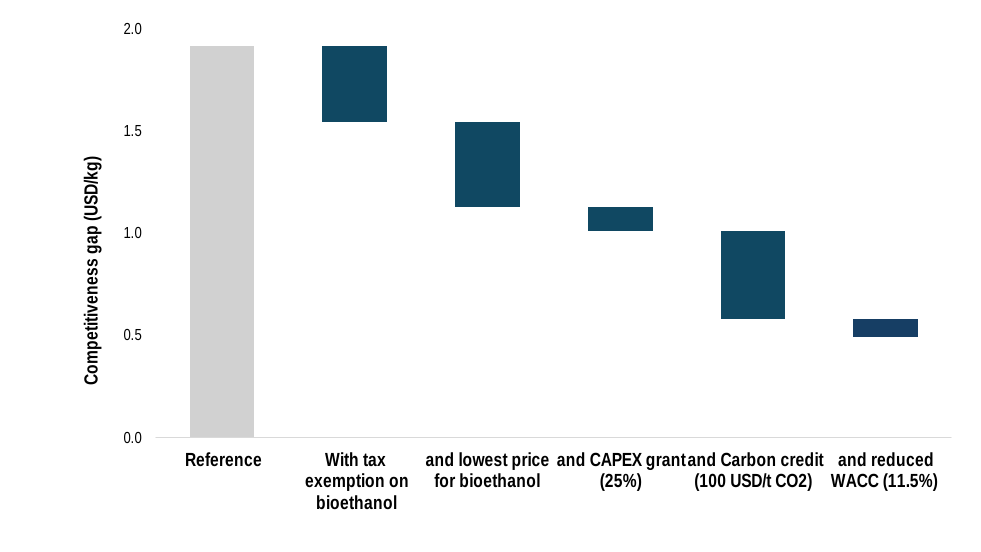
Given these considerations, closing the competitiveness gap will not rely on a single instrument. Rather, a combination of instruments should be considered, as illustrated by one example of scenario in Figure 3.6.
However, even when combining different instruments, the competitiveness gap could not be fully closed. Developing financial instruments is necessary but not sufficient to foster bio-ethylene production projects. It will be equally imperative to develop policy measures on the demand side to create markets for such bio-based products.

Source: Authors, based on techno-economic modelling results.
Source: Authors, based on techno-economic modelling results.
Scope and system boundaries
Bio-based and biodegradable plastics encompass several types of resins. Interviews conducted with Thai industrial stakeholders highlighted that selecting a bio-based alternative to conventional plastics depends on its intended application. PLA was raised as a suitable candidate to be compared with Polyethylene Terephthalate (PET), due to its similar physical properties. Notably, PLA can be processed using the same machinery used for PET, enabling the production of similar applications such as trays, clear cups and films. This makes PLA a practical substitute in terms of both functional performance and CAPEX requirements. PBS and TPS have been examined as suitable substitutes for fossil-fuel based plastics, both in Thailand and globally, hence also considered for the economic assessments and compared to PET (Cheroennet et al., 2017[13]; Du et al., 2008[14]; Aziman et al., 2021[15]).
As mentioned in Annex C and in chapter 2, there are several existing industrial facilities in Thailand that produce bio-based and biodegradable plastics. These include PLA manufacturing by TotalEnergies Corbion, PBS manufacturing by PTTMCC Biochem, TPS manufacturing by SMS Corporation and ThaiWah PCL.
Based on these considerations, the scope of the analysis for option No. 2 includes PLA, PBS and TPS, compared to PET. The economic assessments are conducted from the perspective of the manufacturer of resins of the bio-based and biodegradable plastics. The functional unit of the analysis is one tonne of resin, namely PLA, PBS or TPS. PLA, PBS and TPS resins are the outputs of the manufacturing process, using various products as inputs as depicted in Figure 3.7 ( (Cheroennet et al., 2017[13]; Groot and Borén, 2010[16]; Usubharatana and Phungrassami, 2015[17]). Annex F provides further details on each manufacturing process (PLA, PBS, TPS).

Note: The functional unit of the analysis is one tonne of resin (PLA, PBS or TPS).
Similarly to bio-ethylene (option No. 1), cradle-to-gate CO2 emissions of PLA, PBS and TPS are significantly lower than those of their fossil fuel-based counterpart (PET). Figure 3.8 provides a comparison of cradle-to-gate GHG emissions following a life cycle assessment (LCA) methodology and based on ISO 14040/44 standards (ISO, 2006[7]; ISO, 2006[8]).

Note: The GHG calculations of PLA, PBS and TPS include carbon uptake (considered as a negative emissions).
Source: Authors calculations based on LCA methodology of ISO 14040/44 standards.
Levelised Cost of Production
The economic assessments focus on the LCOP of PLA, PBS and TPS compared to PET, for a new asset. Key assumptions of the economic assessments for this reference case are presented in Annex G.
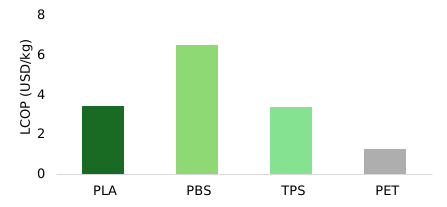
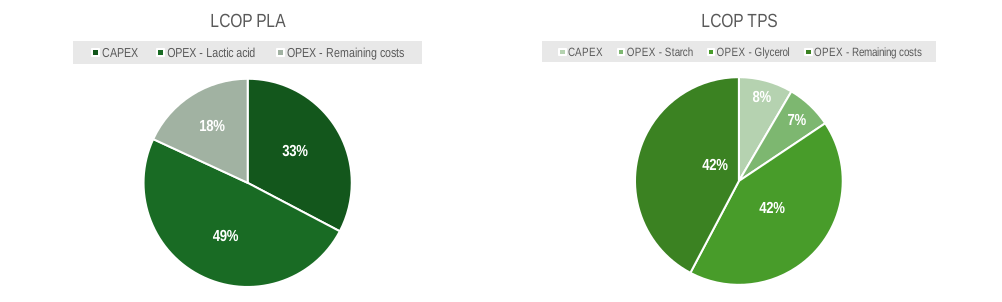
LCOP of bio-based and biodegradable plastics is at least 2.5 times higher than of fossil-based plastics (around 2.5 times higher for PLA and TPS, up to five times higher for PBS, Figure 3.9). The LCOPs reach USD 3.4 /kg for PLA and TPS, 6.5 for PBS, compared to USD 1.3 /kg for PET. The key drivers shaping the LCOP differ among the resins, however it can be noted that – similarly to bio-ethylene – feedstock related inputs (namely lactic acid for PLA, glycerol for TPS) make-up a significant share of the LCOP. For PBS, confidential data prevents from providing further details on the LCOP breakdown (Figure 3.10).
Sensitivity analyses to financial solutions
Similarly to option No. 1, sensitivity analyses to various instruments are conducted to assess their potential to reduce the competitiveness gap. Table 3.2 summarises the different instruments tested for PLA, PBS and TPS and the results are presented in Annex G.
Note: Assuming that the fee only applies to fossil-fuel based plastics and not to all types of plastics (including the bio-based and biodegradable plastics). The scope to which the plastic pollution fee is applied is a critical aspect, as it can either support or hamper the development of option No. 2 (aspect further discussed in chapter 4).
Source: Authors, based on stakeholders consultations, (TotalEnergies Corbion, 2018[18]; The Revenue Department, n.d.[11]; PTT MCC Biochem, 2022[19]; Kerdlap and Baker, 2023[20]; Thai Tapioca Starch Association, n.d.[21]; Krungsri, 2023[22]; Business Analytiq, n.d.[23])
Conclusions and key messages
LCOP of bio-based and biodegradable plastics is at least 2.5 times higher than fossil-based plastics.
The instruments tested do not have the same potential to bridge the competitiveness gap and this impact differs across the different types of resins (Figure 3.11, Figure 3.12, Figure 3.13). While all these instruments are valuable to improve the business case for PLA, PBS and TPS, their difference in terms of impact suggests that some of them should be prioritised for implementation.
For PLA and PBS, a green premium can significantly improve the business case by providing additional revenues. Prioritising policies to stimulate demand for bioplastics would leverage this potential and support the development of these resins.
For PLA, PBS and TPS, a plastic pollution fee is an impactful instrument to reduce the competitiveness gap, provided that the fee would only apply to fossil-fuel based plastics.
Financing and de-risking instruments reducing the cost of capital are another interesting lever for PLA and PBS, as well as carbon price for PLA and TPS. Other instruments tested show rather limited effect.
For the three types of resins, closing the competitiveness gap will not rely on a single instrument. Rather, a combination of instruments should be considered, as illustrated by examples of scenarios (Figure 3.14, Figure 3.15, Figure 3.16).
When combining different instruments1, the competitiveness gap could be closed for PLA, but not for PBS and TPS. It should be however noted that, for PLA, the reduction of the competitiveness gap for PLA was largely driven by a substantial plastic pollution fee (USD 1000 /t), and to a lesser extent by a high carbon price (USD 100 /t). Therefore, developing financial instruments is necessary but not sufficient to foster PLA, PBS, TPS manufacturing projects. It will be equally imperative to develop policy measures on the demand side to improve the enabling conditions that could attract investments for such projects.
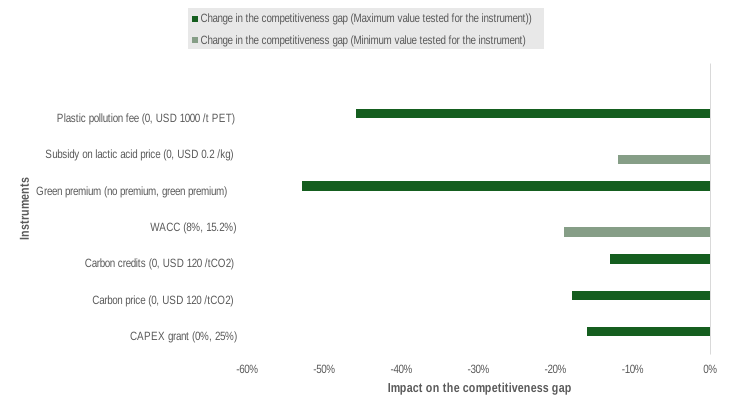
Source: Authors, based on techno-economic modelling results.
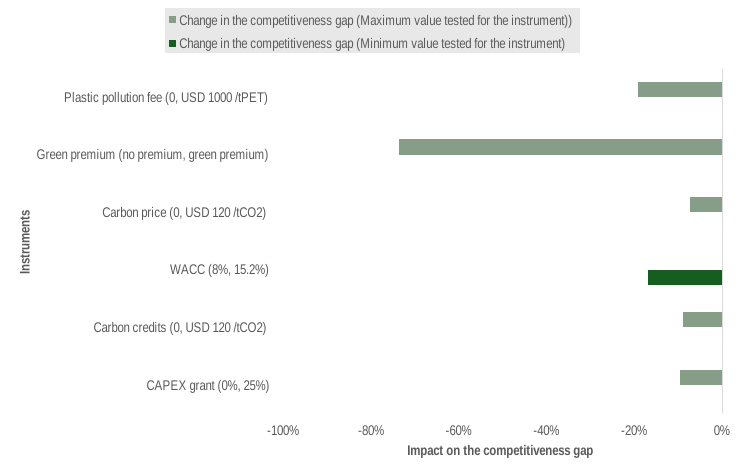
Source: Authors, based on techno-economic modelling results.
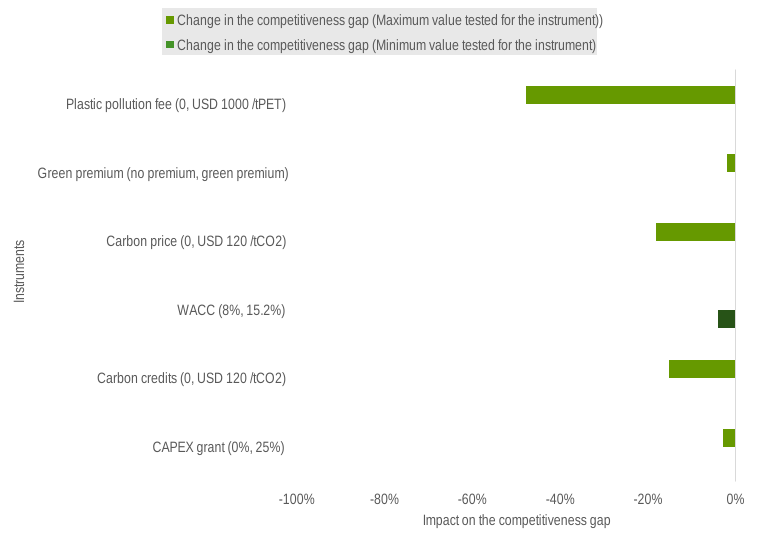
Source: Authors, based on techno-economic modelling results.
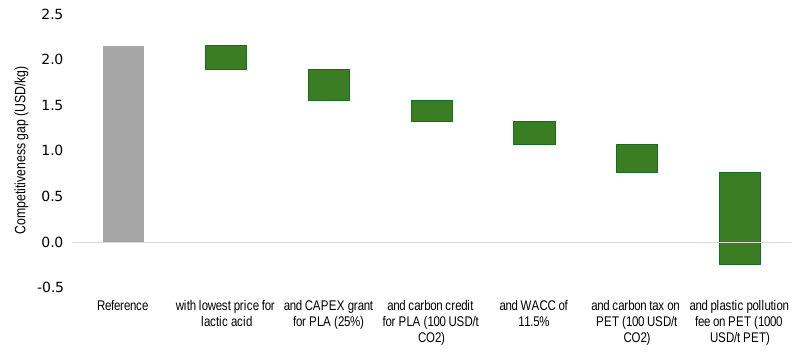
Source: Authors, based on techno-economic modelling results.
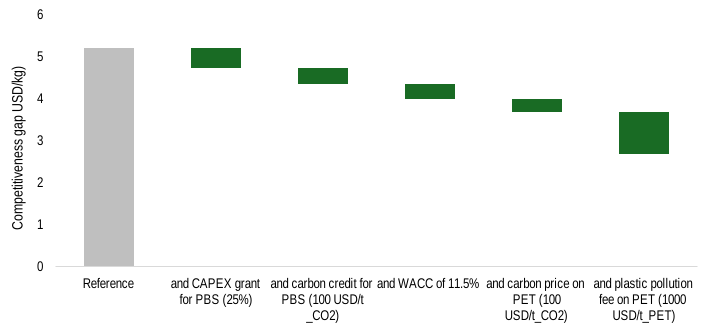
Source: Authors, based on techno-economic modelling results.
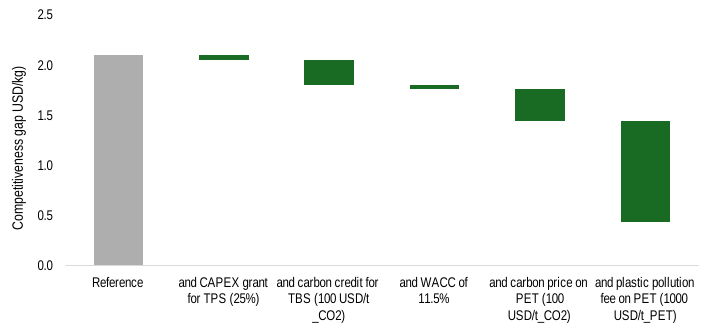
Source: Authors, based on techno-economic modelling results.
Scope and system boundaries
As presented in Annex C and in chapter 2, olefins are the most produced (ethylene) and the most emission‑intensive type of petrochemicals in Thailand. The production process is highly endothermic, with a SEC estimated between 17 and 25 GJ/t ethylene by the DEDE. Most of this energy relate to steam and heat production for the cracking furnace (and provided by fossil-fuel combustion). The system boundaries for option No. 3 apply to the steam cracker process (Figure 3.17), as more than 80% of the direct emissions of olefin production arise from fossil-fuel combustion in the steam cracking furnaces (Mynko et al., 2022[24]). The functional unit of the analysis is one tonne of ethylene.
Steam cracking involves breaking down large hydrocarbon molecules into smaller ones in the presence of steam and at temperatures beyond 800°C. The choice of feedstock directly affects the outputs of the process: ethane yields mostly ethylene (80%), while naphtha yields a mix of High-Value Chemicals (HVC) comprised of ethylene, propylene, butadiene and aromatics (benzene, toluene and mixed xylene (BTX)) (see Table A G.3). The main steps for olefin production through steam cracker are presented in Annex F.
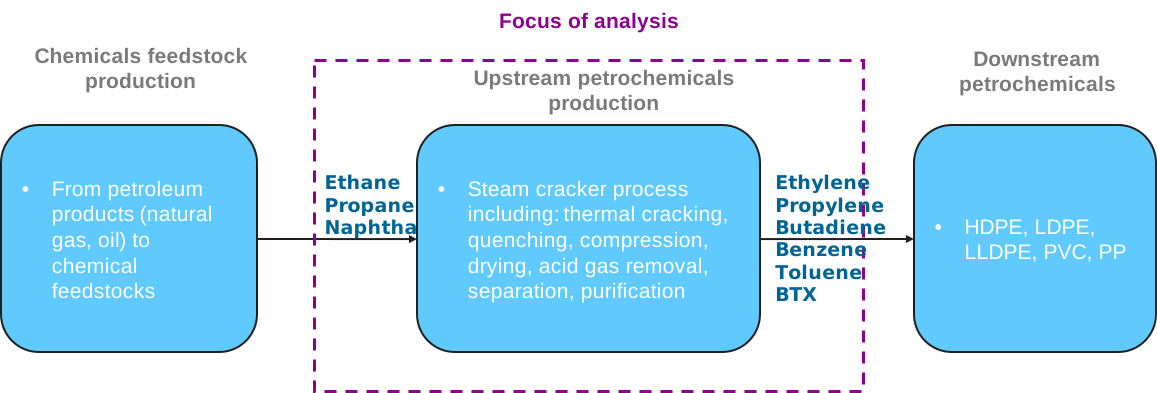
Note: The functional unit of the analysis is one tonne of ethylene
For the economic assessments, cases involving existing steam crackers both with and without CO2 capture are analysed. When carbon capture is implemented, the flue gas from the cracking furnace is directed to a CO2 capture unit. The process considered is post-combustion capture (PCC) using an amine-based solvent, such as monoethanolamine (MEA). The CO2 is absorbed by the solvent, then removed using heat to regenerate the solvent and to separate the CO2. This process can remove 90 to 95% CO2, which can then be compressed, transported and stored. It is typically regarded as an add-on solution with limited changes to the cracking furnace itself. PCC is currently the capture technology that is most commercially available, provided by several technology providers such as Linde, Technip Energies, Mitsubishi Heavy Industries (MHI), Air Liquide, or KBR (Technip Energies, n.d.[25]; Linde, n.d.[26]; Mitsubishi Heavy Industries, n.d.[27]; Air Liquide, 2022[28]).
However, cracking furnace with PCC requires additional energy compared to a case without CO2 capture. Additional heat is required for ensuring solvent recovery and extra electricity is needed for CO2 compression. For instance, typical values for ensuring the regeneration of MEA can go up to 4.0 GJ/tCO2 (Hu et al., 2023[29]) (Ma et al., 2024[30]) As a result, direct CO2 emissions from a steam cracker equipped with CO2 capture can be increased by up to 20% compared to a case without CO2 capture. Given the efficiency of the CO2 capture system, this can however lead up to 90-95 % of CO2 avoided compared to a case without CO2 capture (Annex G).
Levelised Cost of Production
Reference case
The economic assessments focus on the LCOP associated to existing steam crackers, compared to retrofitted crackers with a CO2 capture system. The competitiveness gap between the two cases is thus solely due to the addition of the CO2 capture system. Key assumptions of the economic assessments are presented in Annex G.
Both ethane and naphtha are considered as feedstocks for the economic assessments, however special attention will be given to ethane which is gaining more and more traction in Thailand. The country has been indeed shifting toward lighter feedstocks in response to persistently high naphtha prices in Asia and declining olefin profit margins. For instance, PTT Global Chemical has planned long-term imports of U.S ethane starting in 2029, aiming to strengthen feedstock security and reduce costs (GC, 2025[31]). Likewise, Vopak NV announced plans to construct 160 000 cubic meters of new tank storage capacity in Map Ta Phut by 2029 for supporting such ethane imports (S&P Global, n.d.[32]).
Without CCS, the LCOP is assessed to USD 700 /t ethylene for the ethane-based steam cracker and reaches USD 1400 /t HVC for the naphtha-based one. The CO2 capture system increases these LCOP by up to 15%, representing an additional cost of 90 (ethane-based steam cracker) to USD 130 (naphtha-based steam cracker) /t ethylene. In terms of abatement costs, this implies a cost of USD 80 to 95 /tCO2 avoided.
In both cases (ethane and naphtha-based steam cracker), the structure of the competitiveness gap remains the same: the energy costs and CAPEX related to the CO2 capture system are the main drivers (40% each, Figure 3.18).

Note: Illustration for an ethane-based steam cracker
Source: Authors
Costs of CO2 transport and storage
Based on stakeholder consultations, the costs for CO2 transport and storage in Thailand are estimated at USD 55 /tCO2 stored. This represents an additional cost of USD 65 /tCO2 avoided for covering CO2 transport and storage. It would significantly widen the competitiveness gap previously assessed (by 70-80 %), if the full T&S costs were to be borne by the olefin producer.
How and by whom T&S costs are borne depend on the structuration of the CCS value chain and its related business model. For instance, in a full chain model, a single entity would cover the CCS project from capture to storage. In a partial chain model, the capture is separated from T&S activities: the emitter is responsible for operating the capture step only and relies on a third party for T&S. Depending on the business model developed and to what extent the government provides financial support to the development of CCS infrastructure will shape how (and how much) T&S costs will be transferred to the olefin producer.
Consequently, the sensitivity analyses carried out below focus on the competitiveness gap associated with CO2 capture activities only, whose costs are fully borne by the olefin producer. The business model for T&S infrastructure is analysed in more detail in chapter 5.
Sensitivity analyses to financial solutions
Similarly to options No. 1 and 2, sensitivity analyses to various instruments are conducted to assess their potential to reduce the competitiveness gap. Table 3.3 summarises the different instruments tested and the figures of the results are presented in Annex G.
Note: *This range covers the Thailand’s Pool Gas minimum price observed over the past 5 years. **Reflects the spectrum of tariffs in Thailand for industrials including off-peak periods.
Source: Authors, based on stakeholder consultations and (Hu et al., 2023[29]; IEA, 2018[33]; Ren, Patel and Blok, 2006[34]; Ren et al., 2009[35]; Thunder Said Energy, n.d.[36]; Young et al., 2022[37]; van Gijzel, 2016[38]; Gholami et al., 2021[39]; Nanthachatchavankul, Gridsdanurak and Chiarakorn, 2012[40]; Krungsri, n.d.[12]) (Lee, 2023[41]; ECHEMI, n.d.[42]; ECHEMI, n.d.[43]; Thailand Board of Investment, 2023[44]; Boulamanti and Moya, 2017[45]; Chen et al., 2024[46]; West, 2021[47]; Ma et al., 2024[30]; Suviranta, 2023[48]; Ministry of Energy, 2024[49]) (Neelis et al., 2005[50]; Chen et al., 2024[46])
Conclusions and key messages
LCOP of ethylene with CO2 capture is around 15-20% higher than without capture and (as for options No. 1 and 2), the instruments tested do not have the same potential to bridge this gap (Figure 3.19). Carbon price, carbon incentives and green premium clearly distinguish themselves from the other instruments. These three instruments can lead to a gap reduction of over 50%, while for the other instruments, the range is around 10% and less.
Carbon price and carbon incentives alone have the potential to close the gap. Therefore, giving a value to the CO2, whether on the CO2 emitted (carbon price) or avoided (carbon incentive) is a key driver to significantly reduce the competitiveness gap. Given the potential of these instruments to close the gap, they would need to be prioritised to support the development of CCS.
It should be however noted that the CO2 prices involved are quite high (more than USD 80 /t CO2). On the demand side, a green premium can be an impactful lever but is tied to the customer willingness to pay for such a premium, which remains limited in Thailand at present. Given these considerations, closing the competitiveness gap is not likely to rely on a single instrument. Rather, a combination of instruments should be considered as carbon markets mature, as illustrated by one example of scenario in Figure 3.20.

Source: Authors, based on techno-economic modelling results.

Note: Illustration for an ethane-based steam cracker
Source: Authors, based on techno- economic modelling results
Based on the techno-economic assessments and sensitivity analyses conducted for each low-carbon option, cross-cutting trends and key take aways can be outlined. Table 3.4 summarises the potential of each instrument tested to reduce the competitiveness gap, for each low-carbon option.
Note: “-“: Not tested or not applicable. “High”: the competitiveness gap can be reduced by more than 50%., “Medium”: the gap can be reduced by [20 -50] %, “Low”: gap is reduced by less than 20%. The results of the sensitivity analyses for option No. 3 refer to CO2 capture only, they do not cover CO2 transport and storage.
Source: Authors based on techno-economic modelling results.
The selected low-carbon options all face a competitiveness challenge. The LCOP of each low-carbon option assessed is higher than that of the conventional route and the size of the competitiveness gap varies according to the low-carbon option evaluated.
The instruments tested can enhance the economic viability of the selected low-carbon options, though acting on different dimensions - such as lowering CAPEX, reducing OPEX or boosting revenues.
The instruments tested do not have the same potential to bridge the competitiveness gap. While all these instruments are valuable to improve the business case for the selected low-carbon options, their difference in terms of impact suggests that some of them should be prioritised for implementation.
The most impactful instruments are specific to each low-carbon option, suggesting that tailored instruments should be developed. For option No. 1, mechanisms acting on bioethanol prices are impactful levers to reduce the competitiveness gap, while a green premium and a plastic pollution fee are key for option No. 2. For option No. 3, mechanisms that give a value to the CO2 (emitted or avoided) are highly effective and could close the competitiveness gap alone.
Instruments acting on OPEX are crucial. Overall, the results show that the instruments acting on OPEX tend to be more impactful to reduce the gap than the instruments acting on CAPEX. Focusing on investment only is not sufficient to address the major concern of competitiveness raised by stakeholders.
Demand-side measures are essential to drive the adoption of these low-carbon solutions. This is especially pronounced for bioplastics, where supply-side instruments alone may not be sufficient to meaningfully narrow the competitiveness gap.
A combination of instruments is needed to address the competitiveness gap. In most cases, the competitiveness gap could not be closed by using a single instrument, or doing so would require a fundamental shift in how the instrument is currently applied (e.g. carbon pricing).
Beyond financial instruments, building the enabling conditions is equally important. In some cases, even a combination of instruments may not fully close the gap. Therefore, policy measures and regulatory frameworks must also be developed to incentivise investments and support the deployment of these low‑carbon options. These enabling conditions are further developed in chapters 4 and 5.
References
[28] Air Liquide (2022), Cryocap™: Carbon Capture Technologies, https://engineering.airliquide.com/sites/engineering/files/2022-09/brochurecryocapsept2022_1.pdf.
[15] Aziman, N. et al. (2021), “Morphological, Structural, Thermal, Permeability, and Antimicrobial Activity of PBS and PBS/TPS Films Incorporated with Biomaster-Silver for Food Packaging Application”, Polymers, Vol. 13/3, p. 391, https://doi.org/10.3390/polym13030391.
[6] Benavides, P., U. Lee and O. Zarè-Mehrjerdi (2020), “Life cycle greenhouse gas emissions and energy use of polylactic acid, bio-derived polyethylene, and fossil-derived polyethylene”, Journal of Cleaner Production, Vol. 277, https://doi.org/10.1016/j.jclepro.2020.124010.
[5] Bishop, G., D. Styles and P. Lens (2021), “Environmental performance comparison of bioplastics and petrochemical plastics: A review of life cycle assessment (LCA) methodological decisions”, Resources, Conservation and Recycling, Vol. 168, https://doi.org/10.1016/j.resconrec.2021.105451.
[45] Boulamanti, A. and J. Moya (2017), “Production costs of the chemical industry in the EU and other countries: Ammonia, methanol and light olefins”, Renewable and Sustainable Energy Reviews, Vol. 68, pp. 1205-1212, https://doi.org/10.1016/j.rser.2016.02.021.
[9] Braskem (n.d.), LCA and carbon footprint, https://www.braskem.com.br/imgreen/carbon-footprint.
[23] Business Analytiq (n.d.), PET (Polyethylene Terephthalate) price index, https://businessanalytiq.com/procurementanalytics/index/pet-price-index/.
[2] Chen, L., R. Pelton and T. Smith (2016), “Comparative life cycle assessment of fossil and bio-based polyethylene terephthalate (PET) bottles”, Journal of Cleaner Production, Vol. 137, pp. 667-676, https://doi.org/10.1016/j.jclepro.2016.07.094.
[46] Chen, Y. et al. (2024), “Ethylene production: process design, technoeconomic and life-cycle assessments”, Green Chemistry, Vol. 26, https://pubs.rsc.org/en/content/articlepdf/2024/gc/d3gc03858k.
[13] Cheroennet, N. et al. (2017), “A trade-off between carbon and water impacts in bio-based box production chains in Thailand: A case study of PS, PLAS, PLAS/starch, and PBS”, Journal of Cleaner Production, Vol. 167, pp. 987-1001, https://doi.org/10.1016/j.jclepro.2016.11.152.
[14] Du, Y. et al. (2008), “Biodegradation behaviors of thermoplastic starch (TPS) and thermoplastic dialdehyde starch (TPDAS) under controlled composting conditions”, Polymer Testing, Vol. 27/8, pp. 924-930, https://doi.org/10.1016/j.polymertesting.2008.08.002.
[42] ECHEMI (n.d.), 1,3-Butadiene International Price, https://www.echemi.com/pip/13-butadiene-pid_Seven2409.html.
[43] ECHEMI (n.d.), Toluene International Price, https://www.echemi.com/pip/toluene-temppid160704000607.html.
[3] Fan, D., D. Dai and H. Wu (2013), “Ethylene Formation by Catalytic Dehydration of Ethanol with”, Materials, Vol. 6, pp. 101-115, https://doi.org/10.3390/ma6010101.
[31] GC (2025), GC Becomes First Chemical Producer to Utilize U.S. Ethane Imports in Thailand, Strengthening Feedstock Security and Sustainability, https://www.pttgcgroup.com/en/newsroom/news/1447/gc-becomes-first-chemical-producer-to-utilize-us-ethane-imports-in-thailand-strengthening-feedstock-security-and-sustainability.
[39] Gholami, Z. et al. (2021), “A Review on the Production of Light Olefins Using Steam Cracking of Hydrocarbons”, Energies, Vol. 14/23, https://doi.org/10.3390/en14238190.
[16] Groot, W. and T. Borén (2010), “Life cycle assessment of the manufacture of lactide and PLA biopolymers from sugarcane in Thailand”, The International Journal of Life Cycle Assessment, Vol. 15/9, pp. 970-984, https://doi.org/10.1007/s11367-010-0225-y.
[29] Hu, G. et al. (2023), “Techno-economic evaluation of post-combustion carbon capture based on chemical absorption for the thermal cracking furnace in ethylene manufacturing”, Vol. 331, https://doi.org/10.1016/j.fuel.2022.125604.
[33] IEA (2018), The Future of Petrochemicals; Towards more sustainable plastics and fertilisers, https://iea.blob.core.windows.net/assets/bee4ef3a-8876-4566-98cf-7a130c013805/The_Future_of_Petrochemicals.pdf.
[7] ISO (2006), ISO 14040:2006 Environmental management — Life cycle assessment — Principles and framework, https://www.iso.org/standard/37456.html.
[8] ISO (2006), ISO 14044:2006 Environmental management — Life cycle assessment — Requirements and guidelines, https://www.iso.org/standard/38498.html.
[20] Kerdlap, P. and J. Baker (2023), Is There a Case for Bioplastics? Experience from Thailand, https://doi.org/10.22617/BRF230490-2.
[22] Krungsri (2023), Thailand Industry Outlook 2023-25: Petrochemicals, https://www.krungsri.com/getmedia/c405f47d-7640-4069-b6fd-f89decb61716/IO_Petrochemicals_230424_EN_EX.pdf.aspx.
[12] Krungsri (n.d.), Petrochemicals, https://www.krungsri.com/getmedia/261859be-57eb-447f-a6de-7e8ecb7cf1c1/II_Petrochemicals_EN.pdf.aspx.
[41] Lee, J. (2023), Asian olefins outlook for 2024: Challenging scenario of lackluster derivatives, higher feedstocks and run rate cuts, https://www.chemorbis.com/en/plastics-news/Asian-olefins-outlook-for-2024-Challenging-scenario-of-lackluster-derivatives-higher-feedstocks-an/2023/12/28/889612&isflashhaber=true#reportH.
[26] Linde (n.d.), Post Combustion Capture (PCC), https://www.linde-engineering.com/products-and-services/process-plants/co2-plants/carbon-capture/post-combustion-capture.
[30] Ma, J. et al. (2024), “Heat integration, process design and techno-economic assessment of post-combustion carbon capture using piperazine for large-scale ethylene plant”, Chemical Engineering Science, Vol. 284, https://doi.org/10.1016/j.ces.2023.119531.
[49] Ministry of Energy (2024), EPPO - NGV Situation - 9, https://www.eppo.go.th/index.php/th/component/k2/item/download/24890_9508a5b8ce9848146016c74a75507e4a.
[27] Mitsubishi Heavy Industries (n.d.), CO2 Capture Technology: CO2 Capture Process, https://www.mhi.com/products/engineering/co2plants_process.html.
[4] Mohsenzadeh, A., A. Zamani and M. Taherzadeh (2017), “Bioethylene Production from Ethanol: A Review and Techno-economical Evaluation”, ChemBioEng, Vol. 4/2, pp. 75-91, https://doi.org/10.1002/cben.201600025.
[24] Mynko, O. et al. (2022), “Reducing CO2 emissions of existing ethylene plants: Evaluation of different revamp strategies to reduce global CO2 emission by 100 million tonnes”, Journal of Cleaner Production, Vol. 362/56, https://doi.org/10.1016/j.jclepro.2022.132127.
[40] Nanthachatchavankul, P., N. Gridsdanurak and S. Chiarakorn (2012), Specific CO2 Emission Factors for Ethylene Production in Thailand, https://www.thaiscience.info/Article%20for%20ThaiScience/Article/61/10023480.pdf.
[50] Neelis, M. et al. (2005), “Modelling CO2 emissions from non-energy use with the non-energy use emission accounting tables (NEAT) model”, Resources, Conservation and Recycling, Vol. 45/3, pp. 226-250, https://doi.org/10.1016/j.resconrec.2005.05.003.
[1] OECD (2025), Climate Club Financial Toolkit: Economic, de-risking and financing instruments for industry decarbonization, https://www.oecd.org/content/dam/oecd/en/publications/reports/2025/03/climate-club-financial-toolkit_974823a2/cba1a515-en.pdf.
[19] PTT MCC Biochem (2022), PTT MCC Biochem and International Fibres Group announce a Strategic Marketing Partnership, https://www.pttmcc.com/press-releases/ptt-mcc-biochem-and-international-fibres-group-announce-a-strategic-marketing-partnership.
[35] Ren, T. et al. (2009), “Petrochemicals from oil, natural gas, coal and biomass: Production costs in 2030–2050”, Resources, Conservation and Recycling, Vol. 53/12, pp. 653-663, https://doi.org/10.1016/j.resconrec.2009.04.016.
[34] Ren, T., M. Patel and K. Blok (2006), “Olefins from conventional and heavy feedstocks: Energy use in steam cracking and alternative processes”, Energy, Vol. 31/4, pp. 425-451, https://doi.org/10.1016/j.energy.2005.04.001.
[32] S&P Global (n.d.), Navigating Challenges: APIC 2025, https://www.spglobal.com/commodity-insights/en/news-research/special-reports/chemicals/navigating-challenges-apic-2025.
[10] Suratman, N. (2024), Thai bio-ethylene plant key to growing SCG Chemicals’ green plastics portfolio, https://www.icis.com/explore/resources/news/2024/06/19/11009351/thai-bio-ethylene-plant-key-to-growing-scg-chemicals-green-plastics-portfolio/.
[48] Suviranta, R. (2023), Carbon Capture Integration to Steam Cracker Furnaces - Techno-Economic Evaluation, https://lutpub.lut.fi/bitstream/handle/10024/166195/Thesis_Roosa_Suviranta.pdf;jsessionid=12B5CFA061163ED379EB6573B10F211B?sequence=1.
[25] Technip Energies (n.d.), Ethylene Decarbonization, https://www.ten.com/en/media/document-library/ethylene-decarbonization-brochure.
[21] Thai Tapioca Starch Association (n.d.), Weekly Tapioca Starch Price, https://www.thaitapiocastarch.org/en/information/statistics/weekly_tapioca_starch_price.
[44] Thailand Board of Investment (2023), Utility Costs, https://www.boi.go.th/index.php?page=utility_costs.
[11] The Revenue Department (n.d.), Corporate Income Tax, https://www.rd.go.th/english/6044.html.
[36] Thunder Said Energy (n.d.), Naphtha cracking: costs of ethylene, propylene and aromatics?, https://thundersaidenergy.com/downloads/naphtha-cracking-costs-of-ethylene-propylene-and-aromatics/.
[18] TotalEnergies Corbion (2018), TotalEnergies Corbion announces successful start-up of pilot plant in Rayong, Thailand, https://totalenergies-corbion.com/totalenergies-corbion-announces-successful-start-up-of-pilot-plant-in-rayong-thailand/.
[17] Usubharatana, P. and H. Phungrassami (2015), “Carbon Footprint of Cassava Starch Production in North-Eastern Thailand”, Procedia CIRP, Vol. 29, pp. 462-467, https://doi.org/10.1016/j.procir.2015.02.031.
[38] van Gijzel, R. (2016), Energy analysis and plant design for ethylene production from naphtha and natural gas, https://pure.tue.nl/ws/portalfiles/portal/118582087/Rhea_van_Gijzel.pdf.
[47] West, K. (2021), Retrofit of post-combustion CO₂ capture for steam crackers using MEA solvents, https://energy.nl/data/retrofit-of-post-combustion-co2-capture-for-steam-crackers-using-mea-solvents/.
[37] Young, B. et al. (2022), “Environmental life cycle assessment of olefins and by-product hydrogen from steam cracking of natural gas liquids, naphtha, and gas oil”, Journal of Cleaner Production, Vol. 359, https://doi.org/10.1016/j.jclepro.2022.131884.
← 1. Without including demand-side measures that could leverage a green premium.