Public procurement is a high-risk area for integrity due to the amounts at stake, the large number of stakeholders and the close interaction between the public and private sectors. Risks do not occur only during the tendering process, but throughout the procurement cycle from planning to the conclusion of the contract. Many of these risks impact the fundamental purpose of public procurement: ensuring that goods, services or works are delivered to the right place at the right time (OECD, 2023[1]). These risks can therefore have significant consequences on the delivery of public services.
Managing Public Procurement Risks in Romania
Ensuring Integrity and Efficiency

Abstract
Despite the Romanian government’s ongoing efforts to improve the public procurement system, it still faces significant risks that may affect the efficient and effective delivery of public services and lead to financial losses, corruption and fraud as well as undermine trust in the government to manage public resources effectively. This chapter describes and analyses key challenges in Romania’s public procurement system that increase risk, with a focus on integrity1 risks. The first section provides an analysis of the main challenges impacting the public procurement system from the perspective of risk management and a series of recommendations to address these issues. The second section provides a high-level analysis of two specific issues: the distinction between personal and institutional liability and between error, fraud and negligence in public procurement. The recommendations made throughout both sections are summarised at the end of the chapter.
2.1.1. Lack of a culture of integrity in public procurement
A strong culture of integrity, defined as a culture where there is a consistent alignment of, and adherence to, shared ethical values, principles and norms for upholding and prioritising the public interest over private interests (OECD, 2017[2]), can support the management and reduction of risk of corruption and fraud. Conversely, the absence of a culture of integrity can increase the risk of fraud and corruption. In interviews and surveys conducted for this project2, stakeholders repeatedly raised the lack of a strong culture of integrity as a key factor impacting the Romanian public procurement system.
The OECD Recommendation on Public Integrity advises adherents to cultivate a culture of public integrity through a number of actions. Despite efforts by Romanian authorities to build a culture of integrity in public administration, such as the National Integrity Agency’s (ANI) implementation of a dedicated website3 and multiple reporting channels for whistleblowing, discussions with stakeholders highlighted that the lack of a culture of integrity remains a significant challenge in public procurement. In the OECD’s survey of Romanian public procurement professionals4, 30% of respondents identified the lack of a culture of integrity as the largest public procurement challenge with respect to corruption and fraud (see Figure 2.1). This aligns with previous OECD findings that public sector integrity practices in Romania often follow a legalistic approach focused on anti-corruption (OECD, 2023[3]). Risk management processes and procedures are often simply a formal exercise. The lack of a culture of integrity beyond formal structures means that, in practice, many public officials and institutions do not go beyond minimum regulatory or procedural requirements. This includes, for example, a reluctance to document politically sensitive integrity risks in risk registries.
In your opinion, what is the biggest challenge in the field of public procurement in terms of corruption and fraud in Romania?

Source: OECD Survey of Romanian Public Procurement Professionals, 2024
Actions to build a culture of integrity include providing sufficient information, training, guidance and timely advice for public officials to apply public integrity standards and supporting an open organisational culture within the public sector responsive to integrity concerns (OECD, 2017[2]). For example, training can equip procurement professionals to address difficult situations and handling ethical dilemmas where there is no clearly ethical choice (see Box 2.1 for further details). Building a culture of integrity can also include partnering with the private sector and civil society (OECD, 2017[2]). Engaging with civil society organisations (CSOs) and business representatives can ensure an integrated whole-of-society approach to enhancing integrity and reducing corruption in public procurement (OECD, 2020[4]).
Dilemma training is an example of combined rules-based and values-based approaches, as it involves situations where there is no obvious choice among the different alternatives available. For example, the Agency for Government Employees in the Flemish Government, offers dilemma training to public officials; trainees are given practical situations in which they face an ethical dilemma with no clear path to resolution with integrity. In the Slovak Republic, trainings of public procurement practitioners rely on practical dilemmas to be reflected upon by participants. In the United States, the Office of Government Ethics (OGE) offers in-person training with a series of scenarios aimed at fostering ethical reasoning and discussing ethical dilemmas.
The purpose of dilemma training is to convey that such situations are inevitable, and to stress the message that public officials should seek support when they face such situations. Dilemma training also runs less risk of being perceived as naïve or as a mere formal requirement; it may yield greater results if it is interactive and allows participants to be confronted with realistic situations that generate a personal commitment to integrity. As such, focusing dilemma training on public officials’ working situations helps stimulate participants’ moral awareness, contributes to their level of moral reasoning, and provides methods to help improve the moral quality of their actions.
Source: (OECD, 2020[4]), (OECD, 2022[5])
To address this issue and foster a culture of integrity, Romania could develop specific integrity training programmes or courses for public procurement professionals. Professionalisation activities such as tailored integrity training and providing information on integrity policies and standards can play a role in building a culture of public integrity (OECD, 2020[4]). Training can foster a culture of integrity by raising awareness about integrity risks and develop public officials’ knowledge on ways to counter these risks (OECD, 2015[6]).
The results of the OECD’s survey of public procurement professionals suggest many officials would welcome this training: 48% of respondents indicated that dedicated training on integrity in public procurement would be useful. These programmes could include (OECD, 2019[7]):
Relevant types of integrity breach and their manifestation in the public procurement context
The impact of these types of integrity breaches on public institutions, the economy and citizens
The role of procurement officials in preventing integrity breaches and the values expected when working in public procurement (from officials and economic operators)
How to identify integrity breaches and reporting mechanisms.
The legal and regulatory framework, including administrative and criminal sanctions
Comprehensive integrity initiatives also target the private sector. The private sector can be a key contributor to procurement integrity breaches, in areas such as the bribery of contracting officials and participation in bid rigging and collusion. A 2023 Transparency International Romania report described integrity initiatives for the Romanian private sector as rare and weak (Transparency International Romania, 2023[8]). The Romanian government is taking steps to address this challenge: the NAS (2021-2025) includes an initiative to introduce questionnaires on tenderers' integrity programmes in procurement documentation (Ministry of Justice, 2021[9]). However, most Romanian companies operating locally do not have anti-corruption policies and programmes, although some larger companies operating abroad do. Only a few companies establish clear, visible, and accessible formal policies prohibiting corruption. When they exist, these internal corporate policies are often based directly on other companies’ policies and are often seen as formalities (Transparency International Romania, 2023[8]).
Civil society oversight is a commonly used tool to further integrity in public procurement across OECD countries. It can provide scrutiny and monitoring for individual procurement procedures, as well as increase the transparency of government activities and help to foster public trust in government. In some countries, citizens and CSOs are – under clearly specified conditions and subject to signing a statement of confidentiality – permitted or encouraged to act as observers in procurement processes (OECD, 2021[10]). Box 2.2 provides an example of this practice from Greece.
In response to flooding, the Region of Attica in Greece has implemented a series of anti-flood projects in order to upgrade the existing sewage networks or connect them with new ones. Part of this project concerned the creation of a massive pipeline to carry flood water safely away from the municipalities of Aghios Ioannis Rentis-Nikaia and Tavros-Moschato. Attica had secured more than EUR 12.5 million in funding from the European Union. To ensure that this critical infrastructure project would meet the highest transparency standards, Attica signed an integrity pact with Transparency International Greece (TI) in 2018, marking the first use of the tool in the country5.
The monitoring team consisted of two managing members and three external experts. In the pre-tendering phase, TI Greece identified a provision in the tender that limited eligibility for participation to economic operators registered in specific classes of Greece’s company register, which could lead to a restriction of competition by excluding bidders. The contracting authority accepted the relevant recommendation and omitted the provision in the revised call for tenders.
The monitoring team established contacts and shared monitoring reports with civil society organisations that have a strong interest in the field of public procurement, strengthening the level and quality of the public’s engagement and oversight of public procurement processes. Moreover, TI Greece designed and developed an open data platform for construction projects that continues to aid the public in monitoring the use of public funds.
Based on this example, the Region of Attica proposed implementing integrity pacts in selected, significant projects in the future. Greece’s National Transparency Authority also plans to implement integrity pacts in Greece’s next national anti-corruption plan.
Romania’s previous NAS (2016 – 2020) included an initiative to test the use of integrity pacts. The pilot involved testing integrity pacts in projects co-financed by European Structural and Investment Funds in 11 European countries. In Romania, three projects were selected to pilot integrity pacts6. The pilot was completed in December 2021 and, according to Transparency International Romania’s 2023 report on integrity in public procurement, showed a genuine willingness by contracting authorities and economic operators to engage. The report also found that Romanian institutions are now more open to monitoring by CSOs (Transparency International Romania, 2023[8]).
However, the Romanian government has sometimes struggled to engage civil society on integrity issues in public procurement. For example, the NAS (2021-2025) includes an initiative to encourage innovative approaches to involving civil society in monitoring the integrity of public procurement. Romania’s National Agency for Public Procurement (ANAP) developed and published a questionnaire to collect potential measures to promote integrity in public procurement from CSOs (Ministry of Justice, 2023[12]). However, Romanian officials noted that, following the consultation period, no CSOs had responded to the questionnaire. During interviews, civil society stakeholders pointed to a lack of civil society capacity and to a lack of trust that consultations will be taken seriously in government decision making as potential explanations for a lack of engagement.
Romania could take further efforts to deepen partnerships with the private sector and civil society on public procurement integrity issues. This could include putting in place mechanisms to ensure more opportunities for CSOs to be involved in public procurement processes. For example, ANAP’s participation in the European Commission-funded project “iMonitor 2.0 – Enhancing law enforcement efficiency by bringing together public procurement data analytics and civil monitors 2.0” is a positive sign. This project, approved in 2024 and launched in March 2025, aims at enhancing civil society involvement in public procurement processes. It will be important to identify barriers to CSO’s engagement and seek to address them, for example by implementing small-scale pilots of partnerships in areas such as monitoring. It could also include measures to involve the private sector in building a culture of integrity, such as regular dialogue with and capacity building for economic operators and their representative bodies. Incentives or requirements for suppliers to implement compliance measures could also be considered.
2.1.2. A lack of coordination between stakeholders
The OECD Recommendation on Public Procurement advises adherents to streamline the public procurement system and its institutional frameworks, including by identifying functional overlap and inefficient silos (OECD, 2015[6]) and the Recommendation on Public Integrity calls for co-operation between public bodies to support coherence and avoid overlap and gaps (OECD, 2017[2]). Defining the roles of stakeholders and ensuring effective coordination is also a critical element of effective risk management (OECD, 2023[1]).
The Romanian public procurement system is decentralised, thus increasing the need for coordination and cooperation between stakeholders. There are over 20 000 contracting authorities registered in SEAP (the national e-procurement system) with 6 100 active between 2021 and 2024, including national ministries, regional and local authorities (including over 3 000 municipalities and specialised institutions at the regional level), and other bodies governed by public law. The functions of the public procurement system are also distributed across multiple institutions (see Table 2.1 for details).
Source: National Agency for Public Procurement
Stakeholders noted that the Romanian public procurement system suffers from a lack of coordination with respect to risk management: institutions propose and implement measures in their own areas of responsibility but there is not a consistent and coherent approach. There are a large number of processes and tools, but they do not always complement each other in their implementation. There is also a perception that guidance and direction can differ depending on which authority is providing it, creating uncertainty. For example, some stakeholders indicated that they received conflicting rulings from the National Council for Solving Complaints and the Court of Appeal. The National Public Procurement Strategy (2023-2027) also notes that different approaches to the provisions of public procurement legislation by different authorities is a significant challenge (Government of Romania, 2023[13]). In the OECD’s 2024 survey of public procurement professionals, 14% of respondents identified a lack of coordination between stakeholders as the largest challenge with respect to corruption and fraud in public procurement in Romania.
An Inter-ministerial Committee for Public Procurement was established in 2015 to support the coordination of the National Public Procurement Strategy. The Committee is chaired by the Secretary General of the Government (who may delegate this task to the President of ANAP) and includes senior representatives from institutions responsible for procurement, ministries and control bodies. The Committee is responsible for monitoring the Strategy, supporting ANAP’s implementation of the Strategy, ensuring coordination and coherence in the Strategy’s implementation, and providing strategic guidance on the development of the public procurement system. The work of the Committee is supported by a working group at technical level, made up of specialists from the institutions responsible for public procurement (Ministry of Justice, 2021[14]). While the legislation provides that the Committee meets quarterly and whenever necessary, discussions with stakeholders indicate that the Committee meetings have not been organised on a regular basis.
To improve coordination, the Romanian government could better leverage the Inter-ministerial Committee for Public Procurement and its technical working group. This could include issuing joint statements and guidance on issues related to the management of corruption and fraud risks. Stronger collaboration between policymakers, contracting authorities, and oversight bodies can reduce fraud and corruption risks and facilitate the development of joint guidance to ensure a unified approach.
2.1.3. Capacity and capabilities of the public procurement workforce
The public procurement workforce is a central element to a well-functioning public procurement system. As public procurement becomes increasingly complex, officials are expected to have not only knowledge and skills related to the legal framework and carrying out procedures, but also on topics such as risk management (OECD, 2023[15]). Public procurement professionals manage a range of overlapping risks, requiring rigorous and thoughtful application of mitigation measures and controls and a proactive approach to protecting the interests of the organisation and the public good. This requires knowledge of the different types of risk in public procurement and appropriate mitigation measures (European Commission, 2020[16]).
Figure 2.2 provides an overview of key elements in the professionalisation of the public procurement workforce (OECD, 2023[15]). These include capacity building systems, a competency model and certification framework, incentive mechanisms, both financial and non-financial, and collaboration with knowledge centres.

Source: (OECD, 2023[15])
Discussions with stakeholders highlighted significant challenges related to the capacity and capability of the procurement workforce, including challenges related to knowledge and skills and the lack of attractiveness of the procurement profession.
Aware of these challenges, Romania included several actions in previous national public procurement strategies. For instance, Romania’s previous National Public Procurement Strategy (2015-2020) included actions to develop the competencies of the public procurement workforce (Government of Romania, 2015[17]). These included the development of two competency frameworks, one for professionals performing public procurement activities in contracting authorities and one for ANAP staff supporting the management of the procurement system (National Agency for Public Procurement, 2021[18]; National Agency for Public Procurement, 2021[19]). To raise standards and modernise the training curricula for professional training and post graduate programmes, the occupational standard for public procurement experts was also revised. While there is no competency framework for management in public procurement, ANAP plans to develop one. ANAP also developed the Plan for Professionalisation of Public Procurement (2019 – 2023), which envisaged the development of new training programmes and support for higher education institutions that implement post-graduate programmes in public procurement (World Bank, 2021[20]).
The National Public Procurement Strategy (2023-2027) includes the professionalisation of the public procurement workforce amongst its main objectives. Actions to achieve this objective include the establishment of a dedicated structure within ANAP for professionalisation, improving data on the number of public procurement professionals and the training they have received, identifying non-financial rewards to help staff retention and motivation, and developing a structured training programme for entry-level civil servants (Government of Romania, 2023[13]). The NAS (2021-2025) also includes professionalisation activities to increase integrity and reduce the risk of corruption in public procurement: attracting and retaining procurement staff, staff training programmes, and ensuring an adequate protection regime against intimidation or corruption attempts (Ministry of Justice, 2021[9]).
Establishing communities of practice to facilitate peer learning and the exchange of knowledge and experiences is a well-established practice in many OECD countries. For example, Portugal’s Common Knowledge Network is a collaborative network built by the Portuguese government to promote the sharing of best practices and information about modernisation, innovation and the simplification of public administration. Participation involves presenting and describing a best practice and its results. The Network hosts over 500 examples of best practices documented from all levels of government and serves to strengthen relationships between the various stakeholders and co-ordinate information sharing (OECD, 2022[21]). ANAP also indicated that it has initiated the exchange of good practices between contracting authorities through thematic seminars and activities under the framework of European Union funded projects which allow authorities to exchange standard practices, operational procedures and risk registers. This includes monthly webinars for practitioners to address the interpretation and application of public procurement legislation and national seminars for centralised procurement units to exchange experiences.
Romanian public servants are required to undertake training every two years. As of 2024, procurement personnel have the following options:
Postgraduate studies, such as the ones offered by the National University of Political Studies and Public Administration.
Short training programmes covering specific topics offered by various training providers, including individual consultants, private companies and universities.
Training programmes offered by the National Institute of Administration. Box 2.3 provides information on the available public procurement training.
The National Institute of Administration’s training programmes are designed for beginner or advanced participants and typically include legal and process specific courses. Both types of trainings are offered online and last between five and nine days.
The beginner courses cover the public procurement system in Romania; the public procurement process; procurement planning and preparation; direct procurement; and specific tendering tools and techniques. Targeted participants are generally managerial and executive civil servants and contractual in public authorities and institutions. Participants are expected to acquire competences related to knowledge of the regulatory and institutional framework on public procurement and an understanding of the stages for the public procurement process.
The advanced courses cover governance in public procurement, strategic public procurement (e.g. green, social and innovation procurement), procurement planning and preparation, and contract implementation. Targeted participants are civil servants and contract staff within the procurement departments of public authorities. Participants are expected to increase their general knowledge of how the public procurement system works and the legal rules governing it; and more specifically better understand and apply concepts related to:
needs assessment and procurement portfolio planning;
the preparation of tender documentation and contracting strategy;
contract management in public procurement;
the rules and principles of ethics, integrity and compliance in the public procurement process.
Challenges in risk management knowledge and skills remain a barrier
Despite these efforts, challenges in risk management knowledge and skills remain a barrier to effective public procurement. Of the respondents to the OECD’s survey of public procurement professionals, only 61% reported having undertaken training in public procurement in the last two years. While survey respondents were not asked why they had not recently taken public procurement training, stakeholders indicated that resource constraints and staff turnover limited opportunities. The majority (81%) had received the training through private providers (32%) or the National Institute of Administration (49%). Regarding the topics covered in these trainings, relatively few had received training on risk management (7% of all respondents) or integrity (11% of all respondents).
A further contributing factor to the deficit in risk management skills is that most contracting authority staff deal with a wide range of goods and services, making it difficult for them to develop specific expertise. This knowledge deficit increases the risk of corruption and fraud as procurement staff lack the experience and understanding of specific markets and categories to identify potential integrity breaches, such as technical specifications targeted at specific economic operators. Available training programmes focus on the legal and procedural aspects of public procurement (European Commission, 2020[23]), rather than providing specialised knowledge on specific categories or supporting the development of multidisciplinary competencies such as risk management.
Central institutions also face challenges with capacity and their staff sometimes lack knowledge and direct experience of public procurement. The NAS (2021-2025) includes measures to increase the capabilities of staff involved in ex ante control (Ministry of Justice, 2021[9]), including support for ANAP staff involved in ex ante control to improve their general professional skills and their understanding of relevant markets and fields. Over 2022 and 2023, ANAP ex ante control staff attended training sessions on themes such as project management, negotiation skills, and sustainable public procurement. These training sessions registered a total of 694 participants (Ministry of Justice, 2024[24]).
To address these challenges, Romania could promote collaborative approaches with knowledge centres such as universities, think tanks or policy centres focused on developing the practical skills of procurement professionals, particularly in risk management and integrity (see Box 2.4 for examples). These partnerships can provide access to training programmes that address the specific challenges of public procurement. It could also continue to develop and formalise communities of practice to promote peer exchange and learning.
Lithuania Certification Framework
The OECD collaborated with Lithuania's government to develop a certification framework and professionalisation strategy for public procurement. After consulting with key stakeholders, including the Ministry of the Economy and Innovation (MoEI) and the Public Procurement Office (PPO), the OECD proposed a certification course covering 19 procurement topics, totalling 60 hours with 3.5 hours of courses on integrity and managing conflict of interest. The tools proposed by the OECD included e-learning, degree programmes, self-support tools (manuals, guidelines and standardised templates), a one-stop shop procurement portal for the community of practice, an award system exclusively for public procurement professionals and practical training (on-the-job training, job-swapping, mentorship and internship programmes).
Lithuania’s Public Procurement Professional Development Plan was approved in 2019 and its national certification framework in July 2022.
Federal Procurement Agency Training in Germany
Germany’s Federal Procurement Agency manages purchasing for 26 different federal authorities, foundations and research institutions that fall under the responsibility of the Federal Ministry of the Interior. The Agency has taken several measures to promote integrity among its personnel, including the organisation of workshops and training on corruption. While the workshops were initially part of the induction process for new staff, they were later enlarged to cover all personnel. Participants learn about:
The risk of getting involve in bribery and potential bribery strategies;
How to behave in cases of bribery (encouraging whistle blowing);
The central role of employees as an essential part of corruption prevention.
Canada School of Public Service course on Procuring with Integrity
The Canada School of Public Service is the main educational institution of the Government of Canada. The School offers a broad range of courses to promote a culture of continuous learning within the public service. The course “Procuring with Integrity: The Essentials for Public Servants” is a one-session online course aimed at public servants at all levels. The seminar discusses how to meet obligations for conducting public procurement in a fair and transparent way. Participants of the course are taught strategies for managing conflict of interest and other complex situations in public procurement.
Source: (OECD, 2023[15]), (OECD, 2016[25])
Recruiting and retaining staff is a challenge for contracting authorities
Public buyers in Romania face challenges in recruiting and retaining staff with the necessary capabilities. During interviews conducted for this project, stakeholders consistently pointed to the role of low salaries in limiting the ability of contracting authorities and other public institutions to recruit sufficiently skilled procurement staff. In addition, there is usually a positive correlation between salaries and financial conditions and the complexity of the job and the risks faced. In the case of public procurement, this correlation does not exist, making public procurement an unappealing area to work in. This issue is also highlighted in Romania’s National Strategy on Public Procurement (2023-2027), which notes the low pay of public procurement practitioners relative to their level of responsibility as one of key challenges in the field of public procurement (Government of Romania, 2023[13]).
OECD research indicates that salaries for procurement professionals are a major challenge in many countries. When fiscal constraints mean increasing salaries is not viable, countries have sought alternative mechanisms to motivate public procurement officials, such as establishing clear career paths and non-financial incentives (OECD, 2023[15]).
Establishing a clear career path can facilitate promotions, which will be accompanied by a salary increase, and enhance career development. For example, France added public procurement to its Inter-ministerial Directory of State Professions (RIME: Répertoire Interministériel des Métiers de l’Etat), establishing a clear career path for public procurement officials through dedicated training and certification schemes for each job profile. Similarly, the United Kingdom’s Commercial Career Framework for Commercial Professionals defines public procurement roles and levels of career progression and maps them to capabilities. The Framework also includes a ‘Commercial Career Map’ which maps the most common entry and exit points for public procurement officials, including moves within public procurement, across policy, strategy, human resource, and legal functions within the civil service and in the private sector. This helps individual procurement professionals identify potential career paths and understand which capabilities they should develop, as well as how to tailor their development towards achieving their career aspirations (OECD, 2023[15]).
Non-financial incentives such as recognition and performance management systems can also play a role (OECD, 2023[15]). Recognition can be an effective, low-cost way to motivate public servants by acknowledging good behaviours or actions with no or little cost. Formal recognition, such as certificates or awards, provides intangible incentives that show appreciation and acknowledge achievements. For example, ICLEI, a global network of more than 2 500 local and regional governments committed to sustainable urban development, established the Procura+ Awards to recognise outstanding sustainable, circular and innovation procurement and tender procedures across Europe. The Procura+ Awards recognise the achievements of outstanding procurement officials and provide a source of inspiration for others (OECD, 2023[15]). Performance management systems monitor and evaluate the performance of officials, allowing for the linking of performance and human resource decisions (OECD, 2023[26]). Establishing a performance management system can ensure that the workforce receives regular constructive feedback, increasing motivation through performance assessments that can be used not only for promotions, salary increases or performance-linked bonus but also as an opportunity to discuss professional development and training opportunities (Gerson, 2020[27]). Packages related to work-life balance such as vacation and flexible working conditions also represent non-financial incentives (OECD, 2023[15]).
While Romania has taken measures to attract and retain procurement staff, such as ANAP’s development of competency frameworks and a structured training programme for entry-level civil servants, challenges remain. For example, discussions with stakeholders highlighted that non-financial incentives are not widespread. When non-financial incentives such as recognition exist, they do not compensate for the very low financial remuneration.
Romania could increase the attractiveness of careers in public procurement by providing competitive and merit-based career options for procurement officials and by enhancing non-financial incentives, including establishing and communicating clear career paths. Romania could benefit from establishing a clear career path and promotion system as well as adopting non-financial incentive schemes, such as a performance management system and an excellence award system exclusively for public procurement officers and consider opportunities to enhance other non-financial incentives. Enhanced training and professionalisation, addressed in the previous sub-section, can also play a role in developing pride and a sense of belonging in the profession.
Centralised procurement can be a mechanism for improving capacity and expertise
The benefits of centralised purchasing include improved capacity and expertise (OECD, 2019[28]). This includes the area of integrity risk management as procurement procedures carried out by capable centralised purchasing body (CPB) officials may reduce the likelihood of integrity risks (OECD, 2024[29]). Centralised purchasing systems encourage the spread of good practices, such as proper recording and reporting of transactions, effective controls, and an audit trail open to public scrutiny. Centralised procedures can also be more easily checked for evidence of financial mismanagement and corruption. In addition, the employees of a single agency can more easily be trained and encouraged to use efficient control and reporting procedures. Lines of responsibility are more easily established and sound financial practices more easily maintained (OECD, 2000[30]).
In Romania, CPBs have been established later than in other member states and still represent a relatively small proportion of overall procurement. At the national level, centralisation of procurement occurs through the National Office for Centralised Purchasing (Oficiul Naţional pentru Achiziţii Centralizate or ONAC), established in 2018 as part of the 2015-2020 National Public Procurement Strategy. ONAC operates mandatory framework agreements for central government authorities and certain categories, such as cleaning products, mobile telephony, IT hardware and software, vehicles, office supplies, office furniture, and medical goods and services for the emergency sector. Framework agreements are voluntary for other types of public entities. As of 2024, there are seven CPBs at regional level in the counties of Sibiu, Harghita, Brasov, and Bihor and at the level of the city in Timisoara, Cluj–Napoca and Bucharest Sector 6.. The Ministry of Health was also designated as a centralised procurement body in 2012 (Government of Romania, 2012[31]); however, this CPB has established a limited number of framework agreements. A CPB was also established in the Ministry of Interior in 2019 to offer centralised purchasing to institutions of the penitentiary system (Government of Romania, 2019[32]). In Romania, for example, market dialogue is a compulsory step in centralised purchasing, while it is relatively rare in general.
To improve risk management, Romania should continue to invest in centralised public procurement. Given the potentially large value of procurement they handle, it is particularly important that CPBs have strong risk management practices. This includes ensuring that CPB officials receive adequate training and resources and that CPBs have processes and procedures to identify, assess, manage and monitor risks. A more capable and extensive system of CPBs at national and regional level will ensure better oversight and value for money through more reliable risk management processes.
2.1.4. An unstable regulatory framework
The OECD Recommendation on Public Procurement calls for a coherent and stable institutional, legal and regulatory framework, which is essential to increase participation in public procurement and is a key starting point for an efficient public procurement system (OECD, 2015[6]). A fragmented or unstable legal framework can make risk management more challenging by creating uncertainty for public buyers and the private sector, which can lead to an increase in errors in public procurement. This is particularly true for the management of corruption and fraud risks, which rely heavily on clear legal definitions and divisions of responsibility.
Romania transposed the EU Public Procurement Directives into national legislation in 2016. The core of Romanian public procurement legislation (primary legislation) consists of i) Law 98/2016 on public procurement, ii) Law 99/2016 on utilities procurement and iii) Law 100/2016 on concession contracts. This primary legislation is supplemented by secondary legislation and by tertiary legislation (orders and instructions adopted by ANAP on the interpretation and application of the primary and secondary legislation). A remedies law was also adopted (Law 101/2016), which establishes remedies and review procedures for public procurement and sets out the organisation and functioning of the National Council for Solving Complaints.
Romania has seen significant recent legislative activity in public procurement, including major amendments to primary legislation, updates to secondary legislation, the introduction of new tertiary legislation, and complementary regulations. These changes were primarily driven by the need to adapt the system for the implementation of Romania's RRP and aimed to increase flexibility for contracting authorities when selecting and applying specific procedures, accelerate the process of finalising public contracts, and establish stricter rules for monitoring implementation. While the National Public Procurement Strategy (2023-2027) includes legislative stability as a strategic goal by 2027, additional amendments have been identified as necessary for the Strategy’s implementation (Government of Romania, 2023[13]).
21% of respondents to the OECD’s survey of public procurement professionals identified an unstable legal framework as the biggest challenge with respect to corruption and fraud in public procurement in Romania. Contracting authorities and other stakeholders indicated that frequent changes to public procurement legislation created uncertainty and additional time and effort for contracting authority staff to stay up to date. An unstable legal framework creates uncertainty about the rules of the game for both public buyers and the private sector and contributes to the capacity challenges discussed in the section above.
These challenges are exacerbated by a lack of centralised control over the legislative framework. While ANAP has the exclusive right to propose changes to public procurement legislation (Ministry of Justice, 2015[33]), nevertheless in certain areas (such as transport, energy, and public services for local authorities) other institutions also have legislative initiative in the area of public procurement. In addition, bodies such as ministries, government agencies and members of parliament can introduce amendments to public procurement law. The National Public Procurement Strategy highlights that legislation in certain areas (e.g. certain economic sectors, tax legislation) has resulted parallel approaches to public procurement which have led to inconsistent practices (Government of Romania, 2023[13]).
While ANAP should in theory be consulted, discussions highlighted it is often bypassed. This has been a common practice in recent years, contributing to an unstable public procurement legal environment in Romania. In 2023, ANAP issued 39 opinions on draft legislation with an impact on public procurement, initiated by various ministries and public administration authorities at central government level, and reviewed 16,704 draft normative acts and 5,336 normative acts.
Discussions with ANAP highlighted that there is no central mechanism to track new legislation with impacts on the public procurement system. ANAP must therefore closely track all texts presented to parliament, which is a burdensome task requiring significant human resources. To address this issue, ANAP worked with the World Bank to develop a tool to improve its ability to screen new legislation, including retrieving documents in real-time from public institutions' websites and converting scanned documents into searchable text (World Bank, 2023[34]). The tool entered the testing phase in the last quarter of 2024.
To address the instability of the public procurement legal framework, the Romanian government could restrict legislative initiatives which duplicate or conflict with other public procurement legislation or regulation. This could include clarifying responsibilities for the maintenance and updating of the legal framework, making consultation with ANAP mandatory, developing protocols for communication between different institutions related to changes to the public procurement legislative framework, and enhancing the use of regulatory impact assessments.
2.1.5. The use of uncompetitive procedures and low levels of competition
Competition in public procurement drives efficiencies, helps obtain fair and reasonable pricing, and combats corruption. Along with undermining value for money, low levels of competition can be a sign of and a risk factor for corruption and fraud. A competitive environment has also been shown to increase the trust of citizens and the private sector in the public procurement system, and to reduce the risks of unwanted market practices. For example, negotiations without publication limit the participation of economic operators, which presents greater risks from the perspective of possible collusion. Given the heightened risks, when circumstances justify limitations to competitive tendering, they should be limited and pre-defined, require appropriate justification, and be subject to adequate oversight (OECD, 2015[6]).
Competition is often measured through the rate of negotiated procedure without publication and the single bid rate (the share of contracts awarded for which there was only one bidder). These measures can also be a sign of corrupt practices, such as tailoring specifications to favour certain bidders (European Court of Auditors, 2023[35]).
ANAP data shows significant use of negotiated procedures without publication, representing 24.7% of the total number of contracts in 2023 (see Table 2.2). At European level, data is available for procurements which exceed the EU Directive thresholds. In 2023, 23% of these above threshold procurements were negotiated without a call for bids in Romania, which is above the established unsatisfactory performance level of 10% (European Commission, n.d.[36]). In the OECD’s survey of Romanian procurement professionals, 8% of respondents identified the use of uncompetitive procedures and low levels of competition as the biggest challenge with respect to public procurement corruption and fraud. Discussions with stakeholders highlighted different causes for the use of negotiated procedures without publication, including integrity issues, planning challenges and a lack of capacity on the part of contracting authorities, as well as specific circumstances such as the COVID-19 pandemic and the Russian invasion of Ukraine.
Source: (ANAP, 2024[37])
Notes: The Simplified Procedure is a competitive procedure applicable for the award of contracts below EU Directive thresholds and above direct purchase thresholds and involves shorter deadlines than the standard Open Competitive Procedure.
The rate of single bid contracts is also high in Romania. For procurements above the EU Directive thresholds, the rate of single bidding in 2023 was 45%, significantly above the performance level established by the European Commission as unsatisfactory (20%) (European Commission, n.d.[36]). This is confirmed by the more comprehensive ANAP data, which includes procurements below EU Directive thresholds (see Table 2.3). Notably, it shows that 47% of contracts for supplies were awarded on the basis of a single bid, along with 29% of contracts for services and 24% of contracts for public works. Stakeholders suggested market conditions could be playing a role: the number and value of public procurements has been increasing, while the number of economic operators has not grown at the same rate. Specific challenges mentioned also included the difficulty for some economic operators to secure insurance and guarantees against successful project execution. Larger, more specialised contracting authorities indicated that the SEAP platform could be difficult for international suppliers, particularly outside the European Union, requiring them to hire local specialists.
To better understand and address these issues, ANAP and the Competition Council launched two surveys on competition in November 2024 addressed to economic operators. and contracting authorities (ANAP, 2024[38]).
Across OECD countries, competition authorities play a significant role in countering bid-rigging and promoting competition in public procurement. Many authorities have regular bid rigging educational programmes or ad hoc seminars and training courses for procurement practitioners. For example, Mexico’s Competition Authority organises courses on designing competitive public procurement procedures and identifying collusion and publishes supporting material explaining what collusion is, what forms it takes, what it is used for, the applicable penalties, and the corresponding authority (OECD, 2023[39]). Institutionalised co-operation between competition authorities and contracting authorities (as well as other relevant bodies, such as anti-fraud authorities and prosecutors) can be a key step. This can include mitigating the risk of bid-rigging by advising on pro-competitive tender design (OECD, 2009[40]).
In Romania, the Competition Council does not directly intervene in public procurement procedures, but issues opinions regarding the exclusionary grounds for economic operators which are suspected of anti-competitive practices upon request by contracting authorities. The Competition Council indicated that approximately 40 to 50 of these requests are made annually, while stakeholders reported that the timeline for the Competition Council to issue opinions could be a barrier to using the information. The Council has published guidelines for contracting authorities on detecting and discouraging anti-competitive practices and on competition rules when participating in procurement procedures as an association of operators (World Bank, 2021[20]). To raise awareness regarding its activities in the field of detecting possible anti-competitive practices, the Council meets with contracting authorities across Romania throughout the year.
Other factors that can hinder competition include complex public procurement rules and the use of non-standardised bidding documents, which impede broad participation from potential competitors, including new entrants and SMEs, as well as obstacles such as regulatory burden, financial constraints, lack of technical expertise, collusive practices and request for bribes (OECD, 2024[41]).Countries can take different measures to increase competition, as highlighted by the ‘Access’ principle of the OECD Recommendation on Public Procurement, which encourages countries to foster competition in public procurement by using competitive tendering and limiting the use of exceptions and single-source procurement (OECD, 2015[6]).
Market engagement can be an effective means of increasing competition. By working with potential suppliers, contracting authorities can better publicise upcoming opportunities, increase the capacity of potential suppliers, and better target their requests to what the market can deliver (see Box 2.5 for an example). While the Competition Council noted that it encourages contracting authorities to organise competitive procedures with the widest possible participation, market engagement does not seem to be a common practice in Romania. Interviews with stakeholders suggested that this is partly a result of capacity challenges, but also, in part, due to a fear of being associated with integrity breaches (see Section 2.2 for further discussion of this issue). When contracting authorities do engagement in market consultation, the National Council for Solving Complaints indicated that their lack of experience or expertise often led to an increase in complaints from economic operators.
techUK is the trade association which brings together people, companies and organisations to realise the positive outcomes of what digital technology can achieve. With over 800 members (the majority of which are SMEs) across the United Kingdom, techUK creates a network for innovation and collaboration across business, government and stakeholders. The fundamental principle of techUK’s engagement is to support those working in the public procurement process and help develop policy with technical expertise.
Their support includes innovative market engagement across central and local governments. This included the launch of the NHS Digital-techUK strategic partnership, a programme of concept viability sessions across government departments, the Public Services 2030 Network conference and a wide range of innovative market engagement sessions between the technology industry and local governments. Central government departments and the wider public sector take a broader and strategic approach to communicating with the technology sector on planned procurement activities and take advantage of the market access provided by techUK.
Source: (OECD, 2024[42])
To improve competition in the public procurement market, including decreasing the rate of single bidding and the use of negotiated procedures without publication, the Romanian government could ensure market engagement throughout the procurement cycle by providing appropriate guidance and capacity building for public buyers. To be successful, contracting authorities need practical advice and guidance on how to conduct market analysis and how to engage with the market in a way that respects the principles of transparency, non-discrimination and ensures competition (see Box 2.6 for an example). This could include raising awareness about the advantages of market engagement and dispelling misconceptions that it contributes to improper or illegal conduct.
The Competition Council could play a pro-active role in supporting contracting authorities with training and guidance on designing procurement processes that promote competition and minimise the risks of bid-rigging. By equipping public buyers with the appropriate tools and knowledge to engage, the procurement process will become more transparent and efficient while reducing the risk that contracting authorities will inadvertently be non-compliant with legal and regulatory requirements.
InterTradeIreland, is an agency funded by the Government of Ireland which provides services to business with the goal of enhancing growth opportunities, innovation and competitiveness. It is recognised for offering services targeted specifically at SMEs that aim to help them compete in public procurement markets.
Its foremost service in this regard is the Go-2-Tender training scheme, a two-day practical tender workshop designed for an SME audience that covers key aspects of public procurement. During the seminar SMEs are taught the knowledge and practical skills that will enable them to be successful at tendering, such as identifying opportunities, registering on procurement portals, bid/no bid decision making, and drafting of successful proposals.
Source: (OECD, 2018[43])
Romania could also provide economic operators with training (in particular for SMEs) to enable them to participate in the public procurement market. The way the private sector acts in different markets and their willingness to bid will vary depending on their knowledge of the regulatory and institutional frameworks for public procurement. As such, organising training and support for the private sector, which can include manuals or guidelines providing practical information on specific information and topics, is generally good practice (OECD, 2024[41]). These measures can encourage economic operators to participate in public procurement and educate them on integrity issues. ANAP can play a crucial role by conducting training and capacity building with suppliers. The National Strategy on Public Procurement (2023-2027) includes a number of activities to improve the skills of SMEs. Once implemented, the results of these activities should be monitored and efforts increased if they are successful.
2.1.6. Disjointed public procurement control system
The OECD Recommendation on Public Procurement encourages adherents to apply oversight and control mechanisms to support accountability throughout the public procurement cycle and advises them to ensure that internal and external controls and audits are coordinated, sufficiently resourced and integrated (OECD, 2015[6]). Oversight and control of the procurement cycle are essential in supporting accountability and promoting integrity in the public procurement process and effective controls should be designed according to a comprehensive assessment of integrity risks (OECD, 2016[44]).
The sections below provide an overview of the internal and external control systems for public procurement in Romania, including for different types of procedure, and the related challenges. Annex B provides an overview of the control system for major procedure types.
Internal control in public procurement
The General Secretariat of the Government develops and implements internal managerial control policies, provides methodological support, and coordinates and oversees the implementation of internal control managerial systems. Romanian public entities must establish internal control mechanisms based on the size and complexity of their activities. They must apply 16 internal managerial control standards, including standards related to risk management. These standards and procedures are not procurement-specific, but ANAP provides detailed guidance on the applicability of the internal managerial control standards to public procurement (see details in Section 3.2.1) (European Investment Bank, 2018[45]). While the development of the guidance is a positive step, discussions with stakeholders highlighted the complexity of the standards and the lack of user-friendly tools for their effective implementation in the procurement field.
The Ministry of Finance is responsible for the coordination of internal audit across the public sector. The Law on Internal Public Audit defines the procedures for conducting internal public audits, which vary depending on the budget of the public entity (Ministry of Justice, 2024[46]). The Ministry of Finance is also the coordination and regulating authority for preventive financial control for all public entities. There are clear procedures for authorisations, segregation of duties, and reconciliations covering expenditure and financial management and strict controls imposed by the legislation and internal regulations particularly over budget execution. Both the awarded contract and many of the documents developed by the contracting authority throughout the procurement process are subject to preventive financial control.
A recent World Bank review of Romania’s public procurement system found that internal control had traditionally focused mainly on expenditure and financial management, including compliance with procedures for financial approvals, the segregation of duties and reconciliations, rather than value for money (a function provided in part by external ex ante and ex post control). However, actions taken by Romanian authorities have gradually led to a change in the orientation of internal control from compliance to value for money. Despite these steps, the role of preventive financial controllers in public procurement was still perceived by the majority of interviewed contracting authorities as not leading to any improvement in procurement activities and outcomes, with more than 69% of respondents considering that no improvement has been achieved or that some improvement has been achieved. The World Bank report highlighted deficiencies in the consistency of the methodology and interpretation used by different control bodies (World Bank, 2021[20]), a concern also expressed by stakeholders interviewed under this project.
External control in public procurement
Public procurement procedures in Romania are subject to ex ante and ex post controls. Ex ante control is performed by ANAP and ANI while ex post controls are performed by the Court of Accounts, internal audit, and, for contracts funded from EU funds, by other control bodies such as the Ministry of European Funds.
ANAP applies a selection methodology to all procurements published on SEAP, out of which 10% are selected for ex ante control. The methodology is partially based on random selection and partially on risk indicators, which include the estimated value of the contract, the complexity of the procurement, and the history and experience of the contracting authority. If a tender is selected for ex ante control, ANAP staff will review the tender documentation and the results of the evaluation of offers. The verification of the tender documentation includes the procurement strategy, the terms of reference, the instructions to bidders, completed forms, and the final contract. For the evaluation process, ANAP reviews the evaluation committee’s documentation, but does not evaluate the offers.
If ANAP finds that the procurement is non-compliant, the contracting authority can decide to continue the award process with or without remedying the deviations. The contracting authority can also appeal ANAP’s findings through a conciliation procedure. If the contracting authority does not implement the remedies and awards the contract, ANAP can request the cancellation of the contract through the legal system.
ANI verifies, through the PREVENT system, potential conflict of interest. This requires contracting authorities to complete integrity forms through SEAP with the personal data of all persons involved in the decision-making process. ANI analyses the information in the form against a number of databases and, if it detects a potential conflict of interest, sends an integrity warning which the contracting authority must take measures to address (ANI, n.d.[47]) (see Chapter 3 for details on the PREVENT system).
For ex post control, the Court of Accounts and internal audit follow generally accepted international auditing standards, including a sampling approach. All documents that are part of the procurement and all documents resulting from implementing the contract are reviewed. As part of the first National Strategy on Public Procurement, the Court of Accounts developed guidelines on the audit of public procurement. Its methodology for audit selection considers several criteria, including auditing all public entities once every three years, the total value of public procurement, follow up on previous audits, other risk factors communicated by other entities or persons, and risk factors identified by the Court of Accounts.
Contracts funded from EU funds are subject to additional external controls. The Romanian Audit Authority performs ex post external audits and Managing Authorities, the Certifying and Payment Authority under the Ministry of Finance and the Ministry of European Funds perform follow-up controls of contracts and expenditures financed from EU funds. Depending on the funding source, EU control bodies such as the European Court of Auditors can also exercise various forms of ex post control, as regulated by the financing agreements between the contracting authorities and the respective institutions.
Control system challenges
Overall, different challenges regarding the control system were identified, including different interpretations of the public procurement legal framework by control bodies, the lack of practical experience in public procurement of those performing the controls, and varying perceptions of the value of ex ante controls. These challenges weaken a potential risk-based approach given the need for a strong control system to ensure the integrity and efficiency of the public procurement system.
The differing interpretations of the public procurement legal framework by control bodies concerns ANAP, the Court of Accounts, the Audit Authority, Management Authorities, but also entities such as National Council on Solving Complaints and internal audit. They can result in contracting authorities receiving varying advice and direction depending on which body has been consulted or is carrying out controls.
In many cases, those undertaking control activities lack practical experience in public procurement and do not have a strong understanding of value for money considerations. Innovative solutions or new approaches to public procurement are not easily accepted. To address this issue the NAS (2021-2025) includes measures to increase the capabilities of staff involved in ex ante control (Ministry of Justice, 2021[9]).
Ex ante control is also perceived by some as having limited added value. From this perspective, large contracting authorities volunteer for ex ante control to try to shift responsibility to ANAP, while smaller contracting authorities rely on ex ante control for methodological assistance as they have limited procurement capacity and capability. At the same time, a World Bank study found a mixed perception of the impact of ex ante control: 58.7% of contracting authorities interviewed under the study indicated that the ex ante control process rarely or never improved the quality of tender documents (World Bank, 2021[20]). Similar mixed perspectives were held by stakeholders interviewed for this project.
To strengthen the effectiveness of the public procurement control system, the Romanian government could increase coordination and exchange between control bodies. This will ensure consistent enforcement of procurement rules and advice to contracting authorities and greater assurance that controls are functioning as intended. Increasing information-sharing and joint efforts may also identify opportunities to streamline oversight, such as reduced reliance on ex ante control.
Romania could also continue to shift the focus of control activities from compliance with procurement rules to assessing value for money. A value for money focus pushes contracting authorities to think beyond formalities and emphasises outcomes for citizens. Methodological support plays a vital role in strengthening procurement practices, helping practitioners better manage processes, maintain compliance and avoid common errors. Continuing to invest in this support, including building contracting authorities’ capacity for the management of integrity risks, can help to reduce the need for compliance-focused ex ante control. This could include, for example, raising contracting authorities’ awareness of already available tools and guidance, such as the risk management support in ANAP’s Online Public Procurement Guide. Fostering the capacity of contracting authorities to manage integrity risks and instilling a culture of integrity is critical to reducing reliance on external control. When contracting authorities are able to identify and mitigate risks internally, they are better positioned to prevent fraud and corruption before they become systemic.
As public procurement is high-risk, officials working in this field need to be equipped with the necessary skills and competences to perform their task with integrity and efficiency. If risks materialise due to officials’ actions or inaction, it is equally important that sanctions are clear and proportional. A lack of clarity and proportionality can lead to inertia in contracting authorities and a reluctance to explore innovative or strategic procurement due to fear that control, audit and law enforcement bodies will not distinguish between honest errors of judgement, gross negligence and fraud. It can also impact the attractiveness of the public procurement function relative to the private sector or other public service functions for potential employees.
Behavioural research indicates that an overly strict regime of enforcement and control can crowd out the intrinsic motivation for integrity. At the same time, enforcement of laws and regulations can serve to build trust (OECD, 2018[48]). Clarity, proportionality and predictability may help to reduce the reluctance of procurement officials to use innovative approaches and help to address staffing challenges.
The lack of clear regulations on personal and institutional accountability is identified as a key challenge in Romania’s National Public Procurement Strategy (2023-2027). The perception that individuals, even relatively junior officials, can be held responsible for routine administrative actions, impacts staff recruitment and retention which already suffers from the issues related to compensation noted above (Government of Romania, 2023[13]). This challenge was confirmed during interviews with public procurement stakeholders in Romania and through the survey of practitioners carried out by the OECD.
This section explores if the concepts of i) personal and institutional liability and ii) error, negligence and fraud are clearly defined in Romania and how they are applied and perceived in a public procurement context.
2.2.1. Personal and institutional liability
Romanian legislation does not define liability; instead, legal liability is a complex of related rights and obligations which arise as a result of the commission of an unlawful act and the framework for the application of legal sanctions. Violation of the rules established by law constitute the sole basis for legal liability.
The main criterion for classifying legal liability is the nature of the rule infringed. Table 2.4 provides a summary of the key points of legal liability under Romanian law.
The previous National Strategy on Public Procurement (2015-2020) identified differentiating between institutional and personal liability in public procurement as a challenge. To address this issue, the Strategy proposed a penalty system to increase the effectiveness of ex post control and audit. The penalty system primarily targeted deficient contracting authorities, resulting in a range of consequences from recommendations to fines. Sanctions applied to contracting authorities were not to automatically lead to sanctions for procurement officers in cases where there was no criminal offence. It also indicated that procurement officers would remain liable according to the provisions of Law No 286/2009 of the Criminal Code, in case of fraud or the provisions of Law No 287/2009 of the Civil Code, as amended by Law No 188/1999, as amended and supplemented by Law No 53/2003 of the Labour Code, (where applicable) in case of repeated errors.
The 2015 Strategy also indicated that the new system of sanctions and punitive administrative measures would be defined in the national public procurement legislation. Consequently, an article introduced in Law No 98/2016 clarified the question of personal and institutional liability in public procurement. It reads as follows:
(1) The penalty shall be imposed on the contracting authority, which shall order measures to be taken against the person(s) involved in the procurement process which is/are the subject of the contravention only if the courts find that they have been guilty of serious misconduct in the performance or non-performance of any act or omission in connection with the exercise, within the meaning of the law, of the powers conferred on them.
(2) The commission of an offence does not necessarily imply the occurrence of damage.
(3) The determination of the damage must take into account the circumstances of the offence and be substantiated.
Relative to some of its peers, Romanian law is very specific in the context of public procurement. For example, the French and Austrian legal frameworks do not specifically regulate institutional and personal liability in public procurement (see Box 2.7 for details).
In France and Austria, the framework defining personal and institutional liability in the public sector is complex, governed by a blend of constitutional provisions, administrative, civil, and criminal law. In both cases, general provisions are applied to public procurement, rather than having specific legislation distinguishing between personal and institutional responsibility in public procurement. Neither the Austrian nor the French procurement laws explicitly regulate institutional and personal liability.
Austria
Austrian law distinguishes between criminal, civil, and disciplinary liabilities for public officials. The responsibility of a public official is primarily dictated by the principle of legality, as outlined in Article 18 of the Austrian Federal Constitutional Law (B-VG), which requires all public administrative actions to be based in law.
Criminal Liability: Public officials can be held criminally liable under the Austrian Penal Code (the Strafgesetzbuch) for offenses committed in the exercise of their duties (Federal Ministry of Finance, n.d.[49]). Notable offenses include abuse of office (Article 302), embezzlement (Article 304), and bribery (Articles 304 through 309). Criminal proceedings are pursued by the public prosecutor, and convictions can result in fines or imprisonment.
Civil Liability: Civil liability arises when a public official's action or omission, in violation of a duty, causes harm. This is primarily governed by the State Liability Act (Amtshaftungsgesetz) (Federal Ministry of Finance, n.d.[50]), whereby the state or municipality is held liable for damages caused by its officials in the execution of their duties. However, under certain conditions, the state can claim recourse against the official if the damage was caused wilfully or through gross negligence.
Disciplinary Liability: Public officials may also face disciplinary actions for breaches of official duties, according to service regulations. Disciplinary measures range from warnings to fines to dismissal, depending on the severity of the misconduct.
The liability of public institutions in Austria is mainly governed by the State Liability Act. The Act provides that the entity itself can be held liable for unlawful acts or omissions by its employees that result in damage to third parties, provided that the employees were acting within their official capacity.
France
In France, the core principles of institutional liability are encapsulated in the "principe de responsabilité" (principle of liability), rendering public entities financially liable for damages caused by their actions or inactions, without the victim needing to prove fault. This is generally applied in two ways:
Fault-based Liability (Responsabilité pour faute): Public entities are liable when a fault (negligence, error, or omission) in their public service mission results in harm. This encompasses both personal and administrative faults.
Strict Liability (Responsabilité sans faute): In some cases, public entities may be held liable without fault, particularly in operations involving hazardous activities or in the case of abnormal disturbances.
Personal liability in the public sector involves holding individual public officials or employees accountable for their actions. This is more nuanced, as the distinction between acting within the scope of official duties versus personal endeavours becomes critical. When public officials act within the ambit of their functions, committing a "service fault," the institution typically bears liability. However, in cases of "personal fault" (faute personnelle), distinguishable from the performance of duties, the individual may be directly liable. "Mixed faults" can also arise, entailing both personal and institutional responsibilities. Public entities may seek reimbursement from the employee if a personal or mixed fault leads to financial compensation being paid by the institution.
Public officials may also face civil liability towards third parties if their personal actions, unrelated to public service tasks, cause harm. Individuals in the public sector may also be criminally liable for offenses committed in the exercise or pretext of their duties, including corruption, embezzlement of public funds, and misuse of public assets.
Despite the introduction of this article in Law No 98/2016, contracting authorities still face challenges in understanding the distinction between personal and institutional responsibility. In the OECD’s survey of public procurement professionals in Romania, 40% of respondents indicated that they encountered situations where the distinction between personal and institutional responsibility was unclear (see Figure 2.3).
In your public procurement work, have you encountered situations where you felt the distinction between personal and institutional responsibility was unclear?
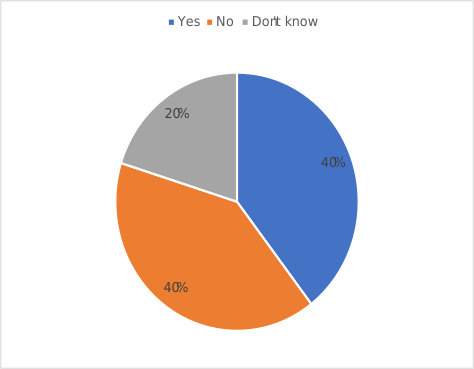
Source: OECD Survey of Romanian Public Procurement Professionals, 2024
In light of this challenge, the National Public Procurement Strategy (2023-2027) includes a commitment to review the legislation and develop guidance on personal and institutional accountability to ensure that the provisions are clear. Three quarters of respondents to the OECD’s survey of public procurement professionals indicated that additional guidance on the distinction between personal and institutional responsibility would be helpful, suggesting the value of this commitment (see Figure 2.4).
Romania should develop clear guidance on personal and institutional accountability to help procurement practitioners understand their responsibilities and reduce concerns about liability. This guidance should be supported by training and awareness-raising sessions to clarify accountability provisions. A better understanding of accountability can alleviate fears and improve the willingness of contracting authorities to engage with more complex procedures, such as the use of non-price criteria.
Would additional guidance on the distinction between personal and institutional responsibility be helpful in carrying out your work?
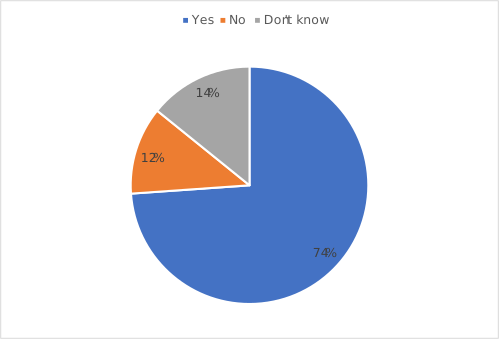
Source: Source: OECD Survey of Romanian Public Procurement Professionals, 2024
2.2.2. Distinguishing between error, negligence and fraud
The Romanian legal system provides a comprehensive framework for addressing error, negligence, and fraud, including defining if the alleged crime is a simple error (no intention involved), if it is negligence in office (which involves culpability) or if the person committed an abuse of office (which involves intention).
These concepts are clearly defined in the criminal, civil and administrative codes and cannot be defined specifically in the context of public procurement. For example, Article 298 of the Criminal Code defines negligence in office as the act of a public official who, through negligence, in the exercise of his/her duties, fails to perform an act provided for by a law, a Government ordinance, an emergency Government ordinance or another normative act which, at the time of its adoption, had the force of law, or performs it in violation of a provision contained in such normative act and thereby causes damage or injury to the rights or legitimate interests of a natural person or a legal person (Ministry of Justice, 2009[51]). Examples of error, negligence and fraud are provided in the table below.
Source: Authors’ elaboration
In addition, Article 224 of Law No 98/2016 on public procurement defines which actions are to be considered contraventions (minor offences) in the context of procurement. If they are committed under conditions involving criminal will, they are considered criminal offences. The Criminal Code and Civil Code complement this by setting out the legal consequences for fraud, negligence, and error. For example, Article 298 of the Criminal Code establishes that a public official who is guilty of negligence in office shall be punishable by imprisonment for a term of three months to three years or a fine.
Nevertheless, this remains a challenging area for public procurement practitioners in Romania, despite the lack of data on negligence and fraud in public procurement, such as the number of referrals resulting in convictions from control bodies. More than half of respondents to the OECD’s survey of procurement professionals indicated that there is insufficient clarity in the distinction between error, negligence and fraud (see Figure 2.5)
In general, when conducting public procurement activities, do you feel there is sufficient clarity in the distinction between error, negligence and fraud?
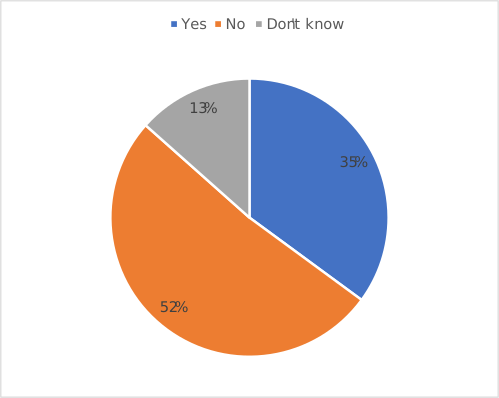
Source: OECD Survey of Romanian Public Procurement Professionals, 2024
In practice, it can be challenging to clearly identify if the act constitutes an error, negligence or fraud. The distinction is not always clear-cut and requires a case-by-case approach and a careful assessment of the specific circumstances. For example, the impact of an error can differ significantly depending on the circumstances: a contracting authority that failed to ask a tenderer to submit missing or incomplete documents (while it did request such documents from other participants) infringes formal rules stipulating that such an attempt has to be made. However, if the offer submitted by that tenderer, due to a higher price proposed in his tender, did not stand a chance of winning the contract, such an infringement is inconsequential, since the results of the procedure would have remained the same even if the contracting authority had fully complied with its obligations.
As error, negligence and fraud are concepts which are not defined in a procurement specific context but rather in the Civil or Criminal Codes, only the responsible court can assess if the alleged crime is a simple error, if the person was negligent, or committed an abuse of office.
Romania should issue guidance to clearly differentiate between error, negligence, and fraud, providing definitions, examples, and case studies for clarity. In the OECD’s survey of public procurement professionals, around 90% of respondents indicated that additional guidance in this area would be helpful in carrying out their work (see Figure 2.6).
Would additional guidance to provide clarity on the distinction between error, negligence and fraud be helpful in carrying out your work?
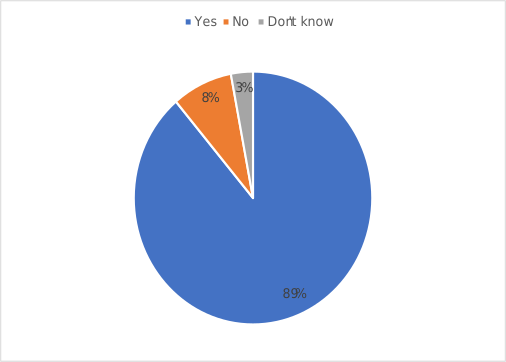
Source: OECD Survey of Romanian Public Procurement Professionals, 2024
Clarifying these distinctions will foster confidence among practitioners and help contracting authorities focus on effective procurement procedures. This could be bolstered by collecting data on negligence and fraud in public procurement, such as the number of referrals resulting in convictions from control bodies to the legal system related to public procurement. This information could help authorities assess the effectiveness of current accountability mechanisms and refine them where necessary.
References
[37] ANAP (2024), Monitoring Indicators of Efficiency of Public Procurement Procedures Finalised by Contract in 2023, https://anap.gov.ro/web/wp-content/uploads/2024/12/Analiza-indicatorii-de-eficienta-2023.pdf.
[38] ANAP (2024), Survey on competition in public procurement, https://anap.gov.ro/web/notificare-anap-privind-concurenta-in-domeniul-achizitiilor-publice/.
[47] ANI (n.d.), PREVENT, https://integritate.eu/competente/prevent/ (accessed on 15 January 2025).
[23] European Commission (2020), ProcurCompEU – Study on professionalisation of public procurement in the EU and selected third countries, https://commission.europa.eu/document/download/13ceb4ae-ae22-4c05-8224-748d6a067229_en?filename=procurcompeu-study_prof_pp_en.pdf.
[16] European Commission (2020), ProcurCompEU: European Competency Framework for Public Procurement Professionals, https://commission.europa.eu/system/files/2020-12/procurcompeu-ecf_for_pp_en.pdf.
[36] European Commission (n.d.), Single Market Scoreboard: Access to Public Procurement, https://single-market-scoreboard.ec.europa.eu/business-framework-conditions/public-procurement_en (accessed on 16 February 2025).
[35] European Court of Auditors (2023), Public Procurement in the EU, https://www.eca.europa.eu/ECAPublications/SR-2023-28/SR-2023-28_EN.pdf.
[45] European Investment Bank (2018), Ghid Privind Implementarea Standardelor de Control Intern Managerial În Achizițiile Publice de Către Autoritățile Contractante, https://anap.gov.ro/web/wp-content/uploads/2018/03/Ghid-Control-Intern_08.02.2018.pdf.
[50] Federal Ministry of Finance (n.d.), Bundesrecht konsolidiert: Gesamte Rechtsvorschrift für Amtshaftungsgesetz, Fassung vom 03.04.2024, https://www.ris.bka.gv.at/GeltendeFassung.wxe?Abfrage=Bundesnormen&Gesetzesnummer=10000227 (accessed on 3 April 2024).
[49] Federal Ministry of Finance (n.d.), Bundesrecht konsolidiert: Gesamte Rechtsvorschrift für Strafgesetzbuch, Fassung vom 03.04.2024.
[27] Gerson, D. (2020), “Leadership for a high performing civil service: Towards senior civil service systems in OECD countries”, OECD Working Papers on Public Governance, No. 40, OECD Publishing, Paris, https://doi.org/10.1787/ed8235c8-en.
[13] Government of Romania (2023), National Strategy in Public Procurement 2023-2027, https://anap.gov.ro/web/hotararea-de-guvern-nr-554-pentru-aprobarea-strategiei-nationale-in-domeniul-achizitiilor-publice-2023-2027/.
[32] Government of Romania (2019), Decision No. 257 of April 24, 2019, https://legislatie.just.ro/public/DetaliiDocument/213395 (accessed on 7 March 2024).
[17] Government of Romania (2015), National Strategy for Public Procurement 2015-2020, https://anap.gov.ro/web/wp-content/uploads/2015/11/Hotararea-nr-901_2015.pdf.
[31] Government of Romania (2012), Emergency Ordinance No. 71 of 20 November 2012, http://old.ms.ro/documente/achizitii%20centralizate_12542_11868.pdf (accessed on 7 March 2024).
[24] Ministry of Justice (2024), Implementation Status Report National Anti-Corruption Strategy 2021-2025 in the years 2022-2023.
[46] Ministry of Justice (2024), LAW no. 672 of December 19, 2002 (republished), https://legislatie.just.ro/Public/DetaliiDocument/40929 (accessed on 29 March 2024).
[12] Ministry of Justice (2023), Report on the Implementation of the National Anti-Corruption Strategy in 2022, https://sna.just.ro/ro/a/rapoarte-de-monitorizare/raport-privind-stadiul-implementarii-strategiei-nationale-anticoruptie-2021-2025-in-anul-2022.
[14] Ministry of Justice (2021), DECISION No. 312 of 18 May 2021 amending Prime Minister Decision no. 236/2015 on the establishment of the Interministerial Committee for Public Procurement, https://legislatie.just.ro/public/DetaliiDocument/242366 (accessed on 2 April 2024).
[9] Ministry of Justice (2021), National Anti-Corruption Strategy 2021-2025, https://sna.just.ro/en/c/sna-2021-2025.
[33] Ministry of Justice (2015), EMERGENCY ORDINANCE no. 13 of May 20, 2015 regarding the establishment, organization and operation of the National Agency for Public Procurement, https://legislatie.just.ro/Public/DetaliiDocumentAfis/168267 (accessed on 29 March 2024).
[51] Ministry of Justice (2009), Penal Code of July 17, 2009, https://legislatie.just.ro/Public/DetaliiDocument/223635.
[18] National Agency for Public Procurement (2021), Cadrul de competențe pentru consilier achiziții publice, https://anap.gov.ro/web/wp-content/uploads/2021/06/Anexa-1-Cadru-de-Competente-CAP.pdf (accessed on 27 June 2024).
[19] National Agency for Public Procurement (2021), Cadrul de competențe pentru funcția de consilier sistem achiziții publice, https://anap.gov.ro/web/wp-content/uploads/2021/06/Anexa-2-Cadru-de-Competente-CSAP.pdf (accessed on 27 June 2024).
[22] National Institute of Administration (n.d.), Professional Development Programs 2024, https://training.ina.gov.ro/formare/pp24/oferta-ina-pp.php (accessed on 2 April 2024).
[42] OECD (2024), Good Practices for Procuring Computers and Laptops in Latin America: Fostering Neutrality and Market Engagement, OECD Public Governance Reviews, OECD Publishing, Paris, https://doi.org/10.1787/cdf11f4d-en.
[41] OECD (2024), Improving Competitive Practices in Hungary’s Public Procurement: Reducing Single-bids and Enhancing Supplier Participation, OECD Public Governance Reviews, OECD Publishing, Paris, https://doi.org/10.1787/5d1c1ec1-en.
[29] OECD (2024), Public Procurement in Lithuania: Increasing Efficiency through Centralisation and Professionalisation, OECD Public Governance Reviews, OECD Publishing, Paris, https://doi.org/10.1787/aa1b196c-en.
[39] OECD (2023), Follow-up Review on Public Procurement in the State of Mexico: Identifying Critical Reforms for the Future, https://one.oecd.org/document/GOV/PGC/LPP(2023)8/FINAL/en/pdf.
[1] OECD (2023), “Managing risks in the public procurement of goods, services and infrastructure”, OECD Public Governance Policy Papers, No. 33, OECD Publishing, Paris, https://doi.org/10.1787/45667d2f-en.
[15] OECD (2023), “Professionalising the public procurement workforce: A review of current initiatives and challenges”, OECD Public Governance Policy Papers, No. 26, OECD Publishing, Paris, https://doi.org/10.1787/e2eda150-en.
[26] OECD (2023), Public Employment and Management 2023: Towards a More Flexible Public Service, OECD Publishing, Paris, https://doi.org/10.1787/5b378e11-en.
[3] OECD (2023), Strengthening Romania’s Integrity and Anti-corruption Measures, OECD Public Governance Reviews, OECD Publishing, Paris, https://doi.org/10.1787/ff88cfa4-en.
[5] OECD (2022), Public Procurement in the Slovak Republic: Towards a Strategy for Managing Conflicts of Interest, https://one.oecd.org/document/GOV/PGC/LPP(2022)1/FINAL/en/pdf.
[21] OECD (2022), Towards Agile ICT Procurement in the Slovak Republic: Good Practices and Recommendations, OECD Public Governance Reviews, OECD Publishing, Paris, https://doi.org/10.1787/b0a5d50f-en.
[10] OECD (2021), Public Procurement in the State of Mexico: Enhancing Efficiency and Competition, OECD Public Governance Reviews, OECD Publishing, Paris, https://doi.org/10.1787/cc1da607-en.
[4] OECD (2020), OECD Public Integrity Handbook, OECD Publishing, Paris, https://doi.org/10.1787/ac8ed8e8-en.
[7] OECD (2019), Improving Lithuania’s Public Procurement System: Component 1 – Implementation of Professionalisation and Certification Frameworks, OECD Public Governance Reviews, OECD Publishing, Paris, https://doi.org/10.1787/ade66f4c-en.
[28] OECD (2019), Reforming Public Procurement: Progress in Implementing the 2015 OECD Recommendation, OECD Public Governance Reviews, OECD Publishing, Paris, https://doi.org/10.1787/1de41738-en.
[48] OECD (2018), Behavioural Insights for Public Integrity: Harnessing the Human Factor to Counter Corruption, OECD Public Governance Reviews, OECD Publishing, Paris, https://doi.org/10.1787/9789264297067-en.
[43] OECD (2018), SMEs in Public Procurement: Practices and Strategies for Shared Benefits, OECD Public Governance Reviews, OECD Publishing, Paris, https://doi.org/10.1787/9789264307476-en.
[2] OECD (2017), Recommendation of the Council on Public Integrity, https://legalinstruments.oecd.org/en/instruments/OECD-LEGAL-0435.
[44] OECD (2016), Preventing Corruption in Public Procurement, https://www.oecd.org/gov/ethics/Corruption-Public-Procurement-Brochure.pdf.
[25] OECD (2016), Towards Efficient Public Procurement in Colombia: Making the Difference, OECD Public Governance Reviews, OECD Publishing, Paris, https://doi.org/10.1787/9789264252103-en.
[6] OECD (2015), Recommendation of the Council on Public Procurement, https://legalinstruments.oecd.org/en/instruments/OECD-LEGAL-0411.
[40] OECD (2009), Guidelines for Fighting Bid Rigging in Public Procurement, OECD Publishing, Paris, https://doi.org/10.1787/8cfeafbb-en.
[30] OECD (2000), “Centralised and Decentralised Public Procurement”, SIGMA Papers, No. 29, OECD Publishing, Paris, https://doi.org/10.1787/5kml60w5dxr1-en.
[11] Transparency International (2022), Monitoring Public Contracting: Experience from 18 Integrity Pacts in the EU, https://ec.europa.eu/regional_policy/sources/policy/how/improving-investment/integrity-pacts/booklet_impact_case_en.pdf.
[8] Transparency International Romania (2023), Boosting Integrity in Public Procurement, https://www.transparency.org.ro/sites/default/files/pp_boosting_integrity_in_romanian_public_procurement.pdf.
[34] World Bank (2023), Report on the proposed tool for screening of legislation, https://documents1.worldbank.org/curated/en/099011924055735846/pdf/P169141129e0ad0f618892137a09a4eb9f9.pdf.
[20] World Bank (2021), Report on the overall assessment of the public procurement system, http://documents1.worldbank.org/curated/en/099011924055530012/pdf/P169141169909e0a21b09b1c19edc005458.pdf.
← 1. Integrity refers to the use of resources and authority according to the intended official purposes and in a manner that is well informed, aligned with the public interest, and aligned with broader principles of good governance. Integrity risks can include, for example, corruption, fraud and collusion (OECD, 2015[6]).
← 2. The OECD collected information through a detailed questionnaire sent to Romanian public procurement stakeholders in November 2023, interviews carried out during a fact-finding mission in December 2023, and a survey of practitioners conducted in April and May 2024.
← 4. The survey was carried out from April to May 2024 with participation from 134 procurement practitioners from contracting authorities, Central Purchasing Bodies (CPBs) and ANAP.
← 5. An integrity pact is an initiative through which the public sector, civil society and the private sector commit to enhance transparency and accountability in a public procurement process. Integrity pacts usually take the form of a binding document formalising the relationship between a contracting authority, tenderers and an independent monitor with specific commitments. The pact provides for mechanisms to report and address corruption, irregularities, and breaches through the independent monitor (led or co-ordinated by civil society) (OECD, 2022[21])
← 6. The three projects were ‘The increase of coverage and registration of real estate in Romania’s rural areas on the Integrated Cadastre and Land Register System’ implemented by the Romanian Agency for Cadastre and Land Registration, ‘Integrated School Management System’ implemented by the Ministry of Education and ‘E-culture: the digital library of Romania’ implemented by the Ministry of Culture.