This introductory chapter presents an overview of Greece’s education system, including its structure, governance, performance, and recent policy developments relevant to the review. It outlines key national efforts to expand access and promote equity, particularly through reforms in early childhood education, school evaluation and digital learning. At the same time, it notes challenges that may hinder Greece from fully realising its educational potential. The chapter provides the contextual foundation for the rest of the report, which offers targeted recommendations on school autonomy, the teaching profession, early childhood education and care (ECEC), and digital education.
Improving Learning Outcomes in Greece
Strengthening School Governance, Teacher Professionalism and Digital Education

Abstract
Greece has experienced substantial economic and social transformation in the past decade. Following a period of economic adjustment and recovery from the COVID-19 crisis, the country is now pursuing a dual agenda of fiscal consolidation and structural reform (OECD, 2024[1]; OECD, 2025[2]). Since early 2021, Greece’s Gross Domestic Product (GDP) per-capita growth has outpaced the euro area (OECD, 2024[1]). As of 2023, the country’s overall GDP has returned to pre-pandemic levels, driven by increased private consumption and investment. In that year, the GDP grew by 2.3%, a rate that remained stable in 2024 and is projected to ease slightly (to 2.0%) but still remain stable throughout 2025 (OECD, 2024[1]; OECD, 2025[2]). Along with a rise in GDP Greece has also seen a fall in its debt (OECD, 2024[1]). Since 2022, the ratio between general gross debt and GDP has fallen from 192.5% to around 170%. This ratio is predicted to further decrease in the coming years (OECD, 2025[2]). Still, global price shocks, particularly in energy and food, have been imposing pressures on households and firms, underlining the vulnerability of the Greek economy to external shocks (OECD, 2023[3]; OECD, 2024[1]). Headline inflation reached a peak of 9.6% in 2022 but has since then declined, reaching 2.6% in April 2025. Conversely, core inflation has remained relatively unchanged, floating just below 4%, due to persistent price pressures in services and a tight labour market (OECD, 2025[2]; World Bank Group, 2025[4]). Both headline and core inflation are projected to decline in 2026 (OECD, 2025[2]).
In the labour market, unemployment in Greece has been steadily declining since its 2013 peak, with the rate falling to 8.3% in April 2025 (the lowest level since 2009) down from 10.8% in April 2024 (ELSTAT, 2025[5]). At the same time, Greece’s labour market has been facing rising labour shortages, especially in the tourism and construction sectors (OECD, 2024[1]). Moreover, labour force participation is unevenly distributed, with many employers struggling to find workers with the necessary skills and nearly 35% of workers having a qualification that does not match their jobs’ requirement (OECD, 2024[1]). Particularly, Greece is facing low levels of participation in continuous training as well as below OECD-average share of 25-34-year-olds graduating from a Vocational Education and Training (VET) track (OECD, 2024[1]). In response, the government has intensified efforts to reform the VET system, including the implementation of Law 5082/2024 (planned to be implemented in the beginning of the school year 2026-2027) and the launch of new training guides co-developed with social partners to align education with labour market needs (MERAS, 2025[6]). Data also reveal marked disparities in unemployment rates by education level. In 2024, 24.2% of young adults without upper secondary education were unemployed, compared to 16.2% with upper secondary or post-secondary non-tertiary attainment, and 12.3% with tertiary education (OECD, 2025[7]). At the same time, the share of 25–34-year-olds in Greece without upper secondary attainment has decreased from 13% in 2019 to 7% in 2024, aligning with OECD trends of rising attainment across the population (OECD, 2025[7]).
Finally, the country’s demographic outlook presents additional policy challenges. Low birth rates, an ageing population, and the emigration of skilled workers continue to place pressure on the education system, the labour force, and public finances (OECD, 2024[1]). This will further constrain labour market participation, with the working-age population risking a 11% shrink over the next ten years if nothing changes (European Commission, 2023[8]; OECD, 2024[1]).
In this context, Greece has made education a cornerstone of its recovery and reform strategy. Recent policies have aimed to expand early childhood education, modernise vocational pathways, and strengthen digital and green skills. In 2024, the government reported substantial progress in implementing its Annual Action Plan for Education (Ετήσιο Σχέδιο Δράσης), highlighting the roll-out of new teacher training programmes, targeted support for school evaluation processes, and the implementation of school infrastructure and digital initiatives (MERAS, 2025[6]; MERAS, 2025[9]). As the country invests in its human capital, education policy must not only address learning outcomes but also reduce disparities in access and opportunity. Looking ahead, Greece’s capacity to sustain economic recovery and respond to emerging social needs will depend in large part on its ability to equip all learners with relevant skills and support schools in becoming engines of innovation and equity. An education system that is aligned with demographic realities, inclusive of all students, and responsive to future skill demands will be essential for promoting shared prosperity. Finally, it is worth mentioning the Strategic Plan for Primary and Secondary Education 2025–2027 (MERAS, 2025[9]). This plan sets out priority areas and objectives to address emerging challenges and guide future reforms in Greece’s education system. According to Greek authorities, as implementation progresses, this framework will underpin efforts to modernise teaching, foster inclusion, and support continuous improvement in learning outcomes.
Structure
Compulsory education in Greece spans from ages 4 to 15, covering pre-primary (Nipiagogeio), primary (Dimotiko) and lower secondary education (Gymnasio). The Greek government has taken progressive steps to expand early childhood provision, notably by introducing compulsory two-year pre-primary education for all 4-year-olds starting in 2018 (MERAS, 2025[6]). Primary education lasts six years (ages 6 to 12), and, since the 2016/17 school year, all primary schools have offered optional all-day programmes to better support working families and extend learning time. Secondary education is divided into two cycles: lower secondary (Gymnasio, ages 12 to 15), which is compulsory, and upper secondary (Lykeio, ages 15 to 18), which is not compulsory.
At the upper secondary level, students may follow either a general academic track (Geniko Lykeio) or a vocational track (Epangelmatiko Lykeio, EPAL). The vocational track includes both school-based learning and an optional fourth-year apprenticeship, aligning with efforts to strengthen labour market relevance and student employability (Eurydice, 2023[10]). This track has received significant policy attention since 2020 with Law 4763/2020 introducing Model Vocational Upper Secondary Schools (PEPAL) which is meant to raise the quality and attractiveness of vocational pathways (MERAS, 2025[6]).
Higher education is provided by public universities, and undergraduate programmes typically span four years, while postgraduate and doctoral programmes last one to three years, some academic programmes in Greece extend over a period of five years, such as those offered by Polytechnic Schools, which culminate in the award of an Integrated Master’s degree. Others, such as Medicine, require six years of study to complete. The sector is currently undergoing reforms with the intention of enhancing its responsiveness to social and economic needs, including provisions for the establishment of non-state, non-profit branches of foreign universities operating with tuition fees in Greece (Eurydice, 2023[10]; MERAS, 2025[6]). Post-secondary vocational training is offered through Higher Vocational Training Schools (S.A.E.K.), with programmes typically lasting four to six semesters. These reforms mark a strategic shift to better align education with regional and sectoral labour market needs (MERAS, 2025[6]). In addition to the SAEKs, the Ministry of Education, Religious Affairs and Sports recently established, by Law 237/2025, the Vocational Training Academies, introducing for the first time a public–private partnership model involving businesses, institutions and associations. Private entities will ensure internship placements for students, with full insurance coverage and remuneration, and will commit to employ at least 40% of graduates upon completion of their studies. This new institution aims to encourage more young people to choose vocational education, strengthen Greece’s vocational training system, and provide additional training and employment opportunities for young people. Finally, lifelong learning forms another pillar of the system, with provision for adult learners through Second Chance Schools (SDE) and Lifelong Learning Centres (KDVM). These pathways cater to early school leavers, low-qualified adults, and others seeking to upskill or retrain. The General Secretariat for Vocational Education, Training, and Lifelong Learning coordinates national policy in this area (Eurydice, 2023[10]; MERAS, 2025[6]).
In terms of the structure of the education system in Greece, Figure 1.1 illustrates the most recent official information, about the main educational pathways by ISCED level in the country, mapping the progression from early childhood education and care to doctoral studies (European Commission/EACEA/Eurydice, 2025[11]). This diagram highlights the diversity of both academic and vocational routes available to students, as well as the key transition points, most notably between upper secondary and post-secondary non-tertiary education. The inclusion of adult education and second chance schools further reflects Greece’s interest in lifelong learning and inclusive provision.
Despite these strengths, the system faces ongoing risks of fragmentation, particularly at transition points between educational levels and between general and vocational tracks. Like in many other countries, differences in social reputation and resource allocation between pathways persist. For example, general education is widely perceived as the default or more prestigious track, while vocational education remains less attractive to students, with only 12% of upper secondary graduates completing a vocational programme in 2022, well below the OECD average of 38% (OECD, 2025[12]). Although recent reforms have aimed to strengthen vocational provision, these programmes often face challenges such as lower enrolment, limited investment in training infrastructure, and weaker alignment with tertiary education options. Many learners might require targeted support to navigate these transitions effectively, as disparities in guidance, institutional coordination, and labour market connections can impede educational progression and equity (OECD, 2025[12])1.
System-wide curricula and student learning goals
The Greek Ministry of Education (Ministry of Education, Religious Affairs and Sports, MERAS), in collaboration with the Institute of Educational Policy (IEP), is meant to continuously review and update the curricula to reflect modern educational practices and societal needs. The IEP is a public body supervised by MERAS that acts as the Ministry’s scientific and technical adviser on curriculum, pedagogy, assessment and teacher development, with an advisory and implementation role rather than full institutional autonomy. Recent reforms have focussed on integrating digital technologies into the classroom (see chapter 5), promoting inclusive education, and enhancing teacher professional development (see chapter 3) (Eurydice, 2025[13]). Greece has undertaken significant reforms to its national curriculum, with the development of 166 new curricula covering almost all subjects in primary and secondary education. These changes are meant to shift the focus from content delivery to student-centred learning, emphasising critical thinking, problem-solving, and the application of theoretical knowledge in practical contexts. The reforms also include a "multiple textbook" approach, where teachers and students can select from approved resources, aiming at fostering a more flexible and adaptive learning environment (MERAS, 2025[6]). Accordingly, the curricula at compulsory education levels in Greece are designed to provide students with a comprehensive and well-rounded education. The Ministry, in coordination with the IEP, oversees the development and implementation of these curricula, ensuring they meet national standards and prepare students for future academic and professional success (MERAS, 2025[6]).
In pre-primary education, the newly introduced curriculum has the objective of developing 21st century skills from a young age, while also following the principles of children’s holistic development and learning (see Chapter 4). As such, it focusses on 4 areas: 1) Child and Communication, including language Information and Communication Technologies (ICT); 2) Child, Self and Society; 3) Child and Science and 4) Child, Body, Creation and Expression (MERAS, 2025[6]). In addition to these, the curriculum also promotes multilingualism from a young age and, thus, foresees English classes and Skills Labs since pre-primary (Eurydice, 2025[14]).
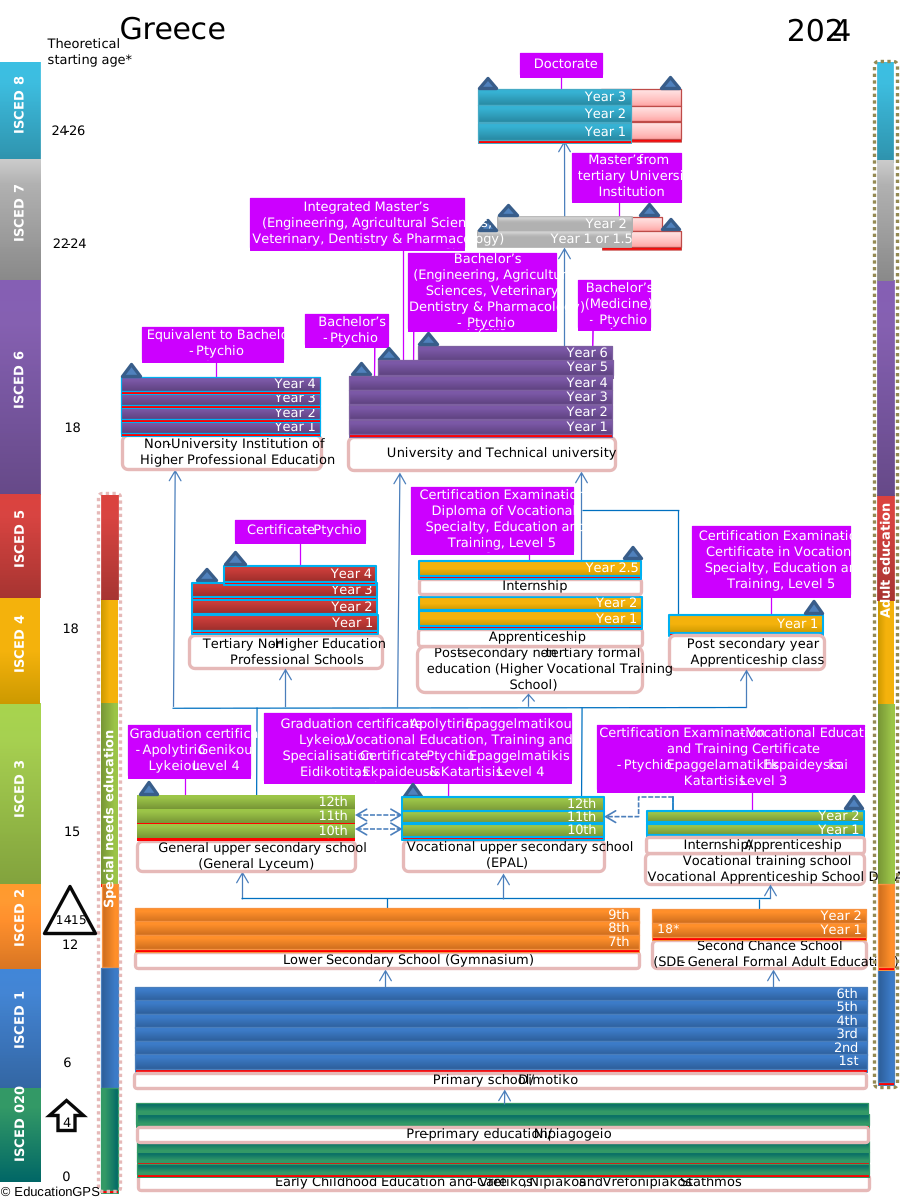
Notes: Under ISCED 4 Post-secondary non-tertiary formal education (Higher Vocational Training School), Ι.Ε.Κ. (Ινστιτούτο Επαγγελματικής Κατάρτισης) is renamed as ΣΑΕΚ (Σχολή Ανώτερης Επαγγελματικής Κατάρτισης) from 2024 onwards (law 5082/2024).
Source: MERAS (2025[6]), OECD Background Questionnaire: Education Policy Review of Greece, Ministry of Education, Religious Affairs and Sports.
In primary education, the curriculum is designed to develop basic skills in literacy, numeracy, and critical thinking. Subjects include Greek Language, Mathematics, Environmental Studies, Physical Education, Music, Art, two foreign languages, Information and Communication Technologies (ICT), Geography, Social and Civic Education, History, Science, Skills Labs, and Religious Education. Language instruction focusses on reading, writing, and comprehension, while mathematics covers fundamental concepts and problem-solving techniques. In addition, at this stage, Environmental Studies introduce students to basic scientific concepts and ecological awareness. Emphasis is placed on fostering an interest in learning (self-motivation) and developing social and emotional skills (Ministry of Education, Religion Affairs and Sport, 2024[15]).
In lower secondary education (Gymnasio), the curriculum expands to include more subjects and a deeper exploration of previously introduced topics. Subjects in the Greek curriculum include Modern and Ancient Greek Language and Literature, Mathematics, Natural Sciences (Physics, Chemistry, Biology), History, Geography and Geology, Religious Education, Civic Education, Information Technology, Physical Education, Home Economics and the newly introduced subject of Economics, Culture (Music and Art), and Skills Labs. Within the Skills Labs, Career Guidance is offered in the 9th grade. In addition, the curriculum integrates cross-cutting themes such as the Sustainable Development Goals (SDGs) (MERAS, 2025[6]). English is the first foreign language and is compulsory from kindergarten. A second foreign language (typically German or French) is introduced from the fifth grade of primary school. At this level, the curriculum aims to build on foundational knowledge and introduce more complex concepts, encouraging analytical thinking and problem-solving skills (Ministry of Education, Religion Affairs and Sport, 2024[15]).
In upper secondary education (Lykeio), which is not a compulsory level, the curriculum for students pursuing the general education pathway includes advanced courses in Modern and Ancient Greek Language and Literature, Mathematics, Physics, Chemistry, Biology, History, Physical Education, Religious Education, Foreign Languages, Civic Education, ICT and Philosophy. From the second year, students can also choose one of several predefined blocks of orientation-track subjects, which function as cluster-based electives linked to the Panhellenic Examinations rather than individually selected optional courses. These clusters align with the academic and professional orientations chosen at the outset of upper secondary studies, thereby allowing for a more structured yet targeted educational experience. During the final year there is a strong emphasis on preparing students for the Panhellenic Examinations, which are crucial for university admission (MERAS, 2025[6]).
In addition to the academic subjects, the Greek education system aims to place importance on cross-curricular themes and extracurricular activities. These include health education, environmental education and cultural activities that promote a holistic development in the student. Indeed, schools often organise projects and activities that encourage teamwork, creativity, and a community sense of belonging to develop students’ social skills and civic responsibility, with the aim of preparing them to be active and informed citizens (OECD, 2019[16]; MERAS, 2025[6]).
Source: Ministry of Education, Religious Affairs and Sports (2025), OECD Background Questionnaire: Education Policy Review of Greece.
In addition to the academic subjects, the Greek education system aims to place importance on cross-curricular themes and extracurricular activities. These include health education, environmental education and cultural activities that promote a holistic development in the student. Indeed, schools often organise projects and activities that encourage teamwork, creativity, and a community sense of belonging to develop students’ social skills and civic responsibility, with the aim of preparing them to be active and informed citizens (OECD, 2019[16]; MERAS, 2025[6]).
Governance
In terms of governance, Greece’s education system is defined by a centralised structure, with MERAS and its General Secretariats (i.e. for Primary, Secondary and Special Education; for Higher Education; for Vocational Education, Training and Lifelong Learning; and for Religious Affairs) exercising primary authority over the curriculum, teacher appointments, assessment, and institutional oversight. MERAS also oversees the governance of pre-primary education for children aged 4 and 5 (ISCED 02, or nipiagogeia) in both private and public settings. Only pre-primary education for children under the age of four (ISCED 01) is not overseen by MERAS, but rather by the Ministry of Interior and local municipalities, in public settings, and by the Ministry of Social Cohesion and Family Affairs, in private settings (Eurydice, 2025[17]). This centralisation aims to ensure consistency and equity across diverse regions, but it also limits responsiveness to local needs, particularly in Greece’s many islands and mountainous areas, where the dispersion of the school network presents logistical and quality assurance challenges (Eurydice, 2025[13]; OECD, 2020[18]; OECD, 2018[19]).
At the regional level, the Regional Primary and Secondary Education Directorates serve as management and governance bodies. Each of the 13 regions has its own directorate which is responsible for overseeing administrative operations as well as providing scientific and pedagogical guidance. These directorates fall under the competence of the General Secretary for Primary, Secondary, and Special education and, thus, act as decentralised services of MERAS. In practice, they oversee the local authorities of Directorates of Primary and Secondary Education, which are based in each prefecture and are responsible for the administration and operation of schools in the area. In doing so, these bodies link the central administration to local practices.
The Regional Directorates also host a variety of councils and boards. Relevant examples are the Regional Councils of Supervisors, whose main role and responsibility is the pedagogical supervision and coordination of the educational processes, (RCS) (Περιφερειακοί Επόπτες Ποιότητας της Εκπαίδευσης or PESEP), which play a key coordinating role in the school evaluation and educational process. Established under Law 4823/2021 as part of a major education system governance reform, RCS replaced Regional Centres for Educational Planning (PEKES) (Περιφερειακά Κέντρα Εκπαιδευτικού Σχεδιασμού) which had been in place since 2018 (MERAS, 2021[20]). The councils now have a broader remit for promoting the quality of education and implementing educational policy at the regional level and are composed of Regional Education Quality Supervisors (Περιφερειακοί Επόπτες Ποιότητας της Εκπαίδευσης) (MERAS, 2025[6]).
There are 116 Directorates of Primary and Secondary Education (hereafter “Education Directorates”) across the country (58 for Primary and 58 for Secondary Education), operating under the authority of the Regional Directorates of Education. These structures play a central role in the governance of schools and education-related support services. Their responsibilities span administrative and pedagogical functions, including the organisation of examinations, allocation of educational resources, management of European and international programmes, and the oversight of school staffing, timetables, and disciplinary procedures. They also support curriculum implementation, vocational education, school safety, and health protocols. In addition, they supervise student assessment, career guidance, extracurricular activities, and school libraries, while administering data on staffing needs and mobility. These Directorates serve as an essential link between central policy and school-level implementation, in line with the mandates defined in national legislation, including Presidential Decree 18/2018 and Law 4823/2021 (Eurydice, 2025[21]).
In this context, it is important to mention that Law 4823/2021 substituted Educational Work Co-ordinators with Education Advisers (Σύμβουλοι Εκπαίδευσης), who operate at the local level with schools. Education Advisers are now responsible for providing scientific and pedagogical guidance to teachers and school leaders, supporting teacher training, and fostering innovation (MERAS, 2021[20]). They also contribute to both internal (self-assessment) and external evaluation processes of school units, in close collaboration with Education Quality Supervisors (Eurydice, 2025[22]; MERAS, 2025[6]). Because of their responsibilities, Education Advisers are a key component of the Greek education governance system, serving as a link between schools and the central administration (MERAS, 2025[6]). The roles of Education Quality Supervisors and Education Advisers as well as the RCS, are discussed more in depth in Chapter 2 on school autonomy and leadership.
The restructuring enacted via Law 4823/2021 was intended to streamline support, reduce bureaucratic overlap, and enhance the scientific and pedagogical leadership available to schools. However, decision-making remains centralised, with schools still having limited autonomy over staffing, budgeting, and curriculum adaptation. In Greece’s highly dispersed school network, with a significant number of small schools operating in remote island and mountainous regions, this creates ongoing challenges for efficient resource allocation, staff retention, and quality assurance. The Ministry has taken steps such as implementing some school mergers, officially designated as “metavoli scholikon monadon” (μεταβολή σχολικών μονάδων), or modification of school units, which constitute a recurring annual administrative procedure under Article 23 of Law 4823/2021 rather than an ad hoc pandemic measure. At the same time it is also supporting distance learning, notably during the pandemic but, these actions seem to have provided only partial relief to the ongoing challenges of resource allocation, staff retention, and quality assurance in remote areas (Eurydice, 2025[13]).
Recent policy developments signal a shift from temporary compensatory interventions towards a rights-based framework for educational inclusion. The decision to maintain a fully operational school for a single student in Arki, the operation of the micro-school on Pserimos under similar demographic conditions, as well as the establishment of an autonomous lower secondary class in Gavdos through Ministerial Decision 102754/Δ2/2024 under the legal mandate of Law 5128/2024, illustrate a deliberate state choice to guarantee physical educational provision even under extreme demographic constraints. These cases demonstrate that educational services are not merely calibrated to efficiency metrics but are framed as an obligation of territorial equity. At the same time, the introduction of blended learning classrooms and the nationwide Digital Tutorial Platform mark the extension of this principle into the digital domain. While micro-schools in remote areas represent a policy of geographic inclusion, the Digital Tutorial Platform operates as a digital instrument of socio-economic inclusion by providing free, curriculum-aligned support for national examination preparation. In doing so, the Ministry has repositioned digital technology as a welfare function rather than an auxiliary innovation tool. This is meant to be an infrastructural guarantee designed to mitigate inequalities arising from both geography and income. In this governance architecture, the Institute of Educational Policy (IEP) contributes as the Ministry’s scientific and technical adviser on curriculum and pedagogy, supporting the design and implementation of measures such as blended learning classrooms and digital tutorial resources within the broader inclusion strategy. This combined approach suggests an emerging model of inclusive digital governance in education, where territorial presence and digital public services work in parallel to reaffirm educational access as a universal public entitlement (MERAS, 2025[6]).
Funding
In terms of funding, the education system in Greece is grounded in the constitutional principle that education is a fundamental right, and as such, public education is provided free of charge at all levels: primary, secondary and higher education. The primary source of funding is the state budget, which is divided into the Ordinary Budget, covering operating expenses, such as staff salaries and day-to-day school operations, and the Public Investment Budget, which finances infrastructure projects and long-term development initiatives through the Public Investment Programme (PIP) (Eurydice, 2025[23]; MERAS, 2025[6]). This programme is used to fund the construction and renovation of school buildings. These types of projects are also co-financed via European Structural and Investment Funds and, more recently, the Recovery and Resilience Fund. For example, according to Eurydice (2025[23]), the Marietta Giannakou programme was initially launched with an estimated budget of EUR 350 million, aiming to restore and renovate 645 school units in 249 municipalities over a three-year period. With the new EUR 300 million donation, supplemented by EUR 250 million from the Public Investment Programme, bringing the total planned investment to EUR 650 million, upgrade projects in more than 2,500 school units in total will be carried out over the next three years. As of September 2025, more than 430 schools have already been renovated and are operational (MERAS, 2025[6]). The programme’s budget has also been increased by EUR 300 million, bringing the total planned investment in school renovations to EUR 650 million over the next three years (MERAS, 2025[6]).
In regards to the allocation of available funding, the Ministry of Interior is responsible for overseeing the funding for Early Childhood Education and Care settings and collaborates with MERAS in overseeing the funding for both primary and secondary education (see Chapter 4 of this report) (MERAS, 2025[6]). The local distribution of these centrally defined funds to schools occurs via municipalities. The allocation of state funds to municipalities for school operations is determined by criteria such as the number of classes and students. In municipalities with over 100 school units, specific municipal bodies named School Committees manage operational expenditure at the local level, including maintenance, heating and minor repairs. School committees in smaller municipalities have been discontinued (European Agency for Special Needs and Inclusive Education, 2020[24]). According to OECD data, public expenditure on pre-primary education (ages three and above) reached 0.6% of GDP in 2022, aligned with the OECD average (OECD, 2025[12]).
Crucially, through this model educational resources are centrally administered, with municipalities managing them on behalf of MERAS and the Ministry of Interior, hence resulting in schools having no autonomy over their finances or resources. Teaching and non-teaching staff positions, including the payment of salaries, are funded and administered directly by central authorities rather than by municipalities. This situation results in schools not being able to have control capital expenditures or purchases of school equipment. Additionally, under this framework, schools are generally allowed to receive funding through sponsorships or donations, rent out school premises for activities beyond the school schedule, or take out loans. However, according to Article 23 of Law 4692/2020, titled ‘Upgrading of the School and Other Provisions’, Model and Experimental Schools may receive donations and sponsorships from individuals or legal entities (MERAS, 2025[6]). Such contributions, which may include financial resources, equipment, infrastructure, or services, are accepted through formal decisions of the competent bodies and must be implemented with full transparency, in alignment with public accountability rules and public finance legislation. While School Committees for primary and secondary education connect central level funding with resource management at school level, their limited administrative role does not fundamentally change the lack of financial autonomy that schools in Greece face (European Commission/EACEA/Eurydice, 2014[25]; Eurydice, 2025[23]).
Source: Author’s own elaboration based on information from Eurydice and European Commission (2025[23]; 2014[25]).
At the national level, public expenditure on education in Greece was reported at 3.9% of GDP in 2022, which remains below the OECD average of 4.7% (OECD, 2025[12]). More recent national budgets (2022–2024) indicate a modest increase in public allocations to education, although updated internationally comparable data are not yet available. This limited funding affects various aspects of the educational system, including infrastructure, teacher salaries, and educational resources. Expenditure per student across primary, secondary and post-secondary (non-tertiary) levels of education is also lower than the OECD average, with Greece spending USD 6 420 per full-time equivalent student compared to the OECD average of USD 12 647 (OECD, 2025[12]). In Greece, governments provide 78.3% of total funding for primary, secondary, and post-secondary non-tertiary education which is below the OECD average of 90.1% (OECD, 2025[7]). By level of education, 80.2% of pre-primary education funding and 78.3% of tertiary education funding come from public sources, compared to OECD averages of 85.6% and 71.9%, respectively (OECD, 2025[7]). Private sources account for 21.7% of total expenditure at primary, secondary, and post-secondary non-tertiary levels, reflecting a higher reliance on private funding compared to the OECD average of 9.9% (OECD, 2025[7]). In terms of the items covered by private expenditure on education, some relevant aspects are tuition fees for private schools, private tutoring (“frontistiria”), and supplementary educational services, especially at the secondary level (Eurydice, 2025[23]; OECD, 2025[7]).
Finally, it should be noted that the absence of a standardised monitoring system for funding allocation complicates oversight and transparency. Current mechanisms do not allow for consistent tracking of how resources are distributed or used, particularly at the school level, resulting in inconsistencies in funding across schools of similar size or need, especially those serving students with special needs. Local discretion is limited, and accountability structures remain unclear, further constraining the system’s ability to address equity gaps.
Quality assurance mechanisms
Student assessments
Greece has introduced several changes to its student assessment system in recent years. One of the key reforms has been the reintroduction and further development of the Item Bank for upper secondary school exams, expanded under Law 4692/2020 and Law 4823/2021. This system standardises examination content while allowing for more diverse types of questions, with a selective inclusion of PISA-style tasks that aim to encourage critical thinking and real-world problem-solving (MERAS, 2025[6]). In parallel, diagnostic assessments have been implemented in a sample of schools, specifically in the 6th grade of primary education and the 3rd grade of lower secondary education (Gymnansio), as part of efforts to strengthen national learning assessment mechanisms. These assessments aim to identify learning gaps at key transition points and support early intervention through more targeted pedagogical strategies (MERAS, 2025[6]).
At lower levels of education, the assessment landscape in Greece does not have a comprehensive national system for assessing student performance. In pre-primary education (Nipiagogeío, ages 4 to 6), student assessment is informal, continuous, and descriptive rather than numerically based. Focussing on each child’s development and socialisation, the assessment is based on children’s progress, projects’ results, peer assessment (conducted by the children themselves), and individual portfolios (MERAS, 2025[6]). Overall, the educator continuously tracks each child’s development, noting the emergence of new ideas, attitudes, values, and skills (formative assessment) to evaluate if and how the programme’s overall goals have been achieved (final assessment). In primary education (Dimotiko, grades 1 to 6), individual teachers primarily conduct student assessments (MERAS, 2025[6]). However, these assessments are not standardised at a national level, leading to variations in evaluation practices and a lack of comparable data across schools. This strong emphasis on teacher-led, largely formative assessment is in line with international practice at this level, as it is intended to support students’ ongoing learning and development. At the same time, the absence of common tools or benchmarks at system-level limits the availability of comparable information on learning outcomes, which can constrain efforts to monitor progress and target support across the system.
In lower secondary education (Gymnasio, grades 7 to 9), students undergo school-based assessments at the end of each school year to progress to the next grade. These assessments cover subjects such as Greek Language and Literature (Ancient and Modern), English, Mathematics, Physics, Biology, and History. Subjects such as Chemistry and Geography belong to Group B subjects and are not assessed at the end of the year. While crucial for student progression, these exams are locally administered by teachers within each school and do not provide a national benchmark for student performance. This decentralised approach means there is a lack of uniformity in the assessment standards and practices across different regions and schools (OECD, 2020[18]). In upper secondary education (Lykeio, grades 10–12), students keep facing school-based exams at the end of each school year and additionally the national Panhellenic exams only, at the end of the final year for those who want to enter tertiary education. The school-based assessments during all three years help determine student progression and are marked by teachers within each school. These assessments cover a wide range of general education subjects, including Greek Language and Literature, Mathematics, and Sciences (OECD, 2020[18]). In addition to general education subjects, students also take compulsory orientation (specialisation) subjects based on their selected educational stream namely: 1) Humanities, Law and Social Studies; 2) Science and Technology; 3) Health and Life Sciences; or 4) Economics and Informatics. This structure was defined by Law 4610/2019, which amended the earlier framework established by Law 4186/2013, as published in the Official Gazette A’ 70/07-05-2019 (MERAS, 2025[6]). These orientation subjects are not electives, but mandatory components of each student’s chosen pathway, and constitute the academic preparation for the Panhellenic Examinations (MERAS, 2025[6]). Corresponding provisions of the same law, as specified by relevant Ministerial Decisions, regulate the assessment of Vocational Upper Secondary (EPAL) students. These assessments cover both General Education subjects and Vocational or Specialisation subjects offered across the nine sectors and their related specialisations (MERAS, 2025[6]).
In the final year (Grade 12), school-based assessments also lead to the award of a School-Leaving Certificate (Apolytirio in General Education and Apolytirio and Ptychio in Vocational Education), certifying completion of upper secondary education (ISCED level 3). While this certificate grants access to post-secondary non-tertiary education, it does not by itself provide access to tertiary education. The nationally standardised Panhellenic exams are taken at the end of Grade 12 by students who have successfully obtained the Apolytirio, or the Apolytirio and Ptychio in the case of Vocational Education and wish to enter tertiary education. These exams assess the orientation subjects associated with the student’s chosen stream. To ensure standardisation and fairness, Panhellenic exams are organised centrally by appointed committees composed of experienced educators and subject-matter experts. This process includes multiple checks to uphold the integrity and reliability of results (OECD, 2020[18]; MERAS, 2025[6]). More specifically, holders of a Vocational Education Apolytirio and Ptychio, or a School‑Leaving Certificate of General Education combined with a Vocational Education Ptychio, are entitled to take special Panhellenic Exams. In these, they are assessed in four subjects from the third grade of EPAL: Two general education subjects and two specialisation subjects. The resulting grades are the primary criterion for eligibility and placement in higher education institutions.
This high-stakes assessment system at the end of upper secondary education is a pivotal aspect of the Greek education system, significantly shaping the behaviour of students, teachers, and families. Much of the final year of upper secondary education is often oriented toward preparing for the Panhellenic exams, which can lead to a narrowing of classroom instruction to focus predominantly on examinable content. This exam-focussed approach has contributed to the widespread use of supplementary education outside of regular school hours, commonly referred to as shadow education, including private tutoring and preparatory courses as identified in previous OECD reviews (OECD, 2018[19]; OECD, 2020[18]) and discussed with stakeholders during the OECD review visit.
The intensity of preparation for the Panhellenic exams reflects the strong societal pressure associated with securing access to higher education. As participation in shadow education typically requires additional financial resources, this trend may exacerbate inequities in educational opportunities and support, particularly for students from disadvantaged backgrounds as also identified for other OECD countries (OECD, 2018[19]; OECD, 2013[26]). In response, the Greek authorities have launched several initiatives under the Digital School reform, aiming to expand access to academic support through digital tools. These include the Digital Tutorial platform, which provides reinforcement and revision resources aligned with the national curriculum, and the Digital Tutorial for the Panhellenic Exams, offering live online lessons for candidates preparing for tertiary entry (MERAS, 2025[6]). Additionally, blended learning classrooms are being developed to better serve students in remote island and mountainous areas. These initiatives aim to provide more equitable access to quality education and help reduce structural disparities in examination preparation (MERAS, 2025[6]).
Overall, the lack of a cohesive national assessment framework in assessments at lower levels of education limits the ability to monitor and enhance educational outcomes across the country. Furthermore, the high-stakes nature of the Panhellenic exams has significant implications for teaching and learning practices, as well as on equity. Addressing these trends through the development of a comprehensive and equitable assessment system remains a critical challenge for Greece.
Source: Ministry of Education, Religious Affairs and Sports (2025), OECD Background Questionnaire: Education Policy Review of Greece.
Teacher appraisal
The current teacher appraisal framework in Greece is defined by two complementary legislative acts, namely Law 4692/2020 and the major Law 4823/2021 (Eurydice, 2025[27]) that cover the evaluation procedure for all educators. Law 4692/2020 established a specific framework for teachers in Model and Experimental Schools, emphasising pedagogical competence, teaching effectiveness, and professional conduct. These evaluations would influence tenure renewals and be conducted jointly by the Scientific Supervisory Board (ΕΠ.Ε.Σ.), the Education Adviser and the School Principal (MERAS, 2020[28]).
Law 4823/2021 institutionalises a systematic framework for the appraisal of teachers’ work. Its framework evaluates teachers along two axes: A. teaching and pedagogical work (including didactic methodology and classroom management); and B. professional consistency and competence. Teachers are formally assessed every four years in field A and every two years for field B by education advisers and/or the school principal. Evaluations follow a structured process involving lesson observation, documentation, and post-evaluation feedback (MERAS, 2021[20]). According to the aforementioned framework, the role of the Authority for Quality Assurance in Primary and Secondary Education (ADIPPDE) is to oversee and specify evaluation criteria along with their operationalisation.
Similarly to Law 4692/2020, poor performance in these evaluations affects teachers’ eligibility for promotion and may trigger mandatory training programmes developed by the Institute of Educational Policy. The concept of Law 4823/2021 also aligns with operational aspects of model and experimental schools with the broader system-level evaluation strategy (MERAS, 2021[20]). Importantly, the law ties teacher appraisal to a broader strategy of enhancing school autonomy, by giving school principals greater responsibility over instructional quality, internal evaluation, and staff development. More on this appraisal system can be found in Chapter 3 of this report.
School evaluation
In recent years, Greece has undertaken significant efforts to establish more robust school evaluation mechanisms and regulations through the (re) introduction of internal and external evaluation systems. Like in many other countries, this aims to enhance transparency, accountability and continuous improvement within schools. These efforts are part of a broader initiative to improve educational quality and ensure equitable outcomes across the country (MERAS, 2025[6]).
However, Greece has faced challenges in implementing a cohesive evaluation framework. For many years, there was an absence of formalised internal or external school evaluations, which hindered the ability to identify strengths and areas for improvement. This lack of systematic evaluation contributed to low levels of public trust and satisfaction with the education system (OECD, 2020[18]). To counter this, recent reforms (e.g. Laws 4692/2020 and 4823/2021) have introduced mandatory internal evaluations for all pre-primary, primary, and secondary schools (MERAS, 2020[28]; MERAS, 2021[20]).
Under this more robust school evaluation framework, school units are required to conduct annual internal evaluations, with external evaluations conducted by Educational Advisers. This dual approach is meant to ensure that schools not only reflect on their own practices but also receive expert feedback for continuous improvement. In particular, the internal evaluation process focusses on three domains: pedagogy, management and professional development, with specific emphasis on the alignment of teaching practices with the national curriculum frameworks and pedagogical standards (MERAS, 2025[6]). This new procedure intends to encourage collective self-evaluation by teachers and the development of school improvement plans informed by formative feedback provided by Educational Advisers based in the Regional Supervisory Councils (RCS or, in Greek, PESEP) (Eurydice, 2025[22]).
Complementary to this framework, one of the key developments in the Greek school evaluation system was the establishment of the Authority for Quality Assurance in Primary and Secondary Education (ADIPPDE). This autonomous (but still supervised by MERAS) body plays a crucial role in monitoring and evaluating the quality of education at the primary and secondary levels. ADIPPDE’s responsibilities include conducting ex-post evaluations, supervising schools’ strategic planning, and standardising school self-evaluation processes. The implementation and ongoing support of these processes, however, fall within the remit of the Institute of Educational Policy (IEP), which provides scientific and technical guidance to schools and ensures consistency in the application of evaluation procedures. Additionally, ADIPPDE is tasked with developing proposals for school self-evaluation in cooperation with IEP. Their reports highlight the importance of detailed mapping of school conditions, annual planning for improvement actions, and comprehensive monitoring and evaluation of progress (OECD, 2020[18]).
Finally, to further support these initiatives, Greece has implemented the MySchool database, which centralises educational data and strengthens system-level governance. This platform collects data on students, teachers, schools and curricula, providing essential administrative support and informing decision-making processes across the education system. In parallel, Greece has expanded the digitalisation of administrative processes through platforms such as e-Schools, which serves as an overarching infrastructure, integrating and enabling interoperability between existing and newly developed systems. This streamlines school operations, facilitate communication, and enhance transparency between school units, school communities, parents and central authorities (MERAS, 2025[6]). Additionally, as outlined in the 2024 Government Work Review (MERAS, 2025[6]), investments also included expanding digital infrastructure, enhancing the Digital School platform, and modernising school buildings through projects funded under the Recovery and Resilience Plan and co-financed EU programmes.
Overall, the reforms in Greece’s school evaluation mechanisms and regulations reflect a concerted effort to build a more transparent, accountable, and improvement-focussed education system. According to the interviews with stakeholders during the OECD review visit, these changes are expected to foster better educational outcomes and greater public confidence in the quality of education in Greece. Chapter 2 of this review offers further discussion on the importance of internal and external school evaluations in the country.
Access and participation
Access to and participation in the education system in Greece reflect a landscape of both achievements and ongoing challenges. The country has made significant advances in increasing enrolment rates and ensuring broader access to education at various levels. These efforts are essential for fostering a more equitable and inclusive education system.
Greece has made notable gains in ECEC participation, particularly among 4- and 5-year-olds. As of 2022, ECEC enrolment for 4‑year‑olds reached 96.4% and for 5‑year‑olds 99.7%, exceeding the OECD average (94% for 5‑year‑olds) (Eurydice, 2025[29]). Nevertheless, participation rates for children under 3 years remain low, at just 29.5% (EU average: 37.4%). Since the 2021/22 school year, compulsory ECEC for 4- and 5-year-olds has been fully implemented across all municipalities, marking a milestone in inclusive education efforts (OECD, 2023[30]; European Commission, 2024[31]).
Enrolment in primary and secondary education remains nearly universal at above 98%, but challenges persist due to Greece's geography: 18% of schools are situated on islands and often face accessibility issues. Despite these obstacles, Greece has consistently recorded one of the lowest rates of early school leaving in the EU. In 2023, the share of 18- to 24-year-olds leaving education early was 3.7% (well below the EU average of 9.5%). However, notable regional disparities mean some areas face rates up to four times higher than those in Attica (Athens) (European Commission, 2024[31]).
Tertiary education access has expanded considerably over the past decades. The number of tertiary education institutions has increased, providing more opportunities for students to pursue higher education. In 2023, 44.5% of 25 to 34-year-olds had completed tertiary education, exceeding the EU average of 43.1% (European Commission, 2024[32]). However, access to these institutions remains competitive, with a cap on available places influencing the demand for private tutoring or "shadow education." This system, deeply rooted in historical and social contexts, continues to play a significant role in the education landscape, especially as students prepare for the Panhellenic examinations as mentioned in previous sections of this chapter (OECD, 2020[18]; OECD, 2018[19]). To reduce reliance on shadow education, Greece has introduced the Digital Tutorial Platform as a social policy instrument. This is designed to provide equitable opportunities nationwide for the preparation of the Panhellenic exam, especially for those students in remote and low-income regions (MERAS, 2025[6]).
Finally, efforts to support vulnerable groups, such as students with disabilities or those from socio-economically disadvantaged backgrounds, are ongoing. The establishment of Interdisciplinary Assessment, Counselling and Support Centres (KEDASY) aims to improve access to specialised support and reduce waiting times for needs assessments (MERAS, 2021[20]; Eurydice, 2025[33]). Since 2010, the introduction of Education Priority Zones (ZEPs) has also sought to enhance access to education in socio-economically disadvantaged areas by providing additional resources and support (OECD, 2018[19]; Eurydice, 2025[34]). Moreover, the integration of refugee and immigrant students has been strengthened through reception classes and the appointment of co-ordinators to support their inclusion in the school system (MERAS, 2025[6]).
Recent reforms indicate a shift in Greek education policy toward a layered support architecture resembling a Multi-Tiered System of Support (MTSS). This approach combines specialised human resources, inclusive school structures, and mechanisms for digital equity. Notably, the increase in school-based psychologists and social workers, alongside the digital upgrading of KEDASY and the introduction of new multidisciplinary diagnostic tools, are measures oriented to enhance targeted support for students with complex psychosocial or learning needs (MERAS, 2025[6]). At the same time, the establishment of 3 448 new Inclusion Support Units (Τμήματα Ένταξης) and the expansion of Reception Classes (Ζώνες Εκπαίδευσης Προτεραιότητας, ZEPs) constitute efforts to strengthening school-level responses to language, learning, and socio-cultural barriers. In parallel, universal measures such as the Digital Tutorial Platform are meant to offer a baseline layer of academic support accessible to all students, regardless of geography or income. Together, according to Greek authorities, these developments reflect a move from fragmented compensatory measures to a more coherent, multi-layered support system aligned with MTSS principles, even if this terminology is not formally used in national policy (ESOS , 2024[35]; MERAS, 2025[6]).
Performance in PISA: General insights
The 2022 PISA results for Greece paint a concerning picture, revealing a continued decline in student performance across subjects like mathematics, reading, and science (European Commission, 2024[32]; European Commission, 2024[36]). In fact, in 2022, the share of students performing below the baseline proficiency level (Level 2) rose significantly across all these subjects, with Greece’s mean scores being consistently and significantly below OECD averages (Figure 1.2) (European Commission, 2024[36]). Students who do not reach Level 2 proficiency lack the essential skills required for daily life and continued learning, such as understanding basic texts, performing simple calculations, and applying scientific reasoning to everyday situations. Like in other countries with similar results, this raises serious concerns about the future academic and professional prospects of Greek youth and points to systemic shortcomings in the education system that must be addressed (OECD, 2023[37]).
This trend has been consistent over the past decade (OECD, 2023[37]; European Commission, 2024[36]). Since 2012, the share of low performers in mathematics rose by 11.5 percentage points, reaching 47% (European Commission, 2024[36]). During this time, Greece’s average score in the subject fell by 23 points from 453 to 430 points (Figure 1.2), with the sharpest decline being from 2018 to 2022 (i.e. 20 points) marking the lowest average score since the country began its participation in PISA (OECD, 2023[37]). Though in 2022 the PISA assessment was centred on mathematics, similar results were registered also for performances in reading and sciences. The share of low performers in reading increased by 15 percentage points, reaching 38% (European Commission, 2024[36]), with scores in this subject dropping by 39 points from 477 to 438 points; whereas the share of low performance increased in science by 11.08 percentage points, reaching 37% (European Commission, 2024[36]), with scores dropping by 26 points from 467 to 441 points.

Note: White dots indicate mean-performance estimates that are not statistically significantly above/below PISA 2022 estimates. Black lines indicate the best-fitting trend. An interactive version of this figure is available at https://oecdch.art/a40de1dbaf/C638.
Source: OECD, PISA 2022 Database, Tables I.B1.5.4, I.B1.5.5 and I.B1.5.6.
Further, the gap between high and low-achieving students in Greece has decreased since 2012, especially in mathematics (OECD, 2023[37]; European Commission, 2024[36]). This was driven by the overall rise in underachievement but also a decline in top performance. In fact, the proportion of top-performing students (Level 5 or 6) decreased in all subjects. In mathematics, this share decreased by 1.9 percentage points, with just 2% of Greek students performing above Level 5 or 6 compared to the OECD average of 9%. Similarly, the share of top-performing students in reading decreased by 3.2 percentage points with, once again, only 2% of Greek students reached Level 5 or higher, a result significantly lower than the OECD average of 7%. Finally, the share of top-performing students in science decreased by only 1 percentage point with only 1.5% of Greek students reaching the top levels of performance (Level 5 or 6), compared to the OECD average of 7.5% (OECD, 2023[37]). Overall, the top 10% of students experienced a greater decline in scores compared to their lower-performing peers, highlighting a uniform decline in their PISA performance. These trends might suggest that a larger proportion of Greek students are struggling to reach basic proficiency levels, while fewer are excelling at higher levels of performance (OECD, 2023[37]).
Despite some progress, socio-economic factors continue to drive these trends and exacerbate educational disparities in Greece, with students’ socio-economic status accounting for 12% of the variation in mathematics performance in PISA 2022 (against an OECD average of 15%) (OECD, 2023[38]). Disadvantaged students (i.e. students at the bottom quarter of the Economic, Social, and Cultural Status scale-ESCS) are still overrepresented among underachievers. In 2022, the rate of disadvantaged students among underachievers in mathematics was over double that of advantaged students (i.e. students at the top quarter of the Economic, Social, and Cultural Status scale - ESCS), with scores of 64% and 27% respectively (European Commission, 2024[36]). Although to a lesser extent, this trend was also present on average across the EU (European Commission, 2024[36]; European Commission, 2024[32]).
Disadvantaged students have been consistently scoring worse than their advantaged counterparts since 2012 (OECD, 2023[37]). However, in this timeframe, the performance gap between advantaged and disadvantaged students in Greece has declined in mathematics from 92 to 76 points (16 points), a value that is smaller than the average OECD performance gap in mathematics among the two groups (93 points) (OECD, 2023[38]). Such narrowing was present also in reading (by 8 points, from 90 to 82) and science (by 5 points from 87 to 82) (OECD, 2023[37]). Nonetheless, as highlighted above, this trend is likely driven by the overall worsening of students’ performances, as highlighted above. In fact, Greek students with similar socio-economic status still tend to score lower than their counterparts in high-performing countries such as Estonia and Japan (OECD, 2023[38]). At the same time, it is also very important to note that Greece has a relatively high percentage of resilient students in mathematics (i.e. disadvantaged students that are top performers), surpassing the OECD average of 10% by 2 percentage points in 2022 (OECD, 2023[38]). Similar rates of resilient students were also found for reading (12%) and science (11%) (OECD, 2023[37]).
Immigration background also impacts students’ performance. Indeed, irrespective of socio-economic status, immigrant students performed worse in mathematics than non-immigrants students by 13 points. Additionally, since 2012, the rate of underachievers in mathematics has been consistently higher among immigrant than non-immigrant students (European Commission, 2024[36]). This is especially for foreign-born students. For instance, in 2022, 43% of natives with native-born parents were underachievers, while that rate is 62% for natives with foreign parents, and 79% for foreign-born students (European Commission, 2024[36]). Language difficulties might play a role in this trend, as 45% of Greek immigrant students reported that the language most spoken in their household differs from that in which they took the PISA test (OECD, 2023[38]).
Immigrant students face also additional challenges. In practice, immigration background and socio-economic status are often correlated as immigrant students often have a more disadvantaged socio-economic profile, which might further worsen their academic performances compared to their peers (OECD, 2023[37]). In Greece, around 60% of students with an immigrant background are considered socio-economically disadvantaged, compared to 25% of non-immigrant students (OECD, 2023[38]). Consequently, when both immigration background and socio-economic status are considered, the gap between advantaged and disadvantaged students increases, with immigrant students performing 40 points lower on average in mathematics in 2022 (OECD, 2023[38]). In the same year, similar performance gaps were also registered for reading and science as immigrant students scored on average 46 and 51 points lower than non-immigrant students, respectively (OECD, 2023[37]).
Finally, gender differences are also notable in Greece’s educational performance. Consistent with global trends, girls outperform boys by 25 points on average in reading, with boys being more represented in the underachieving students for reading than girls (with rates of 44% and 32%, respectively) (OECD, 2023[37]; OECD, 2023[38]). This gender gap in reading, which has increased by 17 points since 2012, could have serious long-term implications for educational and career opportunities (OECD, 2023[37]). Still, in mathematics and science, boys and girls perform at similar levels, with boys’ and girls’ performances in the subject declining at similar rates since 2012 (OECD, 2023[38]).
In addition to performance scores, Greece lags behind the OECD average in several areas related to classroom support and discipline. For instance, 57% of students in Greece report that, during their mathematics lesson, their teachers provide extra help when needed (OECD average: 70%), 43% that students do not listen to the teacher (OECD average of 30%), 38% that digital devices are a distraction (OECD average: 30%), and 33% that other students are a distraction (OECD average: 25%). Though in line with OECD trends, other rising negative trends in Greece include bullying and declining parental involvement. In fact, parental involvement has declined sharply (reaching 41% in 2022 from 72% in 2018) and bullying is frequent with 19% of girls and 20% of boys reporting being victims of bullying, with similar results being recorded on average in OECD countries (20% for girls and 21% for boys). Additionally, life satisfaction among Greek students has declined form 15% in 2018 to 19% in 2022, a rate that slightly surpasses the OECD average of 18% (OECD, 2023[38]). Finally, Greece outperforms the OECD average students’ sense of belonging by 3% (OECD average: 75%) (OECD, 2023[38]).
In summary, the recent performance of students in Greece, as measured by PISA 2022, reveals a concerning decline in educational outcomes across all major subjects. However, Greece’s decline in PISA scores is part of a broader trend observed in several other countries, such as Slovenia and Norway, where similar declines in performance have been reported across all three subjects. In contrast, countries like Singapore, Japan, Korea and Estonia continue to excel, with high mean scores and a large proportion of top performers (OECD, 2023[37]). Overall, the results underscore the need for systemic efforts to address both the declining performance of top students and the persistent gaps related to socio-economic status and immigrant background. These efforts are crucial to ensuring that all students in Greece have the opportunity to achieve their full potential and contribute to the country's future.
Educational attainment and labour market outcomes
Educational attainment in Greece continues to be closely linked with labour market outcomes. In Greece, young adults with vocational upper secondary attainment have a slightly lower unemployment rate (17.8%) compared to those with general upper secondary attainment (18.6%). This trend aligns with the OECD average, where vocational education tends to facilitate better integration into the labour market. To further strengthen this, the government is prioritising vocational education and strengthening collaboration with social partners to better align training with labour market needs (MERAS, 2025[6]). To this end, reforms such as Law 4763/2020, Law 5082/2024, and Law 5237/2025 have been introduced to improve workforce readiness by tailoring vocational programmes to the demands of local economies. Also, in line with OECD trends, individuals with tertiary education in Greece enjoy significantly higher earnings. Workers aged 25-34 with a bachelor's degree earn 42% more than those without upper secondary attainment, and those with master's or doctoral degrees earn 133% more (OECD, 2023[30]). Still, the decline in Greek students’ performance in mathematics, reading, and science (as outlined in the previous section) raises concerns about future labour market outcomes, given the importance of these foundational skills for higher education and skilled employment (OECD, 2023[37]). The strong influence of socio-economic disparities in this decline also raises additional equality concerns.
Gender differences in education also impact labour market outcomes. The gender performance gap in reading, described above, has implications for future employment, where literacy skills are increasingly valuable (OECD, 2023[37]). PISA 2022 data further suggest that girls may be better prepared for the school-to-work transition: 88% of girls in Greece report having a clear idea about their future jobs, compared to 82% of boys, a statistically significant difference of 6 percentage points (OECD, 2024[39]). This gap is not mirrored across socio-economic or immigration background (OECD, 2024[39]): in Greece, 86% of students from disadvantaged backgrounds report having a clear idea about their future jobs, slightly higher than the 84% of advantaged students. Similarly, 85% of immigrant students report career clarity, nearly identical to the 84.8% of their non-immigrant peers. In addition, 83% of girls expect to complete a tertiary degree (ISCED 5 or above), whereas only 74% of boys report the same pointing to a 9-percentage point gap (OECD, 2024[39]). However, only 66% of immigrant students are expected to do so, compared to 80% of non-immigrant students, a substantial 14 percentage point gap. Even more striking, the gap between advantaged and disadvantaged students is nearly 29%, with just 62.5% of disadvantaged students expected to complete a tertiary degree, in contrast to 91% of their advantaged peers (OECD, 2024[39]).
Finally, participation in lifelong learning is crucial for adapting to changing labour market demands. However, the rate of adult participation in job-related non-formal education in Greece is significantly lower than the OECD average. Only 1% of adults with vocational upper secondary or post-secondary non-tertiary education participate in such training, compared to 7% across the OECD. This low engagement in continuous learning may hinder the ability of the Greek workforce to adapt to evolving job requirements and new technologies (OECD, 2023[30]).
Previous OECD analysis related to the scope of this review
Over the past decade, the OECD has engaged in several reviews and analyses of the Greek education system. These reviews have offered forward-looking recommendations aligned with international standards and have contributed to Greece’s notable efforts and ongoing reform agenda. While each review responded to the specific priorities of the moment, three overarching themes have consistently emerged:
Modernising the curriculum and strengthening teaching capacity. The OECD has underscored the importance of aligning the school curriculum with contemporary skills needs. Past reviews have advocated for greater emphasis on critical thinking, creativity, and digital literacy, to better prepare students for the demands of a changing labour market (OECD, 2017[40]; OECD, 2023[3]; OECD, 2018[19]). Improving the quality and coherence of teacher training has also been a theme. In particular, the OECD has recommended expanding access to high-quality professional development opportunities, including those focussed on new pedagogical methods and digital tools. The OECD has also highlighted the importance of early childhood education and care (ECEC) as a foundation for lifelong learning, encouraging both the expansion of access and attention to quality, particularly for disadvantaged children (OECD, 2020[18]).
Addressing socio-economic disparities and promoting equity. Reducing educational inequality has been a central topic in past OECD reviews commissioned by the Greek government. Greece has been encouraged to strengthen support for schools serving disadvantaged communities and to foster inclusive learning environments. More broadly, expanding opportunities for adult learning and lifelong learning has been highlighted as essential to both equity and economic resilience. The OECD has called for the development of flexible, high-quality adult learning programmes to support basic skills acquisition and workforce adaptability, particularly in light of Greece’s evolving labour market needs (OECD, 2016[41]; OECD, 2023[37]).
Investing in education to improve outcomes and system resilience. Low levels of public investment in education, relative to other OECD countries, have been noted in previous reviews as a potential constraint on quality and equity. The OECD has recommended increasing public expenditure to improve school infrastructure and enhance the attractiveness of the teaching profession (OECD, 2018[19]). Additionally, investments in digital infrastructure and the effective integration of digital tools in schools have been viewed as essential to strengthening teaching and learning. This includes not only improving student access to technology but also supporting teachers in the use of digital pedagogies (OECD, 2023[42]). At the same time, rather than focussing solely on increasing resources, it is equally important to ensure their more effective and efficient use.
Recent policy developments
Due to the COVID-19 pandemic, Greece experienced some of the longest school closures among OECD countries, with approximately 62% of students reporting closures lasting over three months, compared to the OECD average of 51% (OECD, 2023[3]). The rapid shift to remote learning led to significant learning losses. PISA 2022 scores declined across all domains, particularly in mathematics and among high-achieving students, suggesting that the disruption affected not only vulnerable learners but also the most capable (OECD, 2023[3]; OECD, 2023[37]). Additionally, around 38% of students struggled to understand assignments, and 29% had difficulty accessing help, both above OECD averages (OECD, 2021[43]). The pandemic also amplified equity concerns, as the digital divide seemed to contribute to widening learning gaps, affecting marginalised students the most (e.g. disadvantaged, rural, and immigrant students). Beyond academics the pandemic also took a toll on student well-being. Fewer students felt a sense of belonging at school in 2022 compared to 2018, the proportion dissatisfied with life rose from 15% to 19% (OECD, 2023[37]), and only 11% were regularly asked about their feelings at school, well below levels seen in top-performing systems (OECD, 2021[43]). In response, Greece has launched several national policy initiatives and instruments since 2023 to strengthen psychosocial support in schools, including the deployment of additional school counsellors, psychologists and social workers, the implementation of targeted well-being programmes, and the launch of updated anti-bullying policies. These efforts aim to improve student mental health and reduce disparities in emotional support and school climate (MERAS, 2025[6]). In parallel, and also as a response to the crisis, Greece implemented a range of policy measures aimed at recovery and system strengthening. The Ministry of Education prioritised digital modernisation and learning recovery through initiatives such as expanding the Skills Labs, which promote transversal competencies such as digital literacy, problem solving, and critical thinking; updating national curricula with a stronger focus on student-centred learning; introducing diagnostic exams in a sample of schools in Year 6 of primary and Year 3 of lower secondary education to help identify learning gaps early and guide targeted interventions; and creating new teacher professional development opportunities that target digital pedagogy (MERAS, 2025[6]; European Commission, 2024[36]; European Commission, 2024[32]). Additionally, to support data collection and school monitoring, the MySchool digital platform was expanded, improving the management of student, staff, and school-level information (MERAS, 2025[6]). Moreover, new and more sophisticated digital platforms and digital infrastructures, including smart and interactive whiteboards are currently being developed through the Recovery and Resilience Fund, with the aim of further enhancing system-level data use, school performance monitoring, and evidence-informed policy design (MERAS, 2025[6]).
Other recent policy developments in Greece’s education sector have also focussed on a comprehensive modernisation of the system. To enhance the quality of early learning and promote lifelong learning, significant reforms have been implemented in early childhood and primary education. These reforms include the reinforcement of all-day primary and kindergarten schools through extended operational hours and enriched curricula that incorporate creative activities and innovative teaching methods. Additionally, English has been introduced as a foreign language in pre-primary education through experiential learning activities jointly implemented by English and kindergarten teachers, as established by Law 4692/2020 (Eurydice, 2023[44]; MERAS, 2020[28]). To promote critical thinking, creativity, and digital literacy among students, new curricula in secondary education emphasise competency-based outcomes and a greater integration of digital resources to support interactive and engaging learning experiences (Law 4823/2021) (Eurydice, 2023[44]; MERAS, 2021[20]).
Regarding vocational education and training (VET), new VET programmes introduced under Law 5237/2025 continue to expand on the framework established by earlier legislation, being developed in close collaboration with industry to incorporate expanded practical training and to generate synergies across education levels, facilitating the transition into employment. These reforms are supported by Law 4763/2020, Law 5082/2024, and more recently by the aforementioned Law 5237/2025 (European Commission, 2024[32]). As part of this effort, new training guides have been designed jointly with social partners, tailored to the evolving needs of the labour market and aligned with the broader goals of Law 4763/2020 (MERAS, 2025[6]). Moreover, Model VET Schools (PESK) have been introduced with the objective of serving as flagship institutions that promote high-quality technical education, strengthen employer engagement, and develop closer links to regional labour market needs (Eurydice, 2024[45]).
Legislations are reported in chronological order
Source: Ministry of Education, Religious Affairs and Sports (2025), OECD Background Questionnaire: Education Policy Review of Greece.
In higher education, important steps have been taken to foster internationalisation, quality and competitiveness through Law 4957/2022, which established provisions for foreign‑language programmes at Greek higher education institutions, participation in European Universities Alliances and other synergies with foreign institutions, as well as automatic recognition of joint programmes. This framework was further enhanced by Law 5094/2024, which permits the establishment of non‑profit branches of foreign universities in Greece under state supervision and quality assurance mechanisms (Eurydice, 2023[44]). To enhance the quality of teaching and improve student outcomes, the Greek government is also prioritising the professional development of educators. New policies have been implemented to provide continuous professional development opportunities for teachers, focussing on modern pedagogical approaches and the effective use of technology in the classroom (Law 4589/2019) (Eurydice, 2023[44]).
In summary, recent policy developments in Greece’s education system reflect a comprehensive and strategic effort to modernise the sector, address systemic challenges and respond to contemporary societal needs. Though not exhaustive, the list of policies presented above have introduced significant reforms across curriculum design, assessment, teacher appraisal, early childhood education, secondary education, vocational education and training (VET) and higher education. These reforms aim to equip students with 21st-century skills by promoting competency-based learning, integrating digital resources, strengthening industry collaboration in VET and enhancing the internationalisation of higher education. Despite these advances, challenges remain: many reforms are still in early stages and their impact has yet to be fully assessed; school-level autonomy remains limited; and further investment is needed in digital infrastructure, teacher training and student well-being services. By prioritising these areas, Greece seeks to build a more resilient, inclusive, and dynamic education system capable of meeting future demands. In this context, the Ministry of Education, Religious Affairs and Sports has articulated a new strategic vision for the period 2025–2027, outlining key policy priorities and reform initiatives aimed at strengthening quality, equity, innovation, and digital transformation across the education system. These strategic priorities are summarised in Box 1.1.
In 2025, the Ministry of Education, Religious Affairs and Sports (MERAS), under the leadership of Minister Sofia Zacharaki, released a strategic vision to guide education policy for the 2025–2027 period. This national plan aims to create a democratic, inclusive, and sustainable school system that promotes quality, equity, and innovation. Its overarching goal is to prepare all learners for active citizenship and future social, economic, and technological challenges.
Key initiatives under this strategy include:
Strengthening public education through permanent teacher appointments, expansion of early childhood education, and improved inclusion for students with special educational needs. The government is also revising curricula, expanding textbook options, enhancing infrastructure, and scaling up the digital transformation of schools.
Modernising the curriculum and assessment system, including through the introduction of International Baccalaureate (IB) programmes, Sports Schools, and Innovation Hubs. These reforms are accompanied by institutionalised teacher training in digital literacy and pedagogical methods.
Accelerating digital transformation, including the evaluation of investments (under Measure 16676) using key performance indicators. Planned actions include new digital content, upgraded digital infrastructure, and expanded teacher training.
Launching new projects for 2025–2026, such as science laboratories in secondary schools, school gardens in primary education, and updated equipment for music schools. The strategy also includes a programme for the responsible use of artificial intelligence in schools (“AI in Schools”), and new training in areas such as media literacy, financial education, and early language development.
Promoting sustainability and inclusion by embedding education for sustainable development across the curriculum, strengthening Environmental and Sustainability Education Centres (Κ.Ε.ΠΕ.Α.), and developing accessible digital materials. Initiatives also include entrepreneurship clubs and programmes to promote inclusion and creativity.
Introducing innovative policy tools, including Eduplan.ai (an AI-based planning tool for staffing and resource allocation), ConnectEdParents+ (a digital support platform for parents), and school-level risk reduction plans related to climate change.
According to the authorities, the strategic plan is designed to align Greece’s education system with European and international standards while supporting inclusive, future-ready learning environments.
Source: MERAS (2025[9]) Education Strategic Plan for Primary and Secondary Education 2025–2027.
This introductory chapter has presented an overview of the key contextual elements that shape education in Greece. The country has made significant efforts in increasing access and equity in education, despite enduring challenges associated with economic adjustment, demographic change, and territorial dispersion. The education system is centralised, with the Ministry of Education, Religious Affairs and Sports overseeing most aspects of governance, curriculum, and staffing supported by other national and sub-national entities (like the Institute of Education Policy and regional entities). While the system provides a wide range of educational pathways, the complexity of its governance and funding arrangements, especially in light of Greece’s many small and remote schools, continues to pose efficiency and equity concerns. Public spending on education remains below the OECD average, and fragmentation in responsibilities complicates policy coherence. Greece’s students performed below the OECD average in PISA 2022, and persistent equity gaps exist across gender, socio-economic status, and immigrant background. At the same time, recent reforms and investments (such as the expansion of early childhood education, the implementation of digital strategies and efforts to modernise teacher appraisal) offer promising avenues for strengthening quality and relevance across the system.
This report builds on these insights and sets out policy recommendations for the education community in Greece aimed at improving effectiveness, equity, and responsiveness in their education system across four key policy areas:
Chapter 2: Strengthening school autonomy with accountability and local capacity building. This chapter explores key elements Greece may consider in its efforts to strengthen school autonomy, accountability, and local capacity. Drawing on national policy documents, relevant literature, PISA 2022, stakeholder interviews and international examples, the chapter discusses barriers to school-level decision making, including resistance to decentralisation, challenges in supporting the building of leadership capacity at the school level, and the procedural nature of internal and external evaluation processes. It proposes three main policy recommendations: enhancing school autonomy with appropriate accountability and support; empowering school leaders to make effective decisions; and streamlining governance to improve coherence and responsiveness. Each recommendation is accompanied by targeted policy considerations and international examples that may offer valuable insights for Greece’s reform efforts.
Chapter 3: Strengthening the teaching profession with responsive support and appraisal mechanisms. This chapter examines the teaching profession in Greece, focussing on teacher appraisal, professional learning and teaching standards. It highlights demographic challenges, including an ageing workforce, and analyses the limited use of formative evaluation for teacher development. The chapter reviews recent reforms introducing school-based professional learning roles, such as mentors and co-ordinators, and identifies gaps in policy implementation capacity, school leadership and digital teaching competency. Drawing on international evidence, the chapter recommends strengthening the formative use of teacher appraisal, investing in school-based professional development, and developing national professional standards to align the appraisal, training, and career progression of teachers.
Chapter 4: Improving and expanding early childhood education and care (ECEC). This chapter discusses the governance, quality, and accessibility of early childhood education and care (ECEC) in Greece. It highlights recent reforms, including the extension of compulsory pre-primary education to age four and the introduction of a new national curriculum, while noting ongoing fragmentation between pre-primary education and services for children under age four, as well as disparities in provision across municipalities. Drawing on international evidence, the chapter recommends consolidating governance, developing a unified curriculum framework for children under four, and strengthening pedagogical quality. It also calls for improved structural conditions and targeted workforce support to ensure equitable access and high-quality learning environments for all young children.
Chapter 5: Improving the meaningfulness and impact of digital education. This chapter reviews Greece’s ongoing efforts to advance the use of digital technologies in school education. While important steps have been taken, such as the development of a national digital strategy and investments in platforms and devices, evidence suggests that digital tools are not yet fully and systematically embedded in teaching and learning practices. Drawing on international data and examples, the chapter highlights areas where further progress could strengthen implementation, including teacher preparation, system coherence, and equitable access. It outlines key policy directions to support Greece’s digital transformation, focussing on enhancing teacher competences, improving infrastructure use, and aligning governance and support structures. Realising the full potential of digital education will require coordinated leadership, sustained investment, and a focus on pedagogical effectiveness.
References
[5] ELSTAT (2025), Labour force (Monthly data) / April 2025, https://www.statistics.gr/en/statistics/-/publication/SJO02/2025-M04.
[35] ESOS (2024), Documents the digital and diagnostic strengthening of KEDASY, https://www.esos.gr/arthra/93102/sofia-zaharaki-anabathmizoyme-ti-leitoyrgia-ton-kedasy-me-nea-psifiaka-ergaleia-kai.
[24] European Agency for Special Needs and Inclusive Education (2020), Financing of inclusive education systems: Greece, https://eurydice.eacea.ec.europa.eu/national-education-systems/greece/funding-education.
[31] European Commission (2024), Education and Training Monitor 2024: Country Report: Greece, https://op.europa.eu/webpub/eac/education-and-training-monitor/en/country-reports/greece.html.
[32] European Commission (2024), European Education Area Education and Training Monitor 2024 GREECE, https://european-union.europa.eu/contact-eu/write-us_en.
[36] European Commission (2024), The twin challenge of equity and excellence in basic skills in the EU - An EU comparative analysis of the PISA 2022 results.
[8] European Commission (2023), 2024 Ageing Report. Underlying Assumptions and Projection Methodologies.
[25] European Commission/EACEA/Eurydice (2014), Financing Schools in, Publications Office of the European Union, https://op.europa.eu/en/publication-detail/-/publication/466ef2cd-97aa-4753-b854-6cf9b88379d4/language-el.
[14] Eurydice (2025), Assessment in primary education, https://eurydice.eacea.ec.europa.eu/eurypedia/greece/assessment-primary-education (accessed on 23 June 2025).
[17] Eurydice (2025), Early childhood education and care, https://eurydice.eacea.ec.europa.eu/eurypedia/greece/early-childhood-education-and-care (accessed on 20 June 2025).
[33] Eurydice (2025), Education staff responsible for guidance in early childhood and school education, https://eurydice.eacea.ec.europa.eu/eurypedia/greece/education-staff-responsible-guidance-early-childhood-and-school-education?utm (accessed on 23 June 2025).
[34] Eurydice (2025), Educational Support and Guidance, https://eurydice.eacea.ec.europa.eu/eurypedia/greece/educational-support-and-guidance (accessed on 23 June 2025).
[23] Eurydice (2025), Funding in education: Greece, https://eurydice.eacea.ec.europa.eu/national-education-systems/greece/funding-education.
[21] Eurydice (2025), Greece. Legislation and official policy documents, https://eurydice.eacea.ec.europa.eu/eurypedia/greece/legislation-and-official-policy-documents (accessed on 2025).
[13] Eurydice (2025), Greece: Organisation and governance, https://eurydice.eacea.ec.europa.eu/national-education-systems/greece/organisation-and-governance.
[22] Eurydice (2025), Greece: Quality assurance, https://eurydice.eacea.ec.europa.eu/national-education-systems/greece/quality-assurance.
[29] Eurydice (2025), Key Data on Early Childhood Education and Care in Europe 2025: National System Information Sheets. Greece., Publications Office of the European Union, Luxembourg, https://eurydice.eacea.ec.europa.eu.
[27] Eurydice (2025), Quality assurance – Greece, https://eurydice.eacea.ec.europa.eu/eurypedia/greece/quality-assurance (accessed on 11 June 2025).
[45] Eurydice (2024), News & Articles, https://eurydice.eacea.ec.europa.eu/news/greece-new-milestone-law-vocational-education-and-training-system (accessed on 22 September 2025).
[44] Eurydice (2023), Greece: Ongoing reforms and policy developments, https://eurydice.eacea.ec.europa.eu/national-education-systems/greece/ongoing-reforms-and-policy-developments.
[10] Eurydice (2023), Greece: Overview, https://eurydice.eacea.ec.europa.eu/national-education-systems/greece/overview.
[9] MERAS (2025), Education Strategic Plan for Primary and Secondary Education 2025–2027.
[6] MERAS (2025), OECD Background Questionnaire: Education Policy Review of Greece, Ministry of Education, Religious Affairs and Sports.
[20] MERAS (2021), Law 4823/2021 – Upgrading the school, empowering teachers and other provisions., Government Gazette A′ 136/3.08.2021, https://search.et.gr/el/fek/?fekId=603011 (accessed on 11 June 2025).
[28] MERAS (2020), Law No. 4692/2020: Upgrading the School and Other Provisions, Ministry of Education and Religious Affairs, https://www.minedu.gov.gr/publications/docs2020/nomos_yp_arithm._46922020.pdf (accessed on 11 June 2025).
[15] Ministry of Education, Religion Affairs and Sport (2024), , https://www.minedu.gov.gr/.
[7] OECD (2025), Education at a Glance 2025: Greece Country Note, OECD Publishing, https://www.oecd.org/en/publications/education-at-a-glance-2025_1a3543e2-en/greece_30092c7f-en.html.
[12] OECD (2025), Education at a Glance 2025: OECD Indicators, OECD Publishing, Paris, https://doi.org/10.1787/1c0d9c79-en.
[2] OECD (2025), OECD Economic Outlook, Volume 2025 Issue 1: Tackling Uncertainty, Reviving Growth, OECD Publishing, Paris, https://doi.org/10.1787/83363382-en.
[1] OECD (2024), OECD Economic Surveys: Greece 2024 | OECD, OECD Publishing, https://doi.org/10.1787/a35a56b6-en (accessed on 21 July 2025).
[39] OECD (2024), PISA 2022 Results (Volume V): Learning Strategies and Attitudes for Life, PISA, OECD Publishing, Paris, https://doi.org/10.1787/c2e44201-en.
[30] OECD (2023), Education at a Glance 2023: OECD Indicators, OECD Publishing, Paris, https://doi.org/10.1787/e13bef63-en.
[3] OECD (2023), OECD Economic Surveys: Greece 2023, OECD Publishing, Paris, https://doi.org/10.1787/c5f11cd5-en.
[38] OECD (2023), PISA 2022 Results (Volume I and II) - Country Notes: Greece | OECD, https://www.oecd.org/en/publications/pisa-2022-results-volume-i-and-ii-country-notes_ed6fbcc5-en/greece_a24e696b-en.html (accessed on 12 June 2025).
[37] OECD (2023), PISA 2022 Results (Volume I): The State of Learning and Equity in Education, PISA, OECD Publishing, Paris, https://doi.org/10.1787/53f23881-en.
[42] OECD (2023), PISA 2022 Results (Volume II): Learning During – and From – Disruption, PISA, OECD Publishing, Paris, https://doi.org/10.1787/a97db61c-en.
[43] OECD (2021), The State of School Education: One Year into the COVID Pandemic, OECD Publishing, Paris, https://doi.org/10.1787/201dde84-en.
[18] OECD (2020), “Education Policy Outlook in Greece”, OECD Education Policy Perspectives, No. 17, OECD Publishing, Paris, https://doi.org/10.1787/f10b95cf-en.
[16] OECD (2019), Education Policy Outlook 2019: Working Together to Help Students Achieve their Potential, OECD Publishing, Paris, https://doi.org/10.1787/2b8ad56e-en.
[19] OECD (2018), Education for a Bright Future in Greece, Reviews of National Policies for Education, OECD Publishing, Paris, https://doi.org/10.1787/9789264298750-en.
[40] OECD (2017), Education Policy in Greece: A Preliminary Assessment, https://web-archive.oecd.org/2018-04-19/438576-Education-Policy-in-Greece-Preliminary-Assessment-2017.pdf.
[41] OECD (2016), Survey of Adult Skills (PIAAC) Results: Greece - Country Note, https://gpseducation.oecd.org/CountryReports?primaryCountry=GRC.
[26] OECD (2013), Synergies for Better Learning: An International Perspective on Evaluation and Assessment, OECD Reviews of Evaluation and Assessment in Education, OECD Publishing, Paris, https://doi.org/10.1787/9789264190658-en.
[11] visuals, E. (ed.) (2025), The structure of European education systems., https://eurydice.eacea.ec.europa.eu/data-and-visuals/european-education-structures (accessed on 8 September 2025).
[4] World Bank Group (2025), Inflation, consumer prices (annual %) - Greece | Data, https://data.worldbank.org/indicator/FP.CPI.TOTL.ZG?locations=GR (accessed on 21 July 2025).
← 1. Beyond the direct initiatives of the Ministry of Education, additional cross-government measures have been introduced to reinforce education–labour market alignment and to accelerate the transition of young people into productive employment. At the 2025 Thessaloniki International Fair, Prime Minister Kyriakos Mitsotakis announced a targeted fiscal policy framework providing strong incentives for early labour market entry. Specifically, the reform grants full income tax exemption for employees up to 25 years of age earning up to EUR 20,000 annually, and a reduced tax rate of 9% (from 22%) for young professionals aged 26 to 30 within the same income range. While not a direct educational policy, this initiative serves as a complementary mechanism to vocational and skills development reforms, by reducing economic barriers to workforce entry, enhancing education-to-work transition pathways, and creating a more supportive environment for early career progression. It thereby contributes to the broader national strategy for youth empowerment, aligning fiscal policy with skills-based growth, human capital development, and long-term labour market resilience (MERAS, 2025[6]).