To mitigate the impact of the green transition on labour markets and workers, several countries have started to develop employment and skills strategies, roadmaps, or action plans for the green transition. While in theory strategies are documents that define an overall vision and specify goals, roadmaps are documents that lay out the phased path to achieve these goals, and action plans detail the specific steps and responsibilities to implement a roadmap, in practice documents prepared by the six countries analysed and presented in this chapter all include some elements of strategy, planning, and implementation.
Employment and Skills Policies for the Green Transition
Review of International Good Practices

Austria’s Education and Training Action Plan for the Just Transition1 forms part of the country’s broader strategy to achieve climate neutrality by 2040 and to support the transformation of the economy and society, particularly in sectors such as energy, construction, and mobility.2 The strategy explicitly aims to “leave no one behind”, with a particular focus on ensuring access to quality training for all, including the unemployed, those undergoing professional reorientation, and individuals in carbon-intensive sectors. To navigate the transition in a socially inclusive and economically resilient way, Austria has placed a strong emphasis on skills development, training, and lifelong learning. Within the Just Transition Fund, Austria has prioritised regions most affected by structural change, namely Styria, Upper Austria, Lower Austria, and Carinthia and the plan builds on Austria’s existing strengths: high-quality training institutions, a motivated workforce, and a collaborative governance model that brings together key actors from across government, business, academia and civil society.
Development of the strategy
The Federal Ministry for Climate Action (BMK) started the development of a general Just Transition Action Plan in December 2020, and a specific Education and Training Action Plan was prepared to identify and address employment and skills needs arising from the energy transition.3 To this end, BMK, together with the Public Employment Service (AMS) and the Vienna Chamber of Labour, initiated a working group on education and training. The Federal Ministry of Labour and Economy (BMAW) was also involved, in line with its responsibilities in the area of vocational training. Members of the working group included professional associations, trade unions, environmental associations, sectoral funds, Austrian social enterprises, and other ministries such as the Ministry of Education, Science and Research, and Ministry of Arts, Culture, Civil Service and Sport. The working group was convened for three workshops in June 2021, September 2021 and February 2022.
In parallel, in order to support and inform the work of the working group, independent studies were prepared by different research institutes. The Austrian Institute of Economic Research analysed the sectoral impact of the transition to climate‑neutral value chains, and the Austrian Energy Agency collected the education sector’s perspective on possible measures related to education and training for achieving climate neutrality.
The plan was shaped by guiding principles of inclusion and equality. Specific attention was paid to diversity considerations, including gender, age, ethnic origin, social background, disability, sexual orientation, and religion/belief. As a result, key guidelines for gender- and diversity-sensitive implementation were incorporated into the strategy.
Content of the strategy
Published in 2023, the Education and Training Action Plan is structured around four topic areas and includes nine fields of action, as shown in Figure 2.1. The first topic area focusses on the education sector and includes measures to integrate climate‑relevant content into existing curricula, strengthen vocational education and training (VET), and improve educational infrastructure to support new learning formats and regional networking. A key component is the integration of climate‑relevant content into apprenticeship programmes, including new training formats and specialised modules in green sectors, as discussed in more detail in the section on apprenticeships below. The second area addresses the needs of companies, employees and job seekers, through actions that support career guidance, and promote in-company training for workers in sectors undergoing transformation. The third topic area focusses on framework conditions, with measures to adapt financial support systems, promote income security during training periods, ensure better alignment between training supply and labour market needs, and improve the spatial and temporal accessibility of training opportunities. Finally, the fourth topic area concerns communication and aims to raise awareness of job opportunities for the green transition through targeted campaigns, school outreach, and the use of ambassadors and role models. Communication measures were designed to leverage existing networks, such as parents’ associations, and included the development of tailored packages for schools to promote green-driven jobs among students. These efforts sought not only to inform, but also to inspire young people to engage with new training and career opportunities emerging from the green transition.
Several specific actions are listed for each field (37 actions in total) and indicate the steps to be taken, the main body responsible and the time horizon for implementation (short-term: in 2023; medium-term: 2023-2024, or long-term: 2025-2030). A clear emphasis was placed on short- and medium-term implementation, with most actions scheduled for 2023 and 2024, reflecting the urgent need to address existing and emerging skills shortages in sectors key to the green transition.

Source: OECD elaboration on the Just Transition: Education and Training Action Plan.
Governance
BMK oversees the Education and Training Action Plan for the Just Transition in Austria, playing a central role in its co‑ordination and strategic direction. It collaborates with key implementation partners to ensure that the plan’s actions are operationalised effectively and within the proposed timelines.
AMS and BMAW are other main stakeholders in the governance of the plan, particularly in terms of implementation. AMS is responsible for delivering many of the concrete training programmes and labour market measures envisaged in the plan, while BMAW contributes through its responsibility for vocational education and its close ties with employers and economic sectors. Other federal ministries are also involved: the Ministry of Education, Science and Research in areas related to general education, higher education and research, and the Ministry of Arts, Culture, Civil Service and Sport for civil service training and employment.
The governance model also relies on strong co‑operation with regional actors, social partners, sectoral funds, and training providers, particularly in the implementation of targeted programmes such as the Environmental Foundation (Umweltstiftung). This initiative, co-managed by BMK, BMAW, AMS, and the Austrian social partners (ÖGB and WKÖ), is one of the flagship instruments for delivering training and labour market integration within the framework of the Just Transition (see below in the section on apprenticeships).
Furthermore, a high-level advisory body, the Just Transition Advisory Board, was established to provide feedback on the different dimensions of the Just Transition Action Plan, including on the specific Education and Training Action Plan, at key steps of the process. This advisory board is composed of ministries and government bodies, research institutes, trade unions, and professional associations. It continues to play a consultative role, offering periodic feedback and ensuring alignment of the action plan with Austria’s broader climate and employment strategies.
From a financial perspective, the action plan also involves the mobilisation and co‑ordination of funding from multiple sources, including national budgets, company contributions, and EU funds (e.g. the Just Transition Fund,4 or the Recovery and Resilience Facility).
Implementation
Between January 2023 and July 2024, significant progress was made under the four thematic areas of the action plan, in close co‑operation with Austria’s social partners. In the field of education, the tripartite Federal Vocational Training Advisory Board updated two key occupational profiles, electrical engineering and metal technology, to integrate skills relevant for the green transition and began developing new profiles for emerging green occupations. These changes are expected to benefit between 30 000 and 35 000 young people in vocational training (Global Deal, 2024[4]). For instance, the revised electrical engineering curriculum now includes modules on renewable energy generation, storage, and photovoltaic system installation.
In parallel, the plan supported companies, employees and jobseekers through tailored guidance and training measures. Career counsellors received new training on sustainability and environmental issues, while AMS provided training in the skills for the green transition to between 8 000 and 9 000 individuals. By the end of 2023, 345 workers, 11% of whom were women, had participated in upskilling or reskilling programmes funded by the Green Jobs Fund, which aims to reach 1 000 beneficiaries by 2025. Scholarships have also been made available to support participation in these training opportunities (Global Deal, 2024[4]).
Finally, regarding communication efforts, a specific campaign targeting young people has been organised and the klimajob.at website has been launched, promoting green-driven job opportunities. The website is actively supported and disseminated by social partners (Global Deal, 2024[4]).
The Canadian Sustainable Jobs Plan5 is a comprehensive strategy at the federal level to manage Canada’s transition to net zero emissions. This plan, put forward in 2023, recognises the significant economic transformation required to move away from fossil fuels and aims to equip Canadian workers and communities, particularly those currently in high-emission industries, with the necessary support and skills to thrive in the emerging green economy. It establishes a framework for governance, outlines concrete measures and investments, proposes mechanisms for ongoing monitoring and accountability, and anticipates key outcomes related to economic growth, climate action, and social inclusion.
Development of the Interim Sustainable Jobs Plan and the Sustainable Jobs Act
In 2019, following the recommendations made by the Coal Taskforce, the federal government in Canada committed to introduce legislation to support workers and communities in the context of its initiatives to phase out coal and ensure a just transition. In February 2023, the Government of Canada released the interim Sustainable Jobs Plan,6 for the period 2023‑2025, which reiterated this commitment and outlined the government’s approach to building a more prosperous future for all Canadians. The Plan was presented as an “interim plan for 2023-2025 detailing concrete federal actions to advance economic prosperity and sustainable jobs in every region of the country.” The Plan built on nationwide consultations with various stakeholders, including trade unions, provinces and territories (with diverse opinions, some opposing the legislation), indigenous organisations, industry, and environmental organisations. In 2024, the Canadian Parliament passed the Sustainable Jobs Act (Bill C 50)7 to give legislative force to the proposals included in the Plan. From 2025 onwards, the government will be required to propose action plans every five years that outline how to promote the creation of sustainable jobs and support workers in the shift to a net-zero economy – see summary timeline in Figure 2.2.
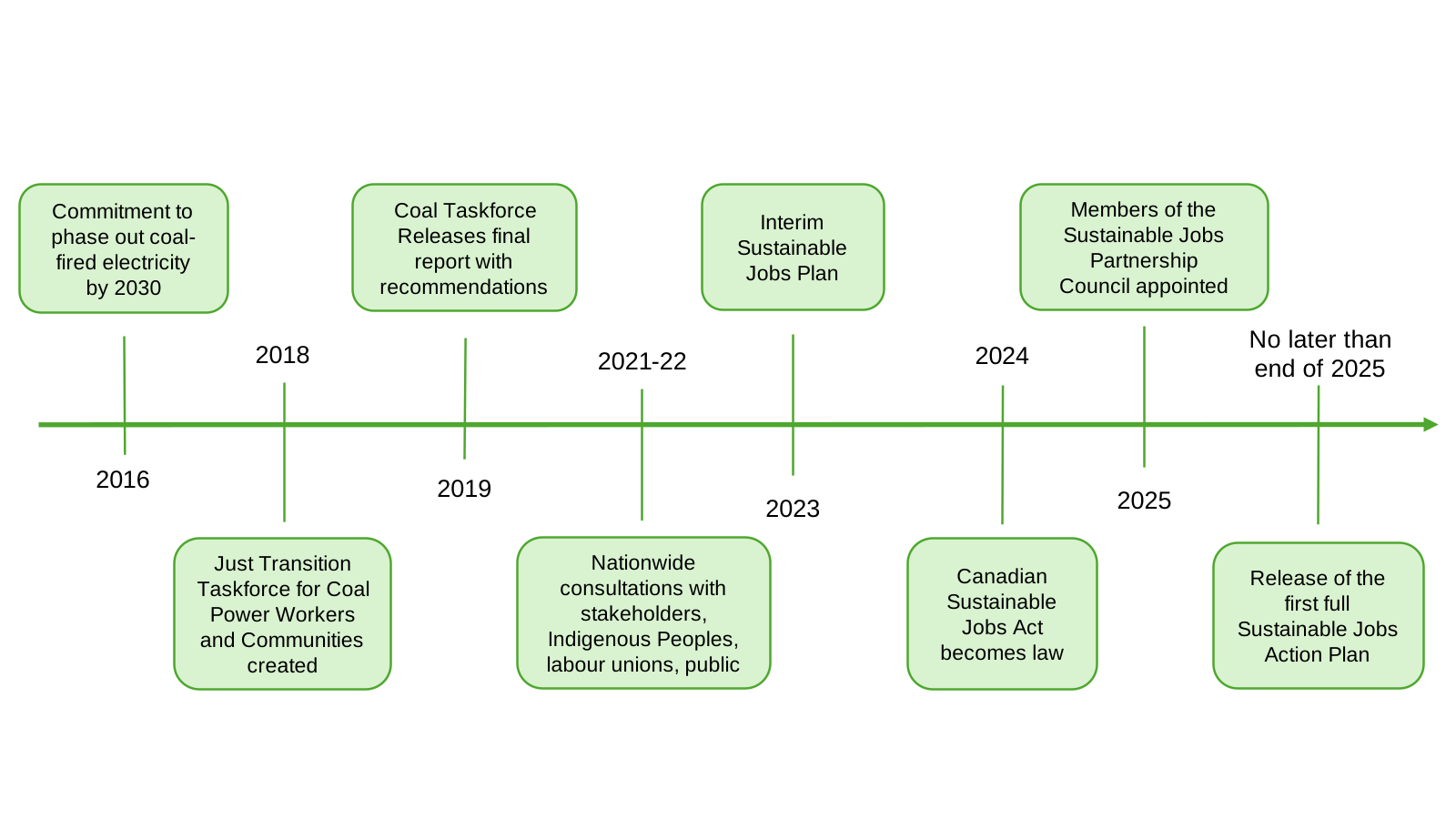
Source: Canada’s Sustainable Jobs Secretariat, Natural Resources Canada, June 2025.
Content of the Interim Sustainable Jobs Plan and Sustainable Jobs Act
The Interim Sustainable Jobs Plan outlines ten federal actions:
1. Establish the Sustainable Jobs Secretariat.
2. Create a Sustainable Jobs Partnership Council.
3. Develop economic strategies through the Regional Energy and Resource Tables.
4. Introduce a sustainable jobs stream under the Union Training and Innovation Program.
5. Advance funding for skills development towards sustainable jobs.
6. Promote Indigenous-led solutions and a National Benefits-Sharing Framework.
7. Improve labour market data collection, tracking, and analysis.
8. Motivate investors and draw in industry leadership to support workers.
9. Collaborate and lead on the global stage.
10. Establish legislation that ensures ongoing engagement and accountability (referring to Bill C‑50).
Significant attention is paid to investing in skills programming and training to equip Canadians for sustainable jobs (actions 4 and 5), highlighting existing programmes and creating a “Sustainable Jobs Training Centre". In addition, the Plan strongly emphasises the need to “advance the reconciliation with Indigenous Peoples – including economic reconciliation”, in order to ensure a “equitable, inclusive and sustainable future for all Canadians”. This takes the form of programmes to support Indigenous-owned clean energy projects across Canada as well as increased Indigenous participation in the natural resource sector to ensure Indigenous communities directly benefit from resource projects in their territories (action 6). Regarding the improvement of labour market data (action 4), the Plan indicates that after reviewing the data available within the federal government, gaps in the data related to skills development, economic and social measures and measures that support workers on an individual, regional, community and sectoral basis should be identified and addressed. To “motivate investors” (action 5), the Plan mentions policy certainty and financial incentives, including tax credits for clean technologies and carbon capture, as key elements. Moreover, “labour conditions will be attached to these investment tax credits, including requirements to pay prevailing wages based on local labour market conditions and create apprenticeship training opportunities.” Finally, the Plan acknowledges the global nature of the energy transition and highlights Canada’s participation in international initiatives like the Paris Agreement and the International Labour Organization (action 10).
As foreseen in the Interim Sustainable Jobs Plan, the Sustainable Jobs Act (Bill C‑50) established the Sustainable Jobs Secretariat, the Sustainable Jobs Partnership Council and the Regional Energy and Resource Tables (see also section on governance below). Furthermore, it defines a sustainable job as any job that is compatible with Canada’s pathway to achieving a net-zero‑emissions and climate‑resilient future and that reflects the concept of decent work, namely work – including a job in which the worker is represented by a trade union that has entered into a collective agreement – that can support the worker and their family over time and that includes elements such as fair income, job security, social protection and social dialogue.8
Governance
The Energy and Natural Resources Ministry is currently in charge. To assist the government, two new bodies are being established:
Sustainable Jobs Secretariat: A public body to “coordinate the delivery of policies and programs”. This will act as a one‑stop shop for impacted groups, providing information on training, employer connections, income support, and early retirement options. It will co‑ordinate across approximately 14 government departments and agencies.
Sustainable Jobs Partnership Council: Composed of external representatives from industry, workers, Indigenous peoples, and energy transition experts. The Council will advise the minister on policies and programmes and engage with a broad range of stakeholders to develop recommendations. It will issue annual reports, to which the minister must publicly respond.
Furthermore, the Regional Energy and Resource Tables have been established as a collaborative initiative involving federal, provincial, and territorial governments, Indigenous partners, union partners, workers, municipalities, industry experts, and civil society to identify and advance low-carbon opportunities in the energy and resource sectors at local level.
Implementation, monitoring and evaluation
The Sustainable Jobs Act is designed to ensure accountability and transparency. In line with the Canadian Sustainable Jobs Act, progress reports of the action plans will be published every 2.5 years after each plan is proposed. A progress report on the 2023-2025 Interim Plan will be included in the Sustainable Jobs Action Plan at the end of 2025. Following this, the next progress report is due by 1 June 2028, and then every 5 years after that. If these reports indicate the government is not on track, it will be required to explain how it will correct the course.
The Green Skills Roadmap for Flanders9 is a strategic proposal developed to support the region’s transition to a climate‑neutral and sustainable economy. It outlines a vision for 2030 in which Flanders leads the green transition by equipping its workforce with the skills needed in sectors such as construction, energy, manufacturing, and the circular economy and aims to turn this vision into action through targeted and co‑ordinated measures. Although it has not been validated nor implemented by the Flemish Government, underscoring the importance of securing political support from the outset to translate plans into concrete actions, several insights emerge that can inspire similar initiatives in other countries.
Development of the roadmap
The development of the Green Skills Roadmap for Flanders was the result of a structured, multi-step process carried out in 2022 and 2023, under the co‑ordination of the Flemish Department of Work, Economy, Science, Innovation and Social Economy (WEWIS). Building on prior research (including green labour market forecasts and a review of good practices from other countries), the project team translated strategic goals into concrete actions. This formed the basis for a first draft, which was then tested and refined through an extensive consultation process. Stakeholder involvement was central to the roadmap’s creation. Key Flemish actors were consulted in targeted discussions to assess the feasibility and relevance of proposed actions. A second, broader round of consultation followed, incorporating feedback from a wider range of stakeholders across government, education, and industry (Trinomics, 2023[5]; Trinomics, 2023[6]; Trinomics, 2023[7]).
Content of the roadmap
The roadmap sets out four key objectives: helping employers anticipate and respond to future skills needs for the green transition; aligning training supply with labour market demand; empowering individuals to upskill and reskill for jobs needed for the green transition; and improving co‑ordination among Flemish stakeholders. It is organised around five core action areas (Trinomics, 2023[7]).
The first action area focusses on strengthening governance and forecasting and comprises several initiatives. Firstly, a common understanding of skills needs for the green transition should be established by developing a flexible and broadly accepted reference framework – rather than a single definition – around three main types of skills: technical (occupation-specific), professional (applied to an occupation, e.g. analytical and management skills), and transversal skills. This framework would serve as a common reference for all stakeholders, guiding curriculum design, policy development, certification, and sector-specific adaptations. Secondly, the roadmap recommends integrating the impact of the green transition as a distinct element within Flanders’ existing skills forecasting approach.
The second action area addresses the need for financial support and incentives. One key proposal is the creation of a co-funding instrument for skills for the green transition, which would allow public-private consortia to co‑invest in the development of training programmes, tools, or career pathways for the green transition. This co-funding could take the form of dedicated budget lines, top-up funds, or the “greening” of existing funding calls in the areas of education, training, and employment. Existing Flemish programmes (e.g. “Strategische competentieprognoses” – Strategic skills forecasting, or “Opleidingen van de Toekomst” – Education of the Future) could be adapted to prioritise skills for the green transition. Furthermore, new dedicated local-level funding streams could provide targeted support for companies, training providers, and learners engaged in developing skills relevant for the green transition. In addition, the roadmap proposes launching a series of “accelerator calls for action”, targeted funding opportunities to respond quickly to urgent skills shortages or training needs, particularly in sectors such as construction and renewable energy. These calls would focus on unemployed or vulnerable individuals and could be piloted with regional and sectoral partners.
The third action area is dedicated to accelerating educational reform and curriculum development to integrate skills for the green transition. This includes updating curricula in priority areas such as sustainable construction techniques, green energy installation and circular design. An online self-assessment tool for companies is also mentioned, to help employers analyse their workforce’s skills readiness related to the green transition and identify training needs. To stimulate rapid action, the roadmap introduces the concept of Green Skills and Jobs Accelerator Plans: collaborative, goal-oriented training plans developed by consortia of the most relevant organisations, preferably building on existing partnerships, to fill urgent skills gaps. Each plan would outline concrete actions, roles, timelines, and monitoring mechanisms to drive forward employment and skills for the green transition. The offer of skills for the green transition in existing and new VET programmes and higher education would also be expanded, by increasing the number of green-related apprenticeships, internships and vocational training programmes.
Public awareness and communication are the focus of the fourth area of action. The roadmap recognises the importance of improving the visibility and attractiveness of jobs for the green transition and proposes an annual campaign to promote these job opportunities to learners and Flemish citizens in general. In parallel, a “Green Skills Label” would be introduced to identify and signal training programmes that contribute to sustainability goals, helping learners and employers make informed choices. The label could be supported by financial incentives to encourage participation, particularly among unemployed individuals and workers in sectors most affected by the green transition. Furthermore, promotional efforts would be strengthened for existing VET programmes that equip learners with skills relevant for the green transition for high-demand occupations, starting with an analysis to identify such training programmes. These efforts would primarily target potential VET learners, but also extend to parents and school counsellors to build awareness and engagement.
The final action area concerns peer learning and knowledge exchange. It includes support for employers, education institutions and training centres to share their experiences, tools and practices with others. To facilitate exchanges, the roadmap proposes to set up a dedicated knowledge platform. This online central information hub would gather all relevant studies, best practices, and information on ongoing initiatives in the field of skills for the green transition. The roadmap also proposes setting up peer learning networks between vocational education providers and employers to foster co-creation of new learning content and delivery models. Moreover, to reinforce capacity across the system, specific train-the‑trainer programmes would be developed to help instructors deliver both technical and cross-cutting skills for the green transition.
Governance
The roadmap was commissioned by WEWIS and developed in close collaboration with the European Commission’s Directorate‑General for Structural Reform Support, under the Technical Support Instrument (TSI). To ensure effective co‑ordination and oversight of a potential future implementation of the roadmap, a dedicated governance structure has been proposed. At its core is the idea of establishing a “Green Skills and Jobs Coalition”, a co‑ordination body that would initiate and oversee the rollout of the roadmap. This coalition would bring together representatives from key Flemish Government departments, such as Work and Social Economy, Education and Training, Economy, Science and Innovation, and Environment, alongside public employment services (VDAB – Flemish Public Employment Service), sectoral organisations, the social partners, education providers, the Flemish Agency for Innovation and Entrepreneurship and the Flemish Agency for Energy and Climate. Importantly, representatives from each of the institutions should have sufficient authority within their institutions to make strategic decisions, allocate resources, and take responsibility for specific actions (Trinomics, 2023[7]).
The Green Skills and Jobs Coalition would have three initial tasks. First, it would be responsible for validating the Green Skills Strategy and ensuring alignment across the various departments and stakeholders involved. Second, it would co‑ordinate the assignment of responsibilities for each proposed action within the roadmap, establishing clear roles and ownership. Third, the responsibilities of the Green Skills and Jobs Coalition would extend to the establishment of an M&E framework to measure progress in the implementation of the roadmap and achievement of the objectives and priorities set out in the Green Skills Strategy. The actual monitoring would then be carried out by the most suitable body, depending on the final set-up of the governance structure (Trinomics, 2023[6]; Trinomics, 2023[7]).
The Green Skills and Jobs Coalition would also lay the ground for a permanent governance structure, which would take over responsibility for steering a skills agenda for the green transition in the long term. To support the transition to permanent governance, the roadmap includes a separate governance framework that outlines several possible co‑ordination models. These include an interdepartmental working group, a public-private partnership, a sectoral governance model, or the establishment of a dedicated agency under the Chancellery with a cross-cutting mandate. Each scenario is assessed in terms of feasibility, capacity, and the degree of cross-sector collaboration it would necessitate. Regardless of the model chosen, the governance framework highlights key enabling conditions for success, including high-level political support, cross-departmental co‑operation, clear assignment of responsibilities, sufficient human and financial resources, and mechanisms for transparency and accountability (Trinomics, 2023[7]).
Implementation
The Green Skills Roadmap for Flanders remains a proposal at this stage and has not been validated or implemented by the Flemish Government. However, it provides a detailed and phased implementation plan designed to be realistic, flexible, and aligned with existing Flemish labour market and skills development frameworks. The proposed measures are grouped into short-, medium-, and long-term actions, allowing for gradual scaling, iterative development, and alignment with stakeholder readiness and resource availability. The roadmap proposes beginning with actions that are easier to implement or can build on existing structures, before expanding to more systemic reforms and long-term integration as follows:
Short-term actions, proposed for the first two years following political validation, include:
Establishing the Green Skills and Jobs Coalition as a temporary governance body
Launching a public awareness campaign to promote jobs for the green transition
Piloting Green Skills Accelerator Plans in high-priority sectors such as construction and renewable energy. Developing a shared understanding of skills relevant for the green transition
Integrating sustainability indicators into skills forecasting tools.
In the medium term (roughly 2‑5 years after adoption), the roadmap proposes:
Developing and scaling up co‑investment tools such as co-funding instruments for skills for the green transition
Expanding curriculum reform through sectoral agreements
Launching a Green Skills Label to signal green-related training offers
Extending peer learning networks across sectors and regions.
Over the long term (more than 5 years after adoption), the roadmap envisions embedding skills for the green transition into the mainstream of education, employment, and innovation policy. This would include:
Institutionalising governance and funding mechanisms
Integrating skills for the green transition across vocational and higher education
Ensuring ongoing monitoring, evaluation, and policy alignment with climate and circular economy strategies
Although no single budget figure is proposed, the roadmap does highlight the need for sustained and co‑ordinated investment. It suggests a blended funding approach that combines existing Flemish instruments, public-private co‑investment, and potential European support (e.g. through the Green Deal Industrial Plan or Horizon Europe for instance).
Monitoring and evaluation
The Green Skills Roadmap for Flanders recognises the importance of monitoring and evaluation as a critical part of successful rollout. For each proposed initiative under the five action areas, the roadmap outlines how success can be measured, providing suggested indicators that can be used to build a monitoring framework for implementation (see Annex A). While the roadmap does not prescribe a fully developed M&E system, it offers concrete starting points and key principles to guide its future design. It recommends that the M&E framework should be embedded in the newly established governance and co‑ordination structure. The aim is to ensure that progress is tracked, lessons are gathered, and adjustments can be made over time to strengthen the roadmap’s impact. The roadmap proposes leveraging existing tools and data infrastructures, such as labour market intelligence systems already used by the public employment services (PES), education providers, and innovation agencies. It is also planned that the roadmap would be updated over time to reflect the evolving nature of the demand for skills for the green transition and labour market conditions and the need for flexibility during implementation; the monitoring system is expected to support this adaptability.
“Green Skills 2030”,10 the first national green strategy for Further Education and Training (FET), was published by the national FET Agency – known as SOLAS – at the end of 2024. It provides a comprehensive framework to prepare the workforce for the continuous changes brought about by the green transition (SOLAS, 2024[8]). Recognising the importance of a concerted approach to developing the right skills at the right time, the strategy was developed in close consultation with key stakeholders, from both the public and private sectors, at the national and regional levels. Based on a series of consultations and desk research work, Green Skills 2030 identifies key priorities to foster the greening of skills in Ireland and presents a series of tailored recommendations to meet industry needs across all occupations involved in the green transition.
Development of the strategy
Green Skills 2030 is the result of a 10‑year process, building on the experience of the education and training sector since the adoption of the Climate Action and Low Carbon Development Act in 2015 – the first legislation in Ireland specifically designed to tackle climate change. By 2020, there were already more than 50 training programmes focussing on skills for the green transition. Since then, the government has introduced a number of measures to accelerate Ireland’s transition to a low-carbon economy, in line with various directives and recommendations established at the European level (European Commission, 2019[9]; CEDEFOP, 2020[10]). Consequently, the number of programmes for skills for the green transition has doubled,11 and SOLAS has developed a general roadmap to set out a strategic direction for skills policy for the green transition (SOLAS, 2022[11]). Published in 2022 under the title “Green Skills for FET 2021-2030”, the roadmap aimed to present high-level actions for embedding initiatives on skills for the green transition across the FET sector. Compared to the Green Skills 2030 Strategy, the two‑page roadmap was limited in scope, but provided an opportunity to assess different green skills initiatives and to develop a comprehensive approach to identifying skills needs for the green transition, thereby paving the way for a more comprehensive and detailed strategy.
To build the strategy, several stakeholders’ consultations were conducted, taking the form of a survey questionnaire, qualitative and quantitative research, and several workshops. Thanks to the questionnaire, SOLAS collected information from around 200 stakeholders, with half of the survey responses coming from industry representatives. Hence, the strategy primarily reflects their assessment of the skills and upskilling needs for specific occupations in their sector. In addition, SOLAS undertook a comprehensive analysis of current and emerging skills gaps for the green transition at occupational level (SOLAS and Deloitte, 2024[12]). This in-depth study both updates and extends the research undertaken for the Green Skills for FET 2021-2030 roadmap, as it covers a wider range of economic activities. It is worth noting that the results of this analysis were consistent with consultation findings. As a final step, the information provided by industry and government stakeholders was further reviewed and clarified by ETB representatives during a series of workshops. This enabled ETBs to make various suggestions as to how the FET sector could respond to industry skills needs, while also highlighting challenges in programme development.
Content of the strategy
To promote and enhance the development of skills for the green transition, the Green Skills 2030 Strategy includes both general recommendations and sector-specific recommendations. The former identifies strategic priorities that outline the overall response of the FET sector to skills needs for the green transition, while the latter identifies areas of action in seven economic sectors.12
Strategic recommendations
The strategic recommendations are grouped under the following five priorities:
Increasing awareness of FET programmes and green skills provision, notably by creating a centralised platform to help employers as well as current and prospective learners understand and navigate FET provision
Promoting career opportunities arising from the green transition to current and prospective learners across all channels of FET provision, including secondary schools, tertiary education, and VET programmes
Integrating skills for the green transition and transversal competences content into all FET programmes, by building on the European sustainability competence framework “Green Comp” (see Box 2.1). More details on this area of action are provided below in a section dedicated to the adaptation of apprenticeships.
Developing compliance, disclosure, and reporting skills in relation to green policies and regulations to enable firms and organisations to meet evolving environmental and sustainability reporting standards
Supporting the design and delivery of FET programmes for skills for the green transition. This includes: setting the right priorities within new programmes; involving key FET stakeholders in their design and/or delivery; and ensuring that FET staff have a solid understanding of environmental and sustainability issues.
Published in May 2023, GreenComp is an EU framework for sustainability competencies, supporting the EU’s goal to become climate‑neutral by 2050. It aims to promote environmental sustainability learning across the EU, fostering inclusive, quality training on climate change, biodiversity, and sustainability for learners of all ages and education levels. GreenComp aligns with the European Green Deal and EU’s educational policies, focussing on skills development, upskilling, and reskilling for sustainability. It was developed with input from over 75 international experts. The framework consists of 12 competences classified into four key areas: “embodying sustainability values,” “embracing complexity in sustainability,” “envisioning sustainable futures,” and “acting for sustainability.”
Source: European Commission (2022[13]), GreenComp – The European sustainability competence framework, Publications Office of the European Union, https://data.europa.eu/doi/10.2760/13286.
Sectoral recommendations
The sectoral recommendations identify opportunities to enhance the provision of programmes for the green transition in seven key economic sectors.13 Recommendations and associated actions are tailored to specific occupational skills needs, but they are framed around three common areas of action: developing FET programmes for the green transition, establishing FET specialist skills centres, and creating pathways between FET and higher education (HE).
Developing FET programmes for the green transition
The strategy recommends addressing skills gaps related to the green transition by developing new modules to complement existing FET programmes, as well as by developing entirely new curricula and programmes, or significantly restructuring existing ones. More details on the development of FET programmes for the green transition are provided below in a section dedicated to the adaptation of apprenticeships. The strategy also mentions the provision of stand-alone modules for the general public, to increase awareness and understanding of energy use, thereby helping citizens to save energy in their daily lives and reduce their impact on climate change.
Establishing FET specialist skills centres
The strategy suggests that national centres for specialist skills could be developed for several sectors, using existing infrastructure and resources. These centres would function as a focal point for learners to identify training or upskilling courses in which they might be interested. For example, a national centre could be developed to co‑ordinate training and upskilling courses in the various activities related to electric vehicles. The strategy also recommends the creation of a specialised skills centre focussing on environmental, social and governance issues to help enterprises and SMEs in particular navigate the transition to a low-carbon economy. For green activities that require costly infrastructure, the strategy mentions the development of specialist skills centres in specific regions. For example, onshore and offshore wind farms will be concentrated in certain regions, where specialist centres could be established to deliver related training programmes at a local level.
Creating pathways between Further and Higher Education
The development of tertiary pathways or joint programmes between FET and higher education (HE) institutions would enable some learners to gain a HE degree and/or upgrade their skills or qualifications while taking advantage of facilities available at certain HE institutions. Depending on the field of study and occupation, this may require the development of new tertiary degrees, certifications or stackable micro-credentials, and/or an update of the National Qualifications Framework (NQF) to include new qualifications or new pathways between NQF levels.
Governance
Green Skills 2030 was developed by SOLAS, the State Agency for Further and Higher Education and Training. SOLAS develops, funds and co‑ordinates FET programmes for school leavers, job seekers, employees seeking to upskill or reskill, and other learners. It is also responsible for the national apprenticeship system in further and higher education. Furthermore, SOLAS, and especially its Skills and Labour Market Research Unit, monitors the supply and demand for skills at occupational level and informs the government about skills gaps and labour shortages.
Although prepared by SOLAS, Green Skills 2030 is the result of a collective effort involving both government stakeholders and key actors on the ground, in particular:
Regional Education and Training Boards (ETBs) and their national representative (ETBs Ireland), which are the Key Partners of SOLAS for the delivery of upskilling and reskilling programmes. ETBs provide a wide range of VET programmes, such as apprenticeship, traineeships, career guidance and education guidance.
Regional Skill Fora, which aim to foster partnerships between employers and the VET sector, by identifying skill gaps in their region and acting as an intermediary to ensure that employers find the right place to get the support they need.
Skillnet Ireland, which brings together 70 industry-led networks and functions as a focus point for businesses to identify and respond to emerging skills needs (in partnership with the VET sector). In particular, two business networks – Green Tech Skillnet and Sustainable Enterprise Skillnet – are dedicated to helping firms reskill and/or upskill their workforce for the green economy. In addition, Skillnet Climate Ready Academy provides specialised training programmes for firms to meet compliance and regulatory obligations and to develop their own sustainability charter.
The Department of Further and Higher Education, Research, Innovation and Science, responsible for higher and further education policies and research policies. The Department also oversees the work of state agencies (including SOLAS) and public institutions operating in these areas.
The Department of Enterprise, Trade and Employment, responsible for developing and implementing policies to foster economic growth and employment creation. Its Expert Group on Future Skills Needs advises the government on labour market developments at a sectoral level.
Implementation, monitoring and evaluation
An implementation and evaluation framework for the Green Skills 2030 Strategy is currently under development. More specifically, the Department of Further and Higher Education, Research, Innovation and Science will set up an expert group responsible for overseeing the implementation of the strategy. The group will include representatives from the Department, SOLAS, regional ETBs and their national representative (ETB Ireland). The tasks of the expert group will be the following:
Developing an implementation plan, that will identify priority areas and define specific targets
Advising on data collection procedures to monitor implementation and progress
Reviewing the strategy throughout its lifetime to ensure it remains fit for purpose and incorporates new developments and expert knowledge on a regular basis
Recommending actions to address any identified risks to implementation
Collaborating with industry partners and representatives from government bodies to ensure alignment with organisational goals, policies, and procedures. Close collaboration between key FET stakeholders will be critical to ensure that Green Skills 2030, the upcoming FET Strategy (2025‑2029), and the FET reform agenda are aligned and complement each other.
The Dutch “Action Plan for Green and Digital Jobs” (Actieplan Groene en Digitale Banen)14 was introduced in 2023 and aims to address labour market shortages in sectors crucial for the climate and digital transitions. The plan’s primary goal is to ensure a sufficiently skilled workforce to meet the increasing demand in these sectors, ultimately supporting the Netherlands’ ambitions for a sustainable and technologically advanced economy. One of its key objectives is to increase the number of qualified professionals by improving education and training programmes, particularly in Science, technology, engineering, and mathematics (STEM) fields. Additionally, the plan seeks to attract and retain talent by improving working conditions, investing in lifelong learning, strengthening collaboration between educational institutions and employers and increasing diversity and inclusivity within these industries. One distinguishing feature of the plan lies in its stated aim to boost labour productivity through process innovation, digitalisation, and automation. To combat fragmentation, the plan emphasises better governance and co‑ordination between multiple ministries, educational institutes, social partners, and regional governments (Ministry of Economic Affairs and Climate, 2023[14]; Rijksoverheid, 2023[15]).
Development of the action plan
The action plan was developed as a collaborative effort between national government ministries, regional authorities, employers, educational institutions, and social partners. Recognising the complexity and urgency of labour shortages in the green and digital sectors, the Dutch Government opted for an inclusive, evidence‑based approach to design the plan.
The development process drew heavily on input from stakeholders across the labour market, including employers and industry organisations, who were involved from the start. Their input was collected through consultations, roundtables, and formal contributions. Additionally, the plan’s measures were informed by findings and recommendations of the Foundation for Economic Research and a report on labour market shortages in technical fields prepared by the Research Centre for Education and the Labour Market. The action plan also reflects advice from the Socio-Economic Council and builds on previous national programmes such as the Techniekpact.15
The final plan was published in early 2023, following an intensive preparation period that involved co‑ordination across ministries, including the Ministry of Economic Affairs and Climate Policy, the Ministry of Social Affairs and Employment, and the Ministry of Education, Culture and Science, among others. These ministries worked jointly with private sector representatives and educational organisations to ensure that the proposed actions aligned with labour market needs and regional economic priorities. It is also designed as a dynamic document, meaning that it will be revised and updated based on ongoing evaluation and stakeholder feedback.
Content of the action plan
The Action Plan for Green and Digital Jobs is structured around four key pillars that correspond to the Dutch Government’s strategic focus areas: 1) increase enrolment in relevant education fields, 2) retain and attract technical talent, 3) stimulate labour productivity growth, and 4) strengthen governance to combat fragmentation (Ministry of Economic Affairs and Climate, 2023[14]). This section details actions included in the three first pillars while the fourth pillar is explained in the next section.
Many of the measures outlined in the action plan focus on Information, Communication and Technology (ICT) and broader STEM disciplines. While these are primarily critical for the digital transition, the plan highlights their fundamental role in advancing the green transition. Technical and ICT professionals are central in climate‑related sectors such as renewable energy, sustainable mobility, circular manufacturing, and smart infrastructure. For instance, the installation and maintenance of heat pumps, solar panels, and electric vehicle charging stations require vocational and technically trained staff. The plan therefore views the development of technical and ICT skills as essential for achieving the Netherlands’ climate targets and supporting the broader energy and resource transitions.
The first pillar, increasing enrolment in relevant education fields, aims to meet the growing demand for ICT and technical professionals and address low STEM participation, as only 19% of Dutch VET students were enrolled in STEM subjects in 2023, well below the EU average of 36% (Eurostat, 2025[16]). The government has set a target of training over 1 million ICT graduates by 2030. To boost STEM enrolment, the plan supports multiple initiatives, including the Sterk Techniekonderwijs (Strong Technical Education), Jet-Net and TechNet programmes, which enhance technical education at vocational and upper-secondary levels, and pilots for practice‑oriented programmes in upper-secondary and vocational education.16 Additional measures include strengthening career guidance and improving study choice information, for instance by developing new guidance tools and teaching materials for educators and career counsellors, embedding career orientation more firmly in school curricula, and improving access to labour market data to help students make well-informed decisions aligned with opportunities in technical and green sectors. Additionally, the government is collaborating with social partners to promote students’ early exposure to future‑oriented professions. Finally, the plan aims to expand teacher training programmes for technical vocational education to address teacher shortages and improve education quality. This includes increasing the number of hybrid teachers, which are professionals from the technical and ICT sectors who also take on teaching roles, strengthening the connection between education and the professional field.
The second pillar focusses on attracting and retaining technical talent, which is essential for both the digital and green transitions. To support career transitions into these fields, the government is investing in lifelong learning and upskilling and reskilling initiatives. For example, the government is investing in the Nationale LLO Katalysator via the National Growth Fund (EUR 392 million), aimed at creating a national infrastructure for lifelong learning by improving skills matching and developing flexible training pathways. Other measures include the support for FastSwitch, a reskilling programme linking jobseekers to high-demand sectors such as technology and energy. The plan also includes training funds targeted at low-educated workers and those from declining industries, often in collaboration with sectoral training and development funds and regional mobility teams. However, at this stage, some components of the plan, particularly those related to worker mobility and sectoral transitions, remain relatively general in nature, with more operational details expected to emerge during implementation.
To complement these upskilling and reskilling measures, the plan also promotes inclusiveness and diversity, especially for women, young people and people with a migration background. Special task forces have been created to encourage gender-neutral career choices. For example, the coalition Vrouwen in Techniek (Women in Technology) and the ICT Diversity & Inclusion Taskforce are actively working to increase female participation and ensure an inclusive work environment in these industries. Additionally, initiatives such as Maatschappelijke Diensttijd (Community Service Time) are being expanded to expose more young people to climate and sustainability-related sectors, helping to foster broader access and early engagement with green technical careers. Beyond inclusivity, the plan also recognises the need to make technical professions more attractive overall. To this end, employers have committed to improving working conditions, including more flexible arrangements, enhanced employment benefits, and long-term learning and earning pathways like 10‑year income security schemes to provide stability and career perspective.
To stimulate labour productivity growth (third pillar), the plan promotes digitalisation, automation, and process innovation in the workplace to boost output from the existing workforce. While primarily aimed at addressing capacity challenges, these innovations could also support the green transition by enabling more energy-efficient production, reduced resource consumption, and smarter logistics. For instance, process innovation and digital technologies are key to increasing sustainability in manufacturing, construction, and energy sectors. The plan supports this through existing programmes, such as Versnelling Digitalisering MKB, Smart Industry, European Digital Innovation Hubs, and AiNed AI, which help businesses, particularly SMEs, adopt technologies that can drive both efficiency and sustainability.
Governance
The fourth pillar of the action plan concerns the strengthening of governance to combat fragmentation. It envisions a strong role for the central government, in particular to co‑ordinate the approach to address labour market shortages related to the green and digital transitions. The action plan also recommends enhancing collaboration between government ministries, regional authorities, industry stakeholders, and educational institutions to ensure seamless implementation. This collaborative approach aims to create a simple, clear structure that leverages existing networks while aligning with regional-level activities. The plan builds on existing governance frameworks such as the Human Capital Agenda and the implementation structures of the Techniekpact and relies on established regional partnerships to tailor actions to local labour market needs. Ministries will co‑ordinate efforts through joint steering groups and shared accountability, while regional actors, such as schools, employers, and local governments, are tasked with translating national goals into concrete regional interventions. This layered approach is designed to ensure national coherence while allowing flexibility in regional implementation (Ministry of Economic Affairs and Climate, 2023[14]; Rijksoverheid, 2023[15]).
Implementation
The Action Plan for Green and Digital Jobs will run until 2030, aligning with broader national and European goals for digital and green transitions. The plan is structured around short-, medium-, and longer-term actions under the four strategic pillars. The Dutch Government has allocated significant funding to support the implementation of the plan. The funding is directed toward addressing labour shortages, expanding education and training systems, and fostering innovation through measures such as public-private collaborations. Key budget allocations included:
EUR 210 million from the National Growth Fund for public-private partnerships in vocational education: This funding supports scaling up successful collaborations between vocational education institutions and employers, particularly in the technology and ICT sectors. The initiative focusses on aligning education with industry needs, fostering lifelong learning, and boosting SME participation. Of this amount, EUR 152.5 million has been awarded unconditionally, while EUR 57.5 million is conditional upon performance and impact evaluations.
EUR 392 million for lifelong learning and workforce development: Through the National LLO Catalyst Programme, this investment aims to develop a national lifelong learning ecosystem, ensuring a stronger connection between labour market demands and training programmes. The funding will initially focus on skills development for the energy and raw materials transition.
EUR 100 million for practice‑oriented research in higher education: This funding strengthens the innovation capacity of higher vocational education by improving research that supports industry-relevant education and better aligns technical education with labour market needs.
EUR 90 million for STEM & technical higher education: This is part of a larger EUR 200 million sector plan that focusses on strengthening scientific education and research, with a particular emphasis on STEM and technical disciplines.
EUR 96 million for other lifelong learning projects focussed on strengthening infrastructure and targeting low-educated and low-skilled workers: This funding supports better co‑ordination between education providers and industry stakeholders to promote lifelong learning, while also targeting upskilling initiatives for individuals with lower educational attainment to improve their workforce integration (Rijksoverheid, 2023[15]; Ministry of Economic Affairs and Climate, 2023[14]).
EUR 14 million is invested in higher professional education programmes in shortage sectors like technology, as part of a total EU 30 million for higher professional education programmes in healthcare, education, and technology. This funding aims to increase entry, reduce dropout rates, and improve the link between education and the professional field (Rijksoverheid, 2023[15]; Ministry of Economic Affairs and Climate, 2023[14]).
Monitoring and evaluation
The long-term nature of the plan calls for regular evaluations and adjustments to ensure targets are met in response to changing labour market demands (Ministry of Economic Affairs and Climate, 2023[14]; Tweede Kamer der Staten-Generaal, 2022[17]). The monitoring and evaluation of the action plan will be conducted through a structured, multi-level approach to ensure that the implemented measures effectively address labour shortages and skill development needs. The Dutch Government will track key performance indicators (KPIs) related to job creation, training participation, skills development, and workforce transitions to assess the impact of various initiatives. The government will leverage on a range of existing databases and dashboards:
Klimaatmonitor – tracks developments related to climate policy and sustainability goals at the national and regional level, including indicators such as CO₂ emissions, renewable energy use, and sustainability-related employment.
Techniekpactmonitor – provides data on technical education and workforce trends such as enrolment, number of graduates, teacher shortages, and mismatches measures.
ICT Arbeidsmarktdashboard – offers real-time labour market insights into the ICT sector, including vacancy trends, employment levels, skills gaps and regional imbalances.
Emancipatie Monitor – tracks gender gaps in education, income, labour participation, and career advancement.
Regular progress reports, stakeholder consultations, and impact assessments will help refine and adapt the initiatives included in the action plan as needed. To further improve accountability, conditional funding mechanisms, such as the EUR 57.5 million allocated for vocational education partnerships, will be subject to periodic evaluations to ensure efficiency and impact. The government aims to keep monitoring efforts dynamic and adaptable, enabling the plan to respond effectively to changes in the labour market and emerging skills demands (Ministry of Economic Affairs and Climate, 2023[14]).
Spain’s Just Transition Strategy (JTS),17 approved in 2019, represents a central component of the national Strategic Energy and Climate Framework, together with the Climate Change Law and the National Energy and Climate Plan.18 The strategy is designed to manage the profound socio‑economic transformations associated with decarbonisation, ensuring that vulnerable workers and territories are not left behind in the transition to a low-carbon economy.
Development of the strategy
In February 2019, the Spanish Government approved the Strategic Framework for Energy and Climate, based on three pillars: the draft law on climate change, the draft National Integrated Energy and Climate Plan and the Just Transition Strategy.
A draft of the Just Transition Strategy was presented on 22 February 2019 and underwent a public participation process that ended on 1 April 2019. The final text incorporates several of the comments and contributions made by individuals, particularly from areas affected by mining closures, NGOs, trade unions and associations, the business sector, and autonomous communities and local authorities.
Content of the strategy
Spain’s Just Transition Strategy follows the International Labour Organization (ILO) Just Transition guidelines (ILO, 2015[18]) and the Paris Agreement. It aims to ensure that nationally agreed climate targets do not leave regions, sectors and communities behind, by providing socio-economic support in terms of employment generation and social and territorial justice and cohesion.
The strategy sets out actions in eight thematic areas. Two concern employment and training policies more closely:
Active policy measures for green employment and social protection: This axis focusses on integration measures, training, and policies to promote job creation that should be developed by the central and regional governments. The labour legislation and the Spanish Strategy of Activation for Employment form the basis for active employment policies, and the promotion of self-employment and entrepreneurship within the sustainable economy. It includes attention and support for entrepreneurs and adapting actions to the characteristics of the territory, considering local labour market realities. It also aims to make use of the resources available for the ecological transition within the European Social Fund initiatives and strengthen employment services in vulnerable territories. Furthermore, it includes plans to reduce youth unemployment and the gender employment gap through access to new opportunities brought about by the ecological transition.
Green vocational training measures: Recognising the changes that the greening of the economy will bring to job content and hence occupational profiles, this axis emphasises the need for a clear response from both vocational training and active employment policies. It includes measures to assess training needs, develop joint programmes for young people in green sectors, and support companies’ planning of training needs for the green transition.
At the heart of the JTS are the Just Transition Agreements – area-specific frameworks reached through General Action Protocols signed between the national, regional, and local authorities in close collaboration with social partners, companies, and civil society organisations to propose a comprehensive territorial action plan following the objectives and criteria of the JTS: maintenance and creation of employment through support for at-risk sectors and groups and the establishment of population in rural territories. These agreements describe tailored revitalisation strategies based on territorial diagnoses and stakeholder consultations.
Another essential part of the JTS is the Urgent Action Plan for Coal Regions (2019‑2021), the initial, fast-track response to the social and economic consequences of coal mine and power plant closures, implemented ahead of the rest of the JTS. Its starting point was the Framework Agreement for a Just Transition in Coal Mining and Sustainable Development of the Mining Regions for the Period 2019-2027, which was developed in close co‑ordination between the Government of Spain, trade unions and the National Federation of Coal Mining Entrepreneurs. The Urgent Action Plan focusses on safeguarding workers’ rights and cushioning the immediate impacts of industrial decline. It guarantees: 1) adequate compensation and job placement services for coal workers affected by the closures; 2) maintenance of employment in mining regions through the use of coal plant dismantling, environmental restoration of mines and installation of renewable energy plant activities as direct employment pathways for laid-off workers, ensuring continuity of income while contributing to ecological recovery, and 3) the early development of Just Transition Agreements in territories affected by closures, in order to provide targeted financial support and investment incentives to affected municipalities, aimed at stimulating local economies and laying the groundwork for long-term reindustrialisation.
Governance
A Just Transition Institute (Instituto para la Transición Justa) was established in 2020 under the ministry for the Ecological Transition and the Demographic Challenge to oversee the negotiation, co‑ordination, and implementation of ecological transition-related measures, acting as the hub for planning, monitoring, and public engagement. Within this institute, an Advisory Board was created to co‑ordinate and monitor the implementation of the strategy. It is formed by representatives of most of the ministerial departments, as well as of the Autonomous Communities, the Local Entities, and the most representative trade unions and business organisations.
Continued public participation is encouraged and facilitated through regional workshops, newsletters, online platforms, and direct consultations, ensuring transparency and long-term legitimacy in the transition process. Trade unions and municipal governments also play an essential role in negotiating worker protections and guiding local reindustrialisation.
Implementation
According to the information provided by the Ministry for Ecological Transition and Demographic Challenge in 2023 (Ministry for Ecological Transition and Demographic Challenge, 2023[19]), regarding the implementation of the Urgent Action Plan for Coal Regions, all workers affected by coal plant closures have received either social protection or opportunities for reemployment. More than 800 individuals have been trained. Over 300 miners were granted early retirement, while auxiliary workers received priority access to new employment. Overall, according to the information provided by the Ministry for Ecological Transition and Demographic Challenge in 2023, job creation linked to the strategy has matched or exceeded job losses in coal-dependent sectors.
Furthermore, 15 Just Transition Agreements have been signed, covering 197 municipalities. These agreements were informed by over 2 000 proposals from more than 800 stakeholders. Since 2019, EUR 39.8 million in grants were allocated to local businesses, with the commitment to create over 1 200 jobs, 40% of which went to women. Additional funding rounds are expected to create thousands more jobs. Coal regions have also been prioritised in the allocation of EUR 2.7 billion of IDAE (Institute for Diversification and Saving of Energy)-managed Recovery Plan related to energy transition. Moreover, a specific Just Transition component was incorporated into the Spanish Government’s Recovery, Transformation and Resilience Plan, with EUR 300 million from Next Generation EU funds and four specific objectives for the areas affected by the closures, in addition to the deployment of national funds (Ministry for Ecological Transition and Demographic Challenge, 2023[19]). Within this EU funding framework, the Just Transition Institute has been implementing a certified professional retraining programme in areas related to the ecological transition (green infrastructure, photovoltaic and wind energy installations, and energy renovation of buildings) for unemployed people in areas affected by the energy transition. EUR 9 million are allocated to this professional retraining programme for job placement which was initiated in 2023 and expects to reach 840 unemployed.
Monitoring and evaluation
From the outset, the strategy has placed strong emphasis on data-driven and transparent monitoring, primarily through a dedicated on “Measures to improve knowledge about the impact of ecological transition on employment” axis within the strategy. Monitoring is designed to track both quantitative and qualitative impacts of the ecological transition on workers and communities.
Some of the actions of the Just Transition Institute are monitored through the evaluation of the Just Transition Agreements, which serve as tools for the implementation of the JTS. For each of the 15 agreements in place, results reports are periodically prepared (2023 and 2025).19 The government has committed to updating the JTS in 2026, taking into account lessons learned, evolving economic conditions, and new challenges posed by the deployment of large‑scale renewables.
The Spanish JTS has also been analysed by the Instituto Elcano, an independent think tank (Lázaro Touza et al., 2025[20]). The report finds that there is broad citizen support for Just Transition policies in Spain across the ideological spectrum; however, the rapid deployment of renewables, while crucial for climate goals, has faced opposition in some regions. Looking ahead to the planned update of Spain’s Just Transition Strategy, the authors emphasise the need to address this resistance through projects that foster local development and employment, particularly in rural areas facing depopulation, and by going beyond the initial focus on phasing-out fossil fuels to also include challenges related to the phasing-in of renewables, low carbon technologies and infrastructures.20
Several similar features emerge from the six examples presented above. To develop their employment and skills strategies for the green transition, the six countries analysed relied on stakeholders’ consultations, in the form of meetings and/or written contributions (Table 2.1). Meetings such as workshops, focus groups, roundtables, and expert panels are particularly useful to gather first ideas and prepare a first draft of the strategy, or when the number of participants is modest. Written contributions are more efficient to collect feedback on a first draft or when the number of stakeholders is sizeable. In terms of content, the strategies reviewed above vary significantly (Table 2.1). They are organised around four to ten areas of action, reflecting different national priorities and approaches. Most strategies contain cross-sectoral measures but some also incorporate sector-specific recommendations, tailored to the needs of specific industries. The strategies are generally comprehensive and contain a moderate to high level of details. Although relatively few strategies explicitly focus on specific groups, most prioritise support for workers in high-emission sectors who are at greater risk of job displacement. Furthermore, in some countries (Austria, Canada and Spain), the strategies also focus on specific geographic areas.
As seen in , in most cases, the development of employment and skills strategies for the green transition is led by the ministry in charge of environmental and climate affairs, with a strong involvement of the ministry responsible for labour and employment issues, with two notable exceptions: in Ireland, the process is spearheaded by SOLAS, the State Agency for Further and Higher Education and Training, while in Flanders, it is led by the Flemish Department of Work and Social Economy. The strategies typically foresee the establishment of one or more dedicated bodies tasked with advising on the strategy’s development and/or co‑ordinating its implementation. In all cases, co‑ordination between various ministries and the active involvement of a broad range of stakeholders – particularly social partners, sectoral funds, training providers, and local actors – are considered essential to the success of these initiatives.
Regarding implementation, Table 2.3 shows that most countries have established ambitious yet achievable timelines for the implementation of their strategies, often structured around short-term, medium-term, and long-term actions. However, few strategies mention earmarked budget or quantitative targets. Furthermore, while many of the strategies include mechanisms for progress monitoring, comprehensive evaluation remains relatively rare. A best practice in this regard is to design the M&E framework from the outset, embedding it within the strategy and clearly defining responsibilities.
← 1. https://www.refernet.at/images/ergaenzende_Infos/Publikationen_extern/Just-Transition_Aktionsplan_UA.pdf (in German, accessed 24 April 2025).
← 2. However, at the EU level, Austria backed delaying the decision on the 2040 target to October 2025 and has not yet finalised its internal position.
← 3. The focus of the Education and Training Action Plan was solely on the energy transition and other areas, such as mobility, the circular economy or social aspects, should be addressed at a later stage.
← 4. The Just Transition Fund is an instrument created by the European Union under the 2021‑2027 Cohesion Policy to support regions and workers most affected by the transition in the context of the EU Green Deal’s goal of achieving climate neutrality by 2050.
← 5. https://natural-resources.canada.ca/corporate/planning-reporting/sustainable-jobs-plan (accessed 24 April 2025).
← 7. https://lois-laws.justice.gc.ca/eng/acts/C-23.25/FullText.html (accessed 24 April 2025).
← 8. This definition is aligned with the one adopted by the 19th International Conference of Labour Statisticians in 2013, but never properly operationalised in statistical terms.
← 9. https://reform-support.ec.europa.eu/document/download/27495f8d-e7ed-4957-bdca-49337251fed8_en?filename=DLV7%20and%20DLV6%20Green%20skills%20Implementation%20Roadmap_0.pdf (accessed 24 April 2025).
← 10. https://www.solas.ie/f/70398/x/135e0f3789/solas-green-skills-strategy-2030.pdf (accessed 24 April 2025).
← 11. Further information available at: https://www.solas.ie/programmes/green-skills/.
← 12. Green Skills 2030 covers the following sectors: 1) Construction and Built Environment; 2) Engineering, Energy, and Manufacturing; 3) Transport and Logistics; 4) Agriculture, Forestry, and Marine; 5) Biodiversity and Environment; 6) Tourism and Hospitality; 7) Accounting and Business.
← 13. Construction and built environment; engineering, energy, and manufacturing; transport and logistics; agriculture, forestry, and marine; biodiversity and environment; tourism and hospitality; accounting and business.
← 14. Overzicht acties groene en digitale banen | Kamerstuk | Rijksoverheid.nl (in Dutch, accessed 24 April 2025).
← 15. The “Techniekpact” (Technology Pact) was signed on 13 May 2013 by educational institutions, employers, employees, top sectors, students, the national government, and regional authorities. It sets out agreements to increase the number of technical professionals and to improve the alignment between education and the labour market (see https://open.overheid.nl/documenten/ronl-archief-0d786671-796d-45c5-8e14-bb1654ddb37b/pdf, accessed 24 April 2025).
← 16. Beyond the plan itself, the Netherlands has also taken further steps to adapt its VET and apprenticeship provision to the green transition. An advisory report by the Foundation for Co‑operation on Vocational Education, Training and the Labour Market (SBB) highlighted that, in support of the green transition, numerous secondary vocational education certificates related to climate, energy, and housing are already being offered, through both school-based and apprenticeship tracks (European Qualifications Framework levels 2‑4). New apprenticeships have also been launched for solar panel and charging station installation, and another course on reducing gas use is in development (Wezel, 2022[65]).
← 17. https://www.miteco.gob.es/content/dam/miteco/es/ministerio/planes-estrategias/transicion-justa/Just%20Transition%20Strategy_ENG.pdf (accessed 16 September 2025).
← 18. Spain’s just transition governance framework was presented as one of the most advanced in the EU alongside that of France – whose ecological transition contracts inspired Spain’s Just Transition Agreements (Lázaro Touza et al., 2025[20]).
← 19. See https://www.transicionjusta.gob.es/es/municipios-ztj.html (accessed 15 October 2025).
← 20. This has led the Instituto Elcano (Lázaro Touza et al., 2025[20]) to propose to establish Just Renewable Transition Agreements (JRTAs) as a new governance instrument to foster renewable deployment while ensuring meaningful citizen and stakeholder engagement, conflict resolution, and equitable benefit-sharing.